Free Printable Bird Coloring Pages for Kids
Free printable bird coloring pages for preschool and kindergarten kids. Bold outlines, simple design, ready to print and color.

Free printable bird coloring pages for preschool and kindergarten kids. Bold outlines, simple design, ready to print and color.
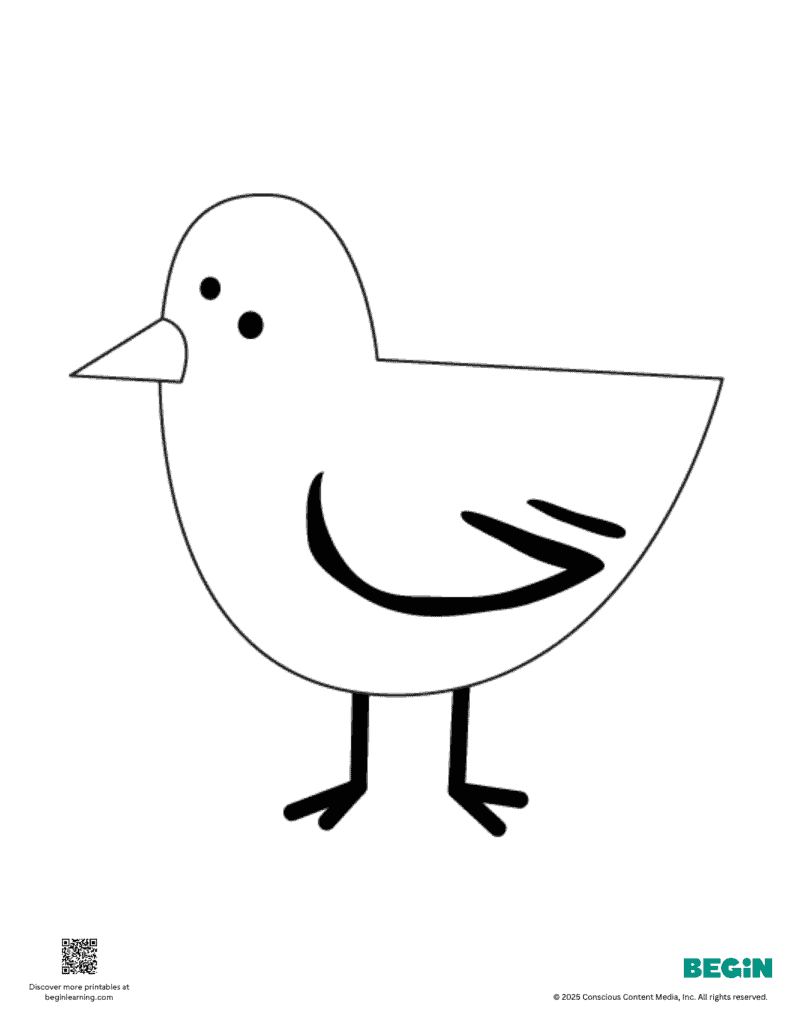
Free printable bird coloring pages for preschool and kindergarten kids. Bold outlines, simple design, ready to print and color.
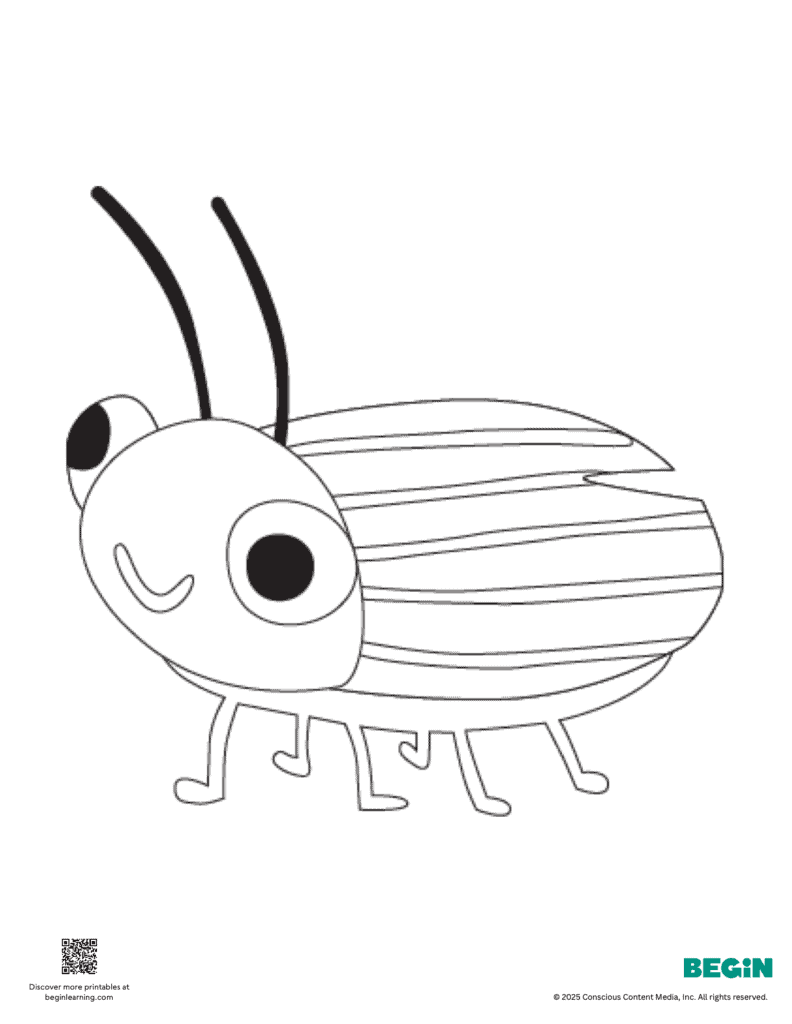
Free printable bug coloring pages for preschool and kindergarten kids. Bold outlines, simple design, ready to print and color.
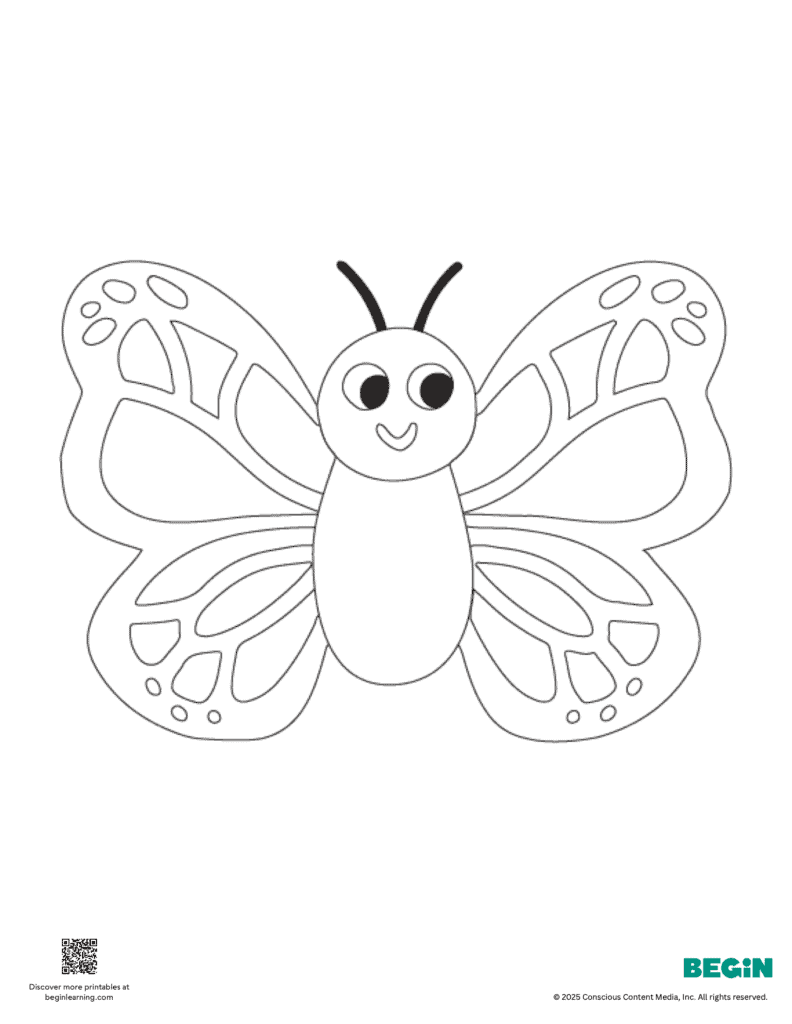
Free printable butterfly coloring pages for preschool and kindergarten kids. Bold outlines, simple design, ready to print and color.
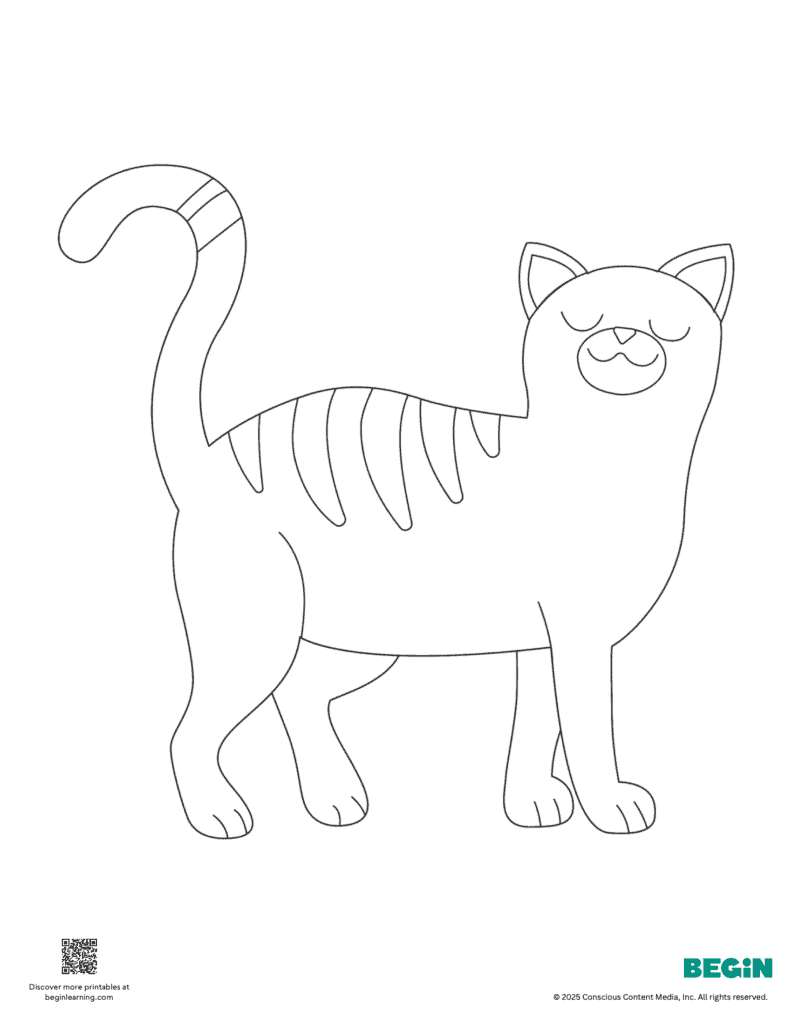
Free printable cat coloring pages for preschool and kindergarten kids. Bold outlines, simple design, ready to print and color.
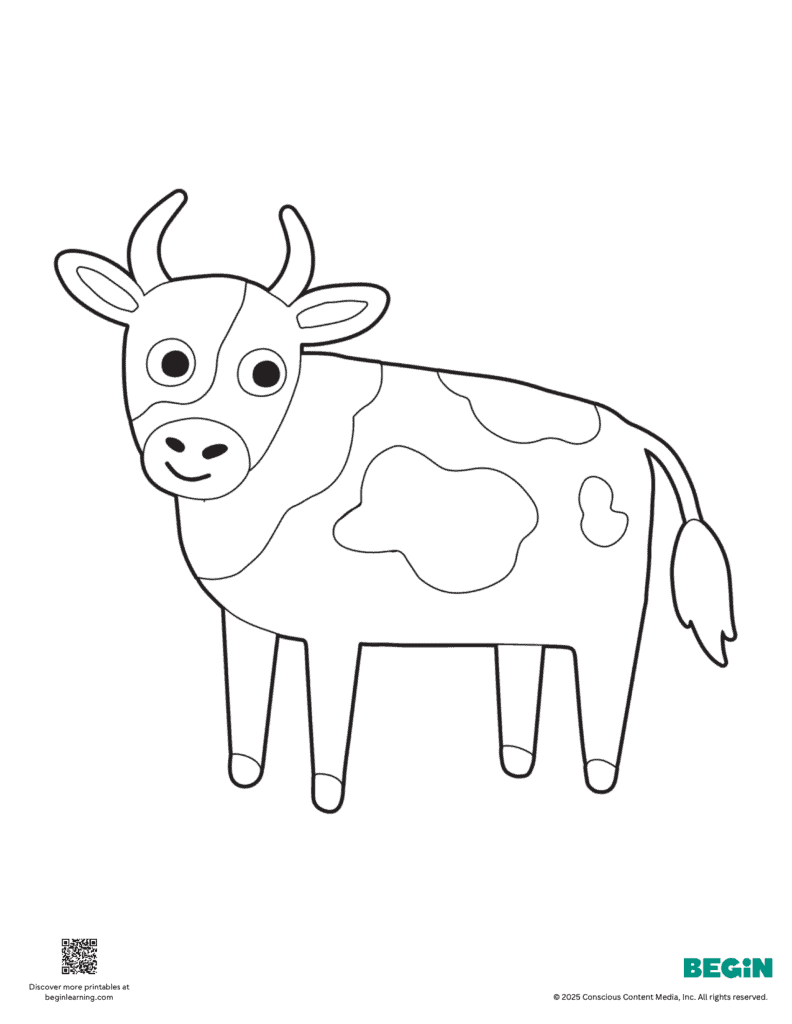
Free printable cow coloring pages for preschool and kindergarten kids. Bold outlines, simple design, ready to print and color.
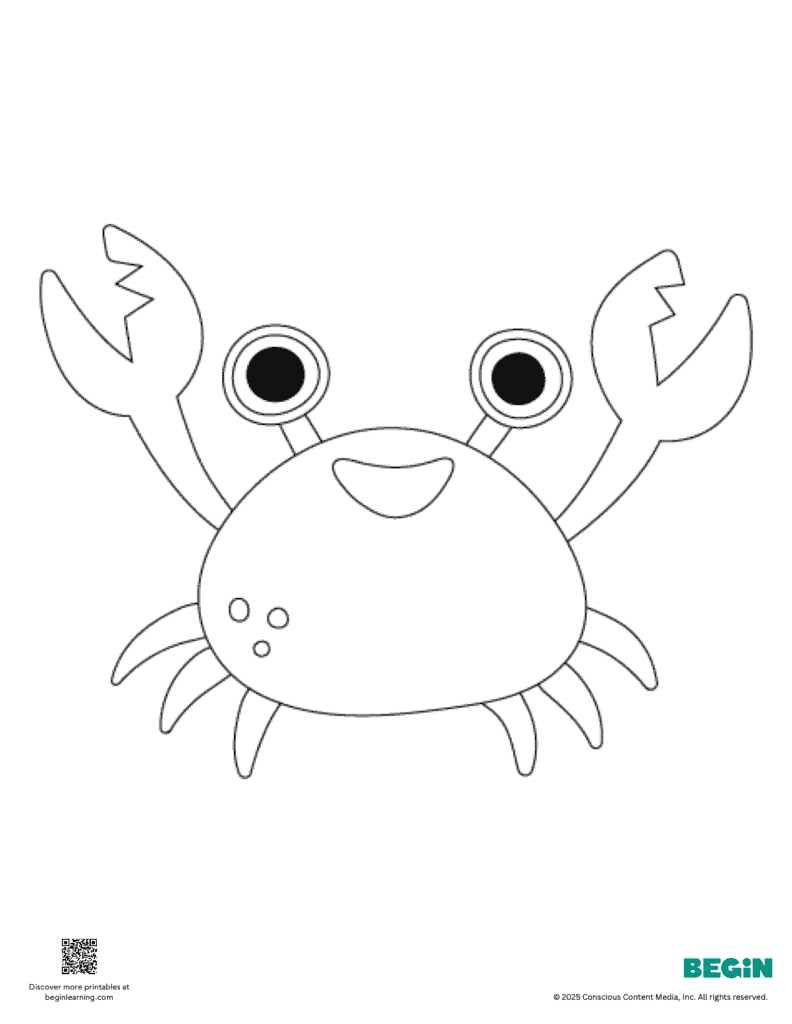
Free printable crab coloring pages for preschool and kindergarten kids. Bold outlines, simple design, ready to print and color.
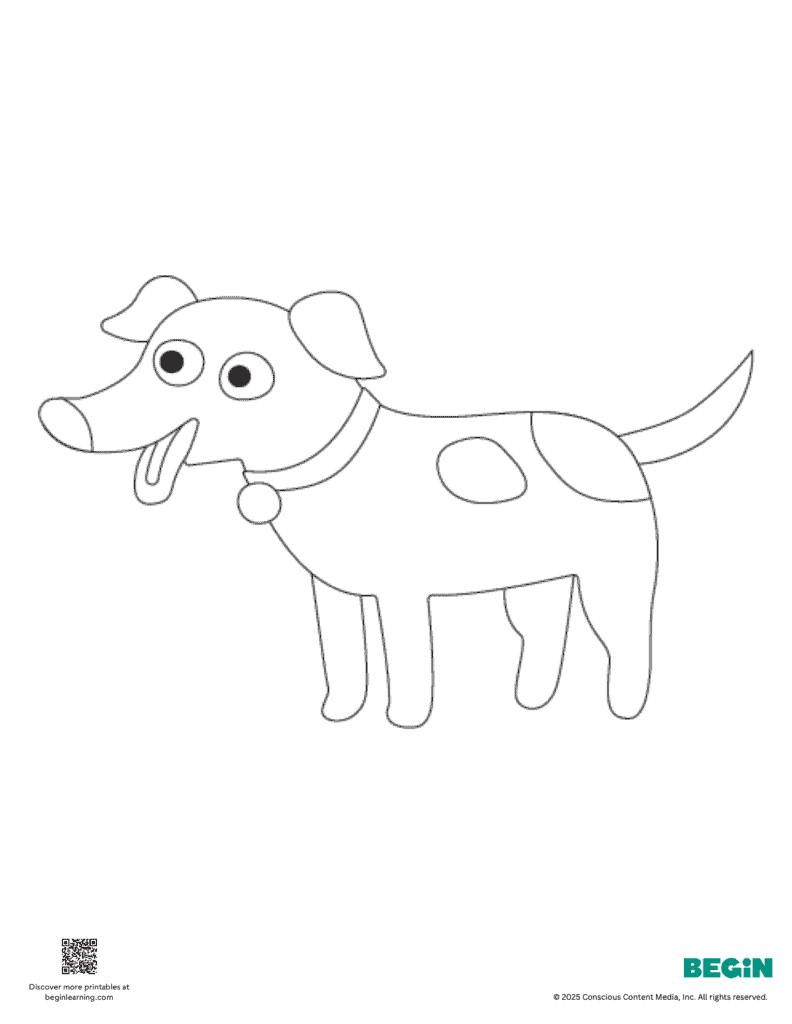
Free printable dog coloring pages for preschool and kindergarten kids. Bold outlines, simple design, ready to print and color.
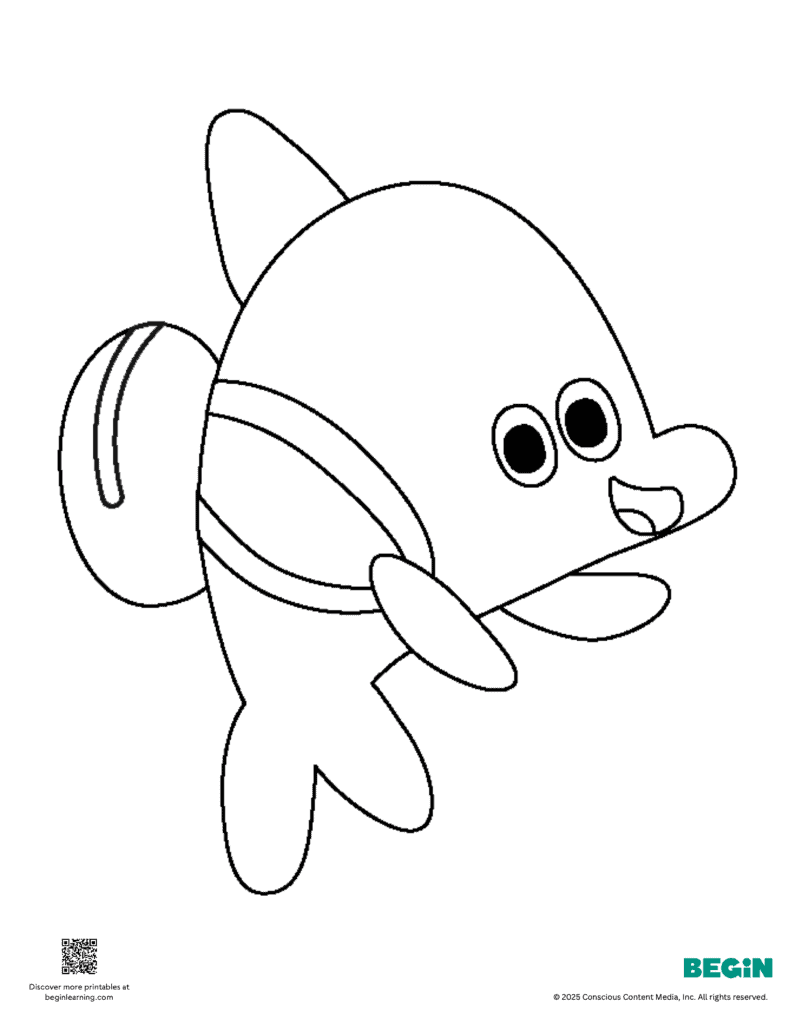
Free printable dolphin coloring pages for preschool and kindergarten kids. Bold outlines, simple design, ready to print and color.
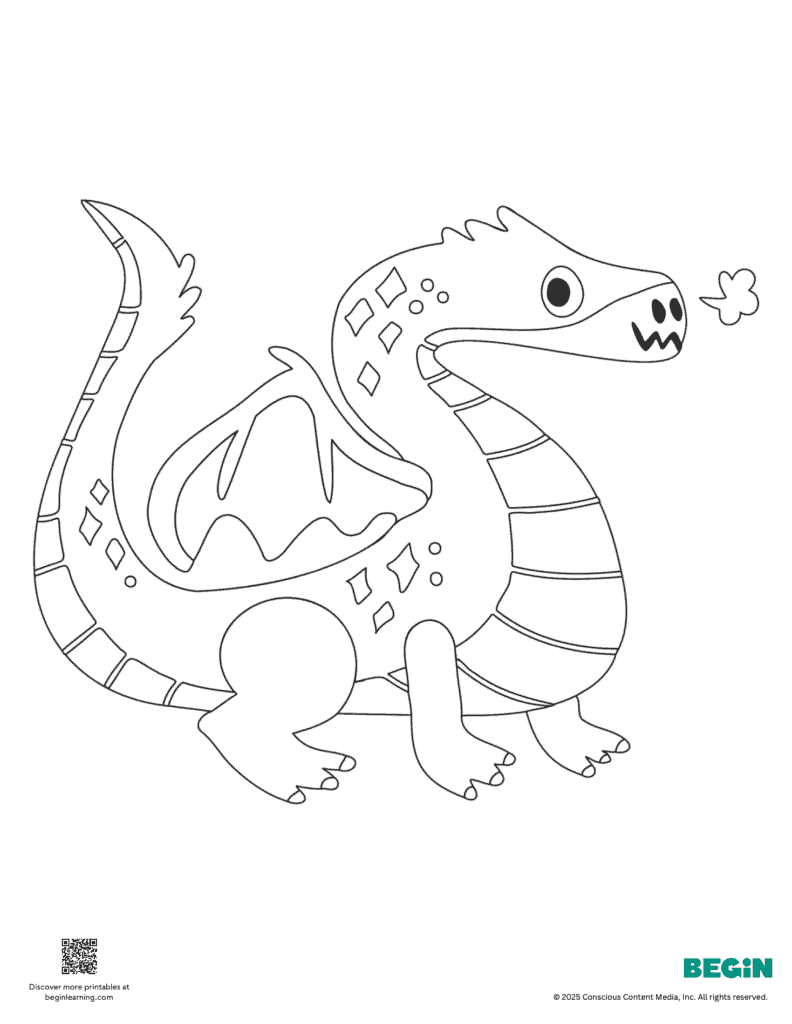
Free printable dragon coloring pages for preschool and kindergarten kids. Bold outlines, simple design, ready to print and color.
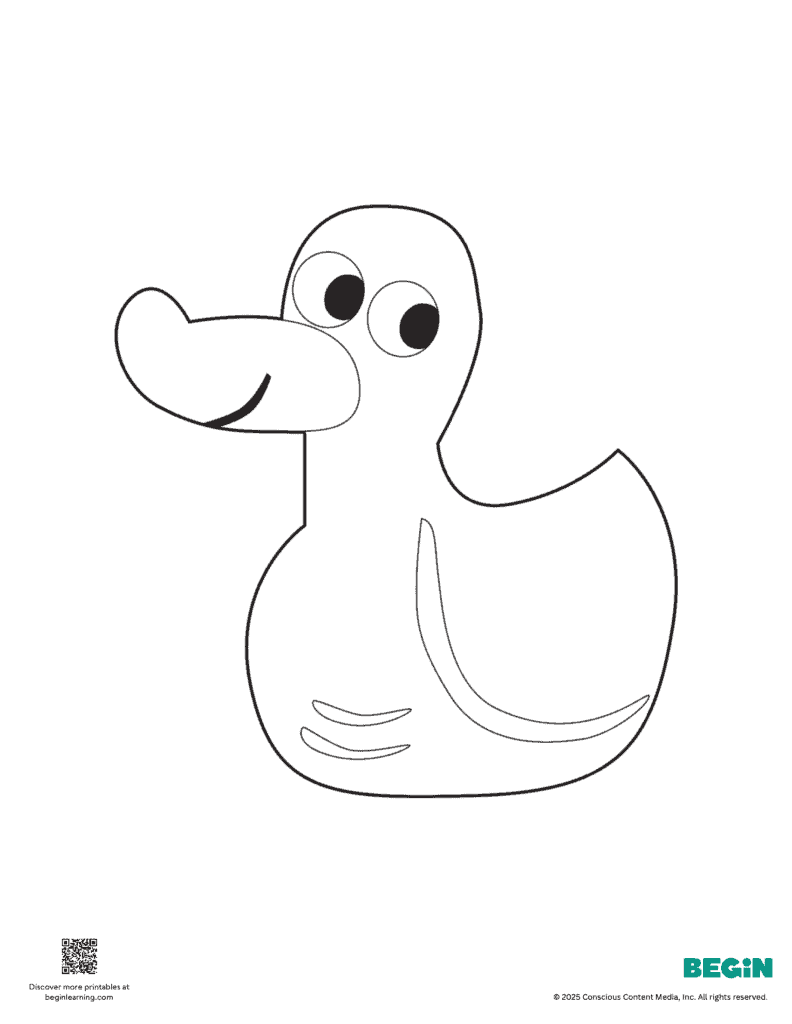
Free printable duck coloring pages for preschool and kindergarten kids. Bold outlines, simple design, ready to print and color.
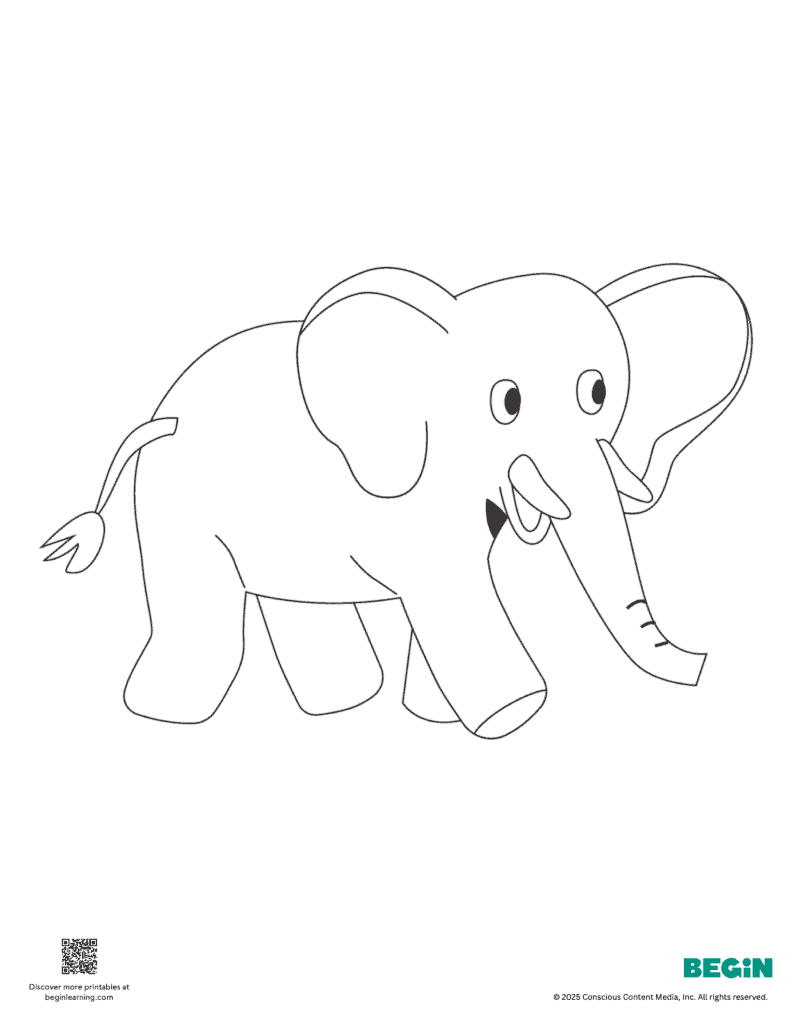
Free printable elephant coloring pages for preschool and kindergarten kids. Bold outlines, simple design, ready to print and color.
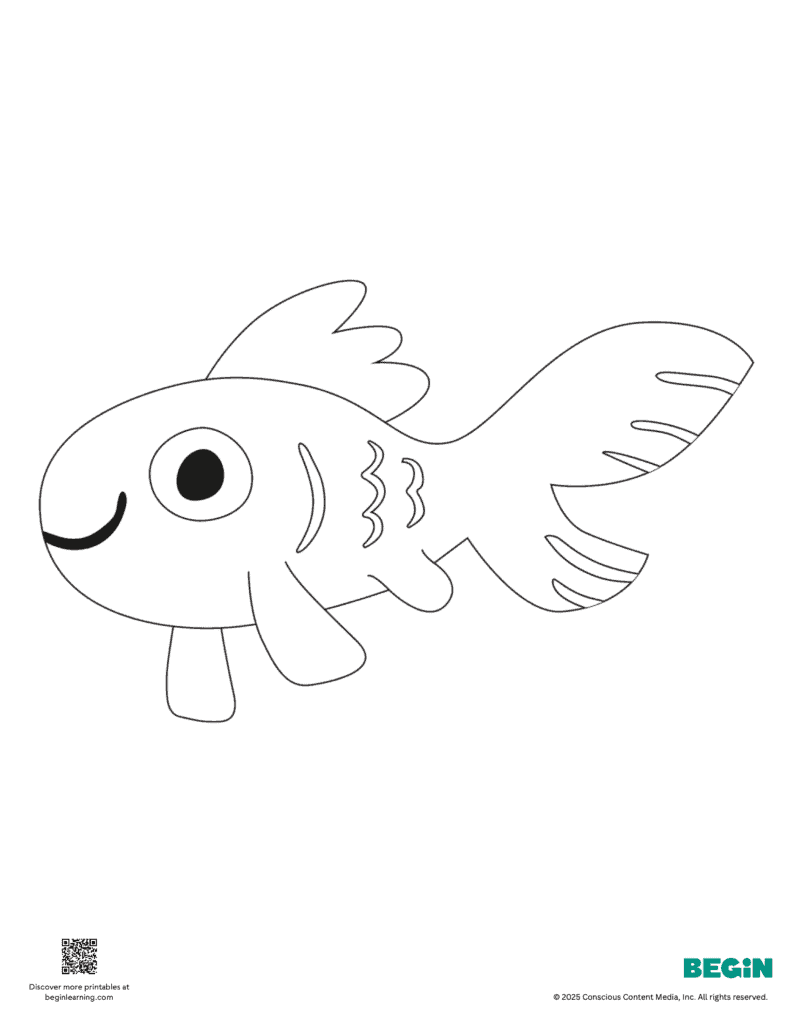
Free printable fish coloring pages for preschool and kindergarten kids. Bold outlines, simple design, ready to print and color.
Our animal coloring pages help kids explore the animal kingdom while building fine motor skills and vocabulary. From familiar pets and barnyard friends to wild creatures and ocean animals, each page gives young children a hands-on way to learn about the animals they love.
Animal coloring pages support learning in multiple ways beyond fine motor development. They build vocabulary as children learn and use animal names, body parts, sounds, and habitats in conversation. Coloring animals reinforces observation skills: children notice details like stripes, spots, wings, or fins as they choose colors and fill in shapes.
For kids learning to categorize, animal pages offer natural sorting opportunities: farm animals versus wild animals, animals with fur versus animals with feathers, animals that swim versus animals that walk. These early classification skills form the foundation for scientific thinking. Animal coloring also encourages storytelling and imaginative play, which supports language development and creativity.
No, and there’s no need to encourage realistic coloring for your child. A pink elephant or a rainbow fish is just as valuable for learning as a traditionally colored one. At this age, creative expression and color exploration matter more than accuracy.
Letting children choose any colors they want builds confidence, decision-making skills, and personal expression. Some children will naturally gravitate toward realistic colors; others will experiment freely, and both approaches are developmentally appropriate.
If your child asks what color an animal “should” be, you can share that information conversationally without making it a rule: “Elephants are usually gray, but you can make yours any color you’d like!” This keeps coloring playful while still building knowledge.
Use coloring time as an opportunity for rich, open-ended conversation. Ask questions that encourage thinking: “Where do you think this animal lives?” “What does this animal eat?” “What sound does it make?” Share interesting facts naturally: “Did you know octopuses have three hearts?” or “Cows can recognize their friends!” Connect animals to your child’s experiences: “Remember when we saw ducks at the park?”.
These conversations build vocabulary, support memory, and deepen your child’s understanding of animals and the natural world. Let your child lead the conversation too. If they start telling stories about the animal, asking questions, or making connections, follow their interest.
The goal is making coloring an interactive learning experience, not a quiz.
Yes, animal coloring pages pair naturally with letter learning. Many animals have names that start with distinct sounds, making them helpful for practicing beginning letter sounds and phonemic awareness.
While your child colors, you can casually make connections: “Cat starts with the /k/ sound. C says /k/.” You can also point out letters in animal names or encourage your child to find other things that start with the same sound.
This works especially well when animal coloring pages align with letter-of-the-week activities. However, keep these connections light and conversational. The primary goal of coloring is creative expression and fine motor development. Letter learning can happen naturally alongside coloring without turning it into a formal lesson.
After coloring, extend the learning through conversation, play, and exploration. Read books about the animal your child just colored. Watch short videos showing the animal in its natural habitat. Visit a zoo, farm, or aquarium to see real animals. Act out the animal’s movements or sounds together.
Create pretend habitats using blocks or household items. Encourage your child to draw the animal again from memory or tell a story about it. These follow-up activities help solidify what your child learned during coloring and show them that learning extends beyond the page. The key is following your child’s interest. If they loved coloring the dolphin, dive deeper into ocean animals. If they were fascinated by the lion, explore more about wild cats.
Yes, coloring pages can actually help children work through animal-related fears in a safe, controlled way. Coloring gives children agency: they’re in control of the animal, choosing its colors and deciding how it looks.
This sense of control can reduce anxiety. Start with animals your child feels comfortable with and gradually introduce others as they’re ready. You can also use coloring time to talk about the animal in reassuring ways: “Bees might seem scary, but they’re important helpers in nature” or “Dogs can be gentle friends when we’re calm around them.” Never force a child to color an animal that genuinely frightens them, but offering the option in a low-pressure way can help some children develop more comfort and curiosity over time.
