Free Printable Backpack Coloring Pages
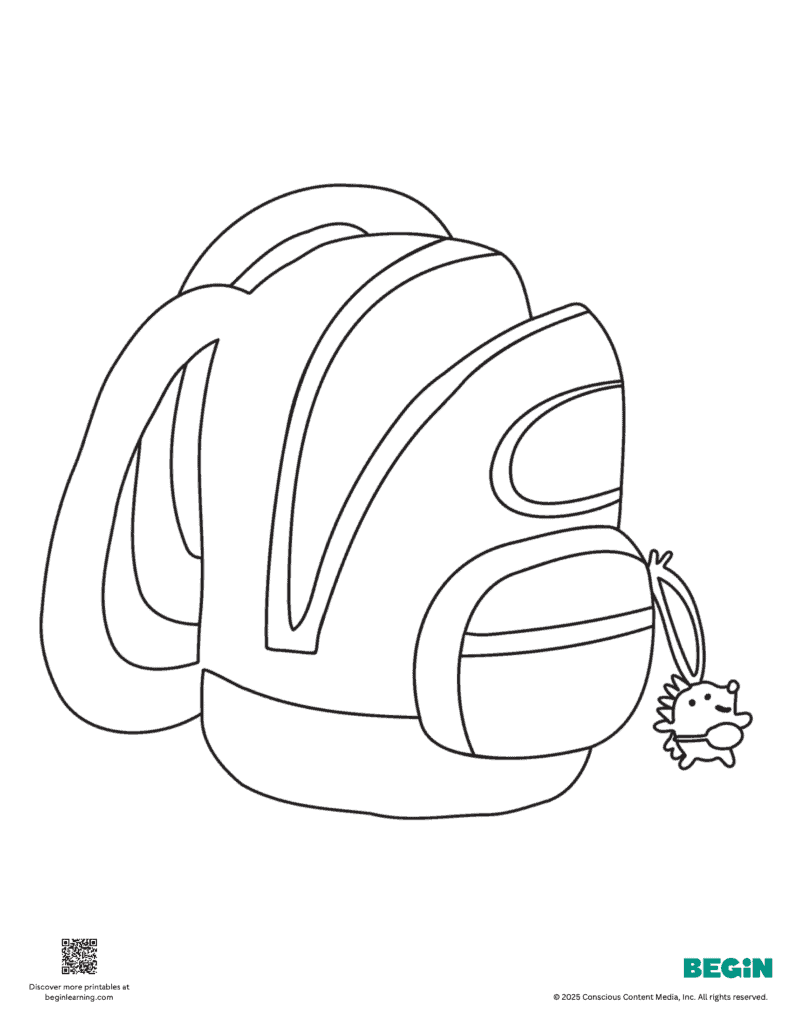
Free printable backpack coloring page for preschool and kindergarten kids. Bold outlines, simple design, ready to print and color.

Free printable backpack coloring page for preschool and kindergarten kids. Bold outlines, simple design, ready to print and color.
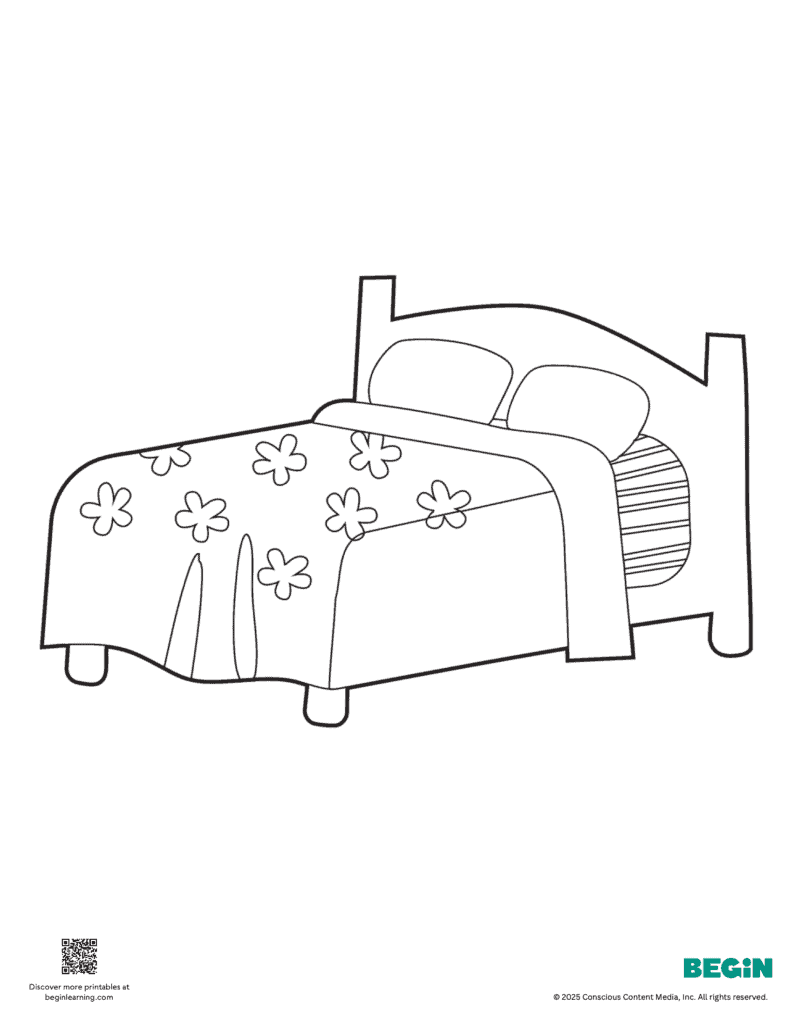
Free printable bed coloring page for preschool and kindergarten kids. Bold outlines, simple design, ready to print and color.
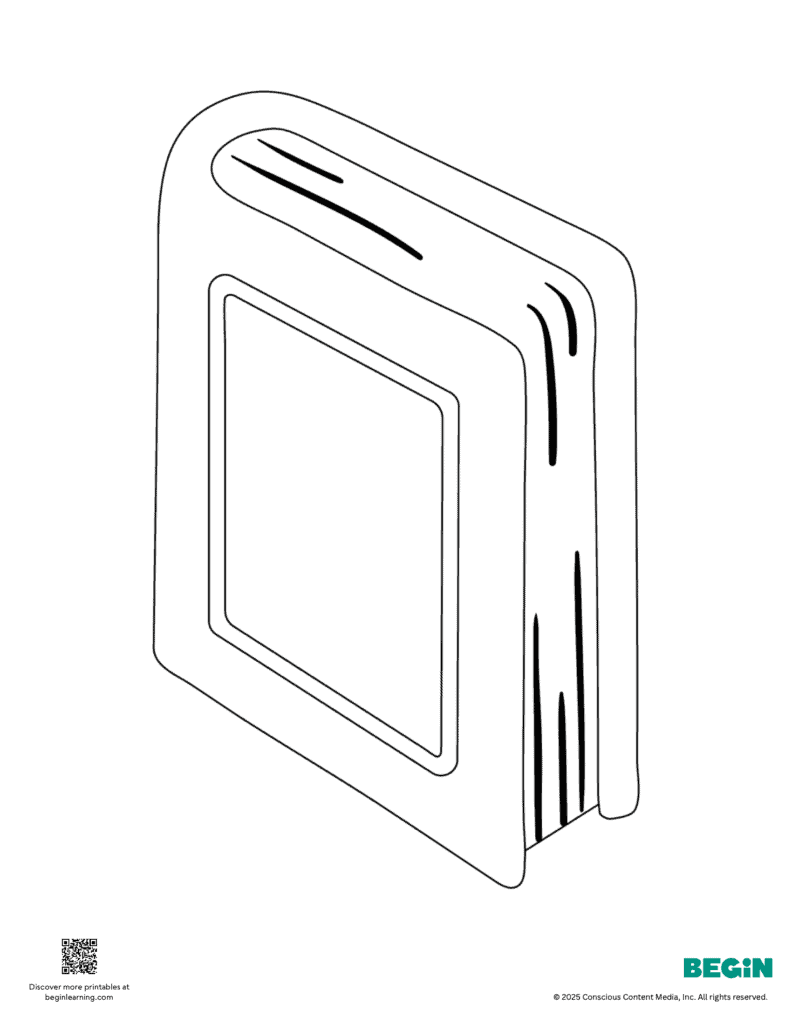
Free printable book coloring page for preschool and kindergarten kids. Bold outlines, simple design, ready to print and color.
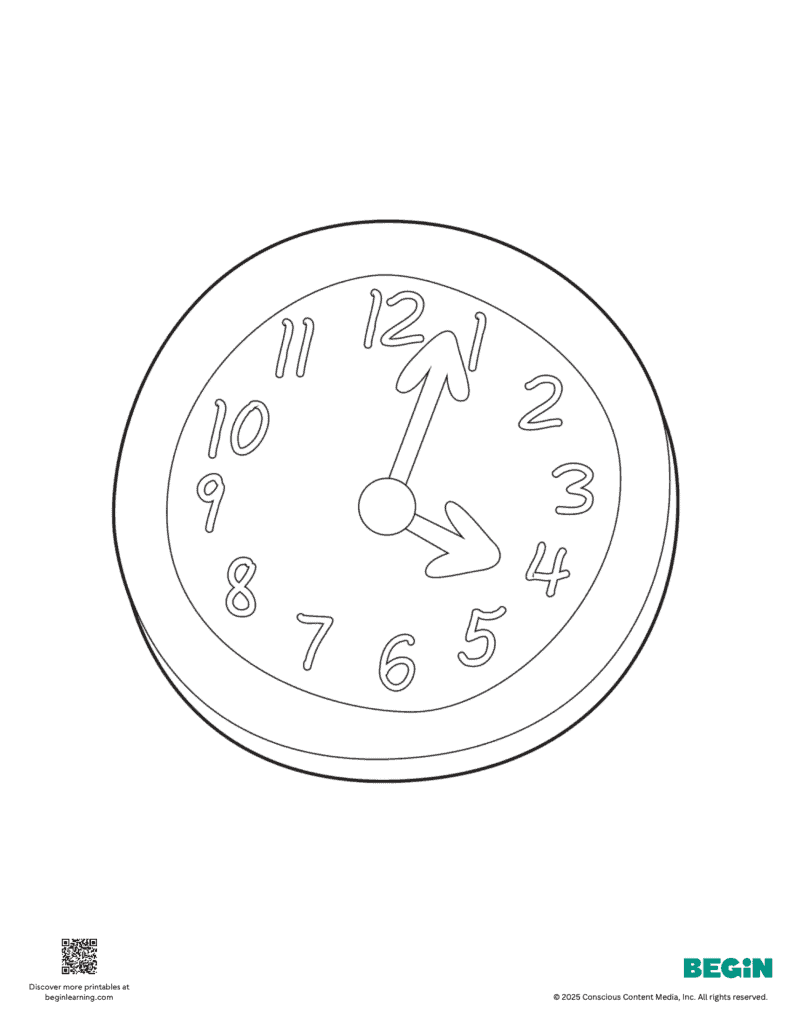
Free printable clock coloring page for preschool and kindergarten kids. Bold outlines, simple design, ready to print and color.
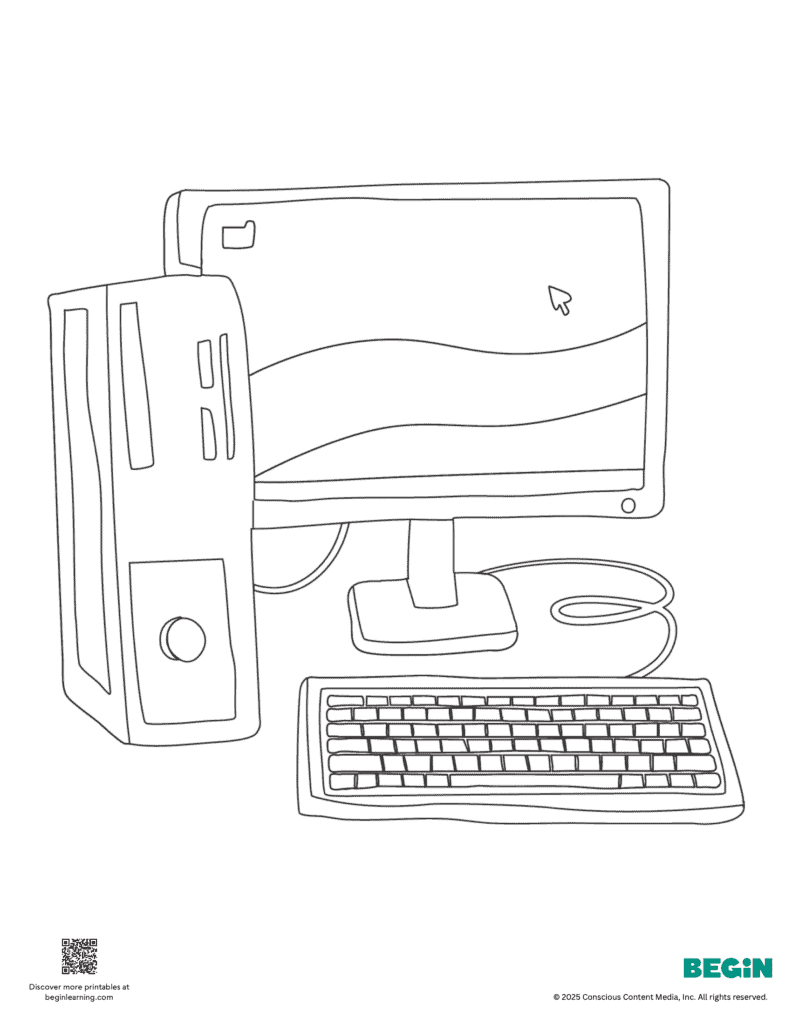
Free printable computer coloring page for preschool and kindergarten kids. Bold outlines, simple design, ready to print and color.
Free printable envelope coloring page for preschool and kindergarten kids. Bold outlines, simple design, ready to print and color.
Free printable folder coloring page for preschool and kindergarten kids. Bold outlines, simple design, ready to print and color.
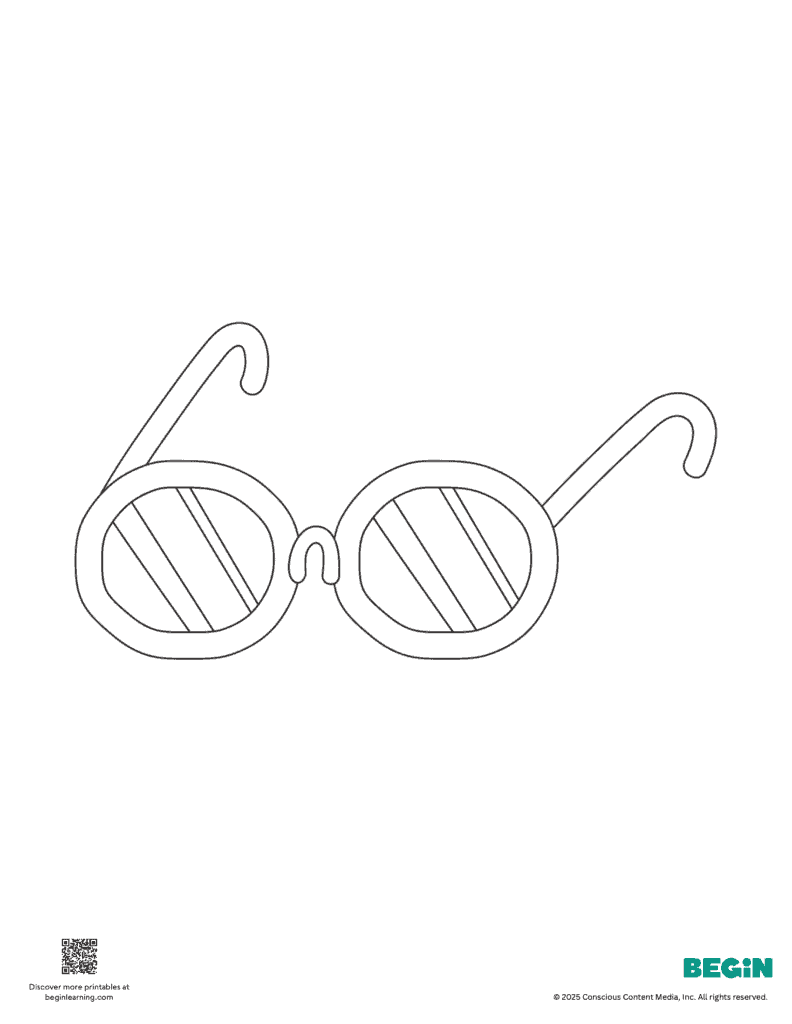
Free printable glasses coloring page for preschool and kindergarten kids. Bold outlines, simple design, ready to print and color.
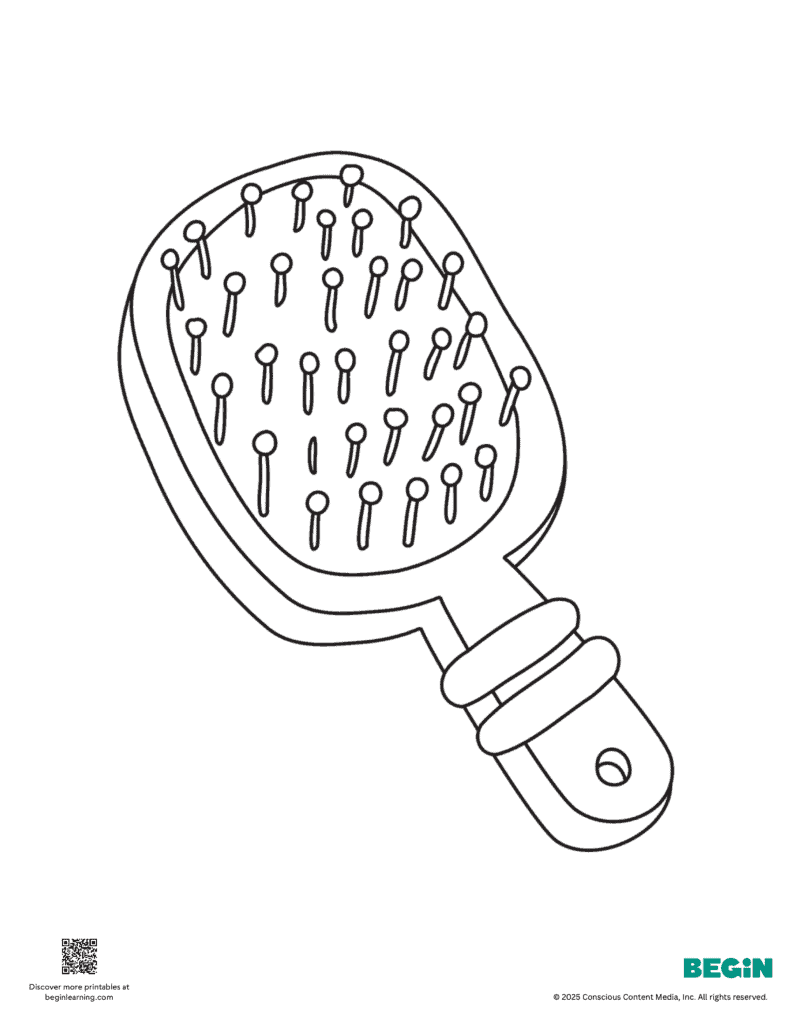
Free printable hair brush coloring page for preschool and kindergarten kids. Bold outlines, simple design, ready to print and color.
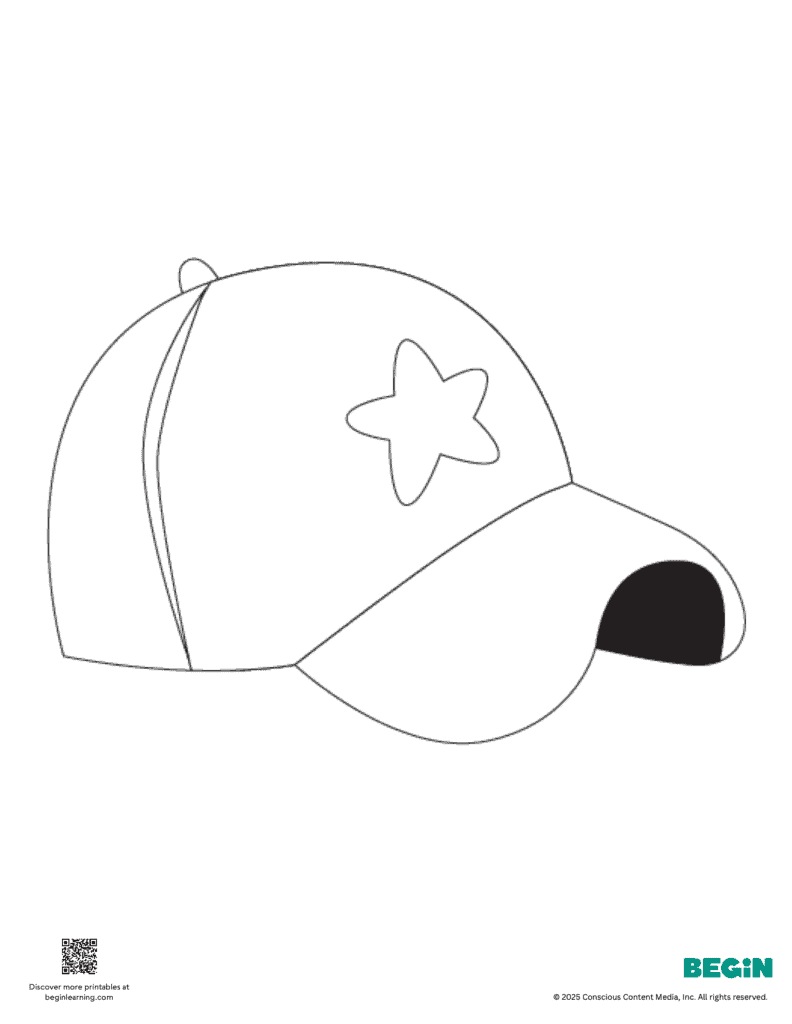
Free printable hat coloring page for preschool and kindergarten kids. Bold outlines, simple design, ready to print and color.
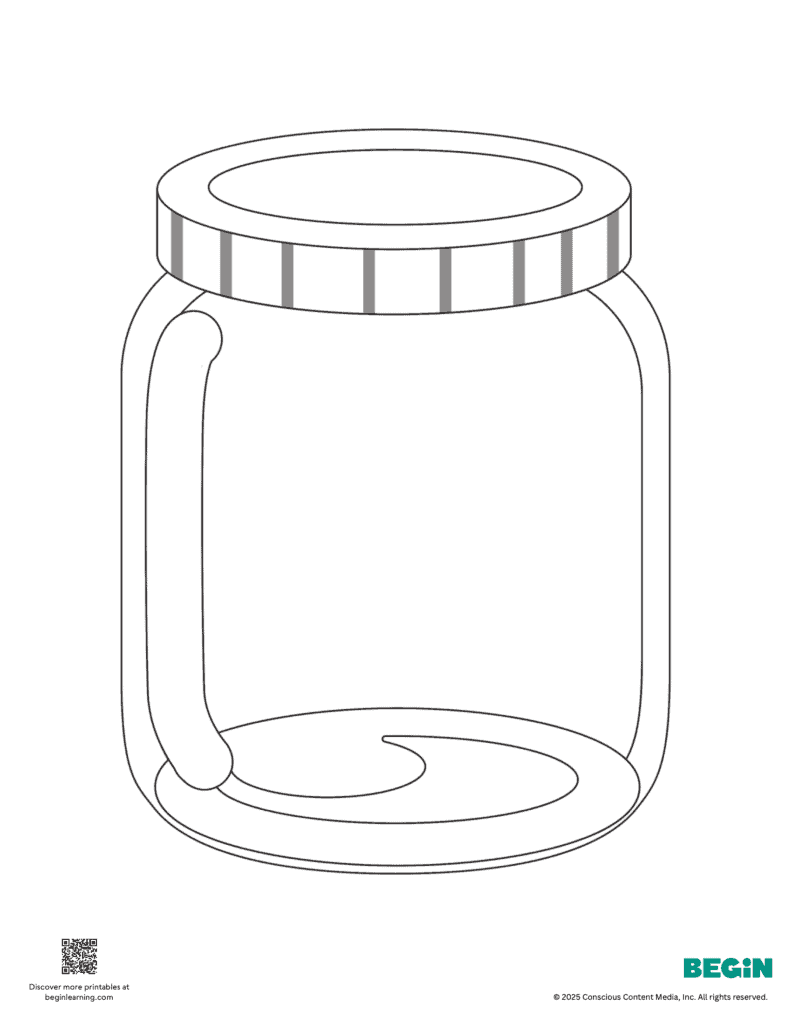
Free printable jar coloring page for preschool and kindergarten kids. Bold outlines, simple design, ready to print and color.
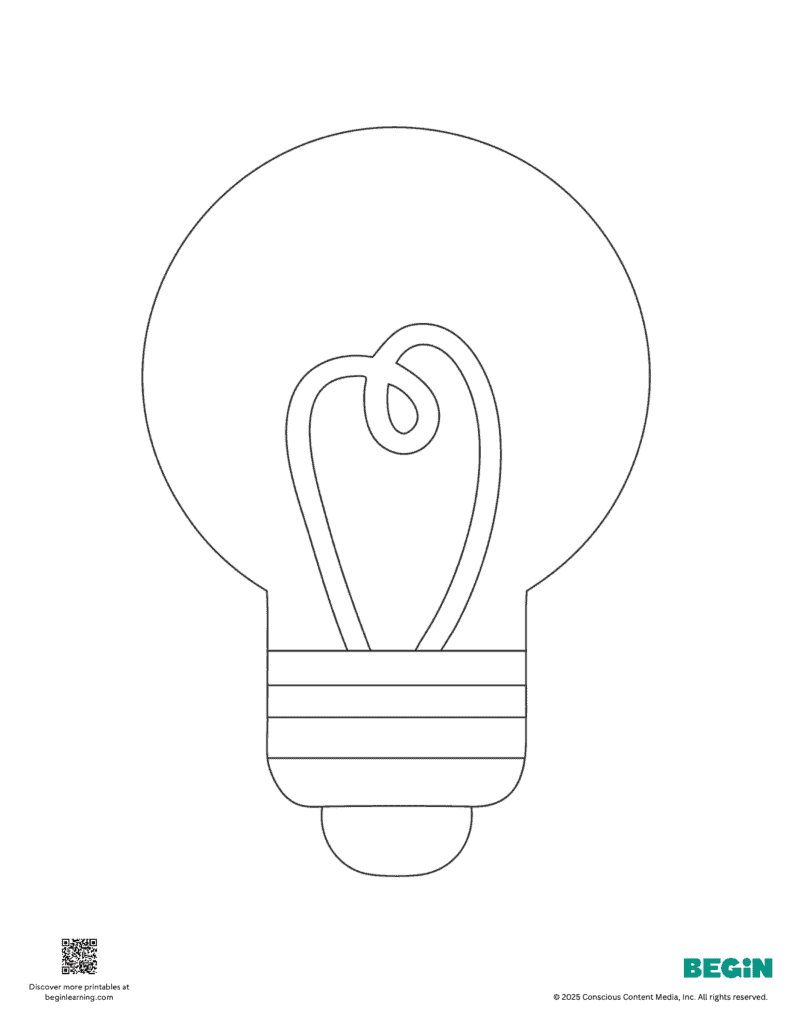
Free printable light bulb coloring page for preschool and kindergarten kids. Bold outlines, simple design, ready to print and color.
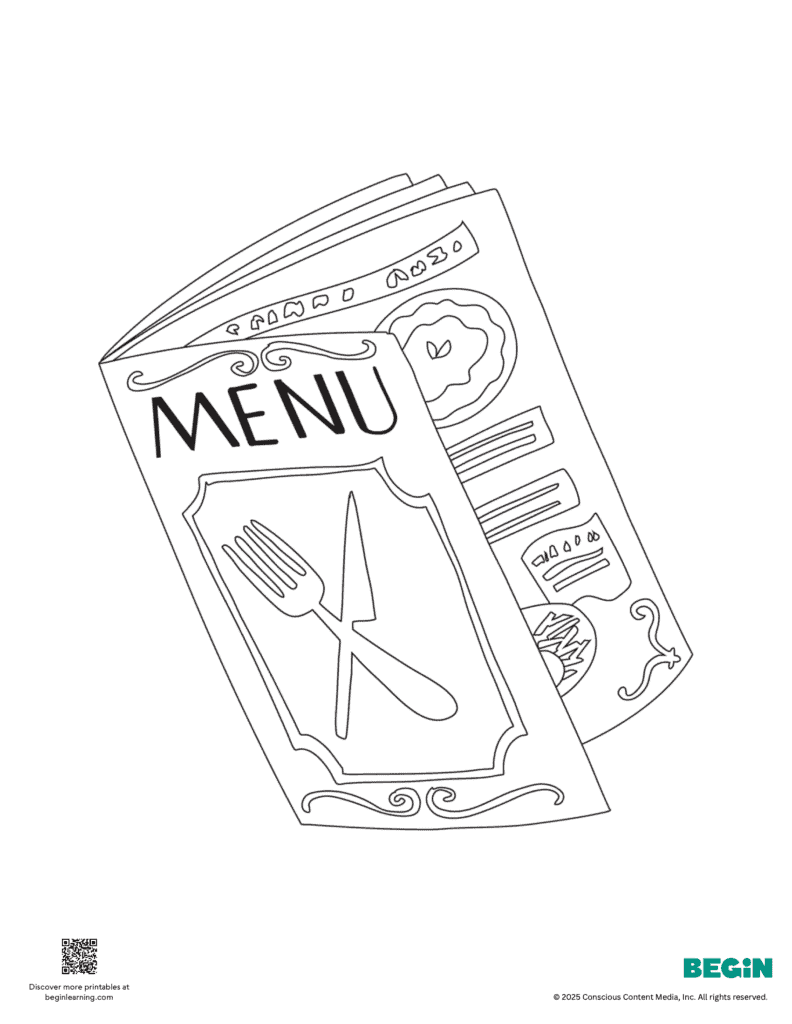
Free printable menu coloring page for preschool and kindergarten kids. Bold outlines, simple design, ready to print and color.
Our everyday objects coloring pages let kids color the things they already know and interact with. From backpack coloring pages and pencil coloring pages to toothbrush coloring pages and clock coloring pages, each sheet features a familiar object in a simple, bold outline designed for preschool and kindergarten age children. Because kids already recognize these items from their daily routines, they can focus on coloring with confidence rather than figuring out what they're looking at.
This collection covers objects kids encounter at home, at school, and out in the world. You’ll find things from the bedroom like bed and pajamas coloring pages, school items like backpack, notebook, folder, and pencil coloring pages, and personal items like shoes, hat, glasses, and hair brush coloring pages. There are also household objects like clock, light bulb, jar, and picture frame coloring pages. Each one features a single object with bold outlines and a simple design that’s easy for young children to color.
These pages work best for children ages 2 to 6. The outlines use bold, clear lines and simple shapes that younger children can fill in with confidence, even if they color outside the edges. Older children can focus on smaller details and experiment with color choices. Because the objects are things kids already recognize, even very young children can feel good about what they’re coloring without needing an adult to explain what it is.
Coloring familiar objects builds fine motor skills the same way animal or vehicle pages do, but it also reinforces vocabulary and daily life concepts. A child coloring a toothbrush or a water bottle is connecting a fun activity to real routines like brushing teeth or packing a bag. That connection strengthens word recognition and helps kids talk about their day with more detail. Coloring these objects also opens the door to simple sorting and categorizing conversations, like things I use at school versus things I use at home, which builds early critical thinking skills.
Everyday objects give children a chance to color things they already know well. That familiarity builds confidence because they don’t need to figure out what they’re looking at before they start. A child who recognizes their own backpack or toothbrush on the page feels an immediate connection to the activity. It also makes coloring time a natural starting point for conversations about routines, responsibility, and independence, like getting dressed, packing for school, or cleaning up, without turning it into a lesson.
Yes. These PDFs are free to print as many copies as you need for classroom or homeschool use. They work especially well with themes like back-to-school, morning routines, “things in my house,” or “things I bring to school.” Teachers can use them as quiet independent activities, fine motor stations during center time, or as a follow-up to a discussion about daily routines and responsibilities. Because each page focuses on a single recognizable object, they’re also easy to pair with a writing prompt or labeling activity for older preschoolers and kindergarteners.
Yes. Each object is a vocabulary-building opportunity. While your child colors, you can name the object and its parts naturally in conversation. A backpack has straps and zippers. A clock has a face, hands, and numbers. A pair of glasses has lenses and frames. These are words kids hear but may not use on their own yet, and coloring gives them a reason to practice. Keeping it conversational works best. Name things as they come up rather than quizzing your child, and let them repeat or ask questions at their own pace.
