Free Printable Letter “A” Coloring Pages
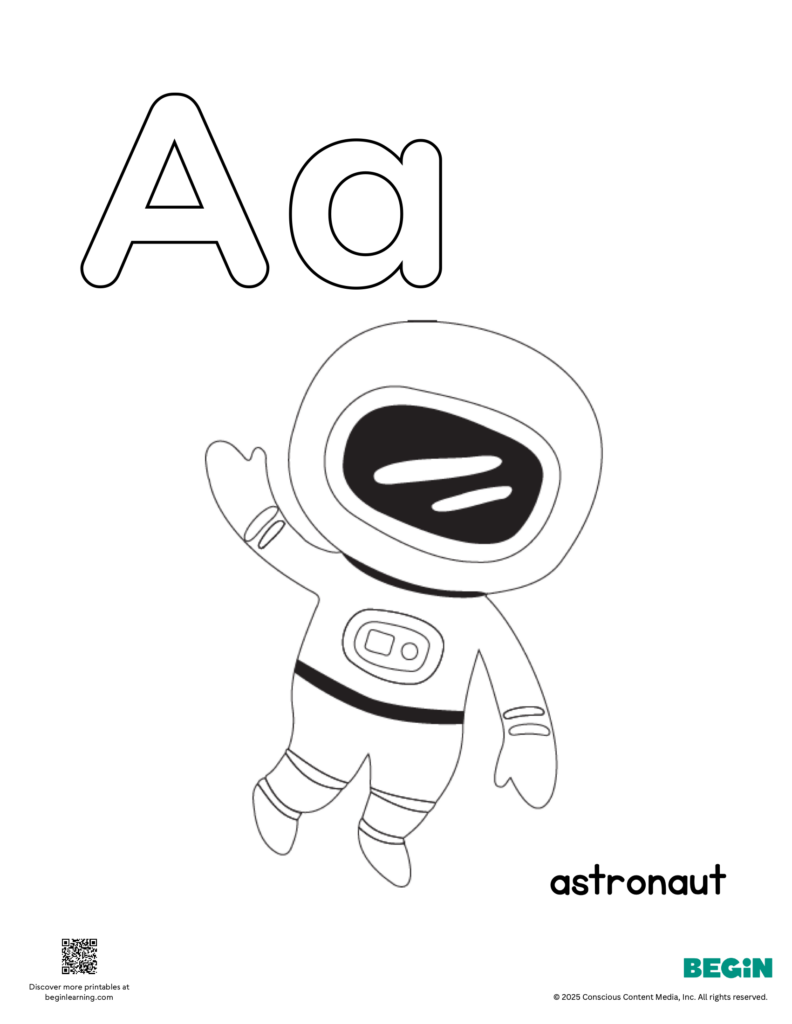
Free printable letter “A” coloring pages for preschool and kindergarten. Help your child learn letter recognition and fine motor skills through coloring.

Free printable letter “A” coloring pages for preschool and kindergarten. Help your child learn letter recognition and fine motor skills through coloring.
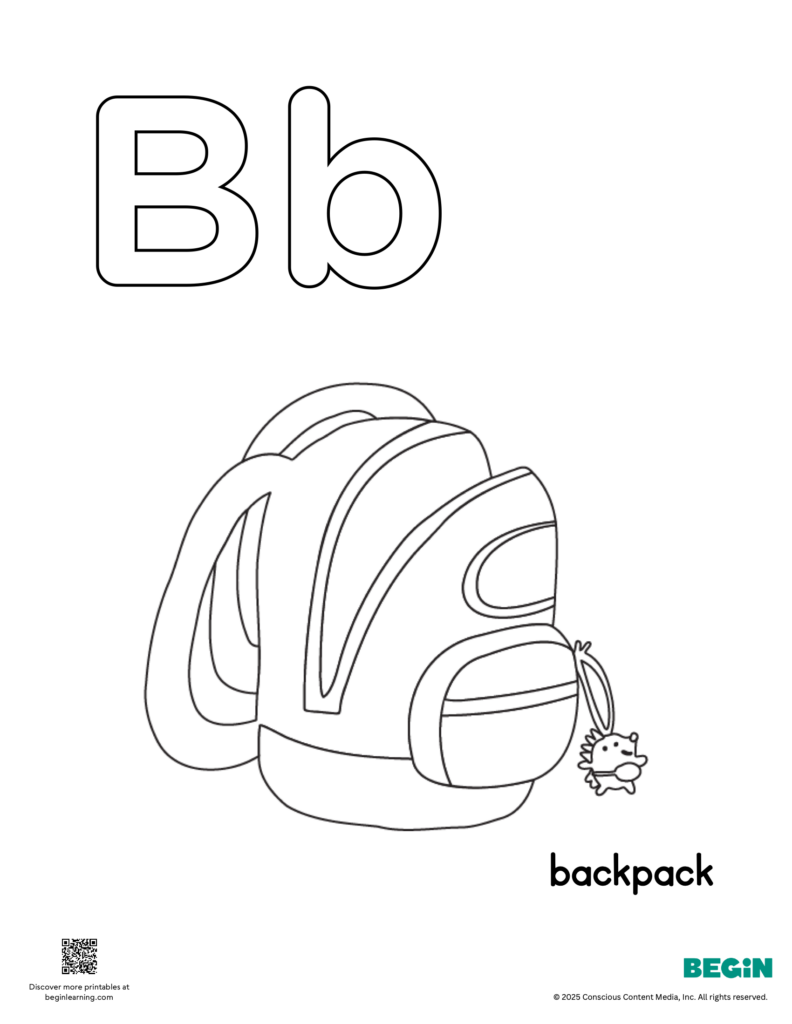
Free printable letter “B” coloring pages for preschool and kindergarten. Help your child learn letter recognition and fine motor skills through coloring.
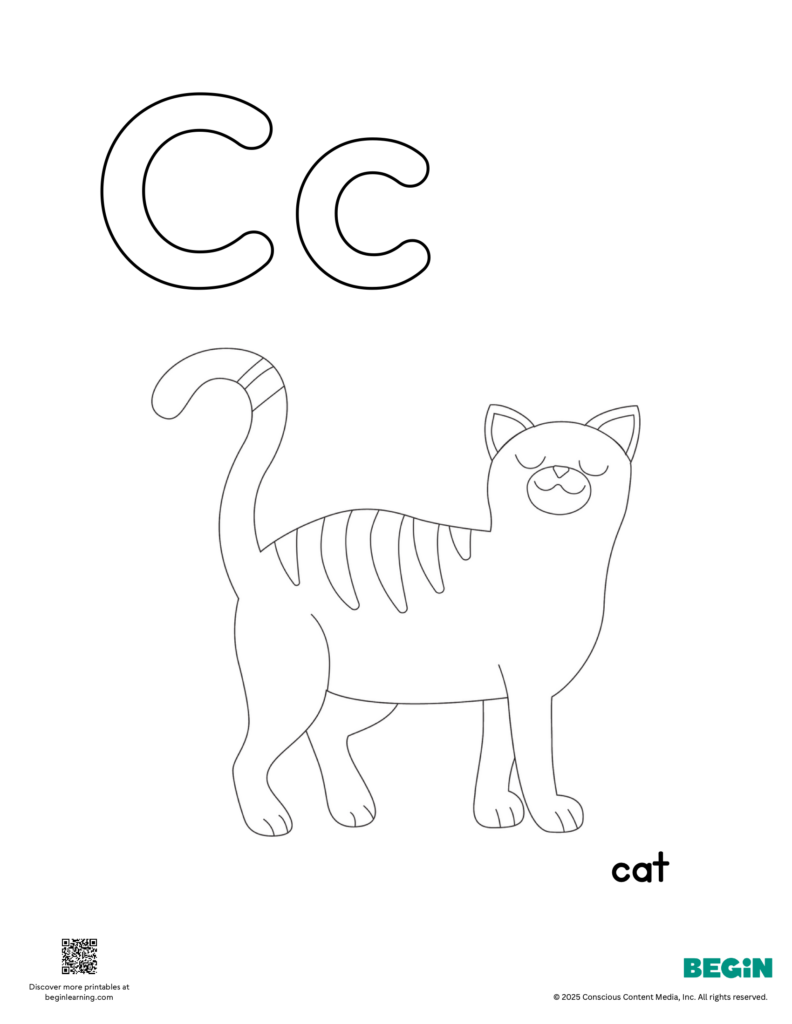
Free printable letter “C” coloring pages for preschool and kindergarten. Help your child learn letter recognition and fine motor skills through coloring.

Free printable letter “D” coloring pages for preschool and kindergarten. Help your child learn letter recognition and fine motor skills through coloring.
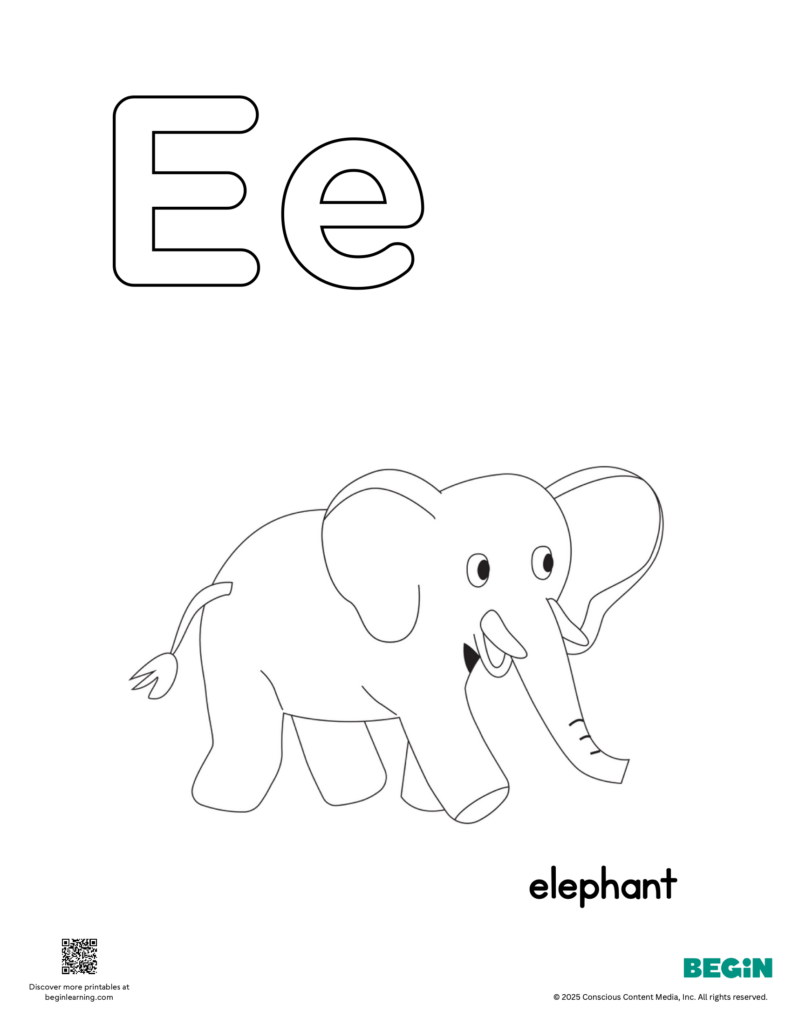
Free printable letter “E” coloring pages for preschool and kindergarten. Help your child learn letter recognition and fine motor skills through coloring.
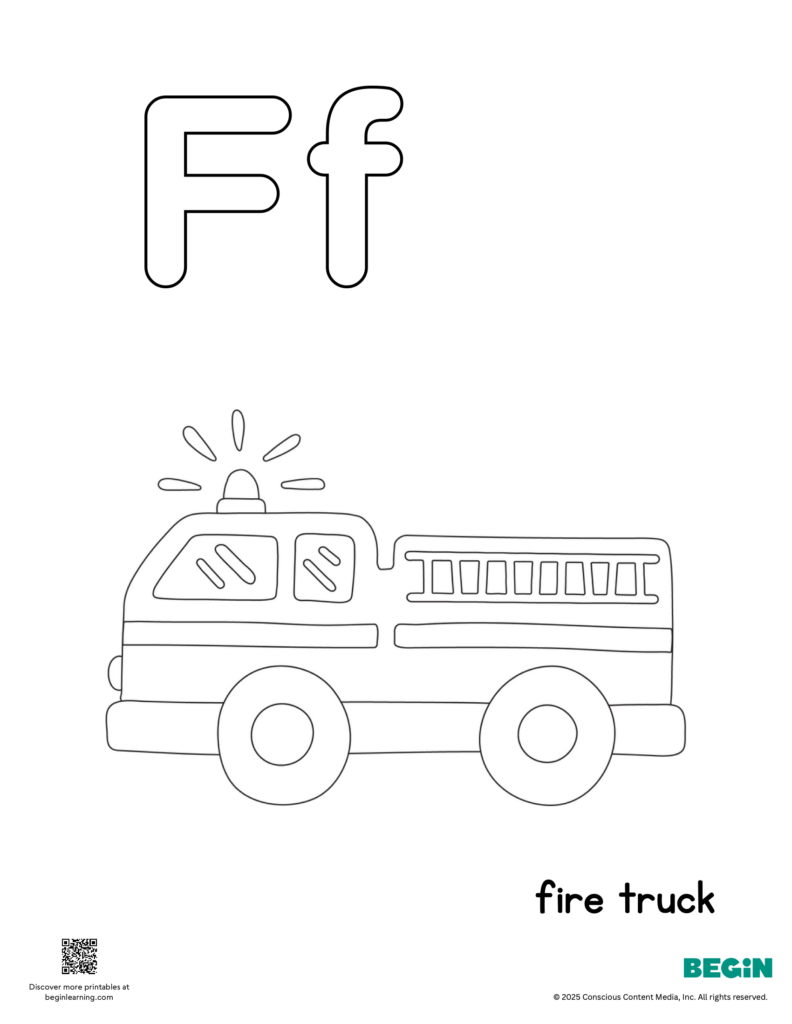
Free printable letter “F” coloring pages for preschool and kindergarten. Help your child learn letter recognition and fine motor skills through coloring.

Free printable letter “G” coloring pages for preschool and kindergarten. Help your child learn letter recognition and fine motor skills through coloring.

Free printable letter “H” coloring pages for preschool and kindergarten. Help your child learn letter recognition and fine motor skills through coloring.
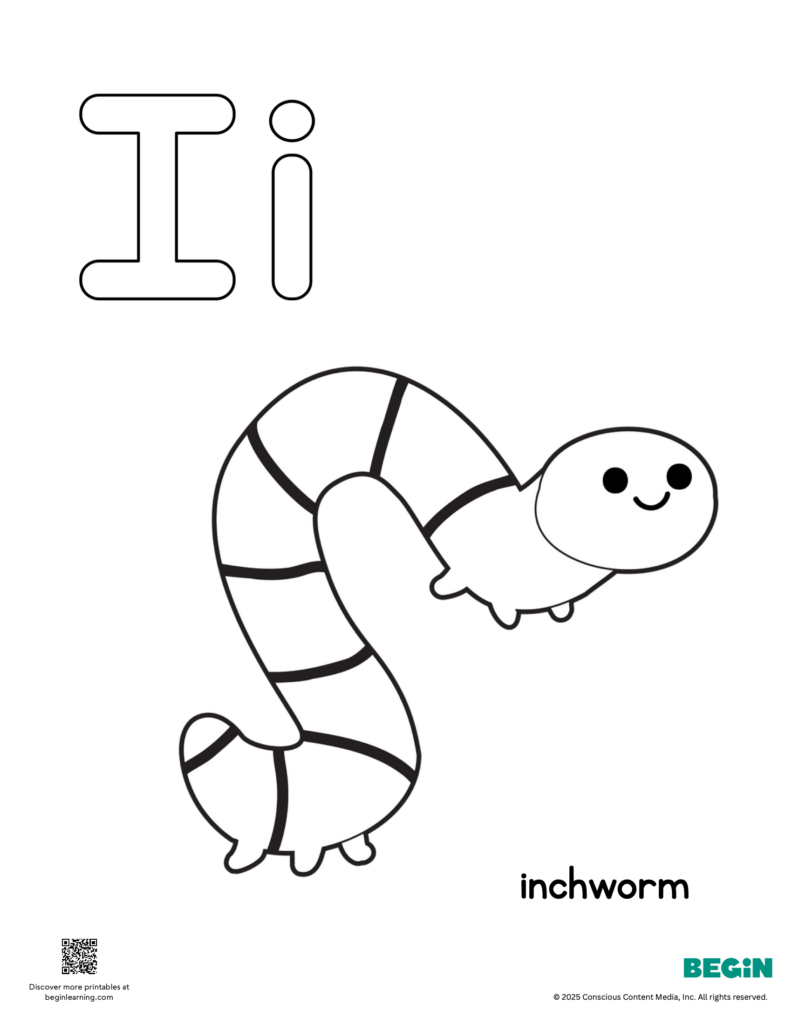
Free printable letter “I” coloring pages for preschool and kindergarten. Help your child learn letter recognition and fine motor skills through coloring.
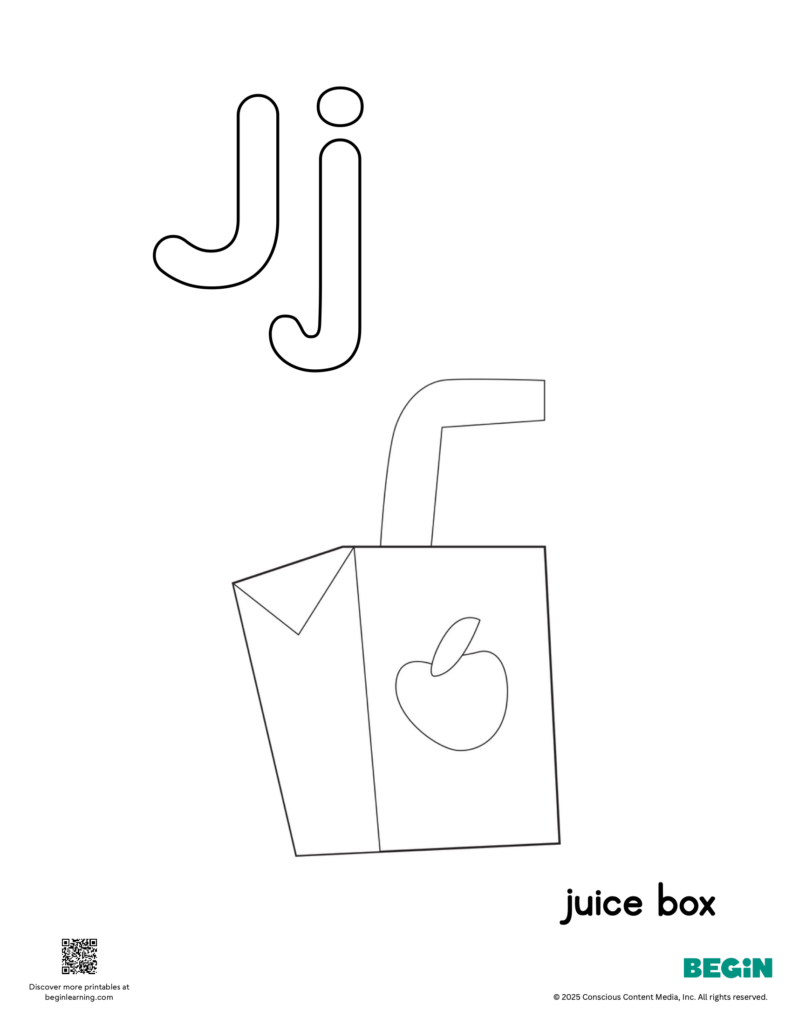
Free printable letter “J” coloring pages for preschool and kindergarten. Help your child learn letter recognition and fine motor skills through coloring.
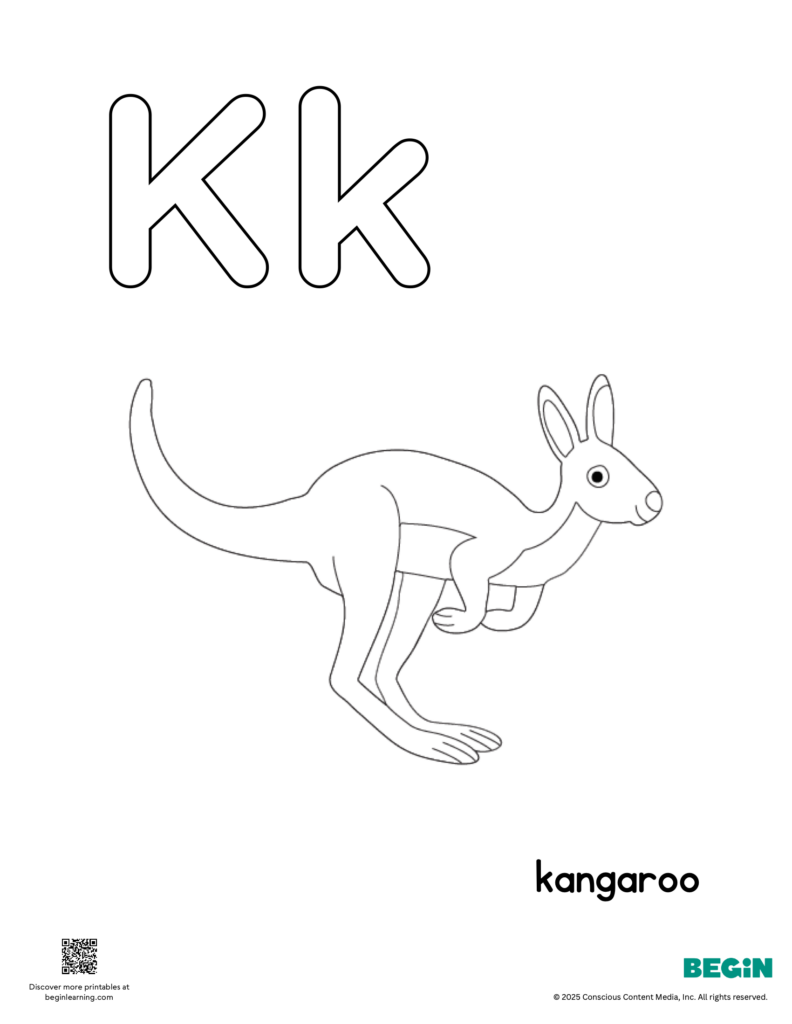
Free printable letter “K” coloring pages for preschool and kindergarten. Help your child learn letter recognition and fine motor skills through coloring.
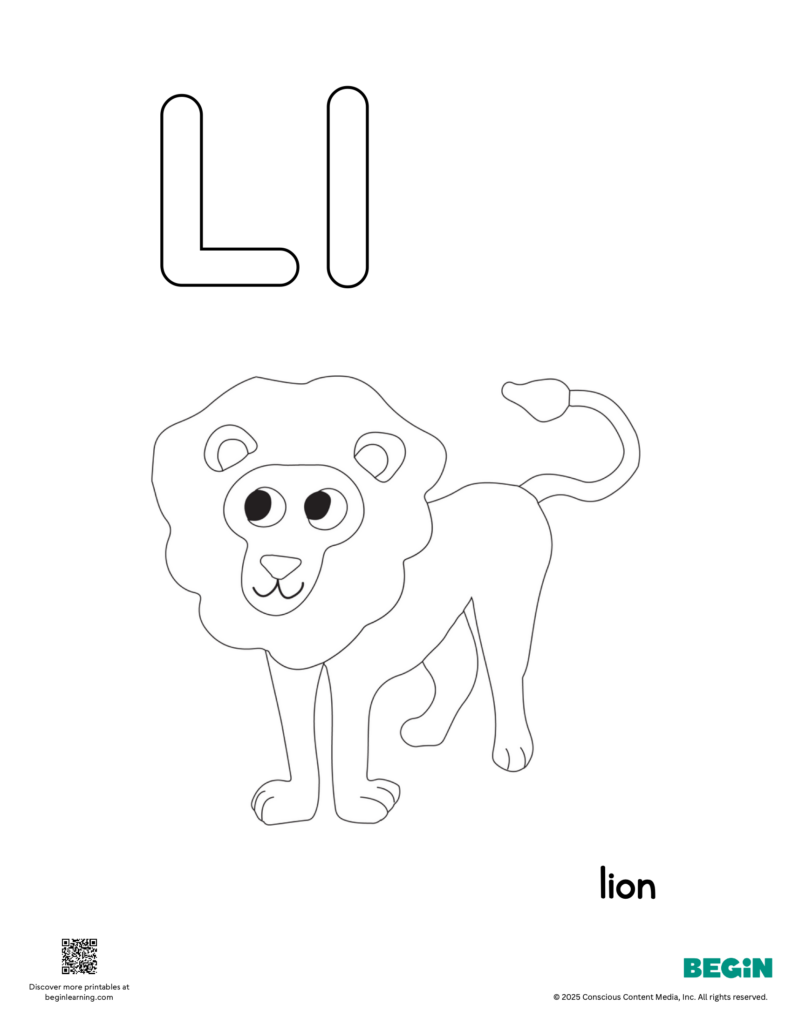
Free printable letter “L” coloring pages for preschool and kindergarten. Help your child learn letter recognition and fine motor skills through coloring.
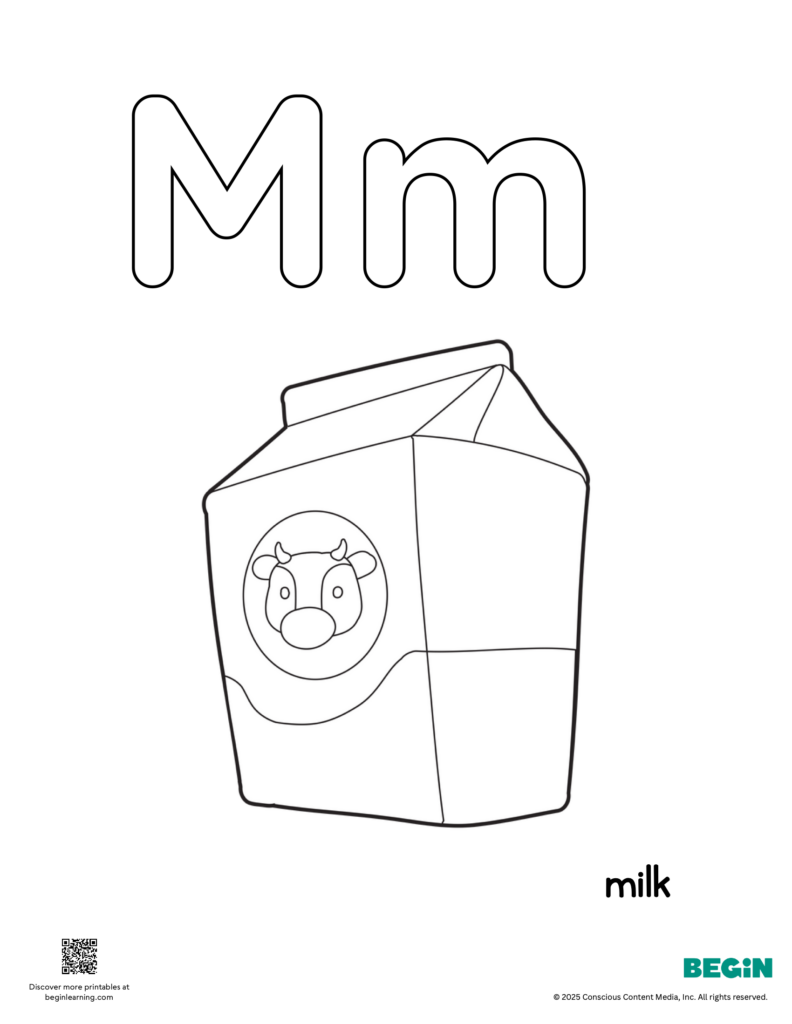
Free printable letter “M” coloring pages for preschool and kindergarten. Help your child learn letter recognition and fine motor skills through coloring.
Our alphabet coloring pages help young learners build letter recognition and fine motor skills through creative, hands-on practice. With clear letterforms and engaging images, children explore the alphabet while developing the control and focus needed for future writing success.
Coloring letters helps children slow down and pay close attention to letter shapes, which strengthens recognition and memory. As kids color, they trace the contours of each letter with their eyes and hands, noticing details like curves, lines, and angles. This focused attention helps letters stick in their minds more effectively than passive viewing alone.
Coloring also builds the fine motor control and hand strength children need for writing. Holding crayons, staying within boundaries, and applying steady pressure all develop the same small muscles used in pencil grip and letter formation.
Beyond the physical benefits, coloring makes letter learning feel creative and enjoyable rather than like a chore, which keeps children engaged and curious about the alphabet.
Coloring pages reinforce letter recognition by giving children extended, focused time with each letter’s shape. Unlike quick flashcard exposure, coloring requires kids to observe a letter carefully for several minutes, noticing its unique features and structure. This sustained attention helps the brain form stronger connections between the letter’s visual form and its name.
When coloring pages pair letters with images, children also begin connecting letters to their sounds and real-world meaning, which supports early phonics development. The repetition of coloring multiple letters over time builds familiarity across the entire alphabet, making letter identification faster and more automatic.
Most children are ready for letter coloring activities between ages 3 and 5, though readiness varies widely. Look for signs like interest in letters, ability to hold a crayon with some control, and willingness to sit and focus on a coloring activity for a few minutes. If your child scribbles freely, shows curiosity about letters in books or signs, or asks about the alphabet, they’re likely ready to explore letter coloring.
Don’t worry if your child colors outside the lines or uses unconventional colors. The goal at this stage is exploration and building comfort with letters, not perfection. Some children will be ready earlier; others need more time. Follow your child’s interest and readiness rather than age alone.
Yes, saying the letter name (and sound) while coloring strengthens learning through multi-sensory engagement. When children see the letter, say its name, and move their hand to color it, they’re using sight, sound, and touch together, which helps the brain form stronger memory connections.
Some children will naturally talk while they color; others prefer quiet focus, and that’s fine too. If your child resists saying letters aloud, don’t push, simply name the letters yourself as you watch them work. Over time, hearing you name letters repeatedly will support their recognition even without active participation.
Consistency matters more than duration. Offering letter coloring activities 2-3 times per week for 5-10 minutes keeps practice regular without overwhelming young learners. Some children will want to color longer, and that’s wonderful: follow their interest. Others may lose focus quickly, and shorter sessions work better.
Avoid turning coloring into a daily requirement or making it feel like homework. When children associate letters with creativity and choice rather than obligation, they stay more engaged and develop healthier attitudes toward learning.
Coloring pages and handwriting practice serve different but complementary purposes. Coloring builds letter recognition, visual attention to detail, and fine motor strength, all essential foundations for writing.
However, coloring doesn’t teach letter formation, stroke order, or the specific movements needed to write. Think of coloring as preparation and support for writing, not a replacement. Children benefit from both activities at different stages. Coloring is often more accessible for younger learners who aren’t yet ready for the precision of tracing or writing.
As children develop, you can introduce writing practice alongside coloring, using each activity to reinforce different skills. Together, they create a well-rounded approach to letter learning.
