Free Kindergarten Letter Tracing Worksheets

Printable Uppercase & Lowercase Letter Tracing Practice

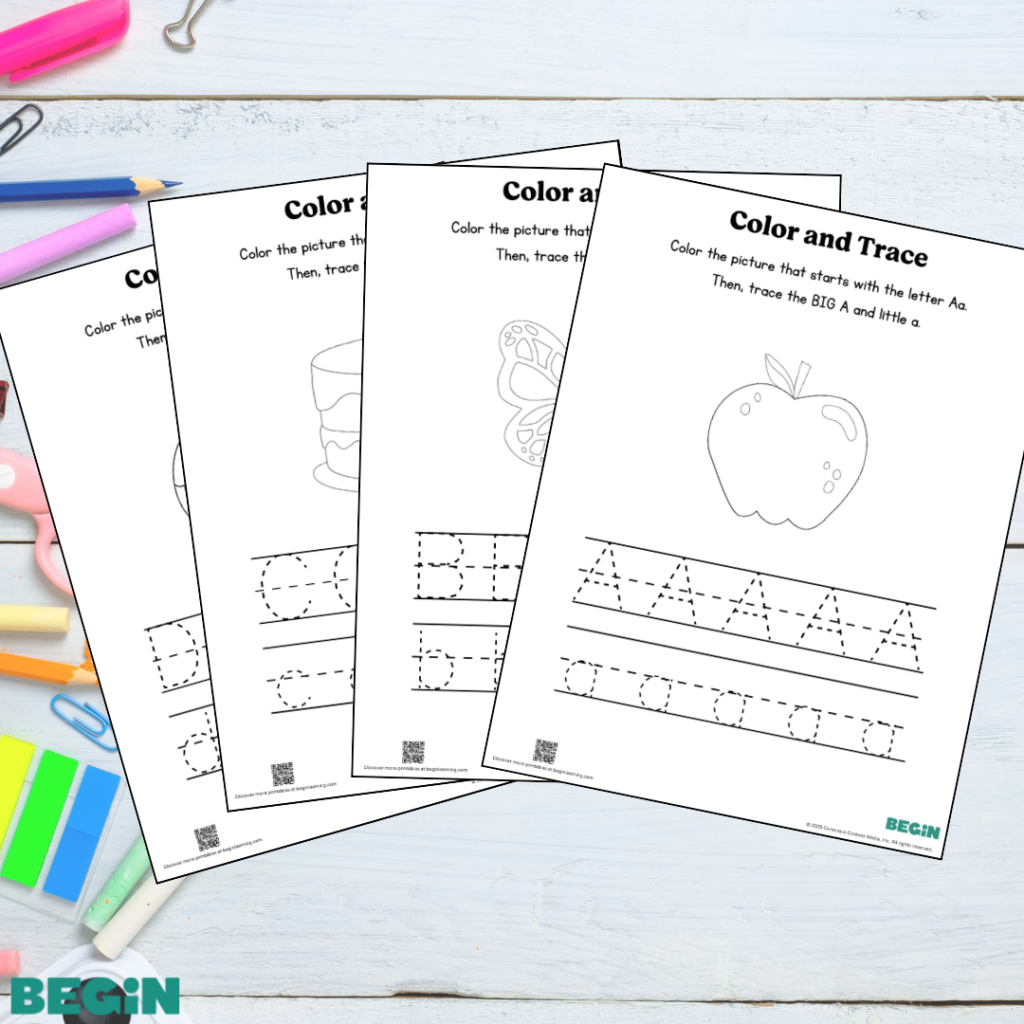
Our kindergarten letter tracing worksheets help young learners build strong handwriting and letter recognition skills. With guided strokes and repeat practice, kids gain confidence forming uppercase and lowercase letters.

Frequently Asked Questions (FAQs)

Why is letter tracing important for young learners?

K
L

Letter tracing helps children develop the foundational skills they need for reading and writing. Tracing supports fine motor skill development, helps kids remember and recognize letter shapes, and teaches them how letters are formed.

As kids trace, they also learn to control a pencil, follow left-to-right directionality, and distinguish letter shapes, all while building the muscle memory required for fluent handwriting. More than just a writing activity, tracing is an essential step in building pre-literacy skills.

How do I know if my child is ready to trace letters?

K
L

Readiness signs include interest in letters, ability to hold a crayon or pencil with control, and the ability to draw basic shapes. If your child is asking about letters, pretending to write, or copying lines and circles, it’s a good time to introduce tracing worksheets in a fun and encouraging way.

How can I help my child get ready to trace letters?

K
L

Before jumping into worksheets, it’s important to build hand strength and control. Activities like playing with clay, stringing beads, using tongs to pick up objects, or drawing with thick crayons all help strengthen the small muscles in hands and fingers that children need to trace letters smoothly and confidently.

Which should come first: uppercase or lowercase letters?

K
L

We recommend starting with uppercase letters. They use simpler lines and are typically easier for young learners to form. Capital letters are also all the same height, making them less confusing to write.

Lowercase letters are essential for reading but can be introduced gradually once your child feels comfortable and consistent with uppercase letters. Since most of the text kids will read uses lowercase letters, they’ll need both – but starting with uppercase builds confidence first.

What role does letter tracing play in learning to read?

K
L

Tracing helps children connect the shape of a letter to its name and sound – a key part of phonemic awareness. When kids trace and say the letter sound at the same time, they’re using multisensory learning (sight, touch, hearing) which helps them remember better.

This direct connection between what letters look like and how they sound is a powerful step toward reading success.

How often should children practice letter tracing?

K
L

Consistency is more important than volume. Just 5 to 10 minutes of tracing practice 2-3 times per week is enough to build fluency over time. Focusing on one or two letters each week allows children to build mastery without feeling rushed. For kindergarten learners, short, regular practice sessions work best.

What are some ways to make letter tracing fun?

K
L

Use rainbow tracing (multiple colors), finger tracing, or dry-erase markers to keep things engaging. Add in sensory materials like sand or shaving cream, or encourage your child to “air write” letters using large arm movements. Praise effort and let kids explore. When tracing is playful, learning sticks.

K
L
K
L
K
L