Free Printable Airport Scavenger Hunt For Kids
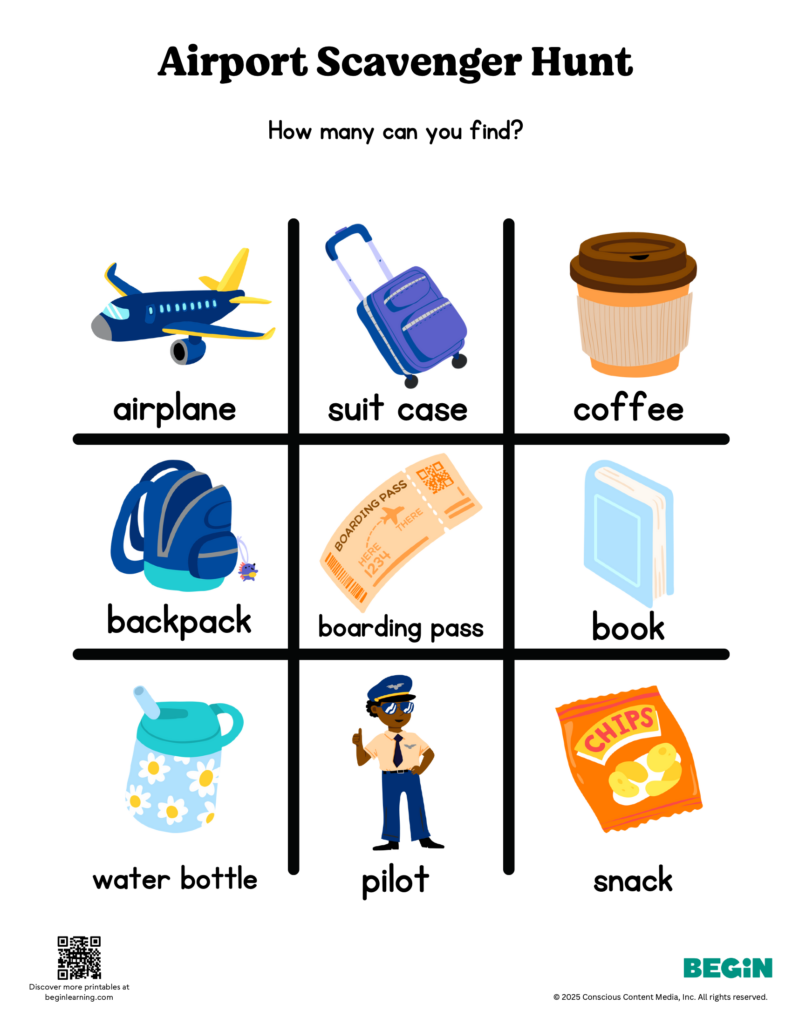
Download a free printable airport scavenger hunt for kids. Build vocabulary, observation, and early thinking skills through fun, themed exploration at home or on the go.

Download a free printable airport scavenger hunt for kids. Build vocabulary, observation, and early thinking skills through fun, themed exploration at home or on the go.
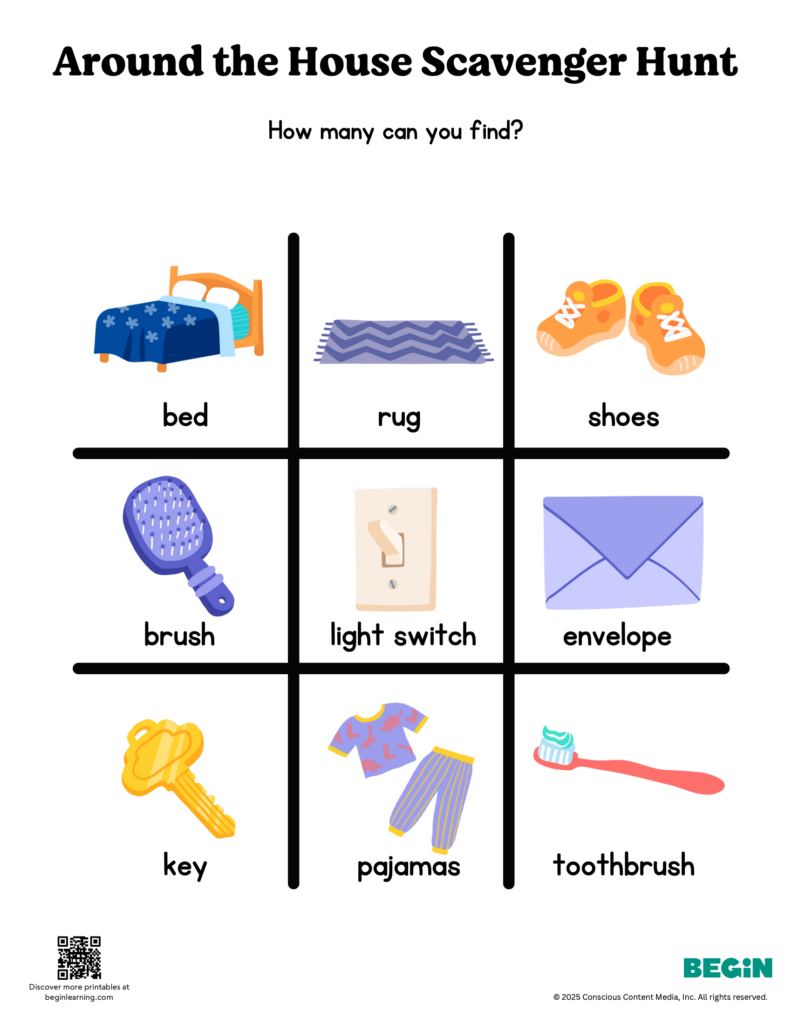
Download a free printable around the house scavenger hunt for kids. Build vocabulary, observation, and early thinking skills through fun, themed exploration at home or on the go.
Download a free printable car scavenger hunt for kids. Build vocabulary, observation, and early thinking skills through fun, themed exploration at home or on the go.
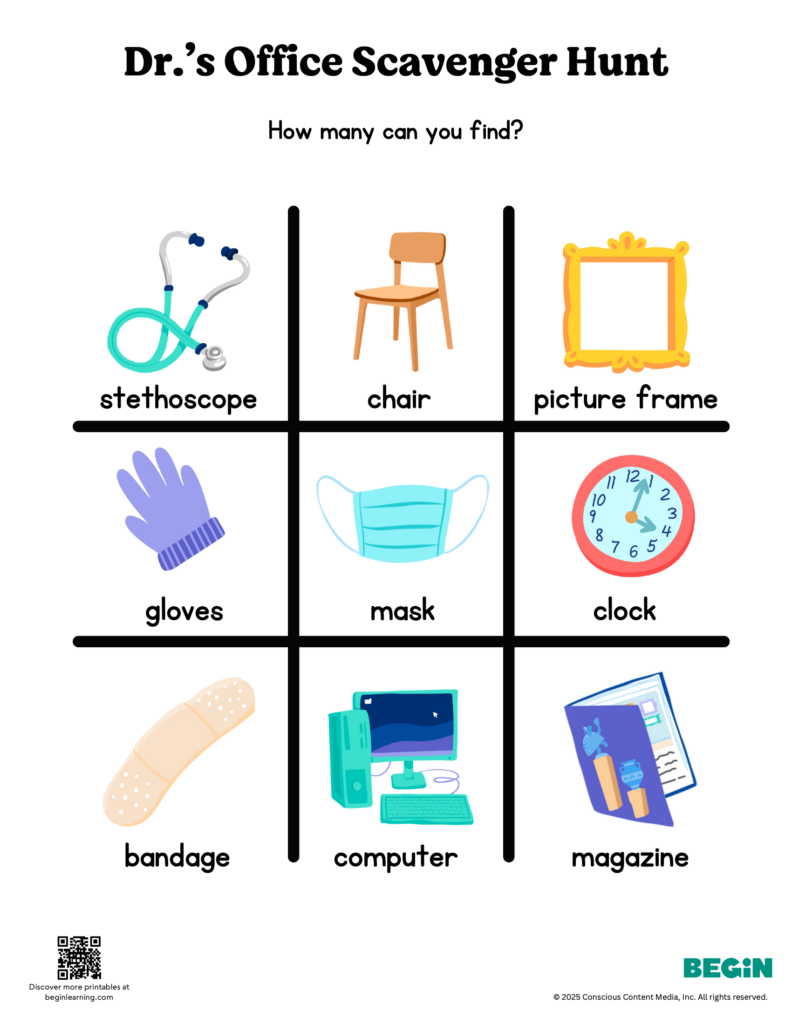
Download a free printable doctor's office scavenger hunt for kids. Build vocabulary, observation, and early thinking skills through fun, themed exploration at home or on the go.
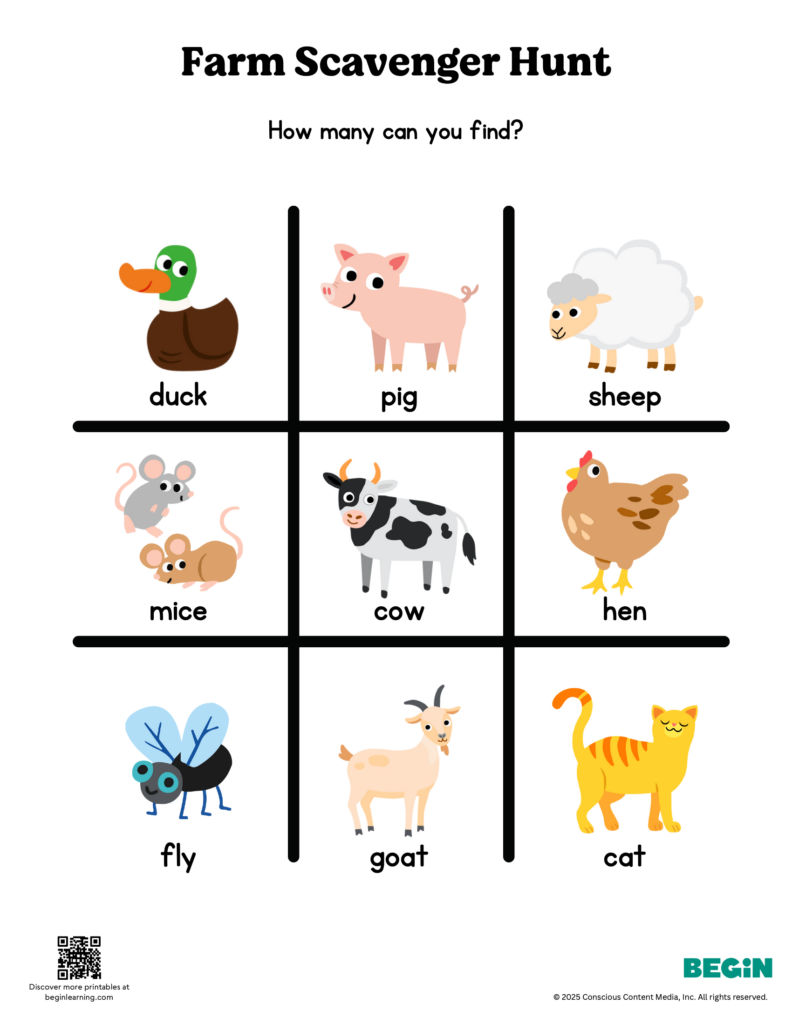
Download a free printable farm scavenger hunt for kids. Build vocabulary, observation, and early thinking skills through fun, themed exploration at home or on the go.
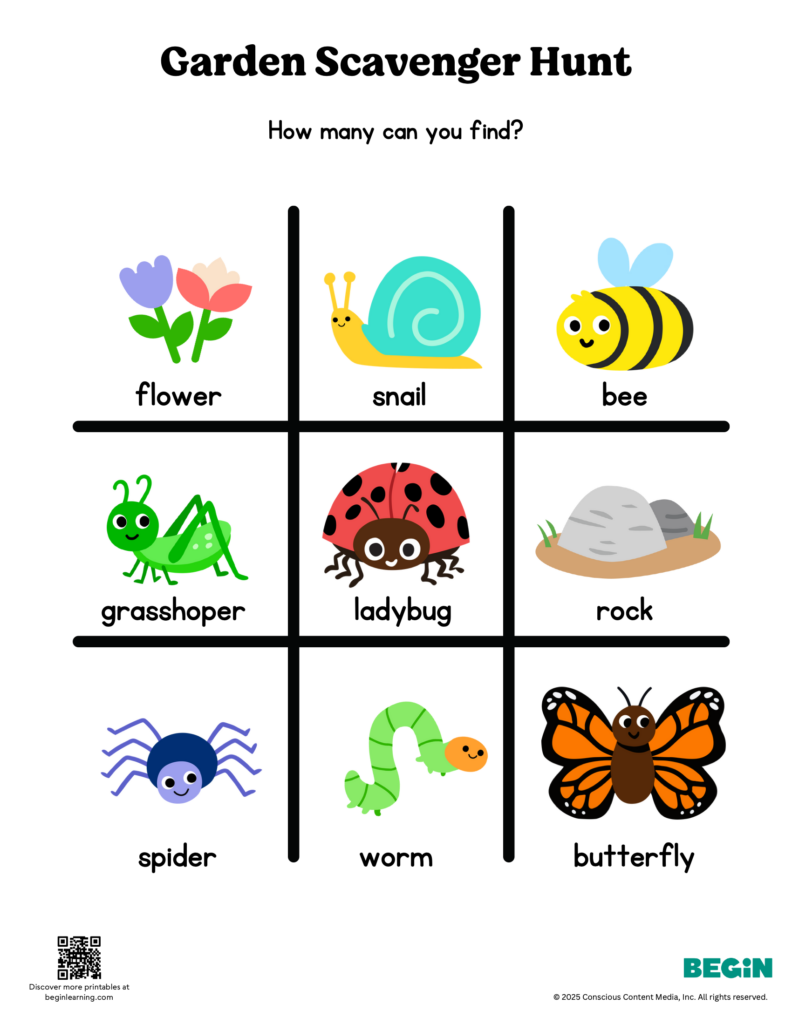
Download a free printable garden scavenger hunt for kids. Build vocabulary, observation, and early thinking skills through fun, themed exploration at home or on the go.
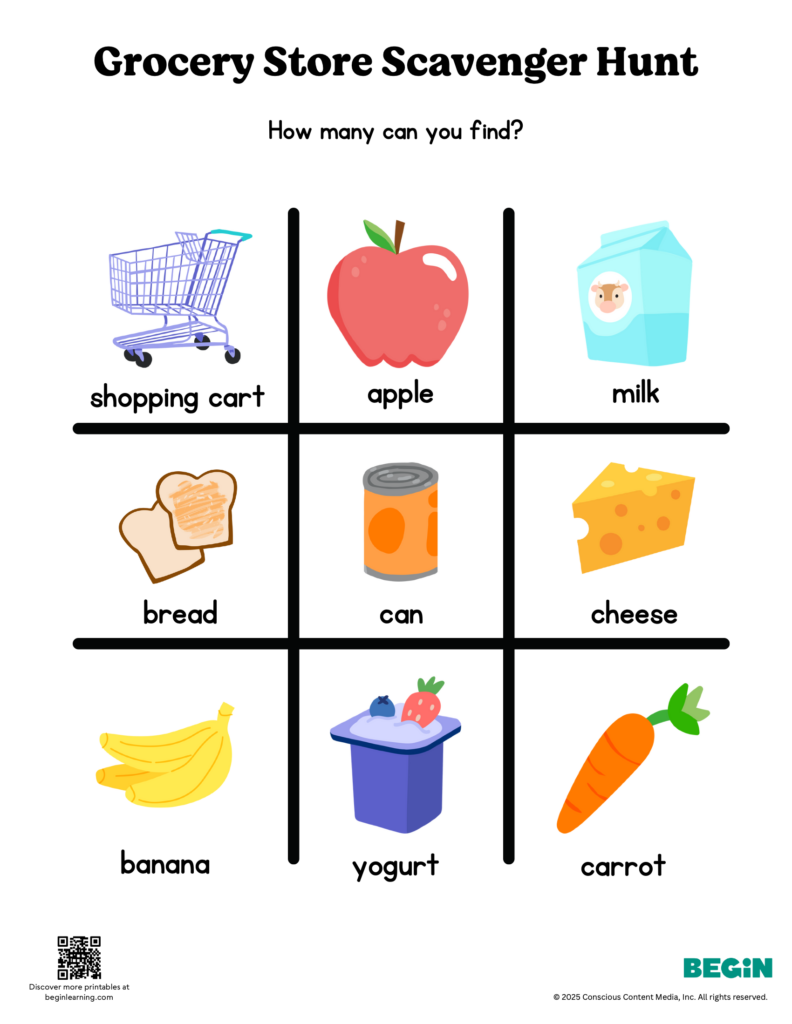
Download a free printable grocery store scavenger hunt for kids. Build vocabulary, observation, and early thinking skills through fun, themed exploration at home or on the go.
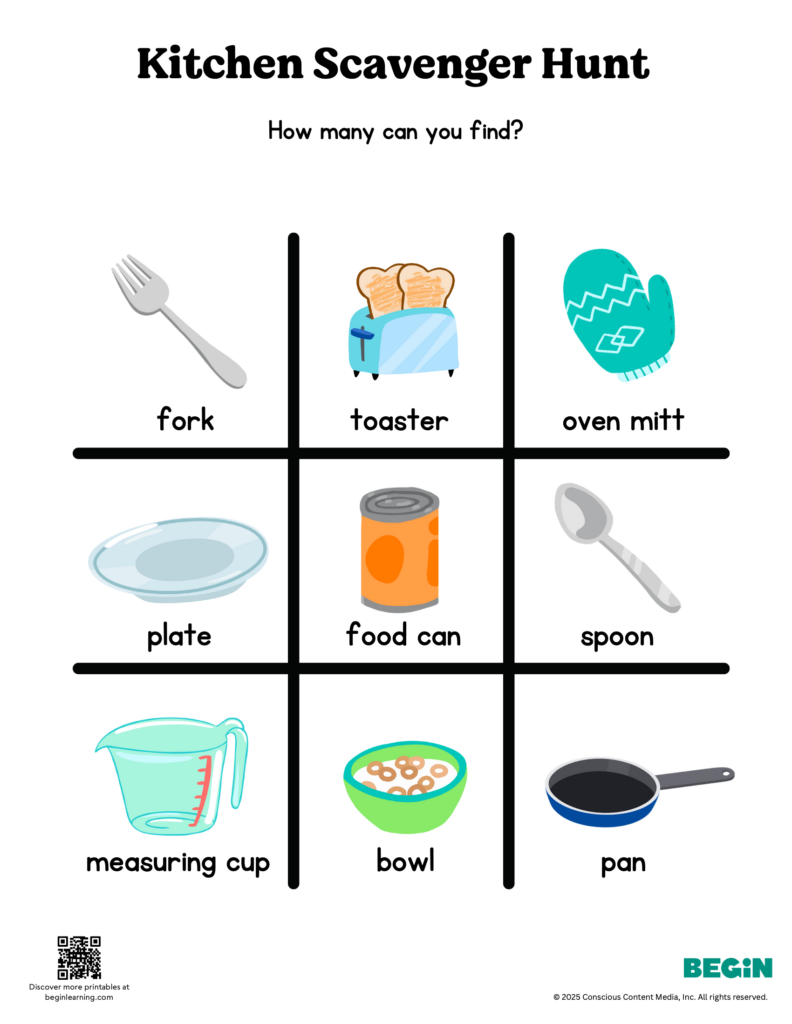
Download a free printable kitchen scavenger hunt for kids. Build vocabulary, observation, and early thinking skills through fun, themed exploration at home or on the go.
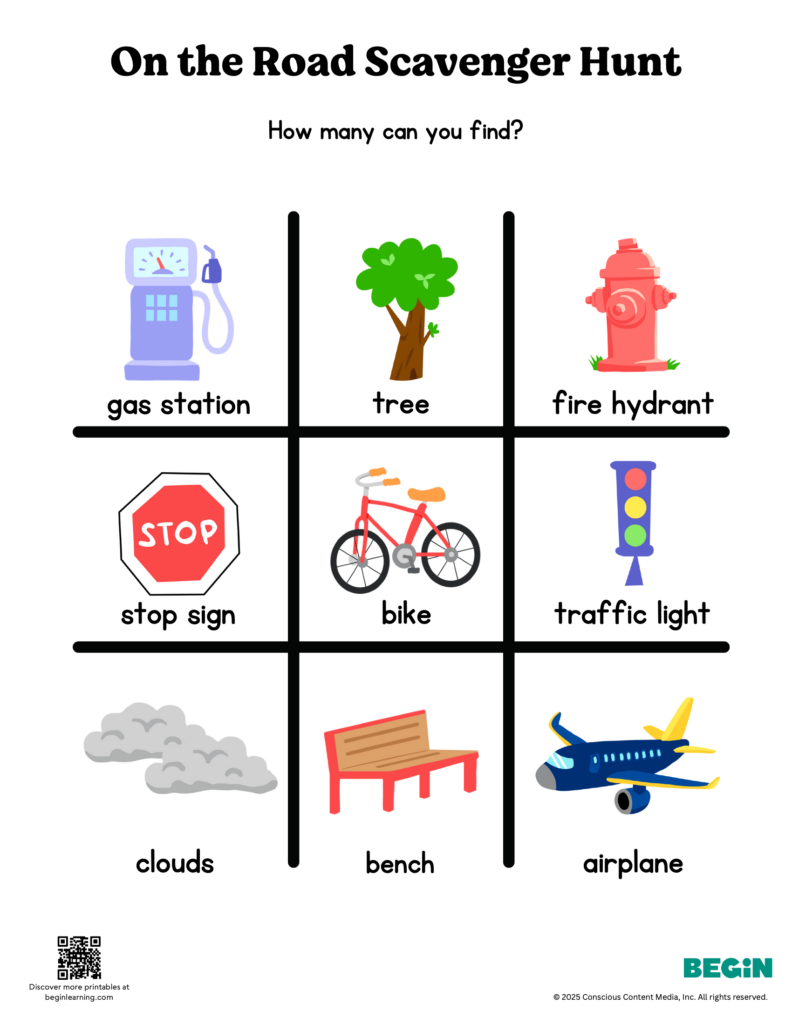
Download a free printable on the road scavenger hunt for kids. Build vocabulary, observation, and early thinking skills through fun, themed exploration at home or on the go.
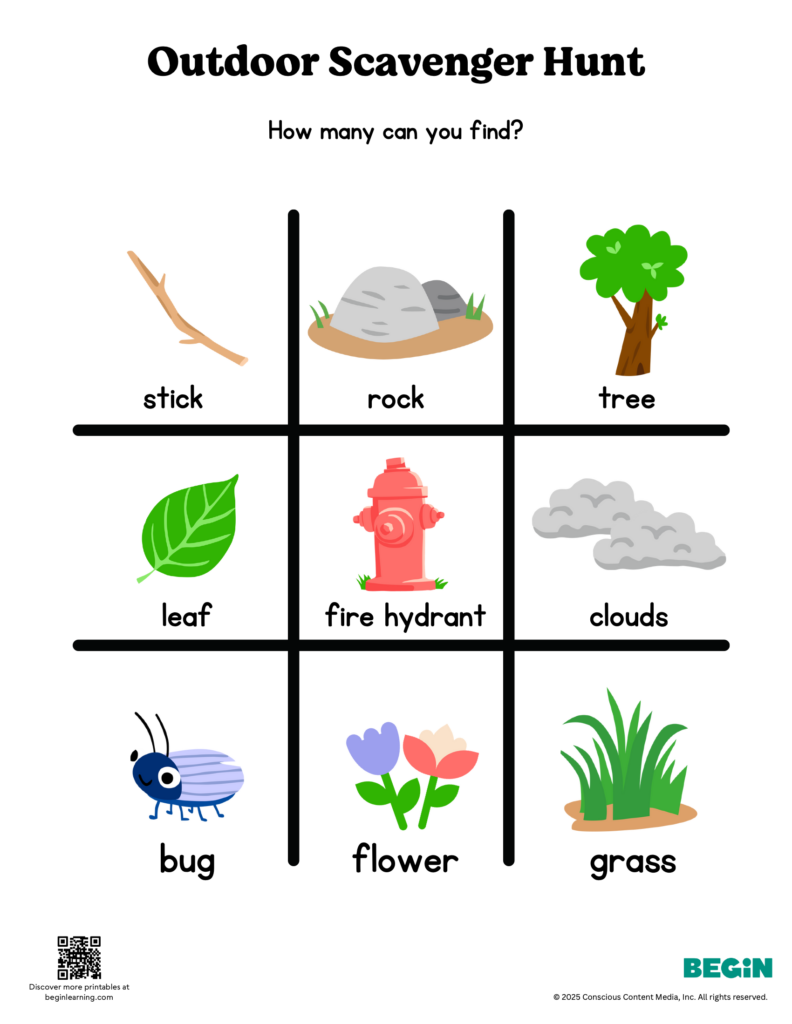
Download a free printable outdoor scavenger hunt for kids. Build vocabulary, observation, and early thinking skills through fun, themed exploration at home or on the go.
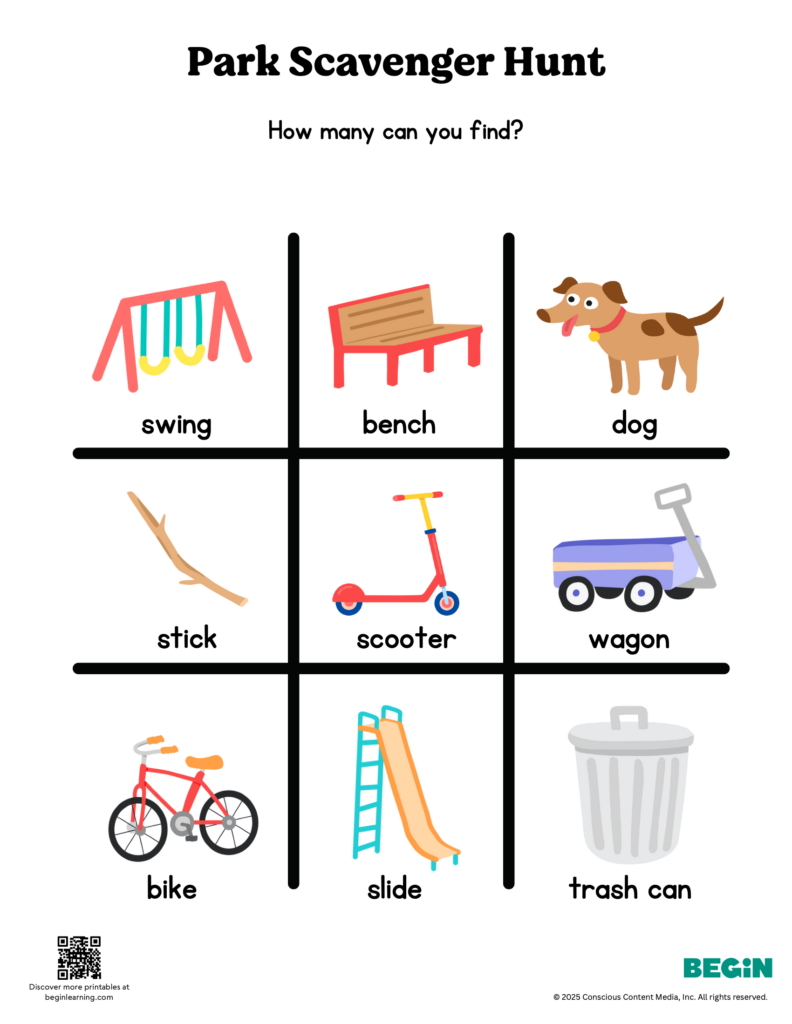
Download a free printable park scavenger hunt for kids. Build vocabulary, observation, and early thinking skills through fun, themed exploration at home or on the go.
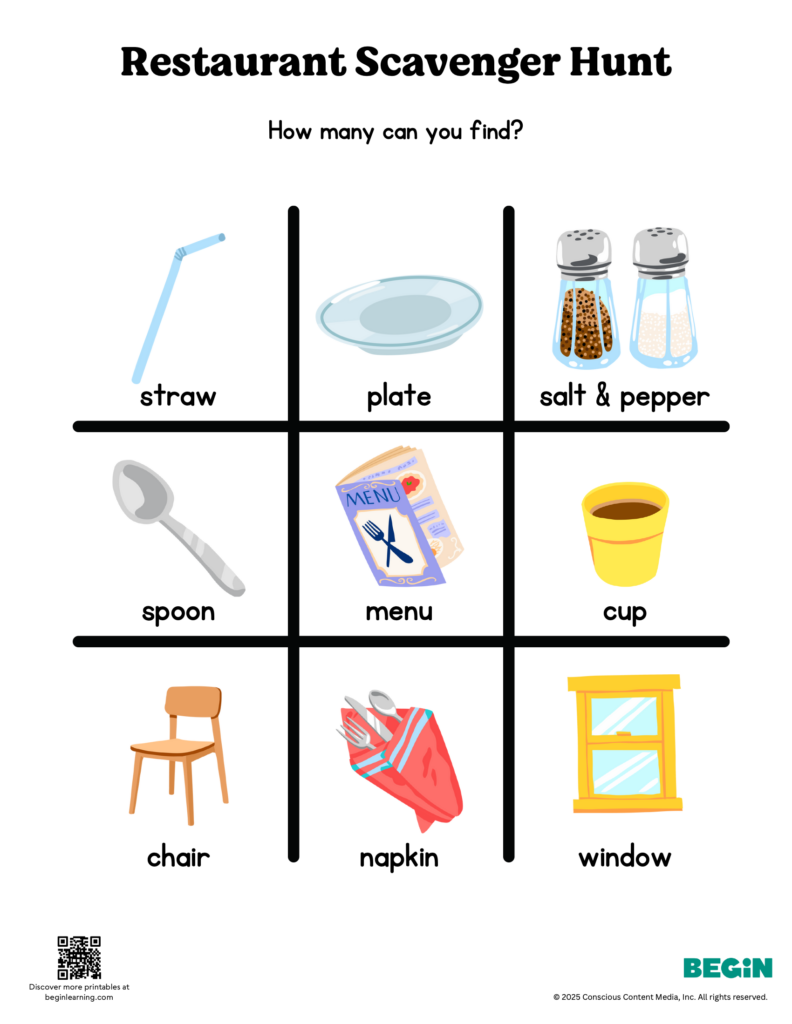
Download a free printable restaurant scavenger hunt for kids. Build vocabulary, observation, and early thinking skills through fun, themed exploration at home or on the go.
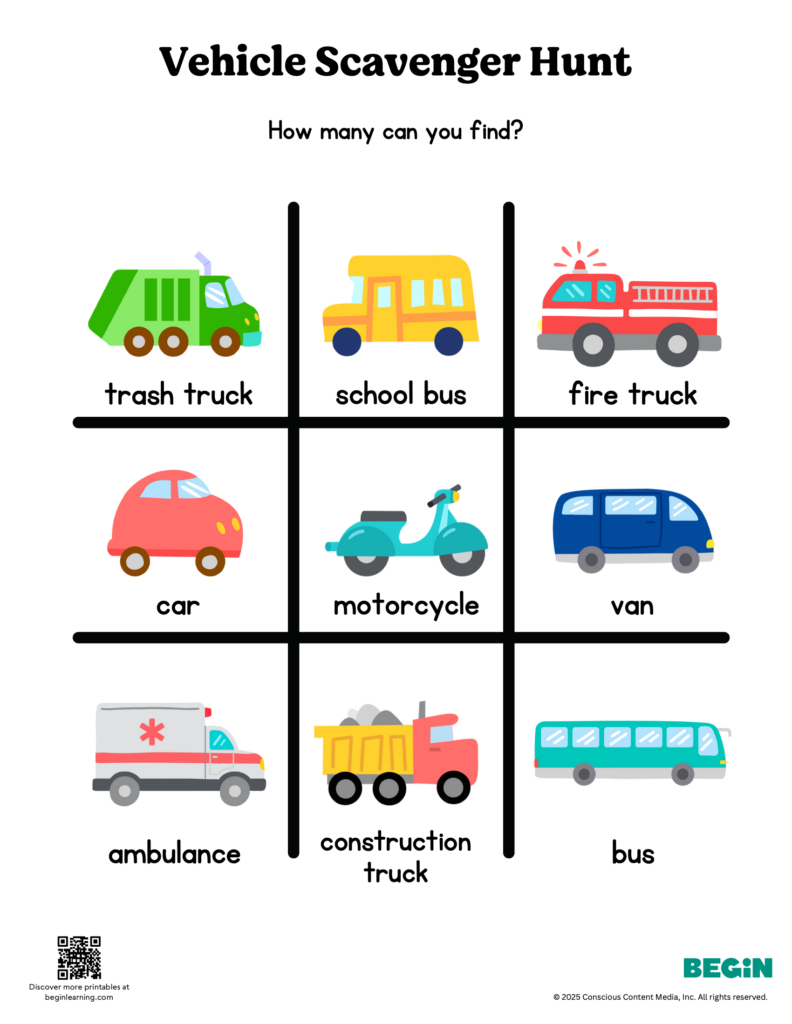
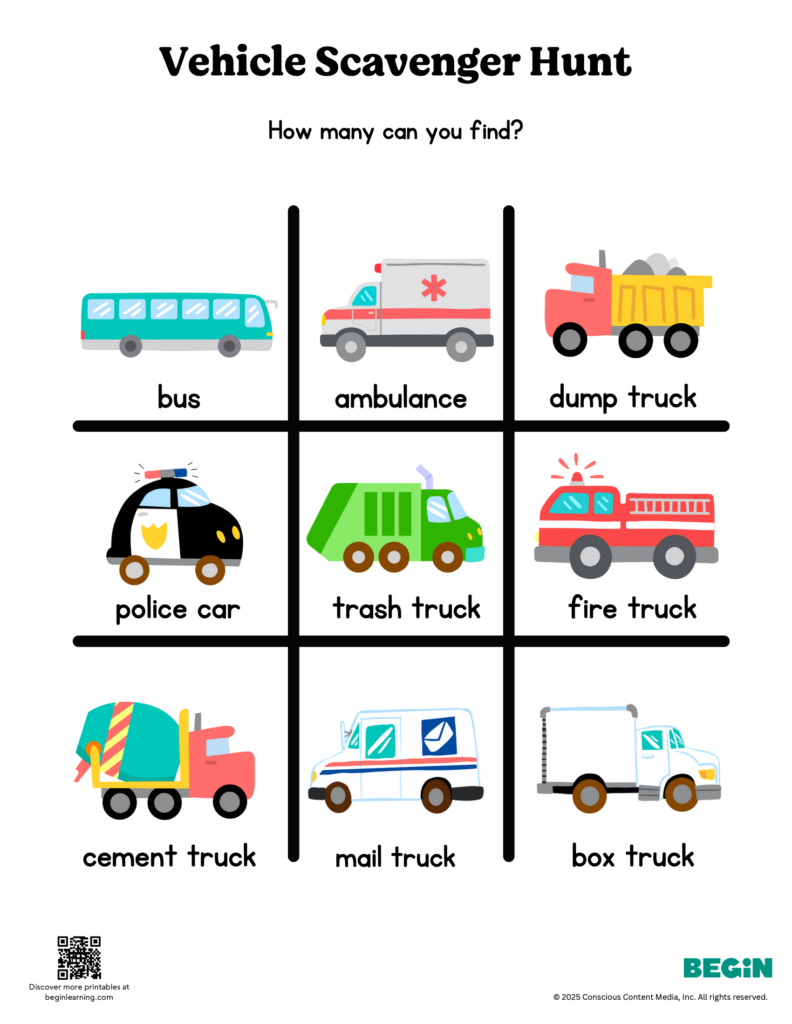
Download a free printable vehicle scavenger hunt for kids. Build vocabulary, observation, and early thinking skills through fun, themed exploration at home or on the go.
Scavenger hunt worksheets turn everyday environments into playful learning opportunities. Each printable features familiar, themed objects—like animals on a farm or different kinds of vehicles—designed to get kids moving and thinking.
These hunts support early learners by combining three critical skills:
1. Visual Recognition: Scanning the environment to match objects to pictures.
2. Categorization: Understanding how items fit into themes (e.g., "Nature" or "Travel").
3. Vocabulary Development: Identifying and naming new objects aloud.
Great for on-the-go learning and at-home practice, each PDF scavenger hunt is designed to spark curiosity. Children strengthen observation and reasoning skills as they look closely at the world around them. Plus, we offer every worksheet in color (for engagement) and black and white (for coloring and saving ink).
A scavenger hunt is a playful search activity where children look for specific items based on a list. Think of it like a treasure hunt, only the “treasures” are everyday objects. It encourages kids to observe, think, and explore their surroundings actively.
These worksheets are more than just a game; they are powerful learning tools. They help children develop:
Young learners may not yet read, but they can still fully engage with visual prompts. These worksheets are designed to be accessible through images alone, allowing children to participate independently. The confidence they build from identifying objects leads to greater motivation to explore language and letters later on.
Yes! Scavenger hunts work wonderfully for collaborative learning. Children can work together to find items, taking turns naming what they see. This encourages teamwork, respectful listening, and shared discovery. You can also turn the activity into a friendly competition or a cooperative game where they check off items together.
Not at all. While it’s fun to complete a worksheet during a real visit, children can also complete them as imagination-based activities. Use books, toys, or online videos to simulate the setting. This flexibility makes the worksheets ideal for home use, indoor days, or as preparation for an upcoming trip. You can even use pretend play – such as turning your living room into an “airport” – to help bring the theme to life and deepen the learning experience.
Start by reviewing the items on the sheet and saying each name aloud together. You can ask questions like, “Have you seen this before?” or “What sound does this start with?” Turning it into a fun challenge or game boosts engagement and focus.
You can take the sheet outside and look for matching or similar items in your environment – even if the setting doesn’t perfectly match. Indoors, try using props or toys that represent the worksheet objects. You can even create a scavenger basket with items for them to match. The worksheet becomes a flexible anchor for broader, active learning.
One to two scavenger hunts per week is a good rhythm for reinforcing learning without it becoming routine. You can rotate through different themes based on your child’s interests or seasonal topics. Repeating hunts with variation – such as adding a storytelling prompt or drawing their own version – keeps the experience fresh and fun.