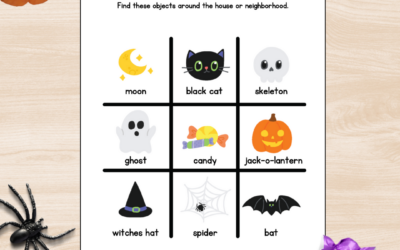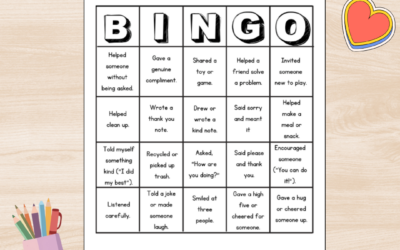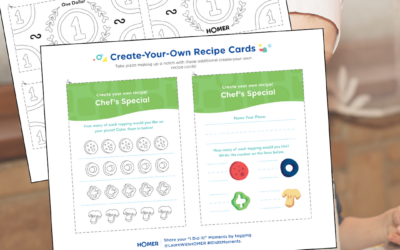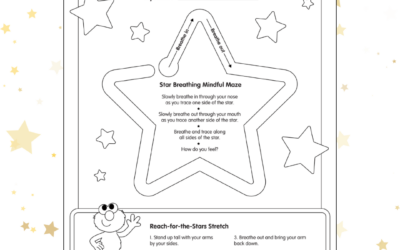
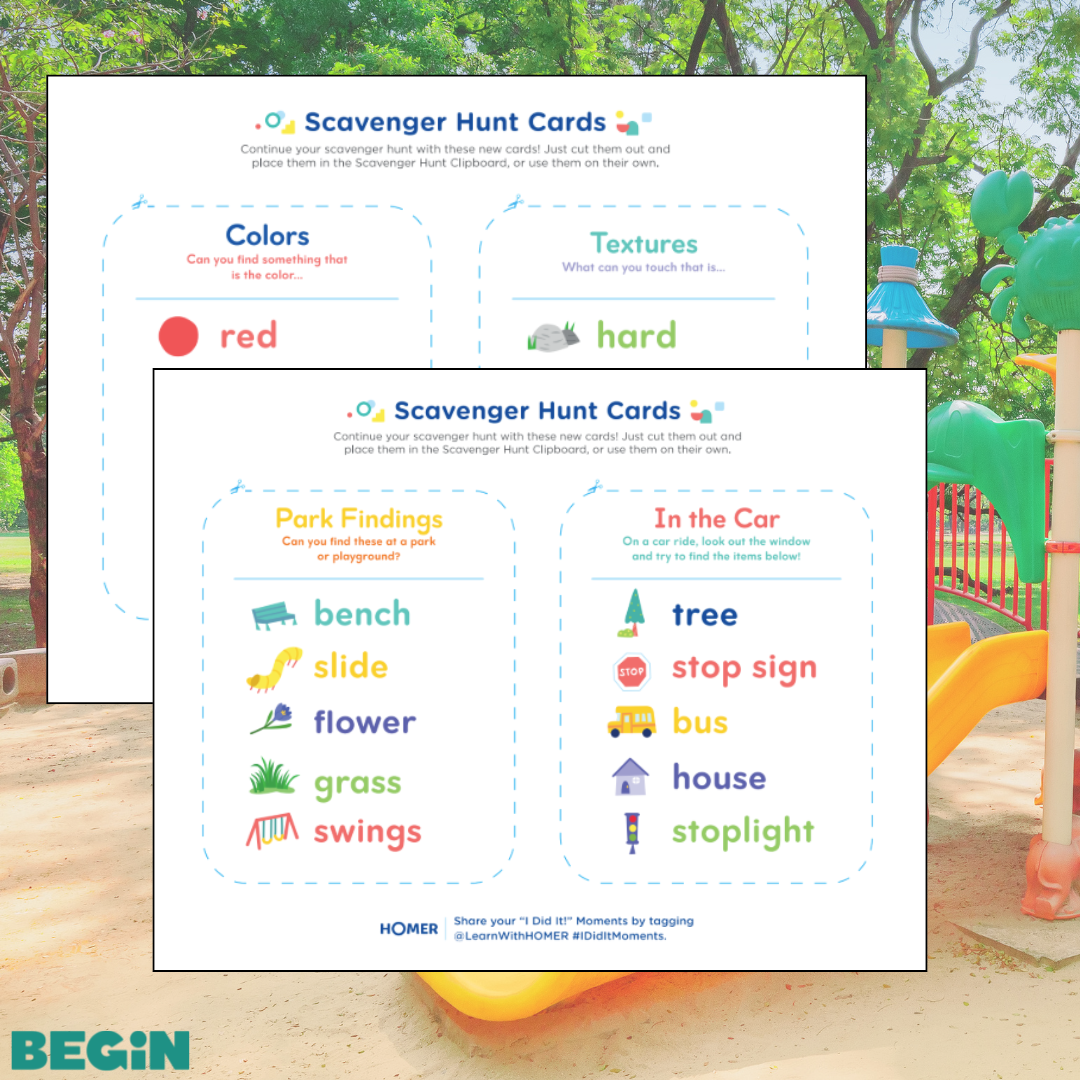
Turn everyday outings into learning adventures with these scavenger hunt cards for kids from HOMER! Perfect for ages 2–5, each card features fun prompts for colors, textures, park items, and car rides. As children explore and search, they build vocabulary, sharpen observation skills, and practice curiosity—all while having fun on the go.
Materials Needed:
🖨️ Printed scavenger hunt cards (4 total)
✂️ Scissors for cutting the cards
✏️ Pencil (for checking off as you go, or a white board marker, if laminated)
📦 Optional: Cardstock or lamination for durability, plus a binder ring or string to keep cards together and take them on the go
⏱️ Time Needed: 10–15 minutes (use one or more cards per outing)
👩👧 Best As: A do-together activity for 2s and 3s (modeling and naming new vocabulary) and a guided-independent activity for 4s and 5s, who can lead the hunt with gentle parent support.
How to Use:
- Print and cut out the four scavenger hunt cards
- (Optional) Print on cardstock, laminate, and attach to a ring or string
- With younger children (2s and 3s), model by pointing things out and naming them (“That rock feels rough”).
- Choose a card based on where you are—colors, textures, the park, or the car.
- With older children (4s and 5s), let them lead by finding and naming the items, offering gentle support when needed.
- Celebrate discoveries together!
Build vocabulary, boost curiosity, and turn everyday spaces into exciting opportunities for learning and connection.
Why Scavenger Hunts Matter for Growing Minds
Scavenger hunts spark curiosity and make everyday routines exciting. For younger children, they provide rich opportunities to model and introduce new words—like “bumpy,” “smooth,” or “triangle.” For older preschoolers, they support independence, critical thinking, and confidence kids describe what they see. These hunts are powerful for language development, helping kids build the vocabulary they need for storytelling, reading, and learning.
✨ Want to make it even more meaningful? Keep the cards handy in your bag or car and use them whenever you have a few extra minutes—waiting at the doctor’s office, walking to the park, or riding in the car. Repetition in different places helps strengthen vocabulary and memory.

Want to support your child’s early literacy, math skills, and creativity?
Try HOMER free for 30 days