With the right encouragement and practice, your child can develop strong 2nd grade reading comprehension skills.
In the process, they’ll learn a wide variety of important skills, including recalling facts and details about what they’ve read, recognizing similarities across stories, and applying and transferring what they’re reading to other aspects of their life.
In this article, we’ll discuss strategies and tips you can use to build your child’s reading comprehension at home.
Key Takeaways
- Reading comprehension is the ability to understand, interpret, and pull meaning from text. It requires several skills, including decoding, understanding vocabulary and language, and developing focus, attention, working memory, and inferential thinking.
- Strategies for building reading comprehension skills at home, including reading together daily, reading books at the right level of varying types, and diving into themes before reading to build vocabulary recognition and interest.
- When discussing books, always converse rather than quiz, and encourage your child to apply what they read. Reread books, experiment with storytelling and audiobooks, and choose books that reflect your child’s interests.
- To help improve your second grader’s reading comprehension, set aside time to read daily, play word games to build their vocabulary, and bring books along when you travel. You can also let your child choose the books they want to read, practice with digital games, and celebrate your child’s reading successes.
- Reading comprehension is a critical skill for daily life that helps your child communicate more effectively. Being able to read will also fuel your child’s academic success and enjoyment of literature.
Table of Contents
- What Is Reading Comprehension?
- Key Components of Reading Comprehension
- Why Is Reading Comprehension Important?
- Strategies for Building 2nd Grade Reading Comprehension
- Signs of Strong Reading Comprehension
- Additional Tips for Improving 2nd Grade Reading Comprehension
What Is Reading Comprehension?

The ultimate goal of reading is comprehension—the ability to understand and make meaning from text. Comprehension is what allows children to move from “learning to read” to “reading to learn.”
Without strong comprehension skills, students may be able to decode words but will struggle to fully understand stories, informational texts, or academic material.
To build strong reading comprehension skills, children need a solid foundation in several key areas: phonemic awareness, phonics, fluency, and vocabulary. Each of these components supports comprehension by helping children recognize words automatically, understand their meanings, and connect ideas as they read.
Reading comprehension is not just one skill; it is the integration of many skills. It requires background knowledge, word recognition, vocabulary growth, and critical thinking strategies.
Key Components of Reading Comprehension
Decoding
Decoding is the ability to recognize and blend letters in order to translate written words into spoken language. In order to decode, children need phonics skills. If your child isn’t fluent in decoding, they will struggle to understand the meaning of the text quickly and accurately.
Knowing Vocabulary
Another critical component of reading comprehension is vocabulary building. Grasping the meaning of words while decoding allows your child to fully understand what they are reading.
Understanding Language Structures
In order to comprehend a text, readers also have to understand both the meaning of words and how they work together in a sentence.
Cognitive Flexibility & Working Memory
Reading comprehension also requires cognitive flexibility and working memory. This means remembering, holding, and thinking through information to follow a plot and understand its meaning.
Critical Thinking
Reading comprehension also uses critical thinking skills. These include evaluating, drawing inferences, and forming opinions about a text.
Why Is Reading Comprehension Important?
Reading comprehension is an essential skill that will help your child in many different aspects of their life. Let’s take a look.
Learning
We don’t learn just by reading, but by understanding, connecting, and using what we read. Reading comprehension is what turns words on a page into knowledge that sticks and skills that grow.
Reading comprehension is essential for making sense of information across all subjects, laying the foundation for lifelong learning.
Daily Life
Strong reading skills are also important in daily life. Kids encounter written language many times a day, from signs and books, to newspapers and mail.
Communication
Reading comprehension is key in communication. By reading, children will learn new vocabulary, sentence structures, and communication patterns.
Strategies for Building 2nd Grade Reading Comprehension
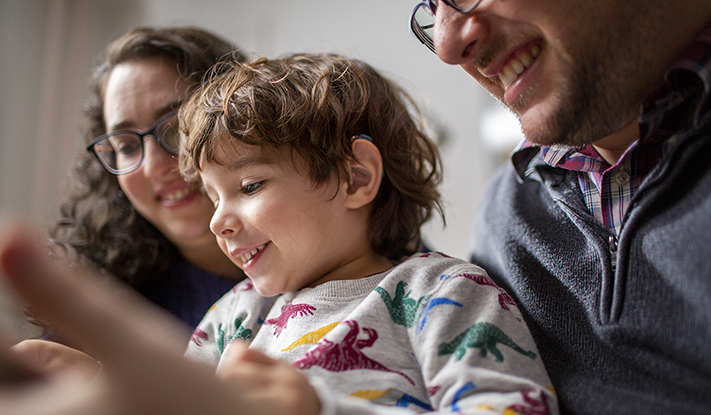
As you set out to improve your child’s 2nd grade reading comprehension, continue with the strategies you used to stimulate 1st grade reading comprehension, but introduce more advanced activities to take them to the next level.
Above all, set aside time for reading—together and independently—and make the activity as fun as possible so your child enjoys picking up a book.
Here are some strategies you can use to inspire your child to read.
Read Together Every Day
As your child continues to grow and develop, they’ll read more on their own. But that doesn’t mean that reading together is any less important.
Set aside time every day to read to your child (bedtime is great for this), but also set aside time to read with your child.
Even if it’s just half an hour a day, sit down on the sofa or at the table together and read independently together—you from your book, them from their book.
Reading to and with your 2nd grader as much as possible can help reinforce the skills that will play an important part in their learning journey.
Read Books at the Right Level
It’s important to choose books that are matched to your child’s reading level. This means, your child can read 90% of the words without help. If there are too many difficult words, they are likely to lose focus.
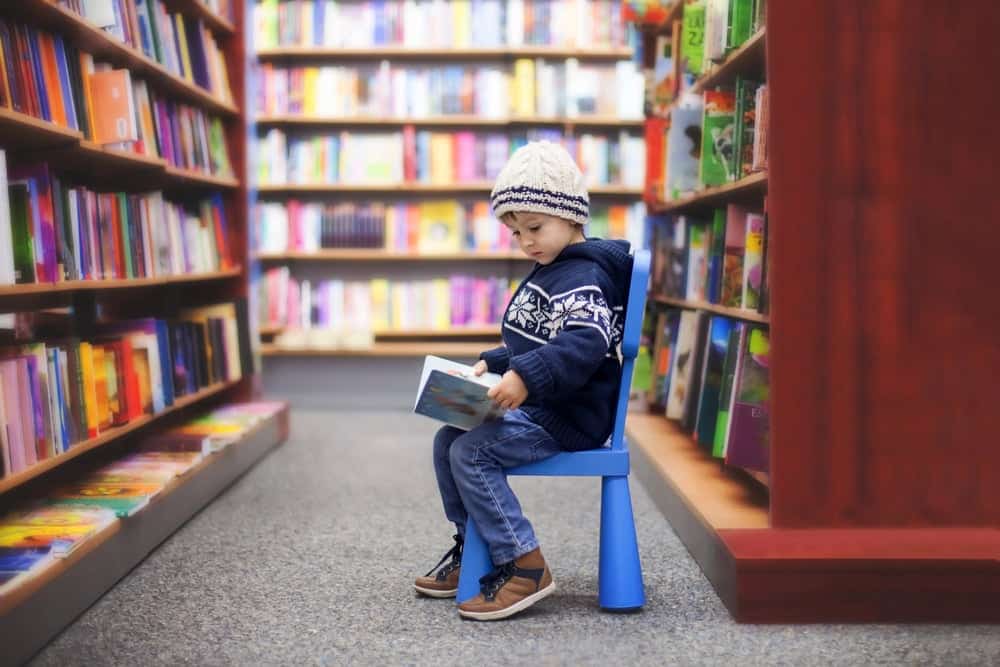
As they get more fluent, they can move on to harder books, building their confidence along the way. Visit your local library and find the section of appropriate books and encourage your child to choose the ones that excite them.
Introduce Different Types of Books
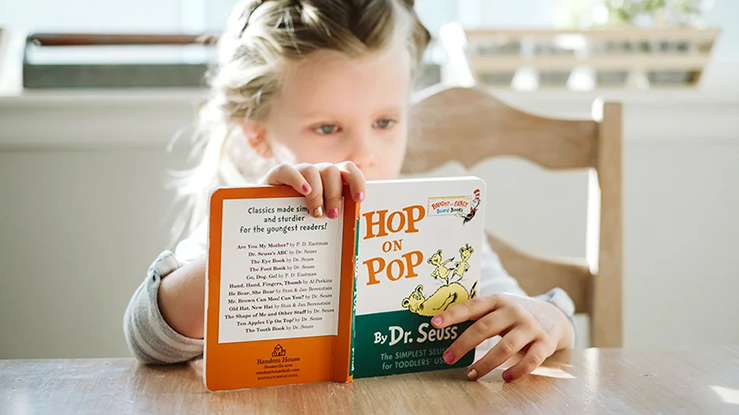
Up to this point, you may have been reading a lot about green eggs and ham and other make-believe subjects, and that’s great!
But to stimulate your child’s 2nd grade reading comprehension, introduce different types of books into their reading repertoire. Consider nonfiction titles like the DK Eyewitness series or the National Geographic series to build their knowledge of the real world.
You may also want to introduce longer books with chapters to start laying the foundation for third grade and beyond. And it can be beneficial to read books on a wide variety of topics to see what your child is interested in and what piques their curiosity.
Converse, Don’t Quiz
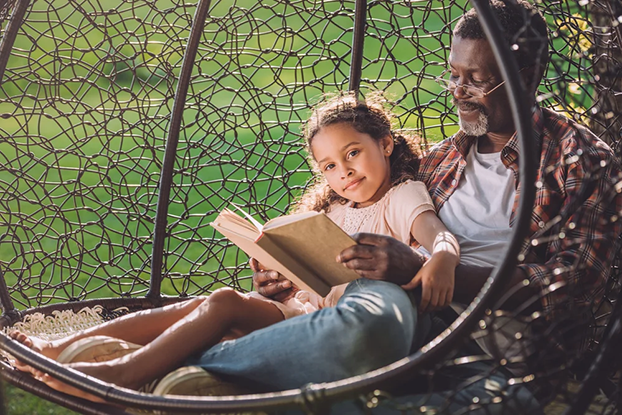
Regardless of the subject matter, talk with your child about what you and they are reading. When you do, make this time a conversation, not a quiz.
Ask open-ended questions and find out how your child feels about what they’ve read, rather than just the facts about the text. Facts certainly have a place in the discussion, but you don’t want it to be all about recall.
You can make this fun by asking questions like, “What if something different happened?” or “What could have happened next?” and see what unique answers your child can come up with.
Lastly, talk about how you feel and how they feel about what the character is going through, what they can learn from the story, and how your child can apply that to the world around them.
Reread Books
By rereading books, your child gets more practice recognizing words quickly, resulting in greater fluency. This means they are reading quickly and smoothly. Rereading allows your child even more opportunities to deeply understand what they read.
Include Audiobooks
In many ways, 2nd grade reading comprehension is all about exposing your child to new things like language, story structure, and knowledge about the world. To that end, you can include other forms of learning into your reading time, such as audiobooks.
Audiobooks are a great way to supplement the books your child reads and engage other aspects of their imagination.
Lean Into Your Child’s Interests
Of course, your child will do best if they are interested in what they’re reading. Does your child love cars? Dragons? Unicorns? Whatever their interest, choose books that reflect that natural curiosity.
Your child will be more likely to lean into the book because they’ll want to know what happens next.
Encourage Your Child to Apply What They Read
You can lay a good foundation for learning, and for life in general, by encouraging your child to apply and transfer what they read.
For example, if you’re reading Green Eggs and Ham by Dr. Seuss, don’t just close the book at the end of the story and call it a day. Discuss the lesson they can learn and how trying new foods is a great way to discover delicious treats (i.e., applying the information to their real life).
Then discuss how they can transfer that lesson to other parts of their life (trying new sports, making new friends, going new places).
Keep in mind that you don’t have to restrict the “apply and transfer” lesson to the few minutes after finishing the story. If your child is struggling with trying a new food some time down the road, bring up the story and the lessons learned to help them connect the dots.
Signs of Strong Reading Comprehension
So how do you know your second grader is on the right track when it comes to reading comprehension? The easiest way to tell is by sitting down with them as they read their book and looking for specific signs of understanding.
Active Reading
First you want to determine whether your child is reading actively. An active reader is considering the story as they read, figuring out harder vocabulary words, imagining the setting, and thinking about the characters.
Ask your child questions as they read, such as, “What’s happening in this scene?” and “How do you think that character feels?” When they’re reading actively, they’ll be able to recount what’s going on and think deeply about characters as the story unfolds.
Plot Prediction
If your child can read and then pause to predict what might happen next, it’s another sign of strong reading comprehension. Being able to guess the twists and turns of a story requires a strong understanding of what’s already happened while integrating outside knowledge.
Mental Picture
When your child reads, they should be forming mental images in their mind, imagining the setting, the characters, and the plot as if it’s a movie in their mind. The ability to imagine the book they are reading is proof positive of comprehension.
Story Summary
Once your child is done with the book, if they’re able to summarize the beginning, middle, and end of the book, it’s a sign that they’re truly understanding the book.
Assess their overall comprehension by asking questions as if you’re a friend also interested in reading the book. These could include, “What happened at the beginning? Then what happened? How did it resolve? What did you like about the book?”
Additional Tips for Improving 2nd Grade Reading Comprehension
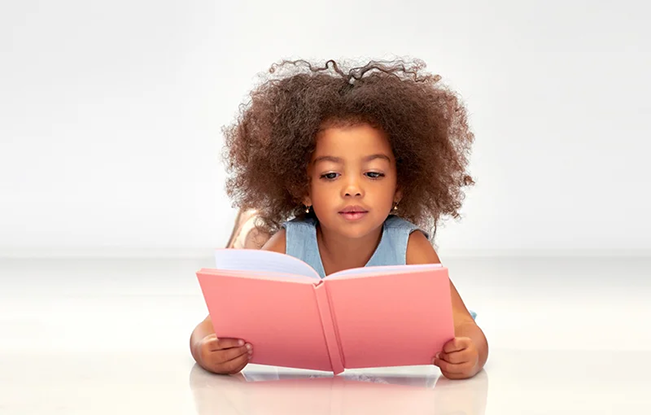
Set Aside Time for Independent Reading
We’ve talked about various new activities you can introduce to help your child strengthen their reading comprehension. But that doesn’t mean you have to leave the other activities behind.
On the contrary, setting aside time for independent reading is still one of the best things you can do for your child. If you have the time, sit down in the same space with your child and read independently beside them.
Doing so shows your child just how important reading is to you and can help them build good habits that will last a lifetime. Keep in mind that 15 to 30 minutes is plenty of time at that age. But if they want to read for longer, that’s wonderful!
Encourage Your Child to Read Aloud (At First)
Reading aloud can help with reading comprehension as it taps into several senses at once (hearing, seeing, and speaking). Using multiple senses is proven to improve your child’s retention of information, which helps them better understand the passage or story.
Start with easier texts and encourage your child along the way. As their fluency grows, start to encourage silent reading too. Being able to read in their head is an important next step that helps with stamina, focus, and independent comprehension.
These are skills that they’ll need as texts get longer and more complex.
Play Word Games to Build Vocabulary
Playing word games like vocabulary bingo or charades can help your child build their vocabulary. Making learning fun, interactive, and memorable will help these new words stick.
Using visual aids like picture cards can further help your child to remember their new vocabulary. And, don’t forget to capture all of your child’s new words. A word wall at home can help reinforce the words and keep them top of mind.
Add Digital Practice to the Day
Your child is spending time each day curled up with a good book, which is great. But for practice of individual skills, it’s also helpful to vary your approach. Digital reading games can be a fun and interactive way to reinforce your child’s reading comprehension.
Our Homer app helps children ages two to eight to practice their reading skills through interactive and personalized games. It’s been proven to boost a child’s early reading scores by 74%.
Travel with Reading Material
Earlier, we mentioned incorporating storytelling and audiobooks into your repertoire, which is especially helpful when you’re traveling. But, again, that doesn’t mean you should forgo regular books completely.
In fact, we encourage you to keep reading material in your purse or “go bag” for the times when your child needs something to do.
Books can provide excellent learning opportunities while you’re:
- Shopping
- Waiting for an appointment
- In the car (without an audiobook)
- Waiting for the bus
- Taking a break at the playground
Celebrate Reading
Regardless of your child’s comprehension level, always celebrate their reading efforts. When they finish a book, congratulate them, give them a hug, and take a few minutes to ask how they liked it, discuss the storyline, and find out what they want to read next.
You can also take this opportunity to engage them in some other form of play using the story they just read. For example, ask them to draw a picture of part of the story and then have them describe what’s going on in their own words.
Inspire Your Child to Read with HOMER by Begin

As you continue to encourage your child to build their 2nd grade reading comprehension, the Begin team is here to help.
Our learning products—including the HOMER app—and parent resources are designed to inspire your young reader and help them to thrive in second grade and beyond.
HOMER’s four-step approach (Introduce, Practice, Apply, Transfer) goes beyond rote memorization to build confidence, make connections with other subjects, and foster a life-long love for reading.
Take a look at HOMER to discover just the right reading exercises, games, and activities for your child. And for more information on everything we offer and why families love learning with Begin, visit BeginLearning.com today.
Frequently Asked Questions
What are the five questions of reading comprehension?
The five questions of reading comprehension, also known as the five Ws, are who, what, when, where, and why. Another helpful question to add is “how”. These questions create a framework of discussing and understanding a book or passage.
Asking your child these questions after they read a book can help them better understand the main idea of the story.
What are specific second-grade reading skills?
By the end of second grade, most children demonstrate growth in several key areas of reading. These skills are more detailed and concrete than in earlier grades, showing a shift toward independence and deeper comprehension.
- Word Recognition and Decoding
- Recognize 200+ sight words (e.g., because, could, friend, people).
- Use phonics knowledge to decode unfamiliar words, including those with common prefixes (re-, un-) and suffixes (-ed, -ing, -ful).
- Accurately read two- and three-syllable words that follow regular spelling patterns (e.g., sunset, basket, fantastic).
- Read many irregular words that don’t follow typical phonics rules (e.g., said, enough, laugh).
- Use decoding strategies with growing confidence, such as breaking longer words into syllables or recognizing word parts.
- Fluency
- Read grade-level passages aloud at 90–120 words per minute with appropriate phrasing and expression.
- Self-correct misread words and adjust pace when comprehension breaks down.
- Demonstrate smooth, accurate oral reading rather than slow, word-by-word decoding.
- Comprehension of Texts
- Retell stories with clear beginning, middle, and end, including important details about characters, setting, and plot.
- Identify the main idea of a text and give at least two supporting details.
- Use text features—headings, diagrams, captions, charts—to locate and interpret information.
- Ask and answer higher-level questions (e.g., “Why do you think the character made that choice?” or “What would happen if…?”).
- Compare and contrast two stories with similar themes, characters, or events.
- Draw simple inferences from the text (e.g., “She was shivering, so she must be cold”).
- Engagement
- Choose books independently for pleasure reading and information gathering.
- Act out or dramatize stories to show understanding of characters and events.
- Connect reading to personal experiences, other books, or classroom topics.
- Write or dictate short responses that explain what they’ve learned from reading.
What should I do if my child is struggling with reading comprehension?
If your child is struggling with reading comprehension, it’s important to discuss this with their teacher. Do they agree with what you’re noticing? What do they recommend? Work together to create a support plan for your child.
Keep in mind, decoding provides the foundation for reading fluency and comprehension. That means, this is the place to start. You can also support your child by reading alongside them. This reinforces their daily reading practices.
Another way to help is by encouraging them to build graphic organizers to help organize thoughts related to plot, theme, and characters, as they read.