Resilience is about trying again when things go wrong or we don’t get a desired outcome the first time. For a toddler, that might mean rebuilding a block tower after it falls. For a preschooler, that might mean getting back on a bicycle after they fall.
Building resiliency in children enables them to move forward in all areas of their lives. It grows their confidence, teaches them to problem-solve, and reinforces their desire to learn. It gives kids the foundation they need to meet their goals.
We can’t prevent tough stuff from coming at our kids. But we can help them cultivate the tools and mindset they need to face whatever comes their way.
Key Takeaways
- Building resilience is essential for confidence, one of the research-based 6Cs at the heart of the Begin Approach to helping kids thrive in school and life.
- Resilience means being able to recover from challenges or change.
- Developing resiliency goes hand in hand with problem-solving and building self-esteem.
- Strong and safe relationships and self-regulation skills help create resiliency.
- Tips for helping your child build resilience include modeling it, keeping a routine, giving your child choices, praising them for trying, fostering a growth mindset, letting your child experience struggles, encouraging them to problem-solve, and sharing your confidence with them.
Table of Contents
- Why Is Resilience an Important Skill?
- Key Factors for Building Resilience in Your Child
- Tips for Helping Your Child Build Resilience
Why Is Resilience an Important Skill?
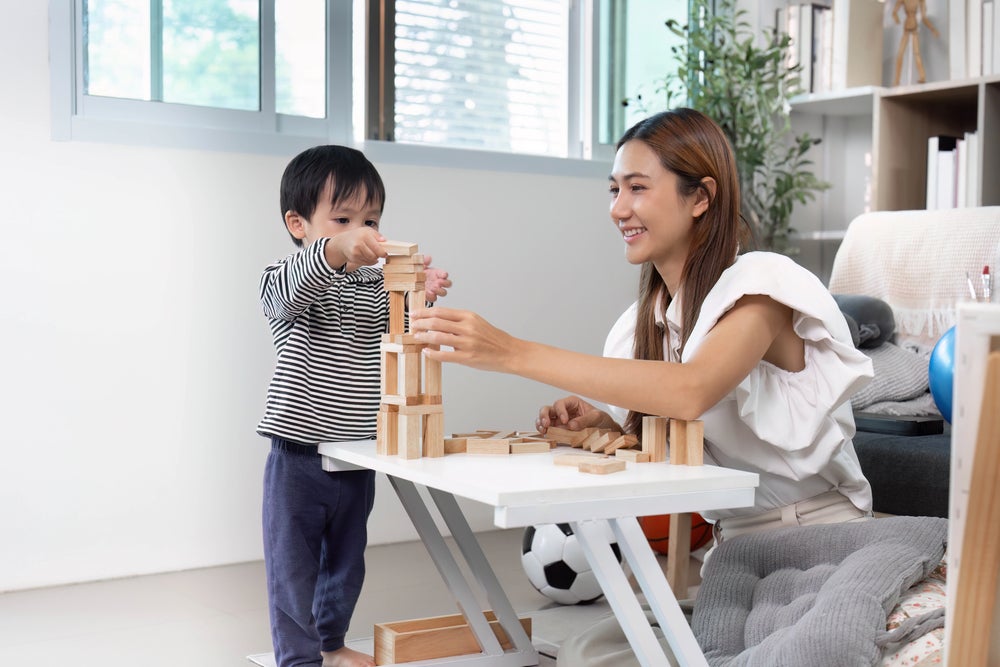
Resilience is being able to recover from challenges or change. You see it in big ways, like when a family moves and a child needs to figure out how to make new friends. You see it in small ways, too, like when kids keep trying to catch a ball until they succeed.
Learning to be resilient in both big and small ways is critical for children as they grow. It’s a powerful part of being able to grow.
Developing resiliency also builds problem-solving skills and self-esteem. This, in turn, inspires more resiliency. Over time, this empowering cycle can reduce the effects of adversity and stress.
Key Factors for Building Resilience in Your Child

What nurtures resilience in kids? Let’s take a look.
Strong and Safe Relationships
Your home is the place where resiliency-building begins. The bond between you and your child is integral to their sense of safety and stability, and your love nurtures their emotional security.
Your child’s relationships with family, friends, teachers, coaches, and mentors provide love and guidance, too. Someone cheering them on inspires perseverance. Someone collaborating with them on problem-solving creates confidence.
Self-Regulation Skills
Developing the tools to face a feeling like fear or anger and manage the feeling well is an important part of becoming resilient.
For instance, when your child has tools to manage frustration when they don’t get something they want right away, that prepares them to try again and tackle the challenge in front of them.
Tips for Helping Your Child Build Resilience
1) Be a Role Model
Show your child what being resilient looks like. Let them know you hit obstacles, too. Allow them to see how you find a way through them.
For example, you’re doing an art project with your child and they face a problem like not being able to mix the colors just right. Make it clear you consider it a minor annoyance, not a big deal.
Then move into problem-solving mode and share your thoughts out loud. You can say, “I’ll try mixing these other colors together instead.” Maybe that doesn’t work. Then you can ask, “What else can we do to get the color just right?”
Collaborating is a great way to teach!
2) Keep a Routine
A daily routine helps reduce stress and anxiety for kids because they know what to expect. Your child knows that at bedtime, the bath comes first, then brushing teeth, then reading a book, then sleeping.
That predictability is both grounding and comforting. It’s also something to lean into when things don’t go according to plan.
For example, let’s say you’re visiting family friends and bad weather forces you to spend the night. Your child may cope better because they can balance the unexpected with the familiarity of their routine.
3) Give Your Child Choices
Let your child make some age-appropriate decisions so they feel a sense of ownership in their life.
For example, you might let them choose dinner once a week or what book to read at bedtime. Feeling the independence that comes with making their own choices helps kids build resiliency.
4) Praise Your Child for Trying
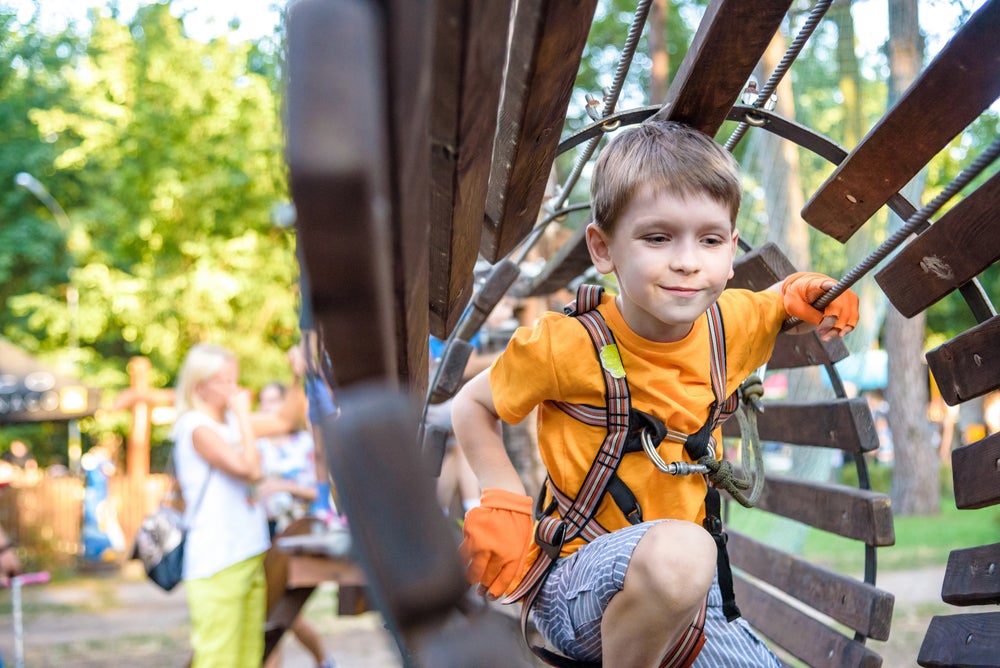
As you work on helping your child become more resilient, place importance on effort instead of outcome. Whenever your child attempts something new, praise them for trying. If they aren’t successful on that first attempt, but keep trying, celebrate that, too.
5) Focus on Fostering a Growth Mindset
When your child tells you they can’t do something, remind them that they won’t know unless they try. Maybe they just can’t do it yet. Adding that small (but powerful!) word transforms the idea of “right-now” failure into the possibility of future success.
This kind of growth mindset has been linked to better learning strategies, the ability to successfully meet challenges, and the development of resiliency. When your child chooses to persevere, they leave room for potential.
6) Allow Kids to Face Problems
Even though we always want to help our kids, letting them struggle a little is important for building resiliency. If they’re having a hard time putting on their socks, for example, you may want to help them. But encourage them to keep at it.
If you sense they’re getting frustrated, see if they’ll problem-solve with you. You might ask, “Can you hold your sock in a different way?” If your child really can’t do it, you might offer to hold the sock open while they slide their foot in.
7) Encourage Kids to Help Problem-Solve
Invite your child to practice their problem-solving skills by helping you with a challenge you’re facing. Break down the process into manageable steps, and be deliberate about following each one:
- Identify the problem.
- Brainstorm ways to solve it.
- Pick a solution to try.
- If it doesn’t work, try to understand why and then get creative with a new approach.
- Repeat until you find success!
Working through a problem with a trusted adult gives kids the experience to solve one themselves.
8) Lend Your Confidence
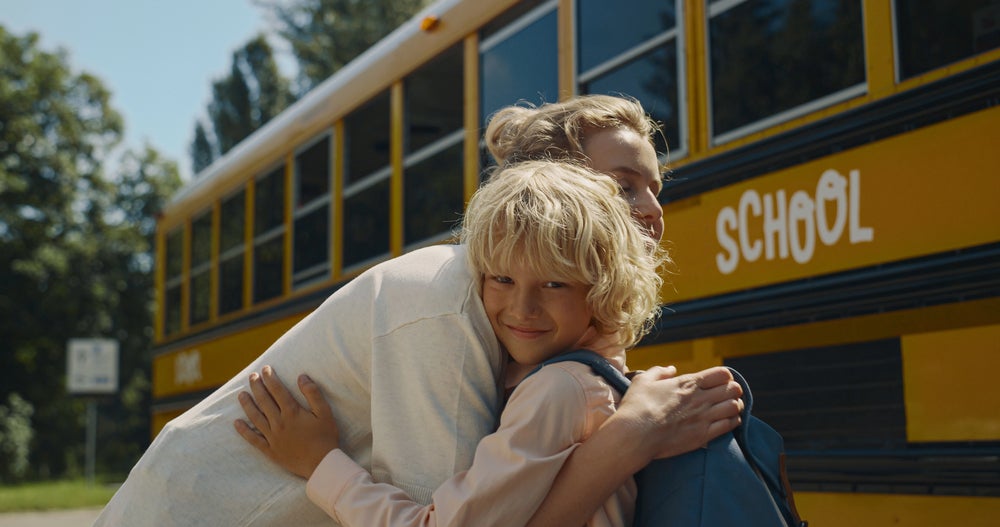
Let your child know that you believe they can move through a tough spot, even if they don’t feel confident in themselves.
For example, if you’re standing at the entrance to their new classroom and your child is scared to go in, try to discover the reasons behind their fear, and then brainstorm some ideas to help them feel more brave.
You might give your child a token of your confidence to carry. Maybe you draw a heart on an index card for them to carry in their pocket or wear matching bracelets, so when they look at theirs, they can be reminded of how much you believe in them.
Build Resilience with Begin

The more kids try new things, the more chances they’ll have to build their resiliency skills. Begin can support that growth.
Whether your child is working on a hands-on project from Little Passports or playing games and activities in the HOMER, Learn with Sesame Street, and codeSpark apps, they’ll have loads of fun while they gain the confidence they need to grow.
Frequently Asked Questions
What is the “I Notice, I Feel, I Can” strategy for working through emotions?
“I Notice, I Feel, I Can” is a three-step strategy to help children practice emotional awareness, which can build resilience by giving them the tools they need to move forward even if they’re unsure of something.
Step 1 is “I Notice.” Children notice how their body feels. (“I notice my tummy feels like it has butterflies in it.”) Step 2 is “I Feel.” Children name the emotion they’re feeling. (“I feel nervous.”) Step 3 is “I Can.” Children choose a strategy to help manage their feeling. (“I can do belly breathing.”)
What are some activities that build resilience in children?
Any game that challenges your child to solve a problem or try something new can build resilience. A few examples include building a block tower, putting together a puzzle, or painting a picture.
Does resilience come more easily for some kids than others?
Yes, just like some kids are better at math and some can more quickly learn to read, kids build resiliency skills at different paces.
The most important thing to remember is that no matter what, resilience can be learned.