Free Printable Multiplication by 0 Worksheets
Free printable vertical multiplication by 0 worksheets for kids. Practice times tables 0-10, one multiplier at a time, with focused printable worksheets.

Free printable vertical multiplication by 0 worksheets for kids. Practice times tables 0-10, one multiplier at a time, with focused printable worksheets.
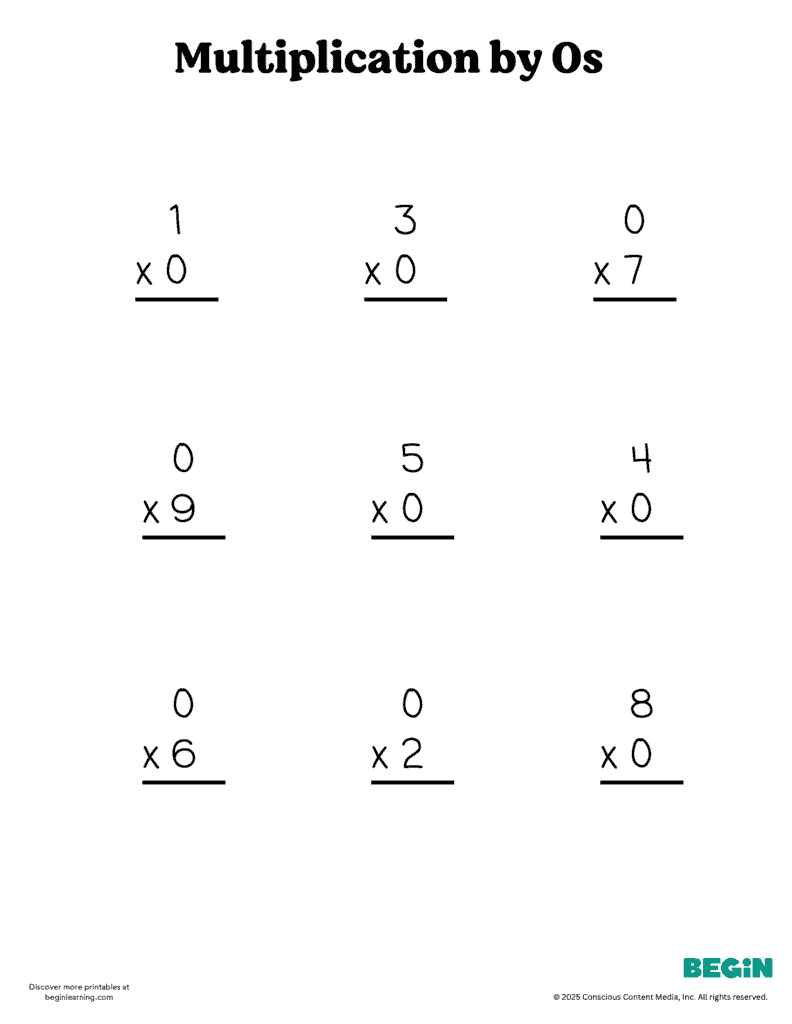
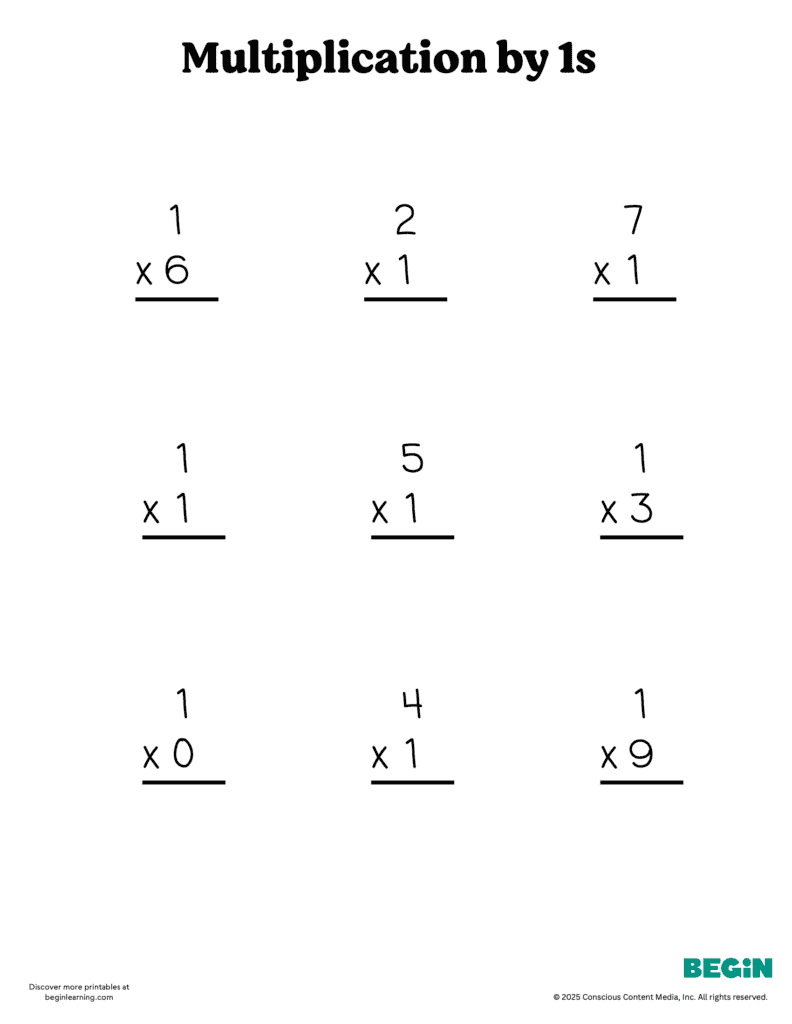
Free printable vertical multiplication by 1 worksheets for kids. Practice times tables 0-10, one multiplier at a time, with focused printable worksheets.
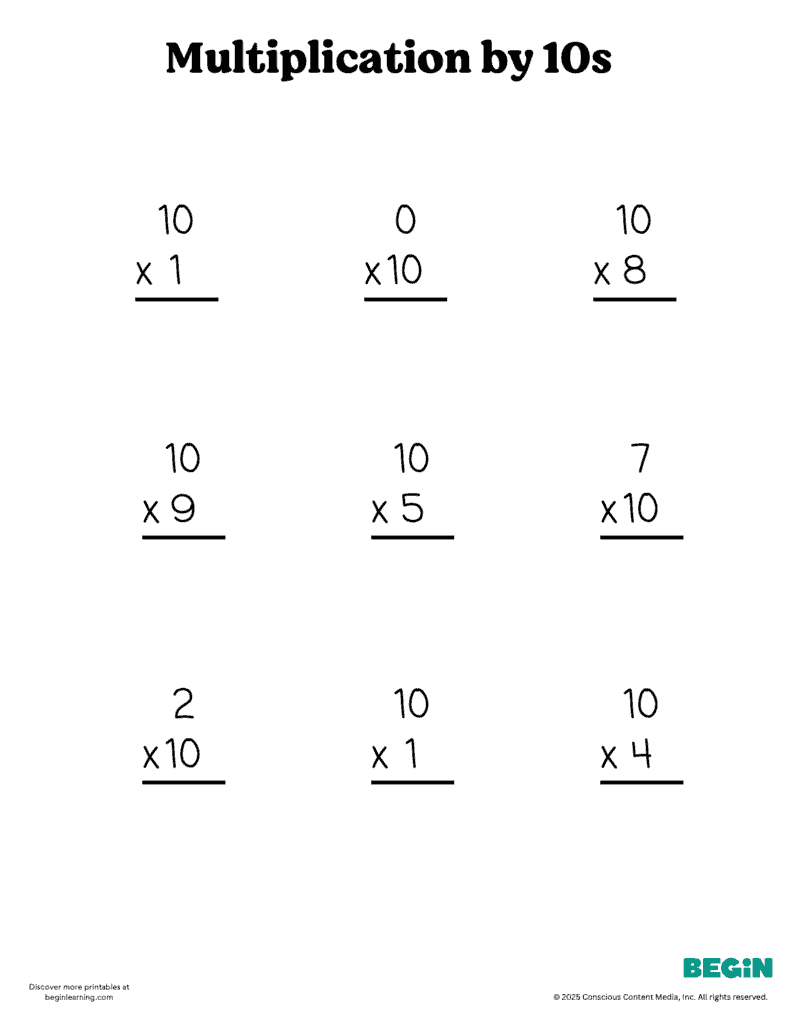
Free printable vertical multiplication by 10 worksheets for kids. Practice times tables 0-10, one multiplier at a time, with focused printable worksheets.
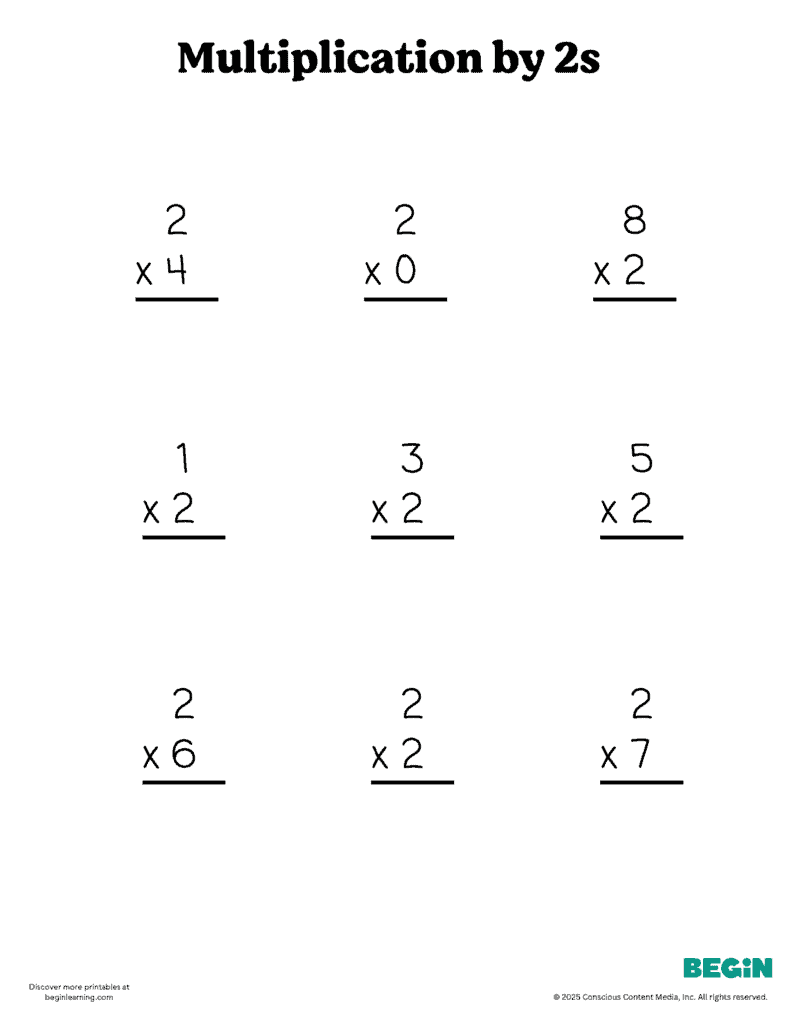
Free printable vertical multiplication by 2 worksheets for kids. Practice times tables 0-10, one multiplier at a time, with focused printable worksheets.
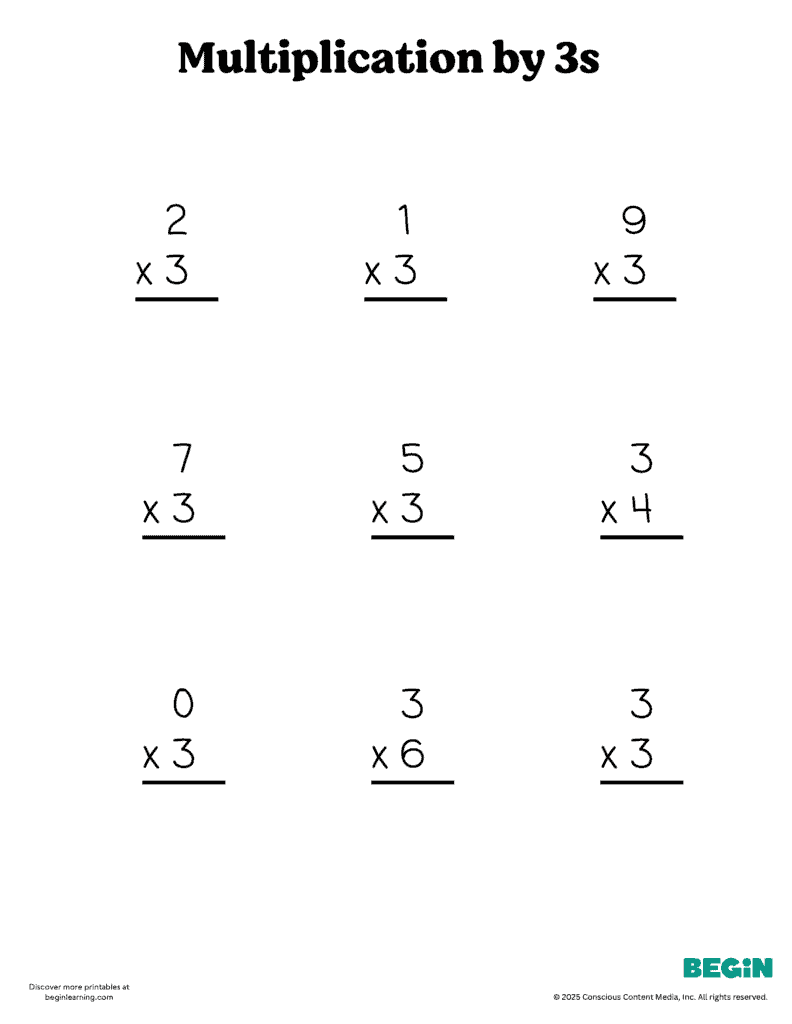
Free printable vertical multiplication by 3 worksheets for kids. Practice times tables 0-10, one multiplier at a time, with focused printable worksheets.
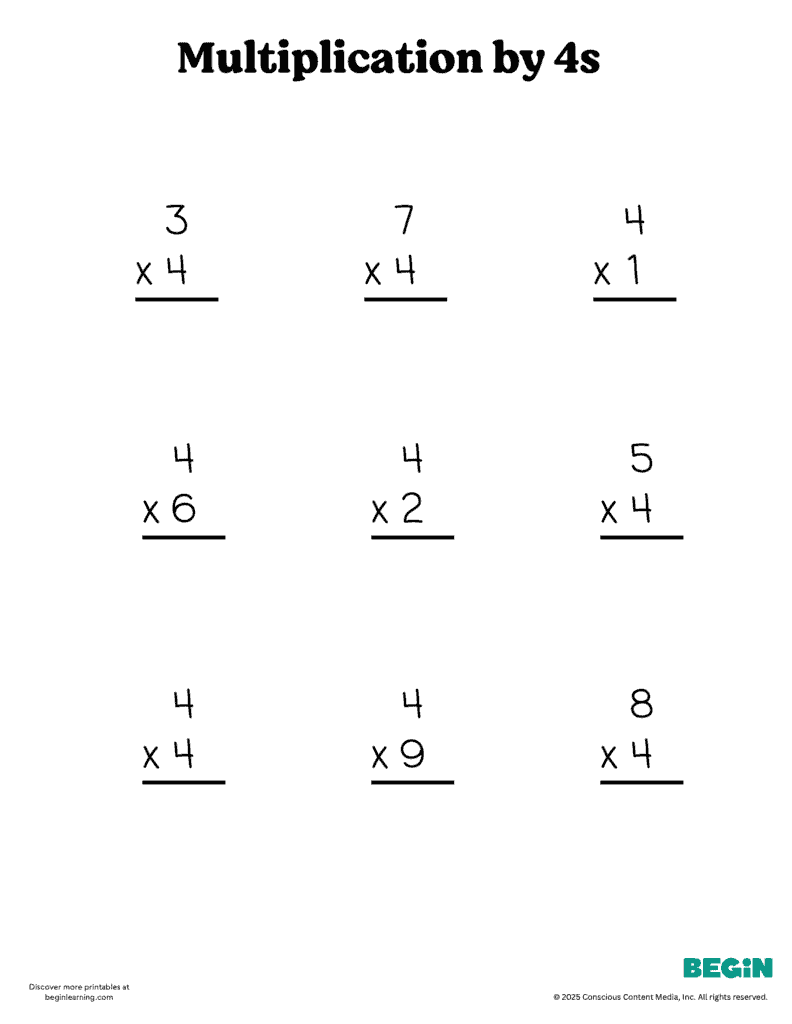
Free printable vertical multiplication by 4 worksheets for kids. Practice times tables 0-10, one multiplier at a time, with focused printable worksheets.
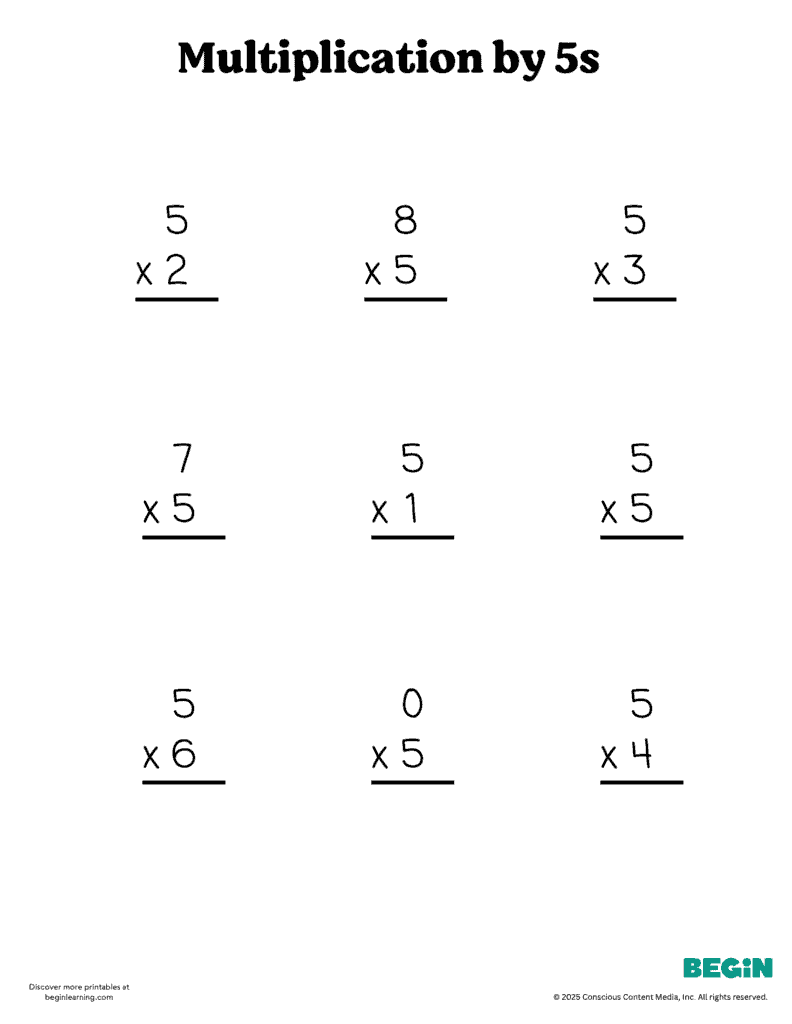
Free printable vertical multiplication by 5 worksheets for kids. Practice times tables 0-10, one multiplier at a time, with focused printable worksheets.
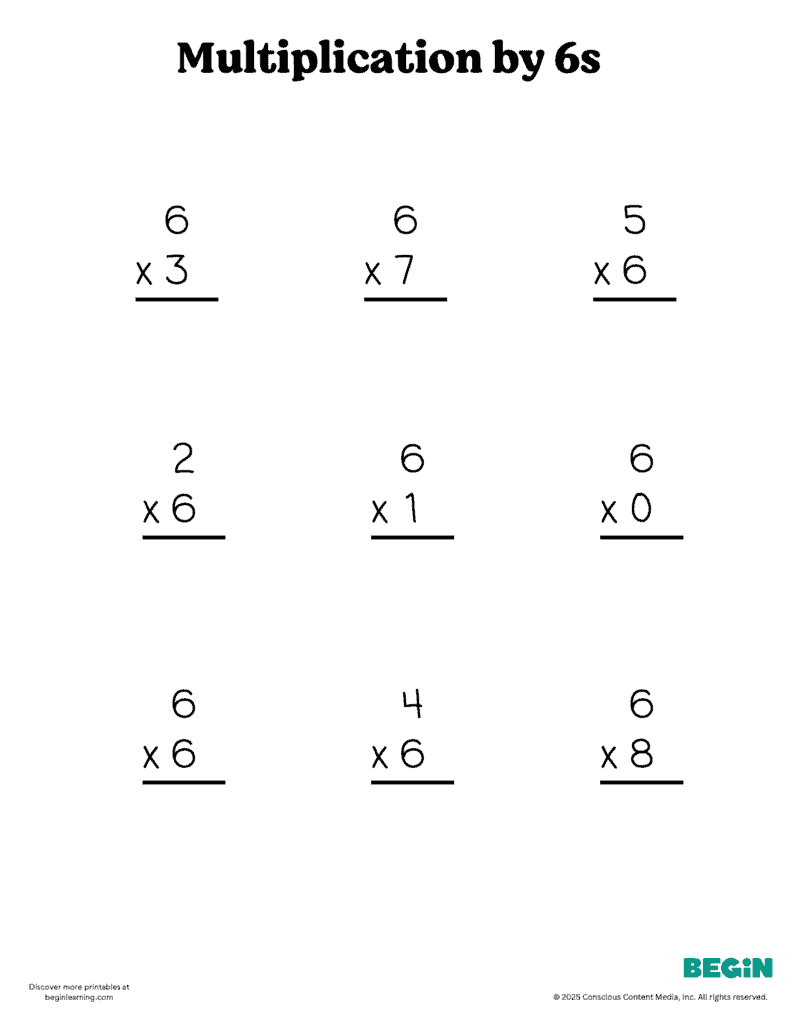
Free printable vertical multiplication by 6 worksheets for kids. Practice times tables 0-10, one multiplier at a time, with focused printable worksheets.
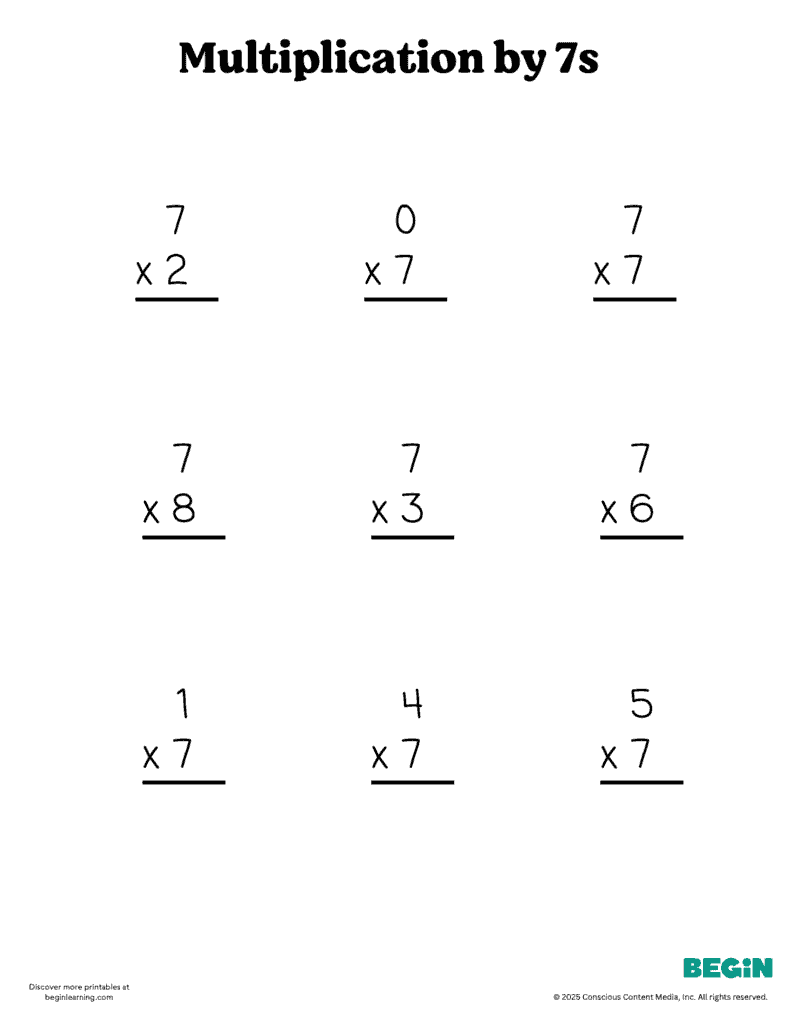
Free printable vertical multiplication by 7 worksheets for kids. Practice times tables 0-10, one multiplier at a time, with focused printable worksheets.
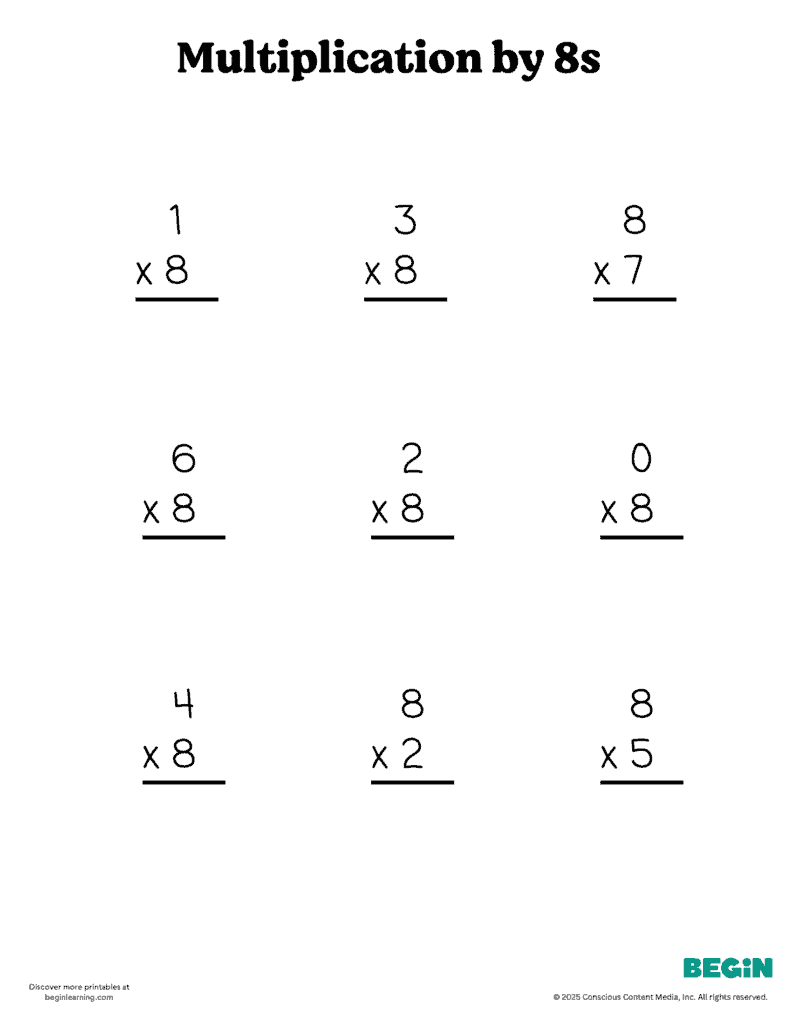
Free printable vertical multiplication by 8 worksheets for kids. Practice times tables 0-10, one multiplier at a time, with focused printable worksheets.
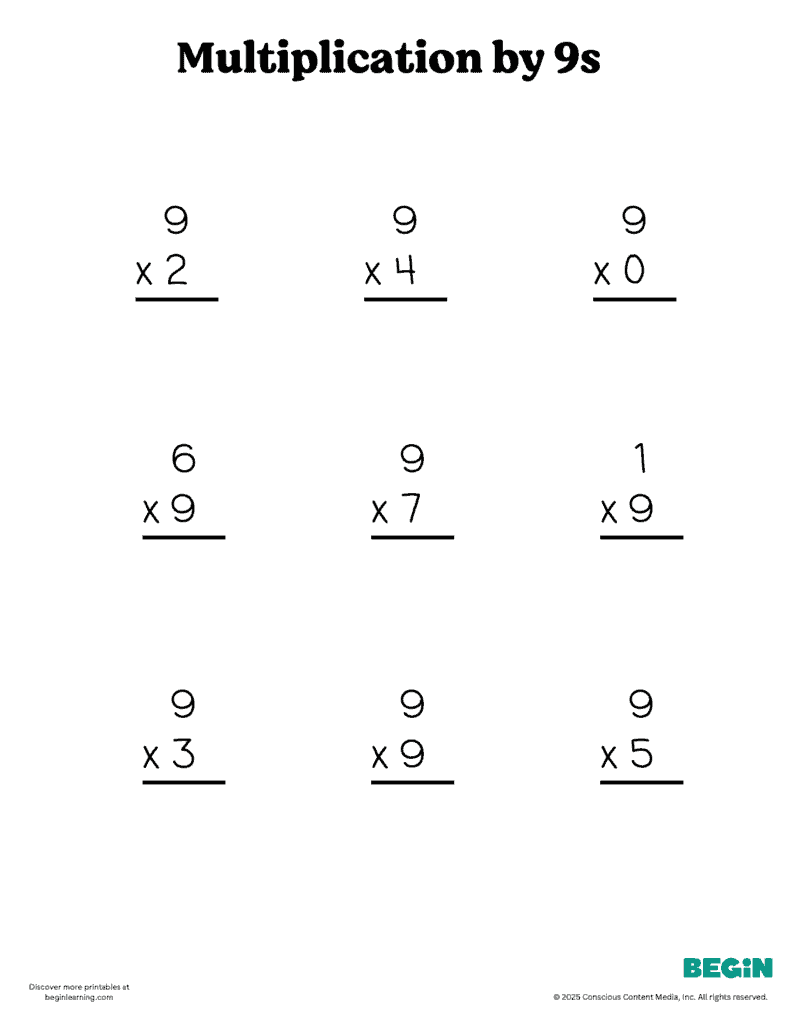
Free printable vertical multiplication by 9 worksheets for kids. Practice times tables 0-10, one multiplier at a time, with focused printable worksheets.
Our free multiplication worksheets help kids build the fact fluency they need to feel confident in math. Whether your child is just getting started with the concept of multiplication or ready to drill specific times tables, these printable practice pages make it easy to work at the right pace, at home or anywhere else.
Each worksheet focuses on a single multiplier, from 0s through 10s, so your child can build real confidence with one set of facts before moving on to the next.
Most children are ready to start working on multiplication between second and third grade. A helpful readiness check: can your child skip count by 2s, 5s, and 10s? Do they have a solid grasp of addition facts? If yes, they have the building blocks multiplication needs. That said, every child moves at their own pace. If your child isn’t quite there yet, more time with addition and skip counting will get them ready without any pressure.
Multiplication is the skill of combining equal groups quickly. Instead of counting out 4 groups of 3 one by one, your child learns to recognize that 4 x 3 is always 12. That shift from counting to knowing is what fact fluency looks like. Fact fluency means your child can recall facts quickly and accurately without stopping to figure them out each time. That automaticity matters because math gets significantly harder when a child has to reconstruct basic facts mid-problem. Beyond memorization, multiplication practice builds number sense, mental math skills, and the foundation for division, fractions, and multi-step problem solving down the road.
Short and consistent beats long and occasional. Five to ten minutes of focused practice three to four times a week is more effective than longer sessions once or twice a week. Think of it like reading practice: a little bit every day adds up fast. Keep sessions relaxed and low-stakes. The more positive the experience, the more willing your child will be to keep going.
A good sequence is: 0s and 1s first (they follow simple rules), then 2s, 5s, and 10s (which connect to skip counting), then 3s, 4s, 6s, 7s, 8s, and 9s. That said, there’s no single right order. If your child already has strong 2s facts, start there and build momentum. Let your child’s comfort level guide the pace more than any prescribed sequence.
Frustration during math practice is normal and usually signals one of two things: the facts are genuinely new and need more time, or the session has gone on too long. Either way, it’s a good cue to stop. Take a break, come back tomorrow, and try a shorter session. If frustration is consistent, it may help to back up and spend more time on a number your child already knows well. Building confidence with easier facts often unlocks progress on harder ones.
Third grade is typically when multiplication becomes a core focus in school, and the expectation is that children develop fluency with all multiplication facts up to 10 x 10 by the end of the year. These worksheets align directly with that goal. Practicing at home reinforces what your child is learning in the classroom and helps facts move from “I think I know this” to “I know this automatically.” That automaticity is what teachers are working toward in class.
Each worksheet focuses on a single multiplier, from 0s through 10s, so your child can build real confidence with one set of facts before moving on to the next. Start at whichever number makes sense for where your child is right now. If they’re brand new to multiplication, 0s and 1s are a great entry point. If they already have some facts down, jump to the multiplier they’re working on in class. Each page covers that number paired with factors from 0 through 10, giving your child enough focused repetition to start building recall.
