Free Printable Letter “A” Worksheets
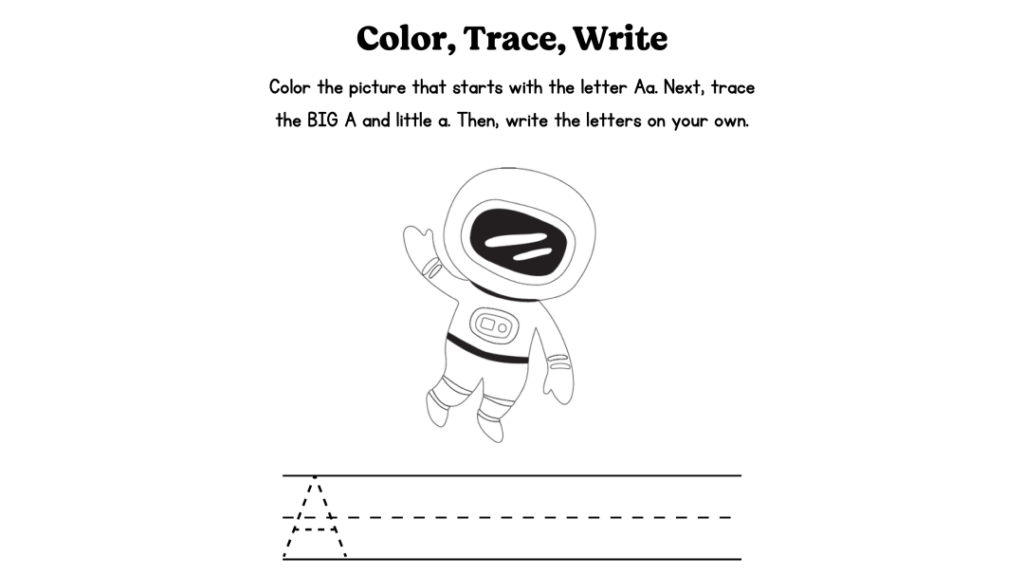
Free letter "A" printable worksheets for kids to color, trace, and write. Strengthen phonics, handwriting, and fine motor skills with fun practice.

Free letter "A" printable worksheets for kids to color, trace, and write. Strengthen phonics, handwriting, and fine motor skills with fun practice.
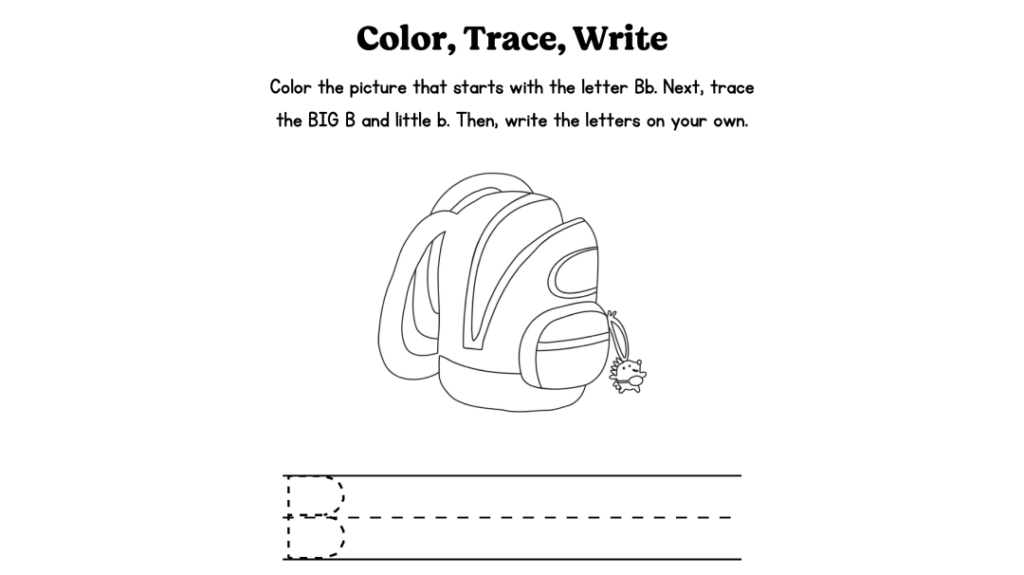
Free letter "B" printable worksheets for kids to color, trace, and write. Strengthen phonics, handwriting, and fine motor skills with fun practice.
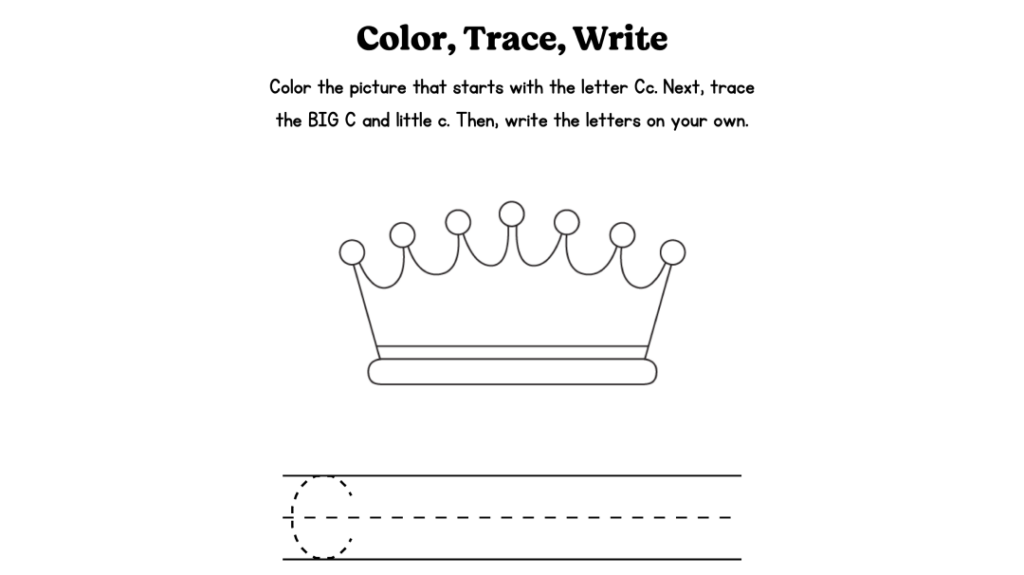
Free letter "C" printable worksheets for kids to color, trace, and write. Strengthen phonics, handwriting, and fine motor skills with fun practice.
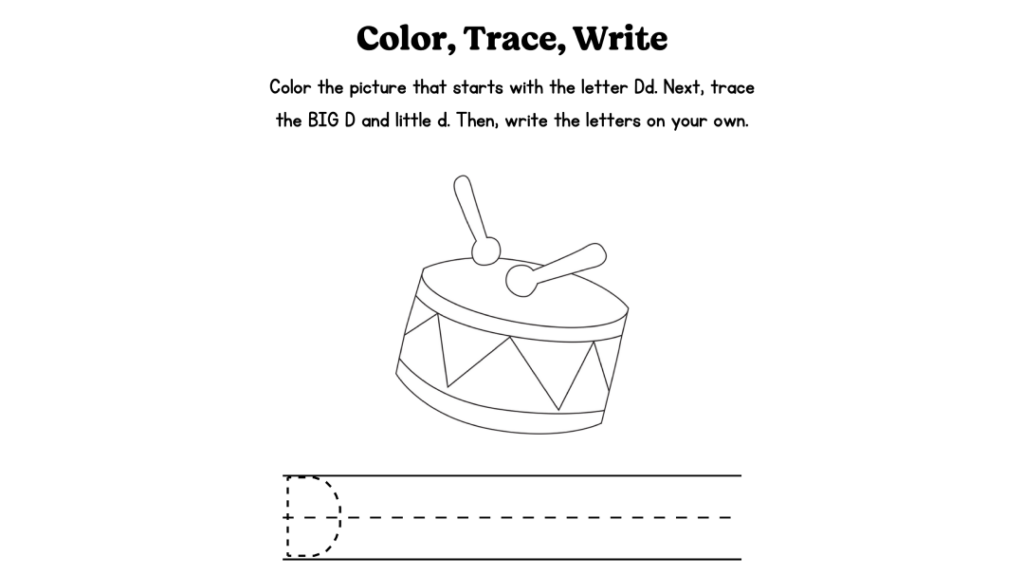
Free letter "D" printable worksheets for kids to color, trace, and write. Strengthen phonics, handwriting, and fine motor skills with fun practice.
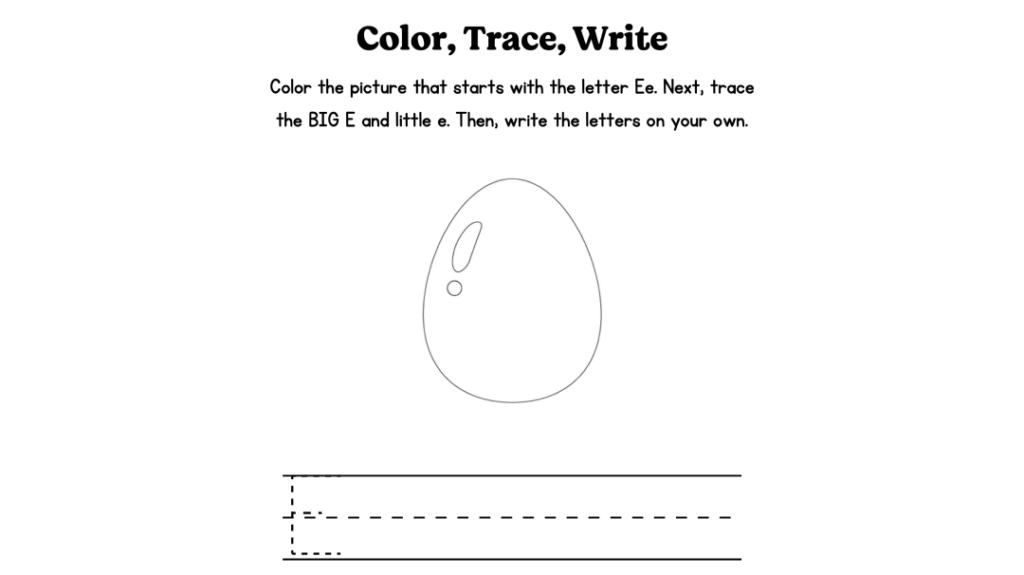
Free letter "E" printable worksheets for kids to color, trace, and write. Strengthen phonics, handwriting, and fine motor skills with fun practice.
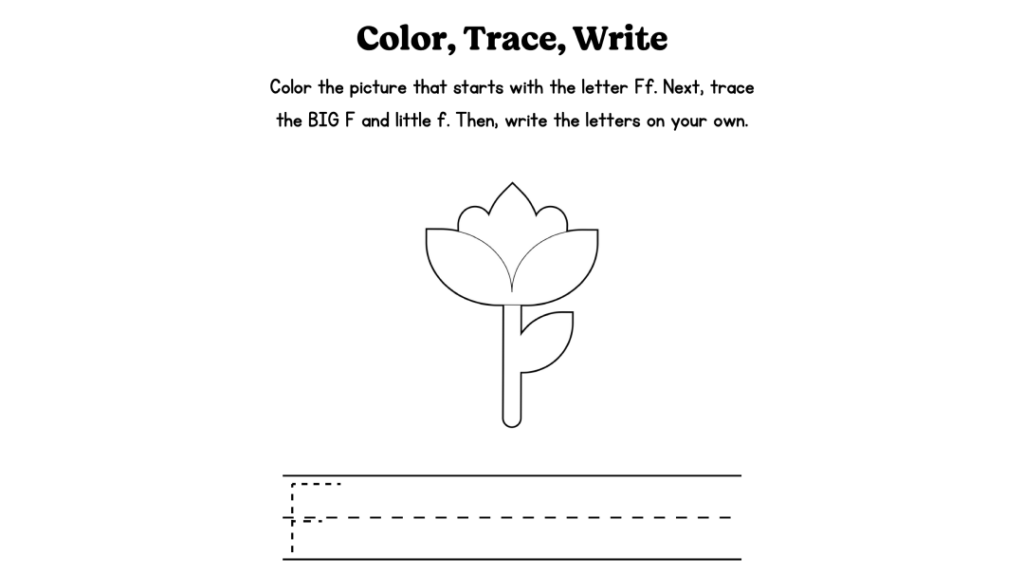
Free letter "F" printable worksheets for kids to color, trace, and write. Strengthen phonics, handwriting, and fine motor skills with fun practice.
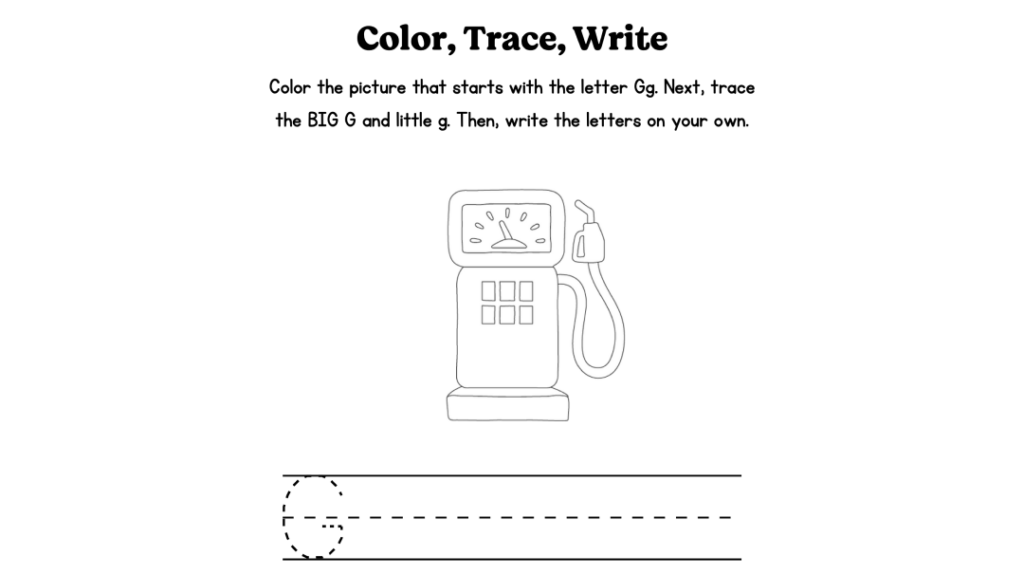
Free letter "G" printable worksheets for kids to color, trace, and write. Strengthen phonics, handwriting, and fine motor skills with fun practice.
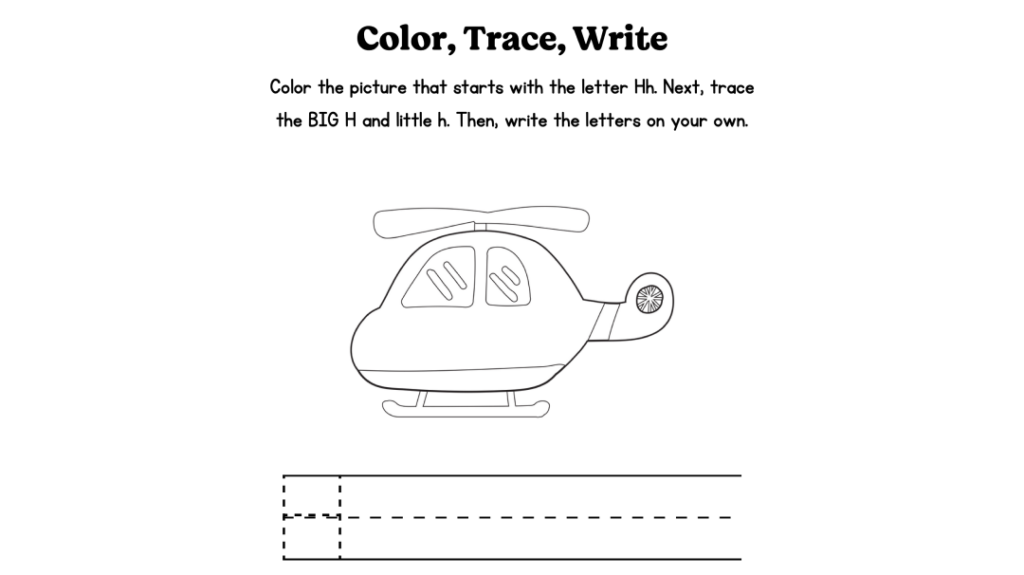
Free letter "H" printable worksheets for kids to color, trace, and write. Strengthen phonics, handwriting, and fine motor skills with fun practice.
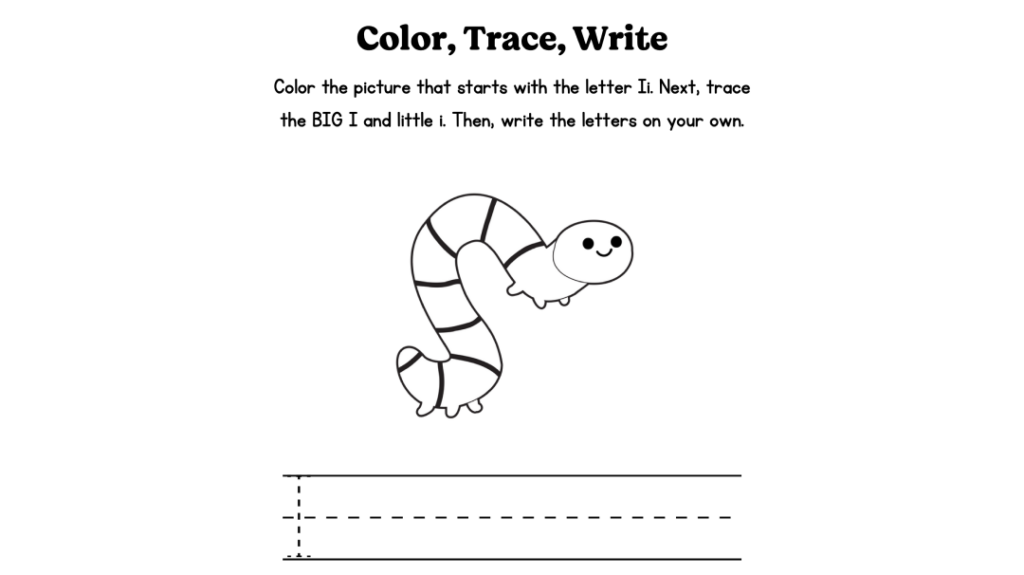
Free letter "I" printable worksheets for kids to color, trace, and write. Strengthen phonics, handwriting, and fine motor skills with fun practice.
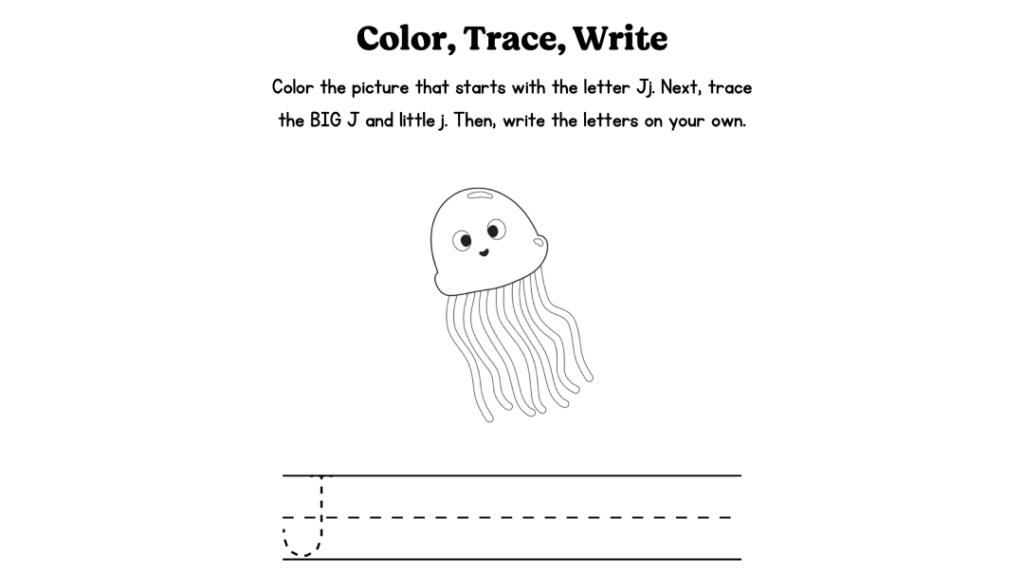
Free letter "J" printable worksheets for kids to color, trace, and write. Strengthen phonics, handwriting, and fine motor skills with fun practice.
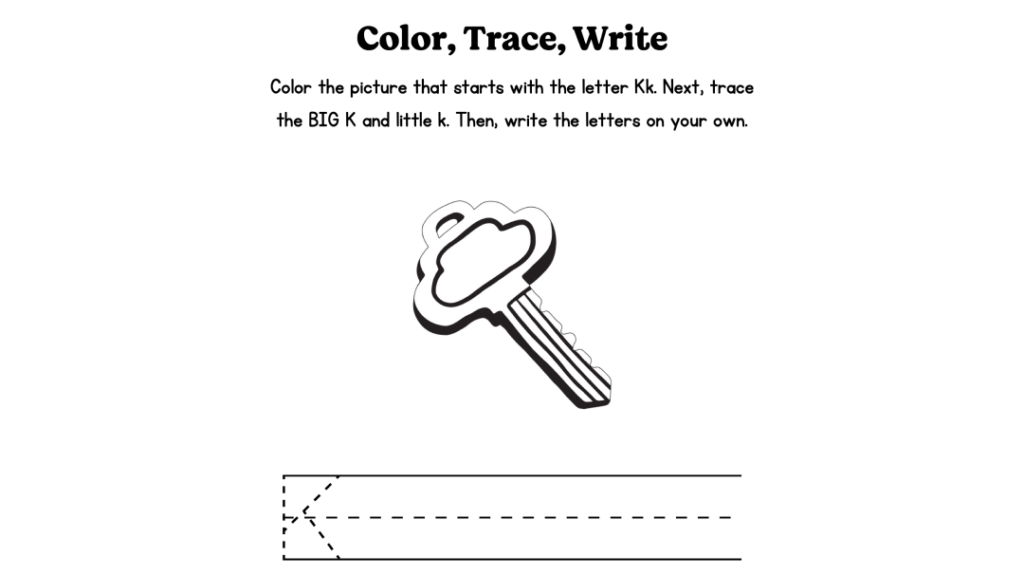
Free letter "K" printable worksheets for kids to color, trace, and write. Strengthen phonics, handwriting, and fine motor skills with fun practice.
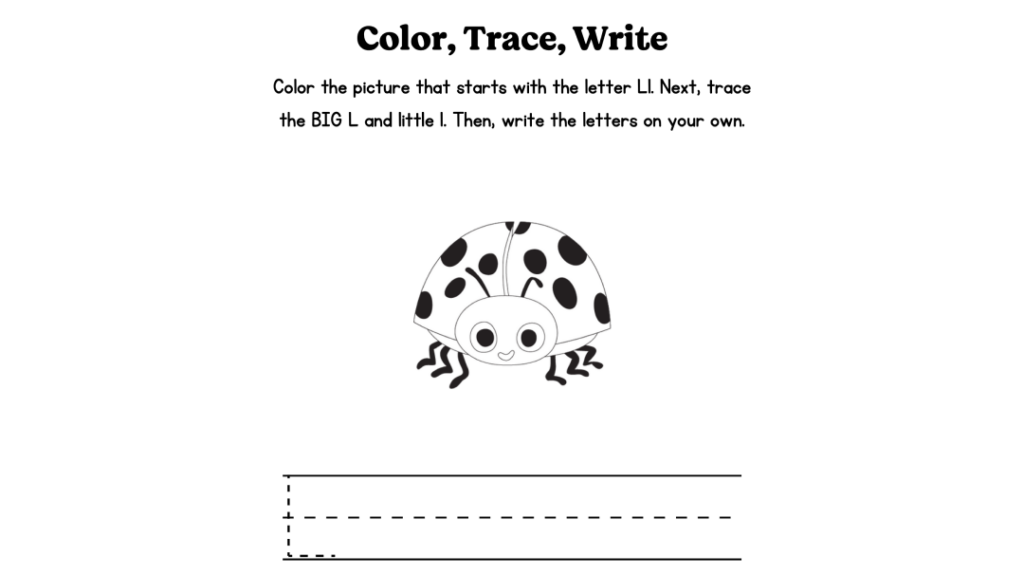
Free letter "L" printable worksheets for kids to color, trace, and write. Strengthen phonics, handwriting, and fine motor skills with fun practice.
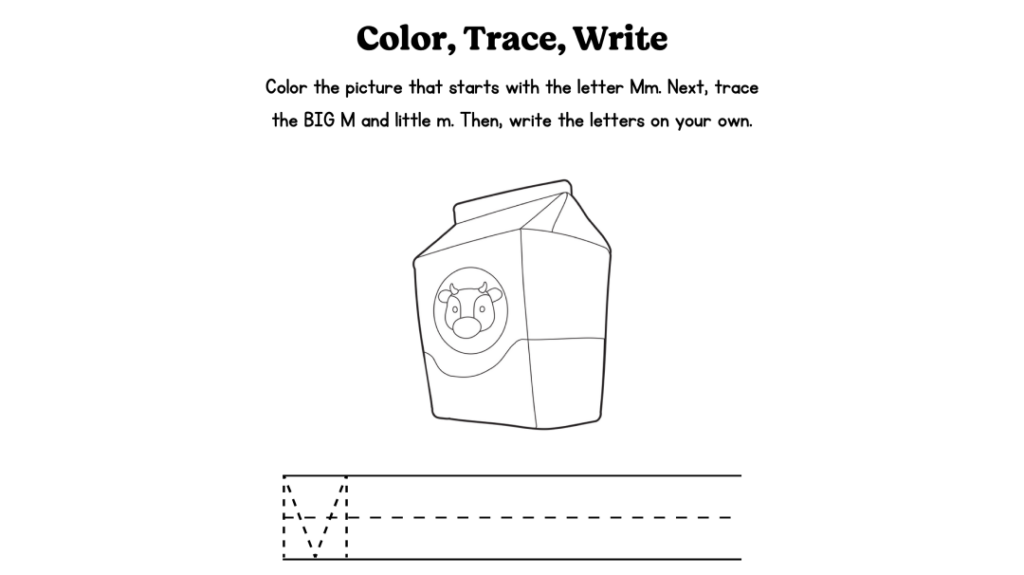
Free letter "M" printable worksheets for kids to color, trace, and write. Strengthen phonics, handwriting, and fine motor skills with fun practice.
Coloring, tracing, and writing worksheets build three core early-literacy skills in one engaging activity. Your child begins by coloring a picture that starts with the featured letter, linking the sound to a visual cue. Then, they trace the letter to develop muscle memory and stroke control. Finally, they write or print it on their own, applying what they’ve practiced.
Each worksheet comes in uppercase, lowercase, and mixed-case formats, so you can tailor practice to your child’s level. You might even hear them say the letter sound aloud or describe the picture as they work, showing they’re connecting print, sound, and meaning.
These worksheets combine three core literacy-building activities that support early reading and writing development. Coloring strengthens fine motor control and introduces children to the letter sound through a visual image. Tracing reinforces proper stroke direction and letter shape. Independent writing encourages memory recall and builds confidence in forming letters on their own. Together, these steps develop phonemic awareness, pencil control, and letter recognition.
Coloring isn’t just art-it’s a literacy tool. It improves hand muscles needed for writing, introduces the letter sound through a visual association (like “A is for ambulance”), and makes the activity feel approachable and fun. When children color a picture that starts with a specific letter, they’re forming mental connections between the letter, its sound, and a concrete object. This multi-sensory approach helps the learning stick better than simply looking at a letter on its own.
Most children find uppercase letters easier to write because they use simpler strokes and sit uniformly on the line. Starting with uppercase worksheets builds confidence and success. Once your child feels comfortable with uppercase letters, you can introduce lowercase versions, which involve more curves and varied heights. Mixed-case worksheets work well when your child is ready to practice switching between both forms, which prepares them for reading and writing real words and sentences.
Not necessarily. Some children enjoy working through coloring, tracing, and writing all at once, while others do better breaking the worksheet into shorter sessions. You might color together one day, trace the next, and write on the third. This approach prevents fatigue and keeps the activity feeling fun rather than like a chore. Pay attention to your child’s focus and energy. If they’re getting frustrated or losing interest, it’s okay to stop and come back later.
Messy letters are completely normal and expected at this stage. Your child is building brand-new skills, and it takes time for their hand control to catch up with their intentions. Focus on effort rather than perfection. Celebrate when they try, stay within the lines mostly, or remember to start at the top. Over time and with practice, their letter formation will naturally improve. Pointing out every mistake can make children anxious about writing, so offer gentle guidance and lots of encouragement instead.
If independent writing feels too challenging, guide their hand gently for the first attempt, then let them try on their own. You can also demonstrate by writing the letter yourself while describing each stroke out loud: “First we make a circle, then a line down.” Breaking the letter into simple steps makes it less overwhelming. Some children benefit from practicing the letter in the air with big arm movements before transferring to paper. If frustration builds, take a break and return to tracing for a while longer.
Absolutely. Even if your child recognizes a letter, these worksheets provide valuable handwriting practice and phonics reinforcement. Children often know letters visually before they can write them confidently, so tracing and printing practice is still beneficial. You can also use familiar letters as confidence builders before introducing new, unfamiliar letters. Some children enjoy revisiting letters they know, which gives them a sense of mastery and accomplishment.
Short, regular practice works better than long, infrequent sessions. Two to three times per week for 10-15 minutes is ideal for most young learners. You can focus on one letter per week or move through letters at whatever pace feels right for your child. Some children enjoy daily letter practice, while others prefer spacing it out more. The most important thing is keeping the experience positive and pressure-free, so your child develops a healthy relationship with learning.