When your child is stressed, you want to do everything you can to help. Maybe they’re worried about their first day of school. Or maybe they need to apologize to a friend. While you can’t make their stress disappear, you can help your child build coping skills.
Coping skills such as practicing self-kindness, building a sense of gratitude, and learning how to calm your body give your child a toolbox they can count on. So when any stress creeps into their life, they can open it and try one, two, or a few of those skills.
Even though it’s tough to watch your child stressed, remember they’re developing the skills they need to move through it now and for the rest of their life. And you can play a big part in that! Here are some key coping skills and tips to help your child learn them.
Key Takeaways
- Coping skills help your child find positive options when they feel stress.
- If your child becomes afraid of being alone, if their appetite changes, or if they’re more clingy than usual, you might be seeing early signs of stress.
- Practicing self-kindness, finding gratitude daily, learning relaxation techniques, and belly breathing can help your child manage their stress.
- Some tips you can use to help your child develop coping skills are noticing their stress early, modeling coping skills, encouraging questions, and more.
Table of Contents
- Why Are Coping Skills Important?
- Signs of Stress
- Important Coping Skills for Kids
- Tips for Helping Your Child Develop Coping Skills
Why Are Coping Skills Important?

Coping skills are critical tools for creating options. If your child can first cope with their stress, they can make room for choices to emerge. These choices help your child feel empowered, which in turn can positively affect their mood and behavior.
Once your child learns some coping skills, they can begin to regulate their emotions and build the confidence they need to handle whatever may come their way today, tomorrow, and throughout their life.
Signs of Stress
Sometimes your child won’t (or can’t) directly let you know they’re experiencing stress. But to help your child cope, you need to know when they’re feeling challenged.
Be on the lookout for these early signs that may indicate stress:
- Fear of being alone
- Bad dreams
- Bed-wetting
- Appetite changes
- Increase in temper tantrums or whining
- Clinginess
Important Coping Skills for Kids
Practice Self-Kindness
Stress is sticky! What begins as one stress can sometimes snowball into many, each one sticking to the one before it. Practicing self-kindness can stop that pile-up.
Maybe your child said something unkind to their friend. They could feel bad about that, then feel like they must be a bad friend, and then decide no one likes them. The sticky snowball!
But if you can help your child develop self-kindness, they can stop that cycle. So, yes, they said something unkind, but that doesn’t mean they’re a bad friend. “You made a mistake,” you might say. Or “Let’s remember all of the other kind things you’ve said to your friend.”
Once your child can isolate the specific stress, you can help them address it.
Make Gratitude a Habit
If your child makes gratitude a habit, they’re creating a way to remember the good stuff. Maybe they talk about a few things they’re grateful for after you tuck them into bed at night. Or maybe you help make a gratitude jar.
Whatever you choose, weaving a gratitude practice into your child’s day gives them a strong foundation to fall back on. They’ll become so familiar with what they appreciate about their life that they can hold onto it even when things are stressful.
Unwind Every Day
Similarly to gratitude, if you can help your child integrate a calming practice into their day, they’ll have a centered and quiet baseline they can more easily return to when they feel stress.
Some great ways to bring a calming habit into your child’s day are by stretching, meditating, doing yoga, journaling, and drawing.
Vocalize and Move
A fun way to deactivate stress is by physically releasing the feeling it ignites in your body. If your child is anxious about something, you can ask them to try:
- Shouting the name of whatever is causing their stress. Cortisol levels decline, endorphins are released, and the nervous system is reset.
- Humming. Humming activates a nerve in their throat that helps calm their body.
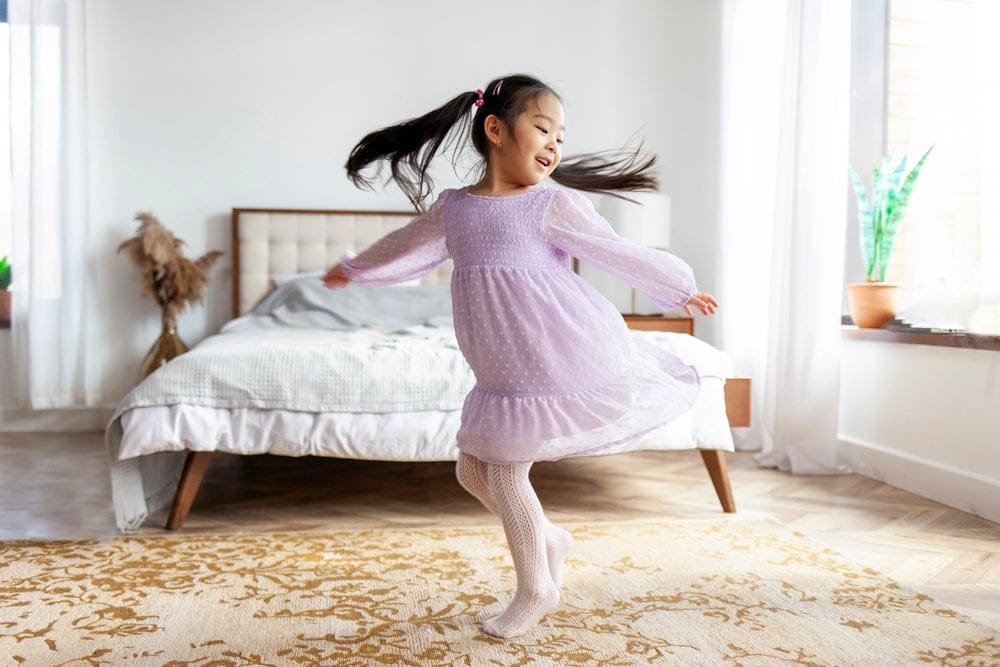
- Having a dance party (or any other whole-body movement session). Like shouting, moving their body lowers cortisol and releases endorphins.
Belly Breathe
Focusing on slow, deep breathing is a great way to reduce stress. Ask your child to put their hands on their belly. Then ask them to breathe in through their nose and breathe out through their mouth. This rhythmic “in and out” helps calm your child down.
Draw It Out
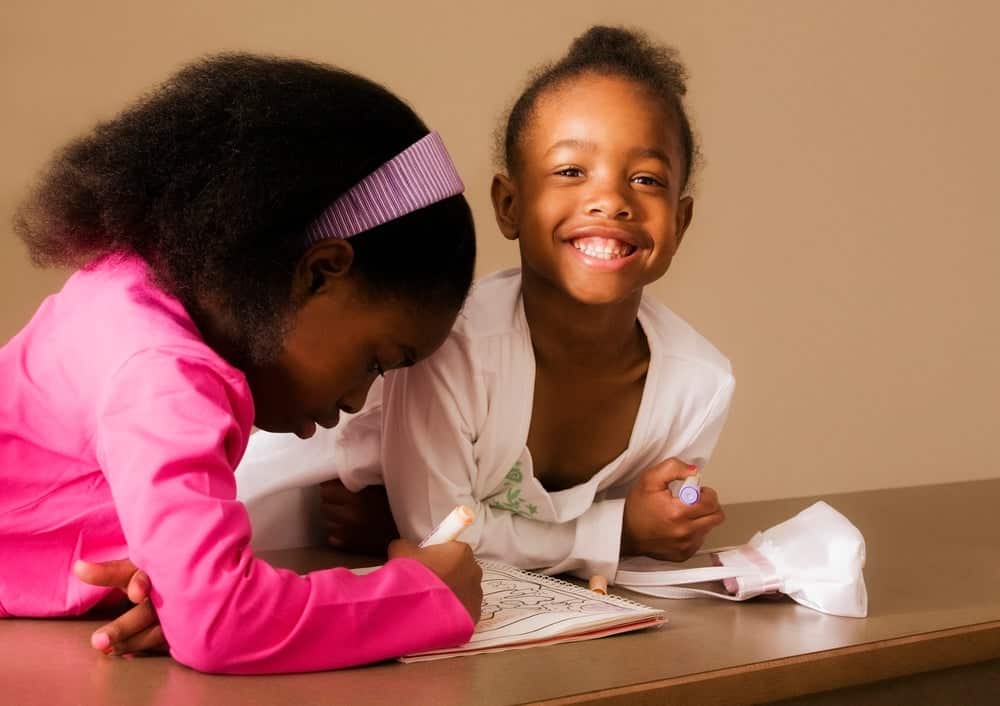
Encourage your child to draw their feelings. You might ask them, “What color is your stress? What shape is it?” Or you might ask them to draw the thing that is causing them stress.
Giving your child a creative way to handle their emotions can shift them from feeling stress to something more like curiosity. Creative control can be calming!
Tips for Helping Your Child Develop Coping Skills

1) Act Early
It’s always a good idea to know how to do something before you need it. Giving your child a chance to practice coping skills when they’re calm makes it easier for them to recall what they’ve learned when they’re actively stressed.
2) Determine How to Help
When your child is feeling stressed, asking them how they want support can make a big difference. The “hows” tend to be divided into three categories:
- Hug: Your child may want physical comfort from you.
- Help: Your child may want concrete ideas for solving their problem.
- Hear: Your child may want you to listen to them.
3) Model Coping Skills
Our kids are always watching us, right? So, a useful way to help your child learn coping skills is by modeling them yourself!
You don’t have to put on a show or demonstrate every coping skill. Focusing on what authentically helps you reduce stress is more than enough. Some ideas to riff on include:
- Calming your brain and body with meditation, yoga, or deep breathing
- Talking about your feelings
- Asking for help
- Remembering to tap into gratitude and sharing what makes you feel happy
4) Share the Positives
Once you’ve identified your child’s stress, you can talk about it together. Validate the reasons behind it (which may present as anxiety, fear, or sadness), but then spend time offering your child positive information.
You could point out their positive qualities, remind them that they’ve handled stress well before, or come up with possible solutions to their problem together.
5) Be Firm but Flexible
Try not to let your child’s daily routine fall by the wayside because of their stress. Sometimes the impulse is to stop everything until the issue is resolved, but often that only adds more stress.
Your child’s daily routine offers comfort, safety, and a sense of control: all things that help ease anxiety. But at times, it may need to change to accommodate your child’s emotional state.
Try to be creative about modifying your child’s routine or trying something new. You may need to slow down the routine, use sensory tools as transitions between tasks, or add music to your child’s day.
6) Encourage Questions
It’s more challenging to handle stress when you feel confused. If you sense your child feels like they’re in the dark, try giving them the information they seek. They might make it easy by asking questions, or you might need to initiate the conversation.
Take a Big Breath and Begin!

Even though we wish we could take away every stressor in our children’s lives, we don’t really want that. Instead, we want them to learn how to cope with their stress and carry those tools with them now and into the future.
We’d love to be a part of your child’s learning process. Begin’s Learn with Sesame Street is full of beloved Sesame Street friends who can help your child manage their feelings and learn calming strategies. And our Homer app offers personalized social-emotional learning.
Begin can’t take away your child’s stress. We wish we could! But we can give them the support they need to grow confident and strong.
Frequently Asked Questions
What is the “Regulate, Relate, Reason” system for managing stress?
The “Regulate, Relate, Reason” system gives your child the space and time they need to manage their stress.
- Regulate. You help your child feel calm and safe.
- Relate. You engage in dialogue, and you validate and empathize with their emotional state.
- Reason. You work together to find the cause of their stress and brainstorm how to alleviate it.
Does sleep affect my child’s stress level?
Yes, absolutely! If your child is well-rested, they can better cope with their stress. This is primarily because fatigue disrupts the brain’s ability to regulate emotions.
What are quick coping skills my child can use at school?
Sometimes your child can’t stop what they’re doing at school to reset their stress level. But they can do several smaller things to calm down, including:
- Tensing and relaxing hands
- Practicing slow, quiet breaths
- Getting a drink of water
- Using a fidget tool
- Talking with teacher