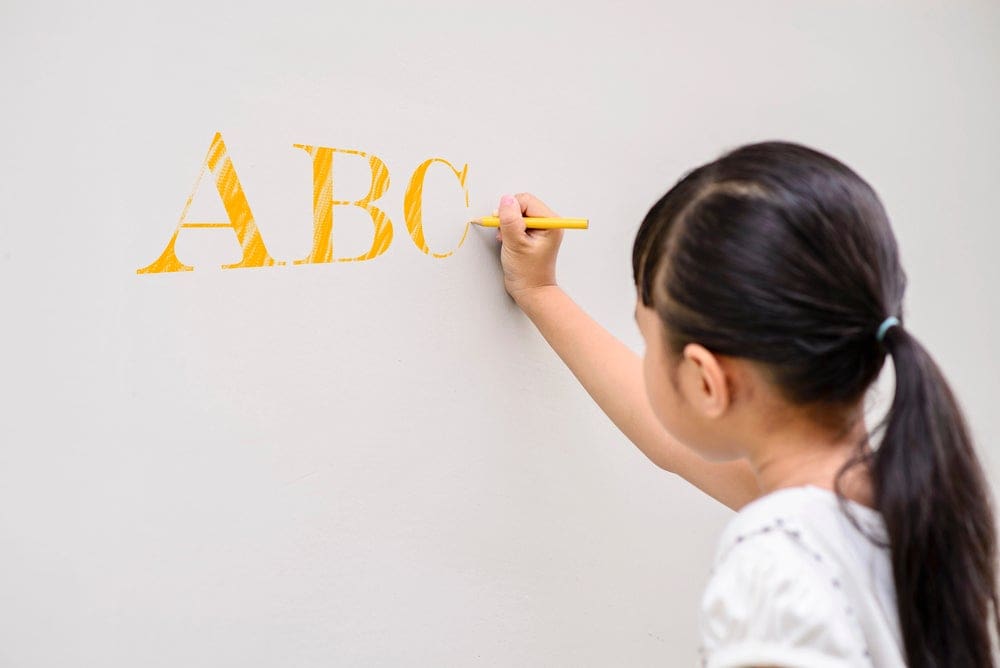

Raising a confident child is important. Confident kids are more likely to try new things, take risks, and have a positive outlook on life. If you’re wondering how to build confidence in kids, we’ve got you covered.
In this article, we share 14 strategies to help your child feel more confident. But first, let’s dive a little bit deeper into what confidence really means.
Table of Contents
Key Takeaways
- Confidence is a feeling of certainty that comes from believing in yourself and your abilities. In essence, it’s the belief that you can do what you set out to do.
- Build confidence in kids by encouraging free play, providing opportunities for purposeful communication, letting them make mistakes, assigning age-appropriate chores, modeling confidence, and giving them lots of love.
- Other ways you can build confidence in kids include creating a safe space for expression, establishing consistent routines and expectations, teaching them how to break large tasks into smaller chunks, allowing for independent problem-solving, teaching them how to cope with failure, supporting their interests, encouraging social connection, and building a positive self-image.
What Is Confidence in Kids?
We all know that confidence is a feeling of certainty that comes from believing in yourself and your abilities, and that it helps you overcome obstacles and setbacks.
Having confidence is something we want to foster in young children, too. When they’re confident, they are more comfortable making mistakes. They know it’s part of the process of learning and that they can move past them. For example, when kids are confident, they’re more likely to try a new sport, volunteer an answer, or make a new friend.
They’re also not afraid to share their thoughts and opinions with others. They can disagree without feeling insecure or defensive. As a result, they can build better relationships and learn how to navigate life’s challenges more easily.
By building confidence early on, kids can boldly tackle obstacles throughout their entire lives.
How to Build Confidence in Kids
Now let’s explore ways to build confidence in kids.
1) Encourage Free Play

If you want to build confidence in kids, make sure they have plenty of time for free play each day. This unstructured time allows them to explore different interests and try new things.
When they’re free to play without adult interference, kids can figure things out for themselves. They learn how to problem solve and come up with creative solutions. And, most importantly, they learn that failure is not the end of the world.
If your child is accustomed to a more structured day, they might need some help learning to enjoy free time. They might even say they’re bored and ask you to find them something to do.
But don’t worry—boredom isn’t a bad thing! When you’re bored, you start to daydream and think of creative solutions and new ideas.
So, acknowledge that your child is bored, and then encourage them to look around their environment to get some ideas. Provide open-ended toys or apps that encourage creative thinking, like the HOMER app. Then, let them play!
2) Provide Opportunities for Purposeful Communication

Confident kids can communicate with others, so it’s important to provide opportunities for purposeful communication to help your child in this area.
Give them a chance to talk about things that matter to them. Ask open-ended questions about their day, what they’re interested in, or (for older kids) their thoughts on current events.
You can also boost their confidence by giving them a chance to speak instead of answering for them in daily situations. Here are three practical ways to make this happen:
- Schedule a time for your child to FaceTime with their grandparents or someone else who cares about them. Let them chat without you jumping in.
- If you go out to eat, talk about the menu with your child and let them select what they want. Then, encourage them to order their own food.
- Go to a dollar store and have your child choose an item and pay for it.
- If a problem arises, ask your child to brainstorm solutions. Encourage them to think outside the box and share ideas they think might work.
When your child feels like their opinions matter, it boosts their confidence. It also helps them learn how to express themself better.osts their confidence. It also helps them learn how to express themself better.
3) Let Them Make Mistakes
Everyone makes mistakes. But when confident people make a mistake, they don’t let it define them. Instead, they learn from what went wrong and move on.
You can inspire this behavior in your child by giving them a chance to fix mistakes on their own. They’ll learn a lot more from this than if you take over and make everything right. They may even have an “I Did It!” Moment!
Of course, you’ll need to step in if a mistake could be dangerous. But for small things, let them try to figure it out on their own. For instance, let them figure out that a puzzle piece is in the wrong spot. Your role can just be to act as a sounding board when they need one.
In addition, pay attention to your response to situations. If you have a big reaction when your child does something wrong, they’ll learn to fear making mistakes. But, if you stay calm, they’ll learn to handle difficult situations well.
4) Assign Age-Appropriate Chores

Another way to help your child feel capable and confident is to give them age-appropriate chores. When kids have responsibilities around the house, it teaches them that they’re a valuable part of the family.
Chores also give kids a sense of accomplishment. When they’ve finished, they can look at what they’ve done and know that their effort helped the family.
Talk to your child about any chore you give them, and help them break it down into smaller parts so it’s not overwhelming. Then, teach them how to do each part as you go along.
You may also want to do the chore together a few times. When you’re sure they know what to do, let them try it on their own.
Once they’re finished, don’t go back and redo their work. Instead, embrace imperfection and praise your child for doing their best.
5) Love Your Children Unconditionally

One of the most important things you can do as a parent is to love your child unconditionally. It will benefit them in so many ways, including helping them to be confident kids and later, adults.
This doesn’t mean you never set limits or use consequences. But it does mean that your child knows you’re always there for them, no matter what.
When kids know that your love isn’t tied to their behavior or performance, it gives them the courage to try new things. They won’t feel like they have to be perfect to be accepted.
6) Model Confidence
Your own behavior is a big part of your child’s confidence journey. Kids care about what you think, and they learn a lot from watching you.
Simply put, if you want your child to be confident, you need to show them what confidence looks like. Be sure to speak positively about yourself in front of your children. Let them see that you believe in yourself and can handle both happy and difficult situations.
When you’re feeling down, don’t hide your feelings. Instead, show your child that it’s OK to feel sad or scared sometimes. Modeling how to work through those feelings can show your child what resilience looks like.
In addition to embracing who you are and working through your emotions, let your child see you try new things. Start a new hobby, and don’t quit if your first few attempts don’t work out.
When our kids see us trying and then trying again if we fail, they’ll be more likely to take risks and do the same.
7) Let Your Child Be the Expert
Nurture your child’s passions and let them be the expert on those things. This boosts their confidence and makes them feel capable.
For example, ask them to teach you about the things they’re interested in. Then, ask them questions about what they’re doing and truly listen to their answers.
When our kids know we’re invested in what they’re doing, it makes them feel important and shows that we value their knowledge.
8) Create a Safe Space for Expression

Being able to freely express their thoughts, opinions, and emotions helps kids feel more confident. To create a safe space where kids can express themselves, try these tips.
Give your full attention. When your child wants to interact with you, pause whatever you’re doing (if at all possible) and give them your full attention. Put distractions aside, get down on their level, make eye contact, and show genuine interest in what they’re saying.
Listen without interrupting. Listening without interrupting isn’t always easy, but staying quiet while your child speaks helps them feel comfortable sharing things with you.
When they’re talking, let them finish their thoughts before you respond, and resist the urge to jump in right away with solutions or your own experiences.
Create a non-judgmental atmosphere. Kids’ thoughts, feelings, and ideas aren’t always logical or even rational, and that’s OK!
No matter what your child has to say, avoid criticizing, shaming, or belittling them. Instead, talk to them about what they’re feeling so they get used to discussing their emotions and working through their problems.
9) Establish Consistent Routines and Clear Expectations
Setting up consistent routines and clear expectations provides your child with a sense of security and predictability. It also helps them make sense of the world around them. This can go a long way toward helping them develop confidence in their abilities.
Consistent Routines
Take a look at your day—and your child’s day—and create a routine that works for everyone involved.
It may be something as simple as breakfast, playtime, lunch, nap, playtime, dinner, bath time. Or, it can be more detailed where you break down playtime into different tasks (e.g., independent play, sensory play, pretend play, etc.).
However you choose to structure your day, stick to the routine as much as possible, even on weekends. Doing so helps your child develop a sense of security because they know what to expect.
Clear Expectations
Let your child know what is expected of them at home and out in the world. For example, you may expect your child to be gentle when playing with toys and to not interrupt people when they are speaking.
Communicate those expectations to your child, model that behavior, and give them positive feedback when they exhibit those behaviors.
10) Teach Them How to Break Large Tasks into Smaller Chunks
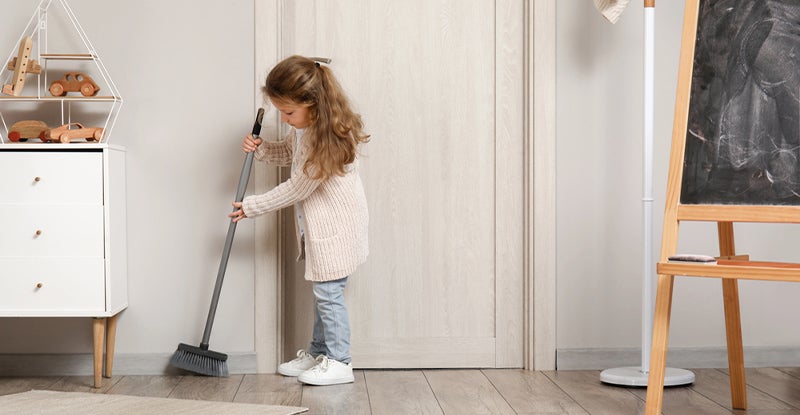
If you notice your child’s confidence wavering because of the complexity of something they want to do, teach them how to break it down into smaller chunks.
A big task, like cleaning their room, may seem completely overwhelming. But you can help them conquer the task by creating smaller steps.
For example, have them put away all their blocks. Step one done! Then have them put away any stuffed animals. Step two done! Continue with cars, dolls, and books until their room is back in order.
When they’re done cleaning, take a few moments to describe what you just did and how it made things more manageable.
11) Allow for Independent Problem-Solving
When our kids have a problem and are struggling to solve it, we want to jump in and fix things for them. Resist that urge!
Sure, sometimes you will need to solve a particularly difficult problem for them, but be selective about which ones you get involved in. Give them some time and space to try to figure it out on their own first.
If they’re struggling, try working through it with them instead of solving it for them. Ask what solutions they’ve tried, what other things they could try, and what they think might happen if they did something different.
This is also a great time to encourage your child to brainstorm in order to build creative thinking.
12) Teach Your Child How to Keep Trying
Our kids are going to make a lot of mistakes! That’s just the nature of growing up. So teach them how to keep trying instead of getting frustrated when they’re not immediately successful.
This may include such things as:
- Reframing mistakes as learning opportunities
- Building strategies to manage frustration, disappointment, and setbacks
- Modeling resilience
- Helping them stick with something instead of giving up
13) Support Their Interests

Supporting your child’s interests is a great way to nurture their confidence. When they engage in activities they enjoy, they’re more likely to develop a sense of competence and pride.
The first step is to pay attention and see what they like. What do they talk about most enthusiastically? What do they choose to do with their free time? Do they have any natural strengths?
When you’ve identified the things that interest your child, make resources available for them to use.
For example, if your child likes to draw, give them access to paper, pencils, markers, crayons, and other art supplies. Depending on their age, you can even give them books about drawing to help encourage their imagination.
Once you’ve identified an interest, consider introducing them to other topics to jump-start their curiosity and show them how much there is out there to explore!
14) Encourage Social Connection and Belonging
Social connection and a sense of belonging also play a role in building a child’s confidence. Provide plenty of opportunities for social interaction through playdates, group activities, and team sports.
But don’t leave their social development up to chance. Actively teach them good communication, empathy, cooperation, and conflict resolution so they’ll have the skills necessary to interact well with others.
Build Confidence in Kids with Begin

As parents, we want to build confidence in our kids so they feel capable and valued and develop resiliency. The above tips are a great starting point that you can continue to build on as your child grows.
If you’re looking for fun, hands-on activities to do at home, check out Begin’s confidence-boosting subscriptions and kits. While kids build skills, they get to celebrate “I Did It!” moments that empower them to keep trying and keep learning!
Frequently Asked Questions
How early can I start building confidence in kids?
You can start building your child’s confidence the moment they’re born! Giving them lots of love, responding to their needs, offering comfort, and nurturing attachment lays the foundation for everything to come.
As they grow, provide opportunities for exploration, learning, and independence. When they make mistakes or fail at a task, encourage them to try again.
Above all, support your child at whatever they choose to do so they can develop their confidence.
What are some signs that my child might be struggling with low confidence?
Potential signs that your child might be struggling with low confidence include:
- Avoiding new challenges
- Frequently practicing negative self-talk (e.g., “I can’t do it,” or “I’m not good enough.”)
- Constantly needing reassurance
- Giving up easily
- Being overly sensitive to criticism
- Withdrawing socially
- Showing perfectionism
- Fearing making mistakes
If you notice these signs in your child, ask them about feelings and concerns, listen without judgment, and try to understand the root cause. Help them set achievable goals and celebrate their accomplishments (no matter how small).
Can a naturally shy or introverted child still be confident?
A tendency to be shy or introverted doesn’t mean that a child lacks confidence. The key is to respect their personality and not force them to express their confidence as an extrovert would. Instead, encourage them to step outside their comfort zone in small, manageable ways.