
Independent reading is when children read on their own. Encouraging independent reading at any age helps young children grow into confident, capable readers.
This guide will walk you through what independent reading looks like for early learners, why it matters, and how to create a home environment that inspires your child to read for fun and learning.
Key Takeaways
- Independent reading is a communication skill, a creativity and curiosity skill, and a content skill, all part of the research-based 6Cs at the heart of the Begin Approach to helping kids thrive in school and life.
- From the time your child is three to the time they’re eight or nine, their ability to read independently grows. From there, independent reading continues to soar!
- Independent reading builds self-sufficiency, confidence, language acquisition, reading comprehension, and empathy.
- You can encourage your child to read on their own by making reading a daily routine, beginning with easier books, giving your child choices and following their interests, modeling reading, praising effort over perfection, and discussing and sharing books.
Table of Contents
- What Is Independent Reading?
- Why Independent Reading Matters
- How to Encourage Independent Reading at Home
What Is Independent Reading?

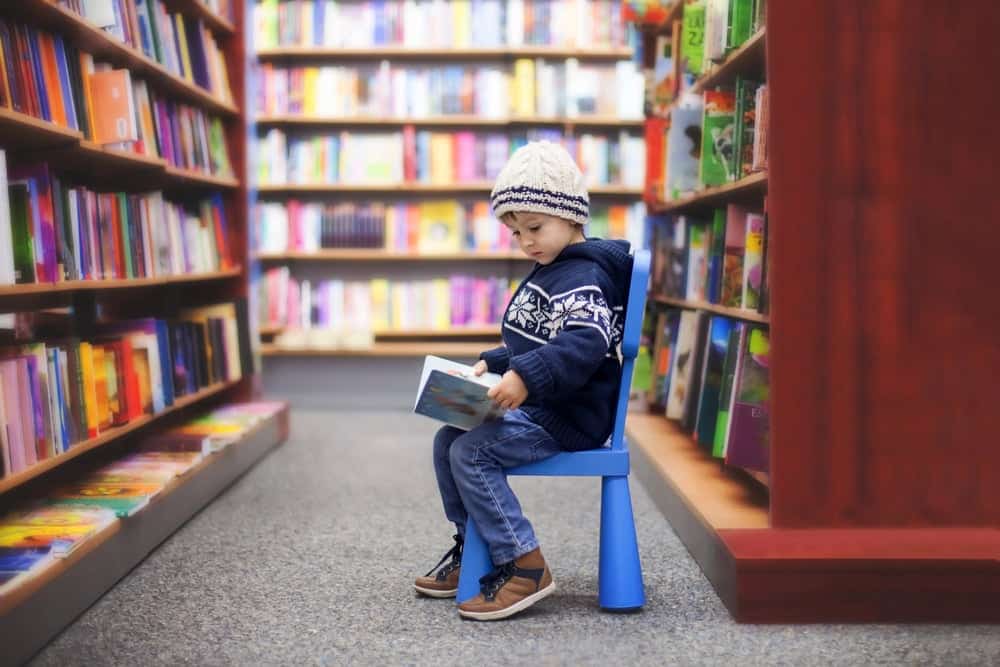
Independent reading is exactly as it sounds: reading that children complete on their own, either out loud or to themselves. When a child finds a book that sparks their curiosity or answers their questions, they’re motivated to read on their own.
This motivation is vital. When your child loses themselves in a book, regardless of how “well” they’re reading it, they’re building lasting literacy skills. They begin to understand the way stories connect to their life, and their relationship with reading becomes long-lasting.
However, independent reading doesn’t come all at once for kids. As your child grows, they build their literacy skills and move toward reading independently. That will look different at every age, from pretend reading and storytelling to fluent independent reading.
At Age Three
The seeds for independent reading usually begin around the time your child is old enough for preschool. That might look like:
- Engaging with familiar stories, songs, and rhymes (singing along, counting along, etc.)
- Pretending to write (make symbols on paper)
- Imitating reading by holding a book and looking at pictures
At Age Four
Building on that first stage, at age four, many kids might begin:
- Showing interest in books, like turning pages when being read to
- Understanding the way to read a book: left to right and top to bottom
At Age Five
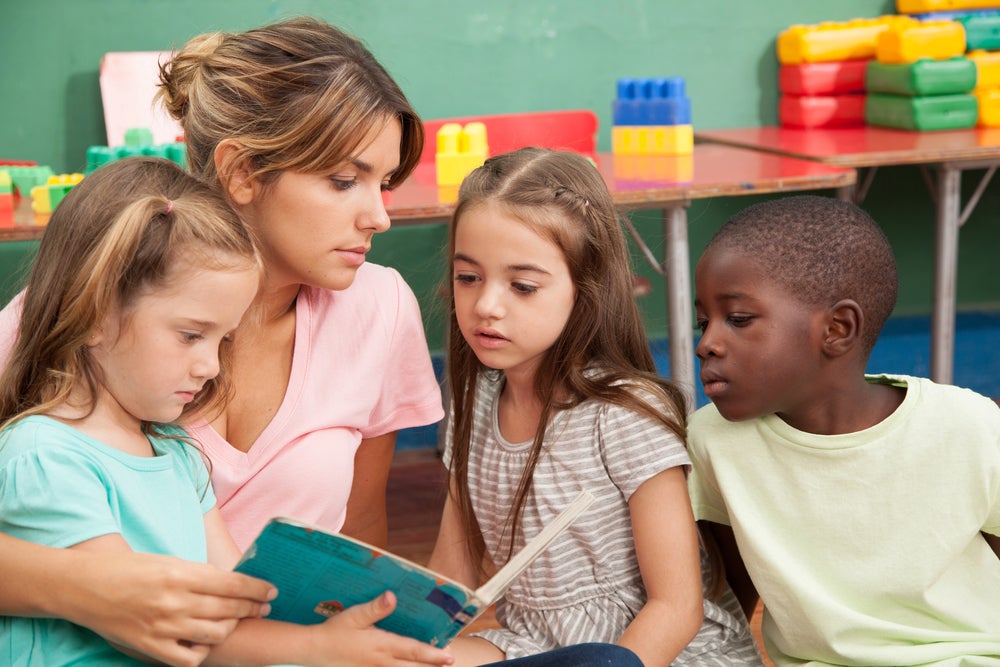
In kindergarten, kids become aware of the art of storytelling. They begin to pay attention to characters and plot. Reading at this age may look like:
- Recognizing high-frequency words in print
- Reading simple words in sentences
- Retelling the main idea, naming details, and arranging the sequence of events in a story
- Predicting what will happen in a story
At Ages Six and Seven
By the time your child enters first grade, they may start:
- Reading familiar stories
- Exploring books based on interest
- Sounding out unfamiliar words
- Using illustrations and context to make sense of a plot
- Self-correcting when they make reading mistakes
At Ages Eight and Nine
Once your child is in third grade, you may notice them:
- Reading longer books on their own
- Reading books aloud with expression
- Understanding character development
- Writing and illustrating their own stories
- Shifting from learning to read to reading to learn
Why Independent Reading Matters
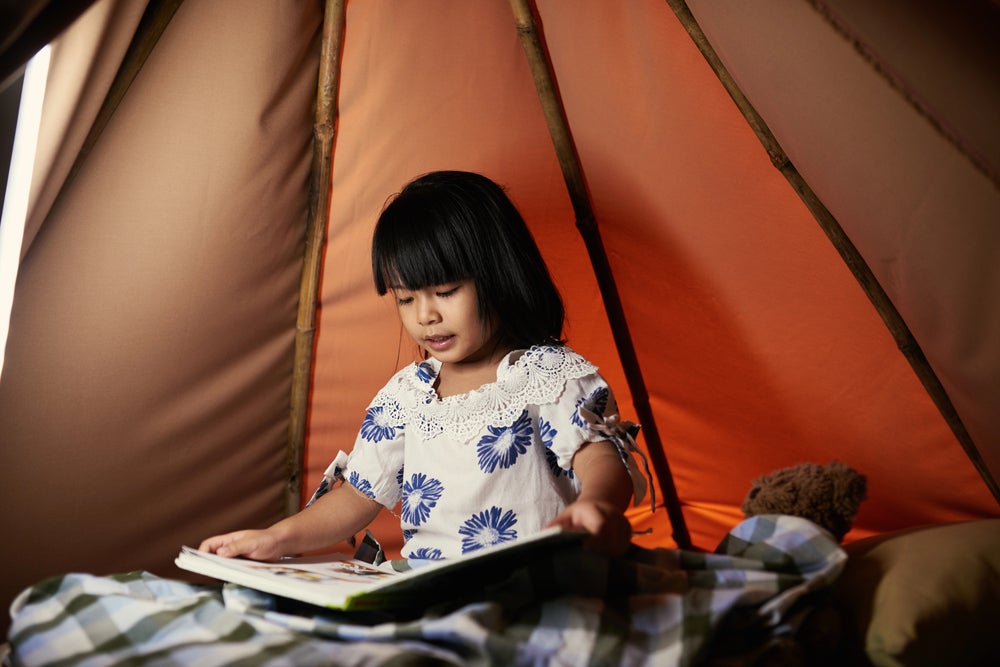
Independent reading gives kids an intrinsic motivation to learn, drives curiosity, and encourages self-expression. When they can read alone under the covers or fly through a book series and want more, they’re owning their reading experience.
This self-sufficiency propels their interest in books. Their vocabulary and reading comprehension expand. They not only improve their reading proficiency, but also build their passion for reading.
When your child can make choices about what they read, they feel motivated to do it. This spills out into other aspects of their life, too, and they feel curious about so many other things. For example, your child might want to go to a museum after reading a book about dinosaurs.
Independent reading also supports social-emotional learning. It broadens your child’s perspective on the world. In a book, they visit places they’ve never been before, experience situations they haven’t encountered, and get introduced to people they’ve never met.
Being exposed to a variety of characters helps your child build empathy. From the safety of their own life, they can step into other people’s shoes. This encourages them to consider others’ perspectives, notice how those perspectives differ from their own, and identify feelings in others.
Finally, independent reading encourages language acquisition and builds your child’s reading muscle. It plays a critical role in shaping your child’s readiness for school and lays a strong foundation for lifelong learning habits.
How to Encourage Independent Reading at Home
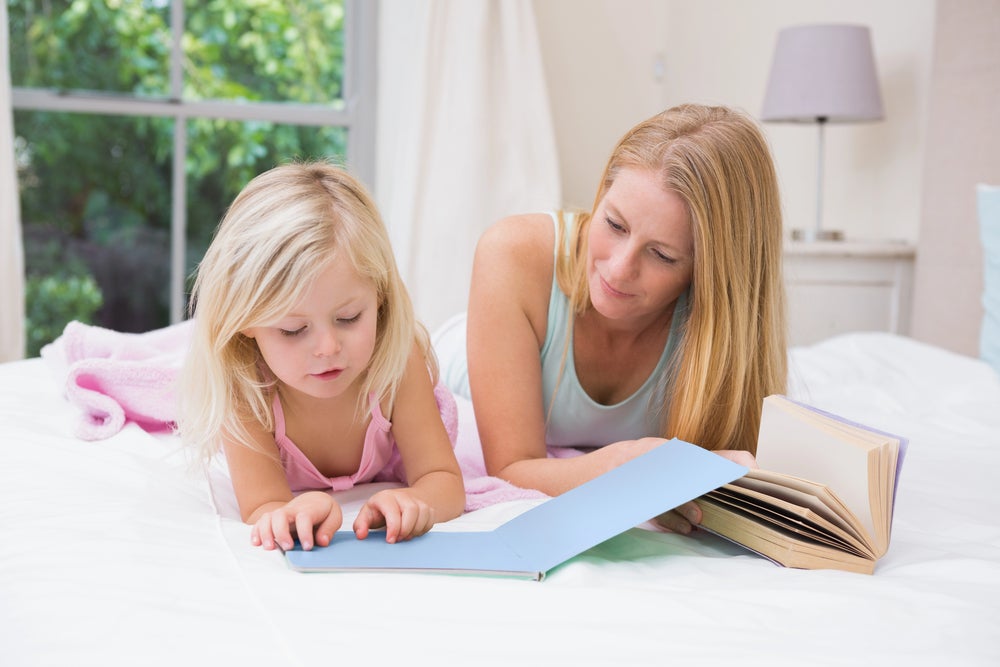
1) Make Reading a Daily Routine
Carve out specific reading times in your home that fit into your child’s schedule. Maybe you and your child sit down with your own books after lunch and read for 15 minutes. Or they can add independent reading to their bedtime routine.
2) Start Easy to Build Confidence
Help your child pick out books you know they can read. This will give them successful reading experiences and boost their confidence. They’ll be encouraged to read more, which often leads to more advanced reading choices.
3) Offer Choices and Follow Their Interests
Make note of the things that interest your child and see if you can find books on the same subjects. If you’re on a walk together and your child gets excited because you see a frog, find books about frogs!
You can also take your child to the library and let them explore. They might stumble across a subject that intrigues them, which cultivates a brand new interest.
4) Model Reading as a Fun, Regular Activity
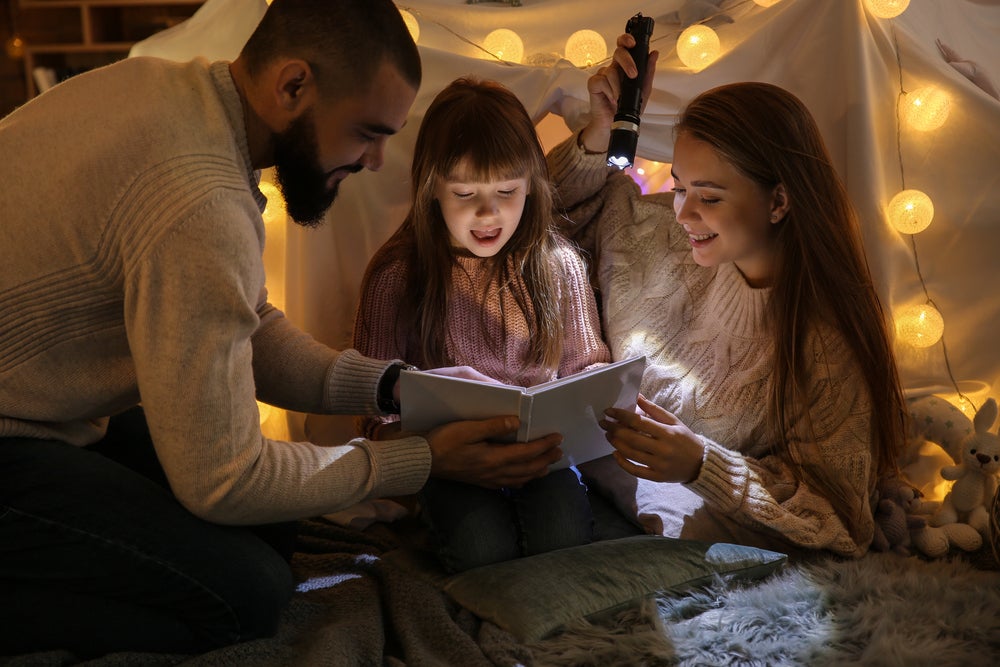
Try to make reading a part of your family’s routine. If your child sees you choose to read when you have downtime (and sees you enjoying it!), they may want to join in on the action. Take your reading to a special place, like a park or a cafe, or you could create a family book club.
5) Praise Effort, Not Perfection
Watch for your child reading on their own. Even if you only catch them for a minute, offer them praise for their effort. Focus your attention on the act of reading instead of more external factors, like when your child finishes a book.
6) Discuss and Share
See what happens if you make reading a shared activity. Sit down together to read your own books and then talk about them. Ask your child about their favorite character or where they’ve left off in the plot. This will have the bonus of reinforcing reading comprehension.
Have a conversation about the book you’re reading, too, if it’s appropriate for discussion.
Encourage Independent Reading with Begin

Once your child begins reading independently, the world opens up around them! Their language acquisition grows, their reading comprehension expands, and they become more confident.
Before that, though, Begin’s HOMER reading program can help your child build the strong foundation they need to become a successful reader. From there, your child can transfer their skills to other settings.
One great way to do that is with our Little Passports kits, designed to let kids see the real-life applications of their reading skills through the included comics and short stories. And then their independent reading soars!
Frequently Asked Questions
How long should my child read independently each day?
The important thing is that your child is excited to read. So finding the right book and carving out the ideal time are vital for the reading process.
Once you’ve got those in place, you can aim for about 15-20 minutes of reading a day, but that will vary depending on your child.
Does independent reading help with my child’s writing development?
Reading is an essential part of the writing process and relies on many of the same skills. Vocabulary and grammar improve when your child reads, and that knowledge transfers over to the writing process.
How can I create an inviting reading space at home?
Find a spot that’s cozy and comfortable, like a corner of the living room or part of your child’s bedroom. Define the space with a rug and a lamp. You can also use a string of little white lights to make it feel special.
Then you need books! If you’ve got a small bookshelf, you could put it in the space, but you can also get creative. For instance, fill a laundry basket with books and tuck a soft blanket inside.
The most important thing is to involve your child. If they create the space with you, they’ll be more likely to use it.
How can I keep independent reading fun and not a chore?
Try to give your child freedom with their independent reading. Let them choose their book. Let them choose the time of day. Let them even choose the length of time. (You can work on extending it later.)