
Praising kids for cleaning their room or helping a friend sounds simple. On the one hand, it is. “You did a great job putting away all of your toys,” or “I love the way you sat with your friend when they were sad,” are perfect words of encouragement.
But those seemingly simple words have a lasting impact on kids. When we praise our kids for their efforts, it creates a foundation of confidence that will benefit them in school and life.
Discover tips for encouraging and praising your child to help them build self-esteem and confidence as they grow.
Key Takeaways
- Praising and encouraging kids helps build their self-esteem and fosters confidence, one of the 6Cs at the heart of the Begin Approach to helping kids thrive.
- Praise and encouragement build self-esteem and help kids value themselves and have confidence in their capabilities.
- Praising the behavior instead of the person helps instill a growth mindset in your child. They learn to focus on the process, rather than the result, which builds perseverance.
Table of Contents
- The Importance of Praising and Encouraging Kids
- Are Rewards Recommended?
- 5 Tips for Praising and Encouraging Your Child
The Importance of Praising and Encouraging Kids

Our kids look up to us and want our approval. How and what we communicate to them about their behavior impacts how they see themselves. So each time we see them show effort, we have an opportunity to boost their self-esteem and confidence. And we also get the chance to give them positive reinforcement for behavior we’d like them to repeat.
Are Rewards Recommended?
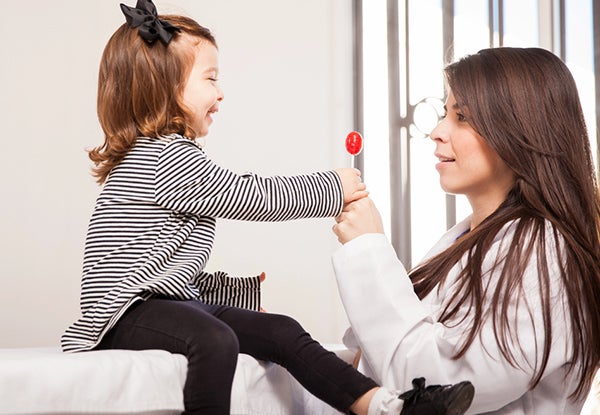
Verbal praise, hugs, and high fives are great ways to give positive reinforcement. But is it OK to give rewards?
Sure, when used appropriately. To make the most impact, tie the reward to the activity you’re praising.
For example, if your child persevered and wrote their name, put it up on the fridge for everyone to see. Or if they go through a bedtime routine on their own, let them choose the bedtime story. The right reward shows them you recognize and appreciate their effort.
5 Tips for Encouraging and Praising Your Child

1) Praise the Behavior, Not the End Result
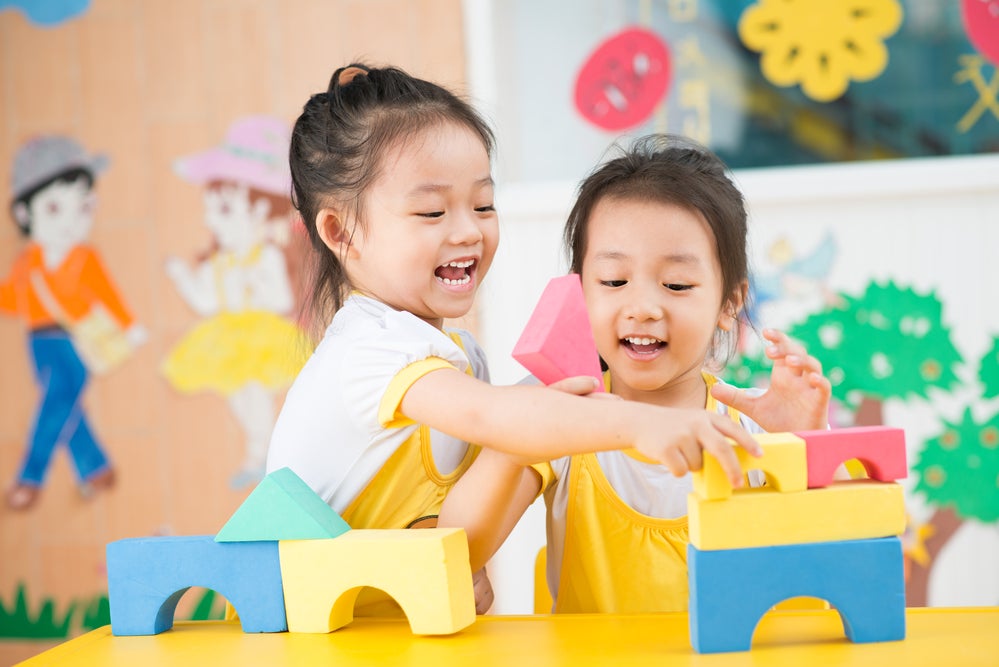
Results-focused praise is about what your child achieved: “You drew a great picture!” Behavior-focused praise is about process: “Building that block tower took a lot of time, didn’t it? I’m impressed with your patience!”
Focusing praise and encouragement on process motivates kids to work hard, challenge themselves, take (smart and safe) risks, and keep trying. It’s grounded in a growth mindset. They begin to understand the most important part isn’t the end result, it’s the journey.
Remember to praise emotional choices as well as physical and intellectual ones. Some to consider include:
- Empathy
- Generosity
- Forgiveness
- Sharing
- Courage
2) Only Offer Genuine Praise
Overly lavish and insincere praise will not be as meaningful to your child as something heartfelt—and will make them less apt to trust your validation when it’s truly warranted.
An idea: Try to remove superlatives from your praise and make it specific to the task at hand so your child knows you’re really noticing what they’ve done. Instead of saying, “This is the best drawing you’ve ever made,” you might say, “I love the colors you used in this drawing. It really makes it come to life.”
3) Notice the Small Stuff (Because It’s Big)
If your child is working toward a big goal, like learning how to work through big feelings instead of having a tantrum, their process may be long. Try to pay attention to the small steps that make up the large goal, and give your child praise and encouragement in those moments.
If they have a shorter tantrum than usual, praise them. If they take a few deep breaths during the tantrum (even if they return to it!), notice and acknowledge it. They may move forward, then regress, and then move forward again. Persevering despite setbacks is worth a shout-out too!
4) Encourage as You Correct
All kids need to understand boundaries. They need to be told when their behavior is unsafe, harmful, inappropriate, or disruptive. But a good rule of thumb is to encourage as you correct.
For example, if they’re having a meltdown, remind them of ways they can manage their feelings (e.g., with breathing). Also remind them of how they’ve successfully used these techniques in the past. Tell them you know they can do it again!
5) Focus on Progress Rather Than Social Comparison
There’s no escaping the fact that we live in a world where (too often) we make decisions or judgments based on comparisons. The top ten students win prizes. The athlete who runs faster than anyone else makes the team.
Giving our kids praise based on social comparison sends the message that their worth is subjective. When they outperform someone else, they’re golden. When someone outperforms them, they’ve failed.
Everyone learns differently and at varying paces. They have their strengths and challenges. Encouraging your child to do the best they can do—and then build on that over time—is sustainable and empowering.
Build Confidence with Begin

Praising and encouraging kids is vital for building their positive sense of self. Begin wants to be a part of growing kids’ confidence. To do that, we build social-emotional learning into many of our products, like our Learn with Sesame Street app and kits.
Check out beginlearning.com today to learn more!
Frequently Asked Questions
How do you write an encouraging note to your child?
Notes are a wonderful (and tangible) way to let your child know how proud you are of them and how much you love them. And they don’t have to be long!
Try placing a note in their lunchbox. Or leave a sticky note on their bathroom mirror. Make a ritual out of writing something on the first of the month or when you go on business trips.
Written sentiments are special because they never fade. Your child can read them anytime. For younger children, draw pictures that tell a story.
Some ideas to try:
- Write a note expressing your love.
- Write a note of encouragement or praise.
- Write a silly, fun note.
- Write an interactive note. (Try a “fill in the blank” or “check a box” kind of note!)
- Write a word of the day.
Does praise change as your child gets older?
Ideally, praise should match the developmental age of your child. What they find important and what they’re capable of accomplishing shifts over time, and encouragement should match.
So while you might praise your toddler for sharing a toy, when they get a little older, you might praise them when they offer a toy to a friend who is sad. Your child’s capabilities at any given moment can guide you.
Why do some children not like praise?
It’s true. Not all kids like praise. But why is that? One reason is that it might feel like pressure. If we tell them they did a good job playing in a soccer game, they may worry that we’ll expect the same results the next time they play.
Or they may not like the attention that praise brings focused on them. Or they may simply not know how to respond. For these kids, try keeping praise short and sweet!