Kids learn best through play. It’s how they discover the world around them and develop their cognitive, social, and physical skills. Sensory play is a type of play that encourages children to use all of their senses to interact with different materials and environments.
If that sounds like a lot, don’t worry! In this article, we’ll examine the concept of sensory play and explain why it’s so beneficial. We’ll also share some fun and easy activities you can do at home with your child.
Key Takeaways
- Sensory play is any activity that engages your child’s main senses (i.e., touch, sight, smell, taste, and hearing).
- This type of play is important from birth and helps children explore their world, sparking their curiosity and love for learning.
- Besides the five main senses, sensory play also involves two lesser-known brain/body systems: proprioceptive (body position) and vestibular (balance).
- Sensory play improves motor skills and helps your child learn to regulate their emotions by, for example, using squishy textures to calm themself down.
- Activities include creating an obstacle course out of pillows and cushions, making a sensory bin filled with rice or beans, and having a dance party to your child’s favorite music.
Table of Contents
- What Is Sensory Play?
- The Direct Link Between Sensory Play and Literacy
- More Benefits of Sensory Play
- Sensory Play by Age: Activities for Every Stage
- More Sensory Play Activities for Kids of All Ages
What Is Sensory Play?

Sensory play is any activity that stimulates a child’s senses. Kids are ready for sensory play from birth on, and it can be adapted based on age. Many preschools and elementary schools incorporate sensory play, but it can also be done at home.
While you may have seen perfectly organized and themed sensory bins on Instagram, that’s not the only way to incorporate this type of play into your child’s routine.
It doesn’t have to be complicated or expensive. In fact, many sensory play activities can be done with items you have at home, like homemade play-dough, pebbles, sand, or rice. The key is to create a safe and open environment for your child to explore and engage with their senses.
Your Child’s Senses
The five primary senses kids can engage through sensory play are touch, sight, smell, taste, and hearing. Here are a few ideas for using each:
- Touch: Provide different textures for your child to explore, such as sand, water, or slime.
- Sight: Use colors and patterns to catch your child’s eye. Hang up mirrors or create a sensory bottle with glitter and colorful objects.
- Smell: Introduce your child to various scents, such as citrus, peppermint, and vanilla. Let them stop to smell the flowers when you’re outside and explore different herbs and spices.
- Taste: Encourage your child to join you in the kitchen as you cook or bake with a variety of ingredients. Ask them to be your taste tester and try to describe the flavors they experience.
- Hearing: Play music from around the world for your child to listen to. Let them create a musical instrument and use it to make lots of noise.
Additionally, this type of play addresses two other sensory systems that aren’t as well-known: the proprioceptive and vestibular systems. That sounds a bit technical, but you see them at work in your kids all the time. Here’s a bit more information on them:
- Proprioceptive: This system relates to the body’s ability to sense where it is in space. Children can engage it by pushing, pulling, and climbing. You can also have them make shapes with their body and imitate different animals’ movements.
- Vestibular: This system governs balance and movement. Swinging, spinning, and rolling are great ways to engage the vestibular system. You can also set up obstacle courses or play games that require running and jumping.
Safety Rules for Sensory Play
Sensory play is a lot of fun but requires supervision. To keep your child safe, supervise them at all times and follow the same safety rules you would for other types of play (including watching what they put in their mouths).
You know your child and your home best, so take a moment before you start playing to check the play area for any trouble they might get into.
The Link Between Sensory Play and Literacy
Sensory play isn’t just about fun. Done correctly, this kind of play builds the foundation for complex academic skills such as writing and reading.
Writing
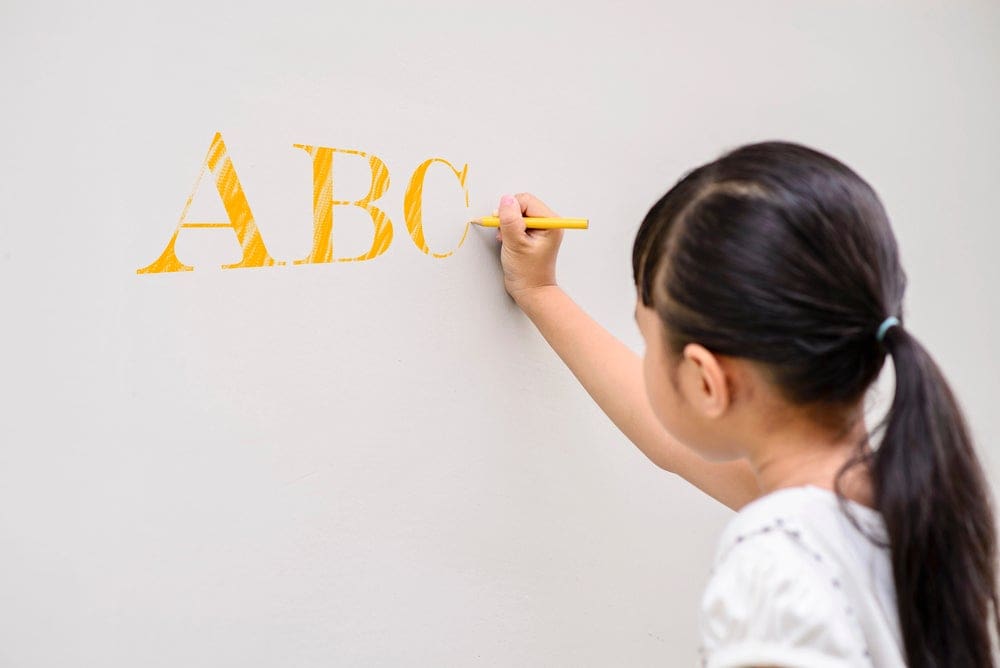
Before your child can properly hold a pencil and form letters, they need to build strength in the small writing muscles of their hands, wrists, and fingers. Sensory play is the best way to do this naturally.
There are lots of different fine motor skills that your child will develop as they grow, and we’ll discuss more about some of those in the next section. For now, we’re going to focus on the fine motor skills that contribute to writing.
Pinching and grasping: Activities like picking up small pebbles or marbles strengthen the “pincer grip,” which is the exact grip used to hold a pencil correctly.
Squeezing and shaping: Kneading homemade play-dough, squeezing sponges in the bath, and even holding your hand tightly builds hand endurance. This prevents fatigue when they eventually have to write for long periods in a classroom.
Coordination: Activities that require using both hands together, like rolling dough or threading beads, prepare the hands to work independently (e.g., one hand holding the paper still, the other hand drawing or forming letters).
Reading
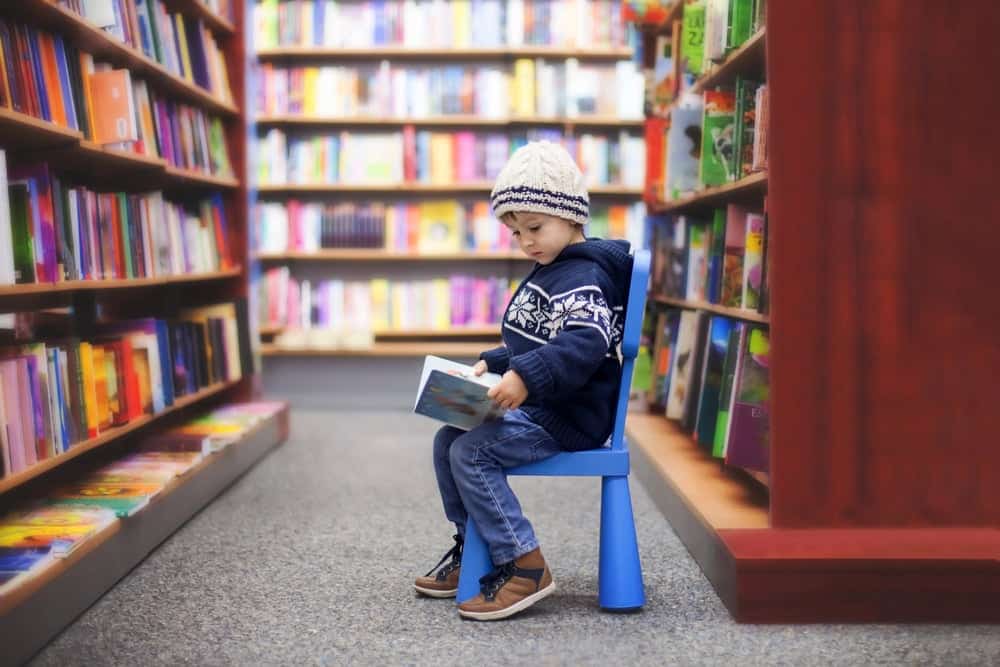
While your child may not be able to read yet, sensory play builds pre-reading skills, supports vocabulary development, and engages the use of descriptive language.
Vocabulary: When you ask your child, “How does that feel?” and they answer with “soft,” or “squishy,” they’re learning how to use descriptive words (adjectives) to communicate about their environment and their senses.
These words enrich their internal dictionary and improve their ability to understand, describe, and compose stories when they’re older.
Phonological awareness: You can also use sensory play to help your child practice the sounds of language (phonemes).
For example, burying letter toys in a sensory bin and asking your child to “Find the /s/ sound” helps them recognize that words are made up of individual sounds, which is crucial for sounding out words when reading.
More Benefits of Sensory Play
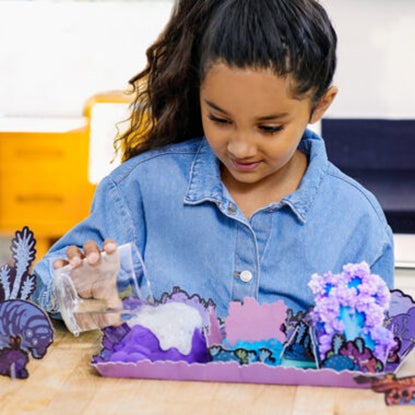
Your child may be having a blast during sensory play (big toddler giggles are common!), but they’re also learning and developing essential skills. Here are some benefits of this type of play.
Encourages Curiosity
There’s no “right way” to do sensory play because it’s all about exploring and discovering new things. This encourages your child’s innate curiosity, leading to a love of learning.
Improves Motor Skills
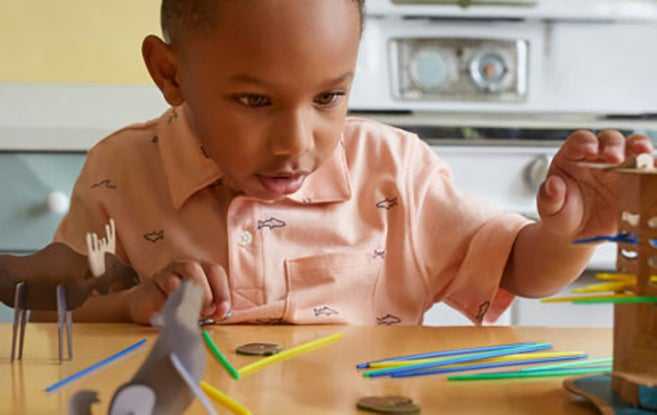
As your child manipulates different materials, their fine motor skills improve. Pouring, scooping, and sorting all require hand-eye coordination and control. Sensory play is an excellent way to strengthen these skills in a fun, engaging way.
Other types of sensory play can help kids develop their gross motor skills. For example, jumping in a pile of leaves or running through an obstacle course requires whole-body movement, balance, and coordination.
Inspires Social Interaction
Since it’s so fun, this type of play often inspires kids to play together, leading to social interaction and communication. Children can practice critical social skills such as sharing, cooperation, and turn-taking while engaging in group sensory activities.
Fosters Emotional Regulation
Some sensory materials, such as squishy playdough or smooth rice, can have a soothing effect on children. Engaging in sensory play can help them regulate their emotions and calm down when overwhelmed or overstimulated.
Develops Language and Vocabulary
While interacting with new materials, children often ask questions, describe their actions, and use descriptive language to discuss their experiences. It’s a fun way to expand their vocabulary and develop their language skills.
Sensory Play by Age: Activities for Every Stage
Infants and Young Toddlers (Birth to 2 Years)
At this early stage, your young child explores the world with their mouth, which means safety is your number one priority.
That doesn’t mean you shouldn’t engage them with sensory activities. It just means that you’ll need to make sure everything they get their hands on is non-toxic and large enough to prevent choking.
Focus on the primary sensory inputs such as touch, sight, hearing, and movement.
Offer crinkly scarves, textured balls, and soft blankets for them to handle. You can also place them on different safe surfaces, like grass or a soft rug, so that they can feel different textures on their skin.
For their sight, present them with black-and-white patterns. As they grow and their vision improves, introduce high-contrast colors, colorful toys, and baby-safe mirrors for them to examine.
To stimulate their hearing, offer them shakers, rattles, and simple musical toys. You can also sing and talk frequently, changing your pitch and tone often.
Gentle rocking, being carried in different positions, and supervised tummy time can also help your infant develop their balance and basic body awareness.
Preschoolers (3 to 5 Years)
Between the ages of 3 and 5, your child will have better control over their hands and bodies, so they’ll be ready for more complex, messy, and creative activities.
They’re also engaging in pretend play, so you can encourage them to imagine the sensory materials as something else entirely (e.g., mud is chocolate pudding).
The preschool years are the prime time for sensory bins filled with dry pasta, oats, or sand. To help them improve their fine motor and cognitive focus, offer them tools for picking things up, like tweezers, scoops, and measuring cups.
This is also the perfect time to focus on their proprioceptive skills. Encourage climbing, pushing, and pulling to build their body’s ability to process feedback about where it is in space.
Preschool kids can also benefit from sensory play with a social focus. Create situations where your child can play with their friends. Direct them all to a sandbox and encourage essential social skills such as sharing, cooperation, and role-playing.
Elementary Students (6 to 10 Years)
For elementary-age students, sensory play will shift into problem-solving, construction, and school-based projects. They can still benefit from the sensory input, but the goal becomes more about the process rather than about what they’re feeling.
For example, from kindergarten on, sensory play often takes the form of science experiments like mixing ingredients to make slime or a baking soda volcano. These activities still involve some of the senses, but require more planning and critical thinking.
You can also continue to reinforce creativity and emotional intelligence by including art projects in their sensory play.
Activities like sculpting clay, painting, typing on a mechanical keyboard, and knitting provide satisfying tactile input and a creative outlet for their emotions.
Keep in mind that the focus is on the process of creation, not the final product.
More Sensory Play Activities for Kids of All Ages
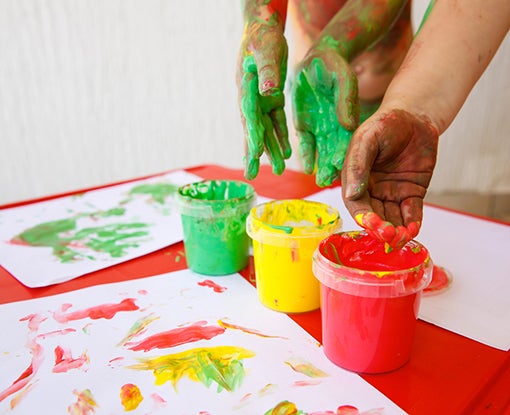
Now that you know more about sensory play and why it’s so important, here are some simple ways to incorporate it into your child’s playtime.
Obstacle Course
Set up an obstacle course in your backyard or living room using items like couch cushions, hula hoops, and colorful paper. Encourage your child to crawl, jump, and balance through the course while using their senses to help them navigate.
Tip: Have your child practice academic skills while navigating the course. For example, if they’re working on reading, you could include a few sight word cards they must read before moving on to the next station.
Sensory Bin
Fill a small bin with different materials such as rice, beans, or shaving cream. Then, add age-appropriate toys, measuring cups, and other items for your child to dig and explore with.
Tip: Try this ocean-themed sensory bin for some fun water play.
Outdoor Play
Nature inspires all five senses, so head outside to play. While you’re out there, ask your child to:
- Touch different textures like grass, bark, and leaves
- Listen for the birds chirping or the wind blowing
- Smell flowers or try to guess what food the neighbor is cooking for dinner based on its scent
- Find something to look at that catches their interest
- Pick something edible from your garden, if you have one
Tip: Have your child gather some natural materials to play with inside. Pinecones, leaves, and flowers make good additions to sensory bins or craft corners.
Dance Party
Crank up the tunes and have a dance party with your child. Encourage them to move their bodies in different ways, feel the beat of the music, and even explore different textures by using scarves or streamers while dancing.
Tip: Play a variety of genres to expose your child to different sounds and rhythms.
Sensory Bath
It It doesn’t take much to turn an ordinary bath into a sensory experience for your child. Add in some bubbles, bath toys, and scented soap for a fun and relaxing time.
Your sensory baths can be as simple or elaborate as you want. Here are a few ideas to try:
- Use glow-in-the-dark stars or stickers for a fun, colorful bath in a dim room
- Add two or three drops of food coloring to tint the water
- Use sponges or loofahs for tactile stimulation
- Carefully cut a pool noodle into slices and add them to the water for interesting textures and colors
- Provide a funnel and measuring cups for pouring waterdoesn’t take much to turn an ordinary bath into a sensory experience for your child. Add in some bubbles, bath toys, and scented soap for a fun and relaxing time.
Craft Kits
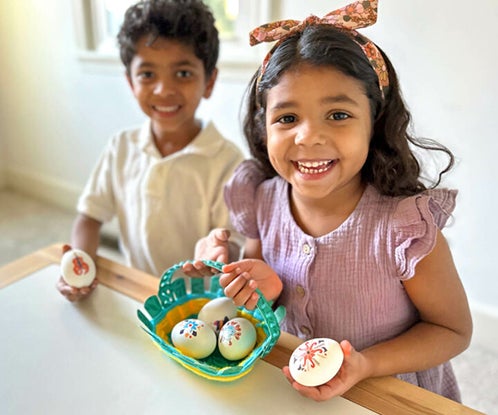
Kids five through eight years old can have a lot of sensory fun with Craft Discovery from Little Passports by Begin.
Each month, they’ll receive a new kit full of hands-on crafts and activities that explore different cultures and themes. These kits are great for sensory play, as they include lots of bright, interesting materials for your child to create with.
Tip: Encourage crafting between shipments by keeping a craft bin filled with materials like popsicle sticks, pom poms, and pipe cleaners for your child.
Science Experiments
Science experiments are another great way to engage your child’s senses while teaching them about the world. Try some of these simple science projects:
- Mix baking soda and vinegar for a fizzy chemical reaction
- Create a homemade lava lamp in a plastic bottle with oil, water, and food coloring
- Grow plants from seeds and observe the growth process
- Make invisible ink out of lemon juice and use heat to reveal secret messages
- Use vinegar to dissolve an eggshell
Tip: If your child is age eight or up, check out the Science Junior subscription from Little Passports by Begin.
Let Little Passports Deliver Sensory Play to Your Door
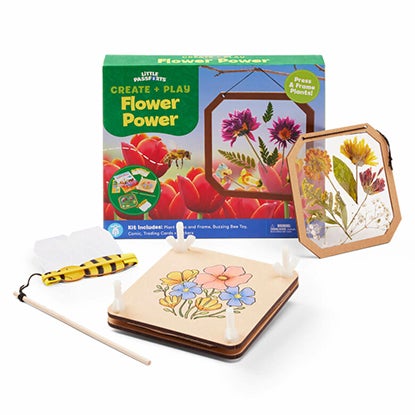
There are tons of great sensory play options, but, at some point, you may find you’ve run through your favorite ideas and are ready for something new. Little Passports offers a solution with subscription boxes that deliver hands-on learning experiences right to your doorstep.
From craft kits and science experiments to early learning activities and global journeys of discovery, Little Passports has something for everyone.
So why wait? Sign up for Little Passports today and open up a whole new world of sensory play for your child!
Frequently Asked Questions
Can sensory play help my child learn mathematical concepts?
Yes, sensory play can help your child learn mathematical concepts. Young learners grasp concepts faster when they can see, touch, and manipulate them, so “sensory math” uses hands-on activities to make abstract mathematical ideas concrete and easy to understand.
For example, instead of just seeing the number ‘5’ on paper, your child can count and scoop five beans into a cup. Or, they can use homemade play-dough to form a circle and physically divide it into halves to learn about fractions.
This tactile (touch-based) method creates stronger neural connections in their brain than visual learning alone. Engaging the senses can help your child develop number sense, spatial reasoning, and critical problem-solving skills, building confidence for future academic success.
Can sensory play help improve my child’s memory and overall brain function?
Yes, sensory play can help improve your child’s memory and overall brain function. When they engage multiple senses simultaneously, it strengthens the neural pathways associated with that activity so that their brain is more active and the memories are more deeply ingrained.
For example, when they play with play-dough, they see the bright colors, smell the added scent, and feel the squishy texture. As a result, their brain forms stronger, more interconnected memories.
This is why sensory-rich experiences are so memorable for your child. Their brain processes the information more efficiently when it arrives through multiple entry points. In fact, research shows a strong link between the sense of smell and the recall of memories.
So, by consistently providing diverse sensory challenges, you are helping our child build and reinforce their memory and overall brain function.
How does the Montessori education method use sensory play for deeper learning?
During specific developmental periods in your child’s life, Montessori education can help them build a stronger, more complete internal map of the world around them.
For example, if your child is building a row of blocks from largest to smallest, a mistake will be immediately obvious, allowing them to fix it independently.
In the process, they will learn concentration, independent thinking, independence, and how to better use their senses to manipulate and control their environment. This will prepare their brain for more complex reading and mathematical work later on.