Find the Difference with Sarge (Ages 4-6+)
Find the difference for kids ages 4–8! Join Sarge to compare details, build focus, and strengthen problem-solving this fun puzzle game.

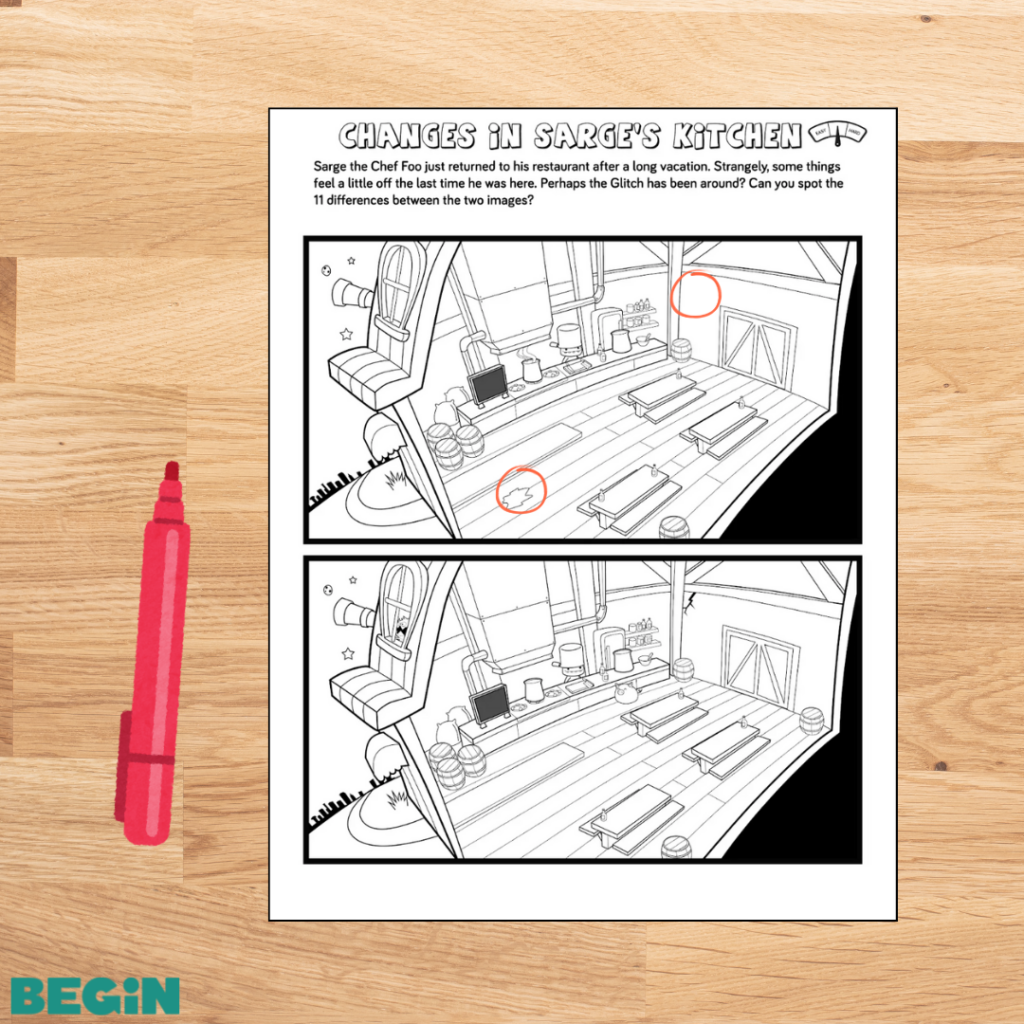
Find the difference for kids ages 4–8! Join Sarge to compare details, build focus, and strengthen problem-solving this fun puzzle game.
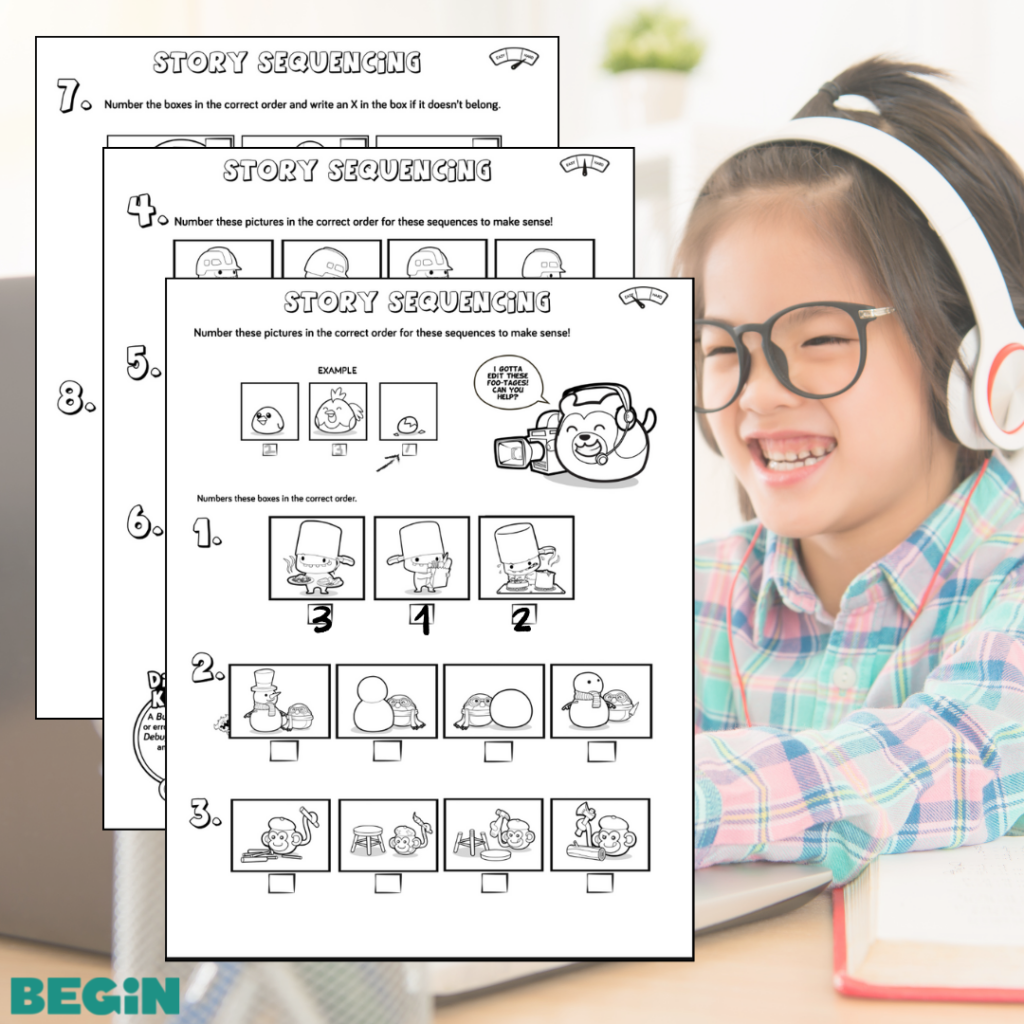
Story sequencing worksheet for ages 4-6+. A free printable activity that develops early coding, literacy, and problem-solving skills.
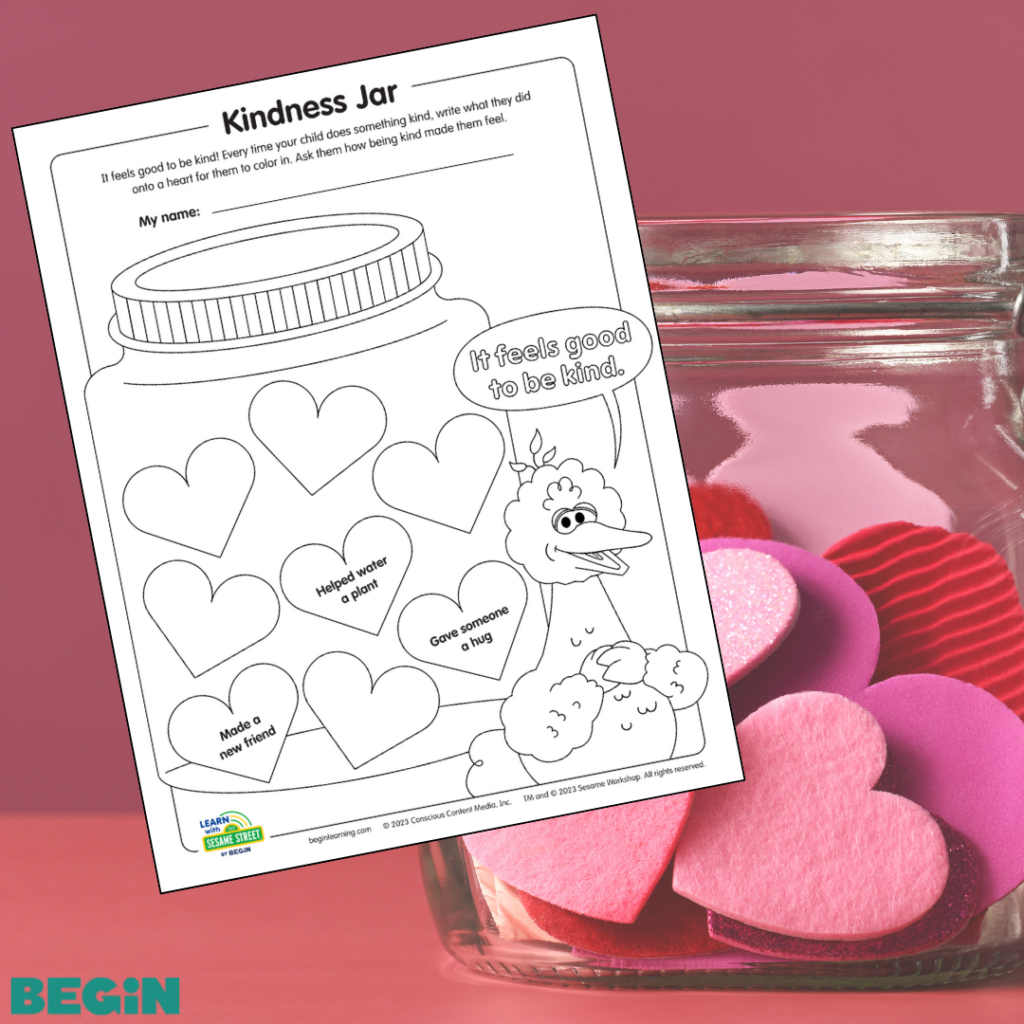
The "Kindness Jar" activity is for kids ages 2-5. It's a free printable activity that helps build kindness, empathy, and self-esteem!
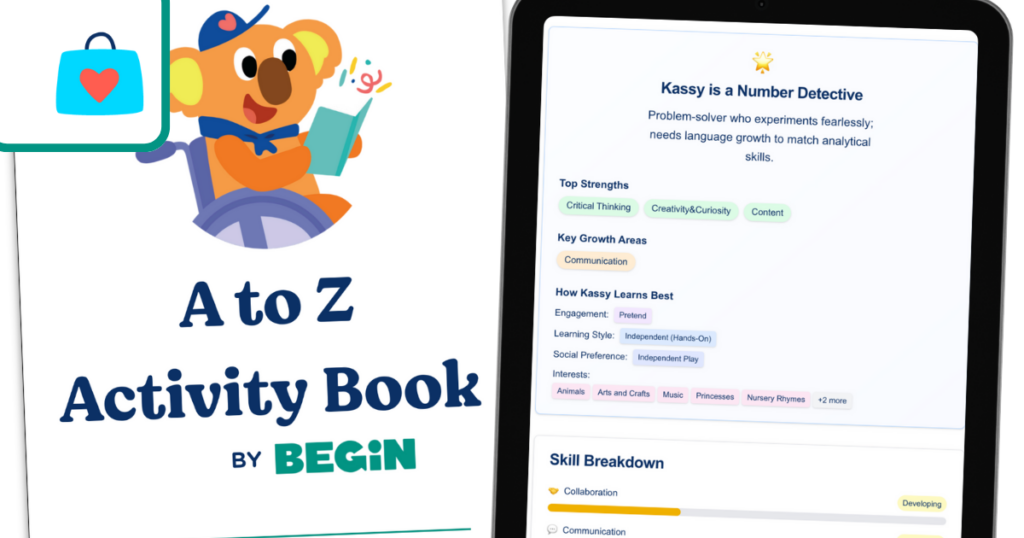
Discover your child’s unique learning profile in under 10 minutes. A quick, parent-friendly guide to understanding how your child learns best.
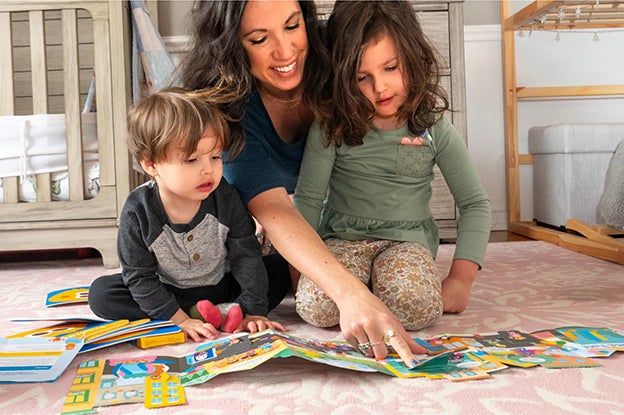
Here are activities to help you teach your child 5 components of reading, which include phonemic awareness, phonics, fluency, comprehension, and vocabulary.

Decodable books teach how to turn a written word into a spoken word. Learn why they’re important and how to support your child as they read them.

Do you want to help build your child’s vocabulary and improve their reading comprehension? Learning root words is a great place to start because they serve as the foundation for many other words. This guide will explain exactly what root words are and when your...

Reading activities are a great way to teach reading because they can reinforce and improve literacy skills. Here are some fun, hands-on ideas to try.

High-frequency words are words found most often in children’s books. Learning high-frequency words helps your child become a more fluent, confident reader.
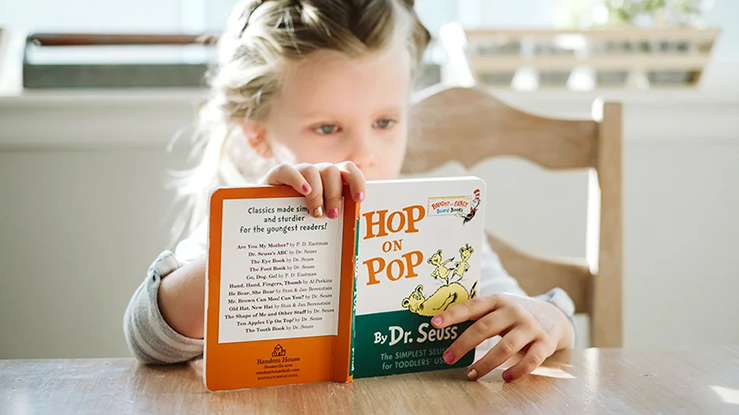
The next step in your child’s learning adventure is 2nd grade reading comprehension. Learn how you can help them improve reading comprehension at home.

Your child’s vocabulary helps them communicate with others, have stronger reading comprehension, and make sense of the world around them. Use these fun strategies for teaching vocabulary.
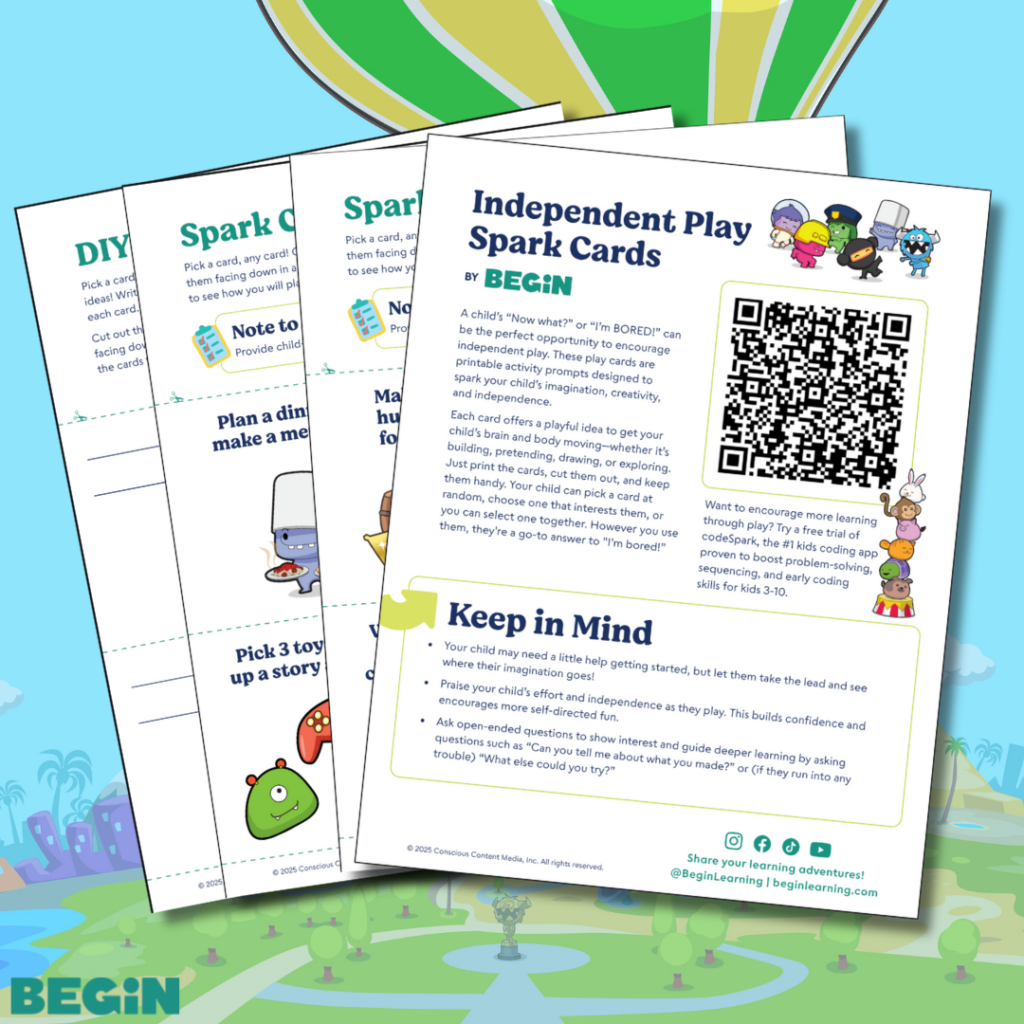
These independent play cards for kids spark creativity, movement, and imagination—plus blank cards to add your own playful ideas!