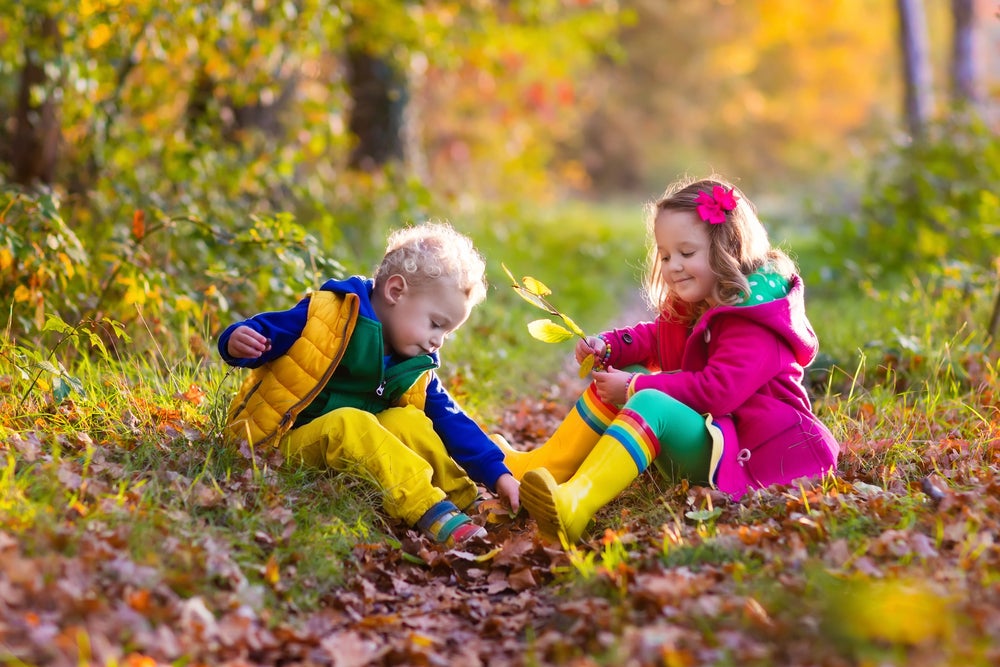
We use color to describe the world around us all the time. When we talk about red roses or a pink-and-orange sunset, we take for granted that others will instantly form a mental picture of what we’re describing. So, at what age do kids learn colors? What milestones do they reach along the way?
Explore the different stages of color learning and how you can help your child reach them.
Key Takeaways
- Learning colors helps kids develop sorting and categorizing skills, supports language development, and boosts creativity.
- Colors are a great way for kids to start expressing their preferences and thoughts.
- Kids achieve different milestones around learning colors—from visual discrimination to learning vocabulary words to linking color names to objects—as they move through the stages of their early development.
- Pointing out colors, matching and sorting, and creating colorful art all contribute to your child’s color learning process.
Table of Contents
- Why Is Learning Colors Important?
- What Age Do Kids Learn Colors: Milestones
- 5 Tips to Help Your Child Learn Colors
Why Is Learning Colors Important?
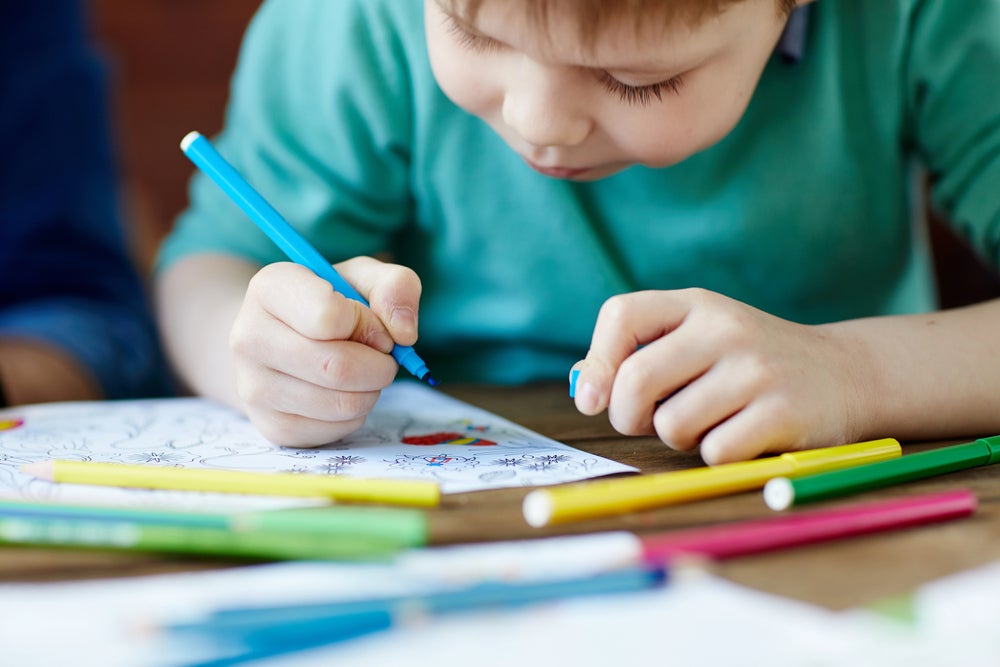
Of course your child needs to learn what colors are and acquire a color vocabulary to understand and communicate effectively with those around them. But color recognition impacts more than that.
Learning colors helps kids develop important skills, such as sorting and categorizing. It also supports kids’ language development as they discover a whole new vocabulary.
Last (but definitely not least!), discovering the world of color boosts kids’ creativity and curiosity, part of the 6Cs at the heart of Begin’s approach to learning.
So what age do kids learn colors? What milestones do they need to reach to build up to that skill? Let’s take a look!
What Age Do Kids Learn Colors: Milestones
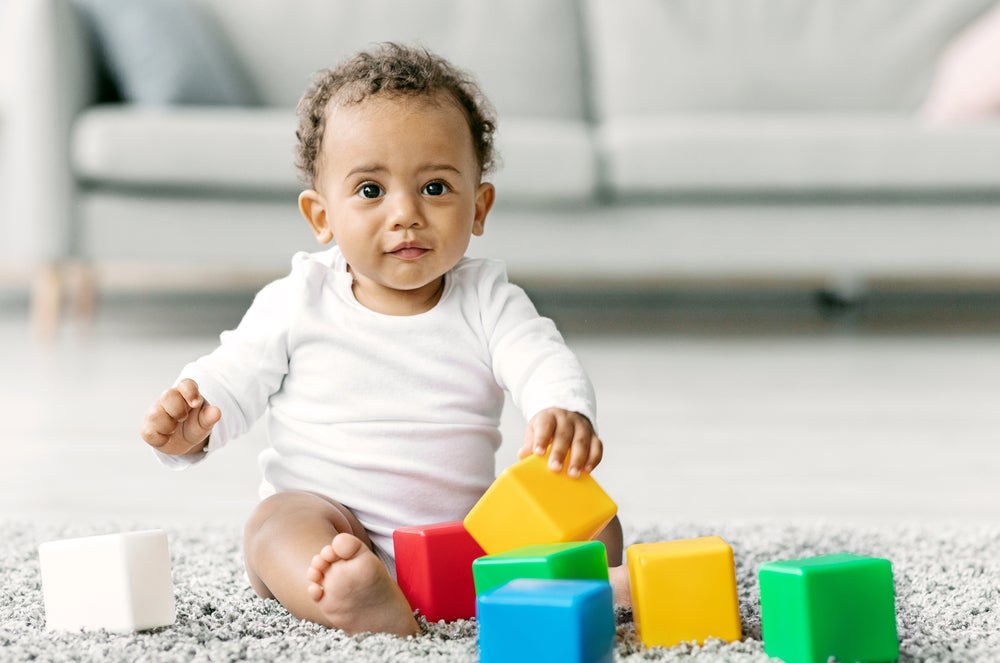
0-12 Months
During the first months of your baby’s life, they primarily focus on objects about eight to 10 inches away from them. (Your face, in particular!)
At about three months old, your baby can follow things with their eyes. At around four months old, they begin to make distinctions between colors.
12-18 Months
Your baby may begin noticing different colors around the time they turn one. You may notice they have color preferences. Maybe they always reach for the purple block or fuss unless their food is on the green plate. This is the beginning of visual discrimination.
19-24 Months
Color words soon become a part of your toddler’s vocabulary. They’ll use them to identify a toy they want, like their yellow book or their pink socks.
They may not always choose the correct color word, though. For example, they may know the word green, and they may be able to say it, too. But they might use green to describe all colors.

By the time your child approaches two-and-a-half years old, they will probably be able to identify at least one color. So, if you ask them to bring you their orange shirt, they may choose the right one.
But color learning is nuanced. So while your child may be able to pick out that shirt when you use the word “orange,” they may not be able to tell you the shirt’s color when you hold it up and ask, “What color is this?”
This is at least partly because receptive language skills (what your child understands) develop before expressive language skills (what your child can say).
24-36 Months
When your child hits their three-year mark, they may be curious about playing around and experimenting with colors, and they might even have a favorite color.
Try asking your child to build a tower with only their green blocks. Or hold up a red spoon and challenge them to color match it with either a red or blue plate. Shades of the same color may still be tricky. Those distinctions will come with time.
You can also let your child explore different colors and see what they look like with paint, crayons, and markers.
36-48 Months
Once your child is four, they may be able to correctly name a handful of different colors. They might also begin to understand that the color of an object is separate from the object itself.
5 Tips to Help Your Child Learn Colors

Color learning can happen anytime, anywhere! Incorporate it into your child’s daily life to support their evolving understanding of this complex concept. As they explore and play, they can begin to put the pieces of the color puzzle together.
1) Name Colors
When you see someone wearing the same color as your child, point it out to them: “Look, they have a green jacket, too!” As you shop for groceries, find vegetables that are the same color. Locate the colors you love out in the world, name them!
2) Name the Object First
When we describe something, we tend to say the color before the object. For example, “See the red ball.”
But it’s easier to learn colors when the object is called out first, as in the sentence, “The ball is red.” Naming the object first narrows the location of the color. So, if you say, “The ball is red,” your child will focus more intently on the ball, making color learning easier.
3) Go On a Color Hunt
A variation of a scavenger hunt is a fun way to practice color naming. Try asking your child to find as many green objects as they can. Once they’ve collected them, you can talk about the different shades of green. Ask your child to pick the one that’s brightest.
Or give them pictures of green objects (like a leaf) and then task them with finding the real objects.
4) Sort Everyday Objects by Color
As you put away dishes, clean up toys, and do the laundry, focus on color learning by sorting things. Stack the yellow cups. Place the purple blocks in the bin. Put the pink socks in a pile. Turn these chores into games by adding in the element of color!
5) Make Colorful Art
Finally, take time to make art with your child. Use chalk on your driveway. Make a mural with crayons. Create a collage with tissue paper. As you work side by side, ask your child about the different colors they’re choosing.
Bring Color to Learning with Begin!
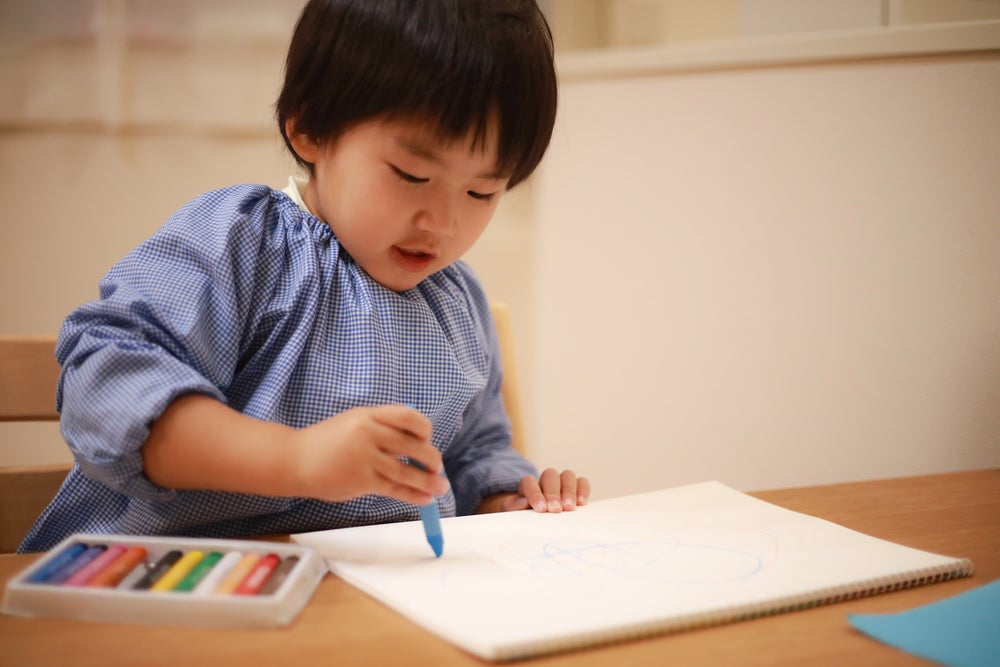
Learning colors is a process of discovery filled with many “I Did It!” moments. Begin is here to keep those moments coming!
Dive into art and color with our award-winning Homer app. And for hands-on expressive fun, explore our kid-tested Little Passports kits. Kids will love (and be proud of) what they create!
Frequently Asked Questions
How can I tell if my child is colorblind?
Only a professional can determine if your child is colorbling, but if they have trouble identifying colors (especially green and red), have a low attention span when coloring a picture, and struggle to name colors in low light, consider bringing it to your pediatrician’s attention.
Do children learn shapes at the same time they learn colors?
Many toddlers begin learning about colors and shapes when they’re about 18 months old. But learning paces vary from child to child, so don’t worry if your child takes longer to grasp both concepts or they excel at one before the other.
Do children learn primary colors first?
Yes, most children learn about primary colors first because they are the ingredients for the rest of the color array. This gets reinforced by formal color learning (in a preschool classroom, for instance), which prioritizes primary colors.