8 Engaging Winter Kids Activities for Creative Indoor Fun
Need winter activities to entertain your kids indoors? Check out these 8 creative boredom busters!

Your path to what matters most in early learning

Need winter activities to entertain your kids indoors? Check out these 8 creative boredom busters!

Phonograms are letters or combinations of letters that make a sound. Find out why they matter and which are most common!

During emergent literacy, kids learn crucial skills that lead to reading and writing. Find out what they are and how you can help!

Fun family activities help kids learn through play. Find 50 free things to do in Houston!

Kids learn best through play, and Washington, D.C., is full of fun for families! These 50 free things to do in D.C. build Curiosity, Creativity, and more!

Sometimes it’s just too hot or cold outside to get the family out and explore. We’ve got you covered with these 35 fun things to do indoors!

Phoenix has no shortage of free things for families to do. Find playgrounds, museums, and more to build skills with Begin’s learning experts!
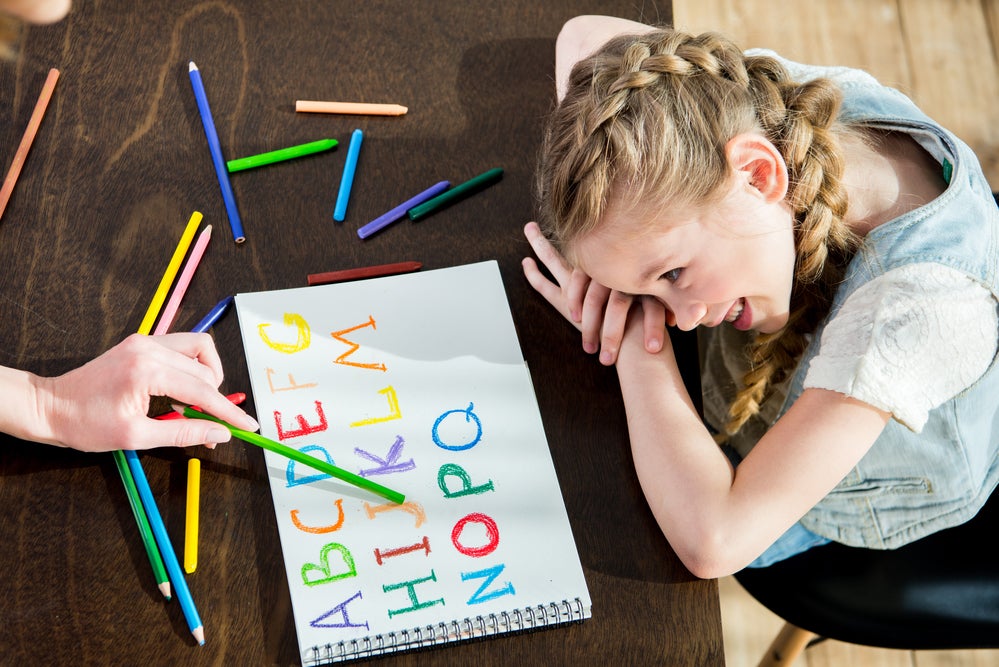
Teaching letter recognition to kids gets them ready to learn to read. Find out how and why with our experts.

Verbs help kids describe what's happening. Find out why they're essential for learning with our experts!
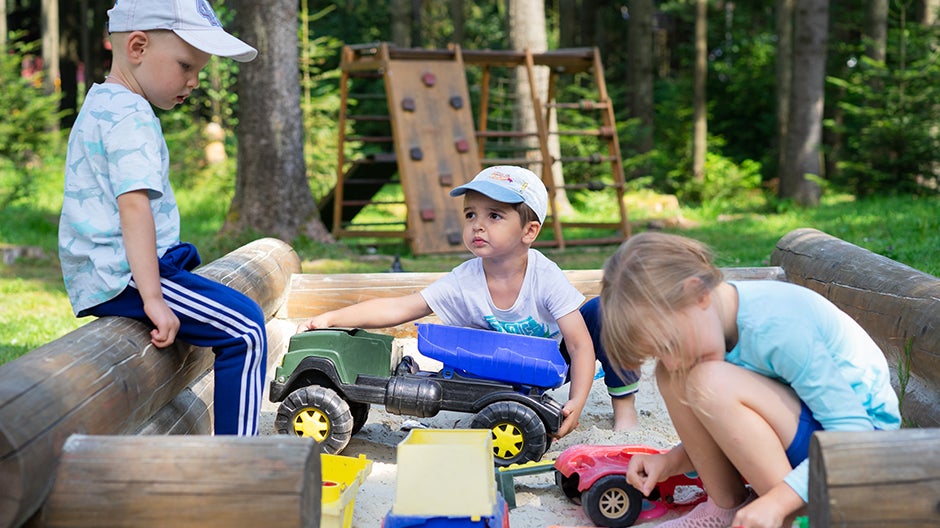
Cooperative play is the last of six stages of play, and typically appears around age 2 to age 3. Find out all about it with our experts.
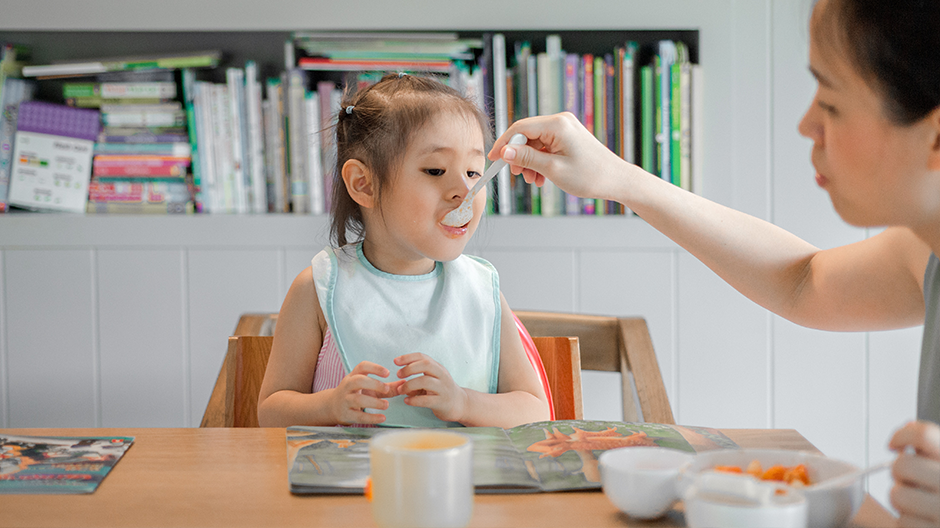
Toddlers who won’t eat are learning the important skill of saying “no.” Find out how to work with them.
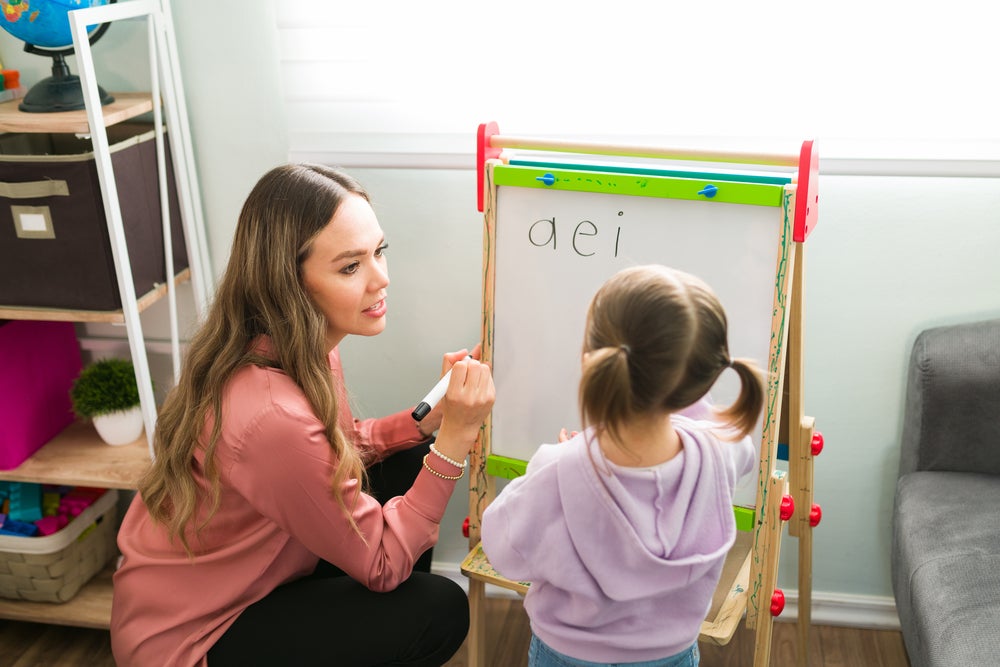
Teaching vowels to kids—especially long and short vowel sounds—can be tough. Find out how to help.