Has your child ever thrown a tantrum or had a complete meltdown in the middle of a store? If you’re like most parents, the answer is yes! Instead of trying to bribe them with toys, chocolate, or ice cream, try calming strategies for kids.
In this article, we’ll share the most effective ways to help your child (and you) manage strong emotions better. We’ll show you how to help them calm down, find resilience, and as a result, have healthier relationships with peers and teachers.
Teach your kids how to manage stress with these healthy activities.
Key Takeaways
- Teaching kids effective emotional coping skills while they’re still young prepares them for grown-up challenges later in life.
- Deep breathing, sensory stimulation, and a safe environment are great calming tools for anxiety.
- These strategies are great for adults, too! Model these emotional regulation techniques to show your kids these easy ways to manage their stress.
Table of Contents
- Why are Calming Strategies for Kids Important?
- Early Signs of a Stressed Child
- Calming Strategies for Kids
Why are Calming Strategies for Kids Important?
First things first: our goal is not to help you prevent your child from ever getting upset. That would be unrealistic. Instead, we want to help you learn how to teach your child strategies for working through their feelings.
Why should you be worried about this? Isn’t throwing tantrums a normal part of growing up?
While meltdowns do happen, it’s important for children to learn better options for dealing with frustration, anxiety, and stress so they can express themselves more effectively.
Additionally, it takes time for kids to learn how to successfully deal with their emotions. Some people struggle with this well into adulthood. The more that your children can practice effective coping techniques from an early age, the better prepared they will be for grown-up challenges.
Emotional Intelligence
Being able to calm yourself down is also an integral part of self-regulation, an important component of emotional intelligence.
There are many incredible benefits to developing emotional intelligence, including improved mental health, a strong Character, better management of relationships, and the ability to deal with difficult circumstances in a healthy manner.
Early Signs of a Stressed Child

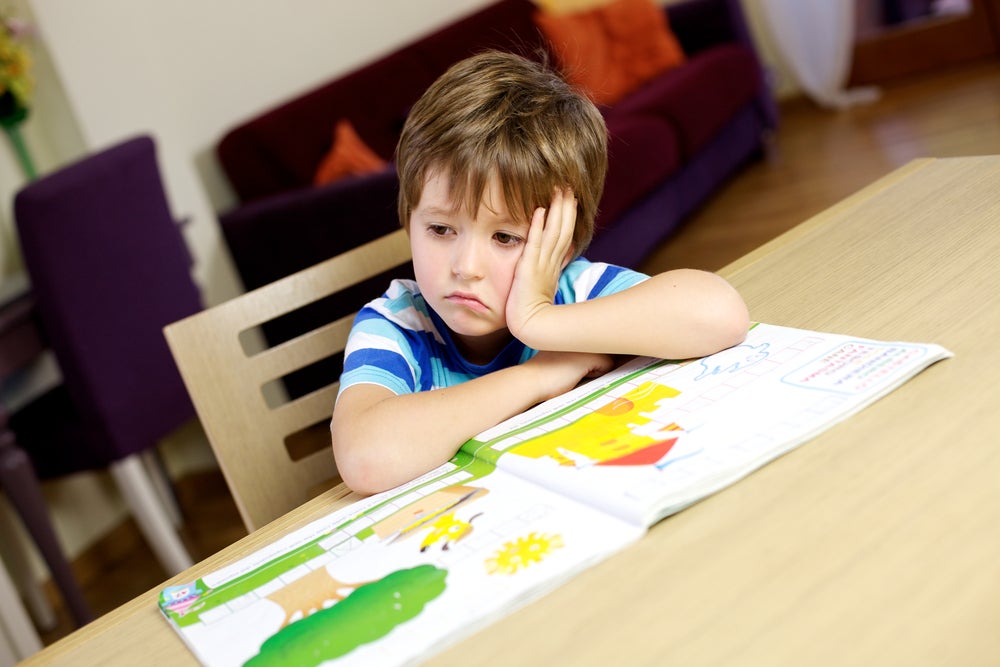
We’ve spoken a little about tantrums already, but just because your child isn’t having meltdowns doesn’t mean that they are not experiencing stress or distress. Kids handle difficult situations differently.
Your child might bottle things up, and it may not be easy to spot that something isn’t right until they explode one day.
In order to prevent this, it’s essential to look out for early warning signs. When you spot these early enough, you can see that your child may be going through something challenging and take steps to help.
Here are some things to watch for:
- A dramatic difference in your child’s attitude
- Withdrawal from family and friends
- Reluctance to go to school or participate in activities they used to enjoy
- Disruptive behavior
- A change in appetite
- Difficulty sleeping
Keep in mind that you don’t have to wait for the above signs to act. Sometimes, your parental instincts are your best guide.
Consider what may be going on in your child’s life. Their parents’ divorce, moving schools, a family death, and a new sibling are just some of the events that can trigger stress and anxiety in children.
Calming Strategies for Kids

Each child is unique and will respond in varying ways to the following strategies. A technique that works for your eldest may not be very effective for your youngest. Even for the same child, what works this week might not in a month.
Now, let’s get started.
1) Practice Deep Breathing
If you’ve ever been stressed before, you’ve probably heard from a loved one the words, “Just breathe.” Why is that?
In a nutshell, when you are experiencing feelings of anxiety, stress, or anger, your breathing is likely to get shallow. Your heart rate will also increase and your muscles will tense up. It’s difficult to think clearly or act soundly when you’re in this state.
Deep breathing helps increase the oxygen flow that our bodies and brains need. This can be an effective stress-relieving technique for people of all ages, not just kids!
Here are some fun ways to encourage your child to give it a try:
- “Breathe in through your nose like you’re smelling a flower. Hold for three seconds. And then breathe out through your mouth like you’re trying to blow out your birthday candles.”
- “Raise your hands and take a deep breath in through your nose. Hold for one hippopotamus, two hippopotamus, three hippopotamus. Let your hands down slowly as you breathe out through your mouth.”
- Make sure to practice deep breathing with them! As you breathe together, your child will see that this is a safe and calming practice.
Repeat these breathing exercises at least four times. You may even want to try meditation for kids.
2) Blow Bubbles
Sometimes breathing exercises feel too abstract for a child. You’re asking them to be aware of something they usually do without thinking about it. If that’s true for your child, try blowing bubbles instead.
If you’ve got a jar of bubbles and two wands, take one and give the other to your child. After you dip the wands in the jar, ask your child to imitate you: “Take a deep breath in and then blow!”
Focus on the bubbles floating away. See how far you can track them as they disappear into the sky. Quietly watching the bubbles is a great way to reduce stress, too.
3) Create a Calm, Safe Spot

Using a designated quiet spot can be an effective calming strategy for kids of all ages to help them cope with stress. Even adults need a quiet place to go sometimes!
This special spot will help give your child a place they can retreat to when they are feeling overwhelmed.
Start by finding any area around your home that’s away from a lot of noise. You can add their favorite stuffed animal or blanket to make it really comfortable and inviting. You might also consider having a calming object or two in this space, like a stress ball or fidget spinner.
After setting up the spot, invite your child to it and explain how and when they can use it.
The next time you sense their feelings or emotions starting to get out of control, calmly remind your child about their spot. They can then head to this calming place for as long as they need to.
4) Do Emotional Check-Ins
Try initiating an emotional check-in if you notice your child feeling anxious. The invitation to share might be just what they need.
You can do this in a direct, open-ended way by asking, “How are you?” But you can also try to identify what your child is feeling using an indirect or “sideways” question. Some ideas for you to play with: “What color do you feel like today?” or “If you were an animal, what would you be?”
Consider making these check-ins part of your daily routine. Any time is a good time for your child to practice accessing and articulating their feelings.
5) Help Your Child Express What They Need

Oftentimes, older kids simply need to talk to someone. The challenging part here is how you respond to what they tell you.
Remember to stay calm throughout and listen attentively. When it’s your turn to speak, ask questions that encourage them to process the situation further. Even simple phrases like, “Tell me more,” or “How did that make you feel in the moment?” will keep the conversation flowing.
Doing this regularly can help your child learn how to express their feelings while letting them know that they can always turn to you when they need to talk.
6) Get Active

Moving your body is a great way to help release stress and tension. That’s why any form of exercise can be an effective calming strategy for both younger and older kids.
If they’ve been indoors playing video games or watching TV all day, encourage them to go play outside. Take a walk, go jogging, kick a ball, play with the dog, ride their bike… anything that gets their blood flowing!
Changing the scenery while getting active can be a very effective calming strategy for kids.
7) And Get Outside!
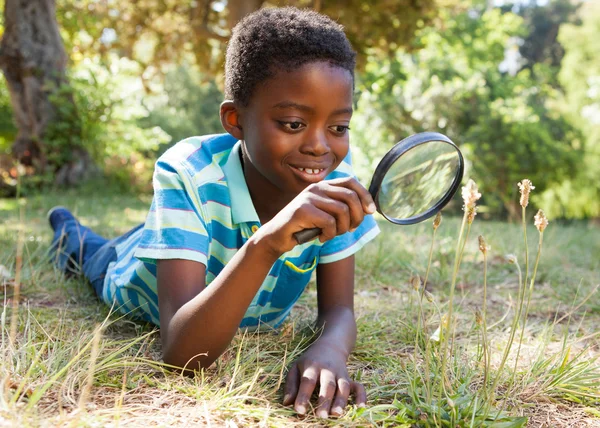
A round-up review of a handful of studies in the Journal of Environmental Psychology found that nature has an enormously positive effect on kids’ stress. Being in nature also increases focus, creativity, confidence, and curiosity.
Definitely curiosity! You might go for what you think will be a quick walk with your child that turns into a long one as they stop to observe ants crawling along the sidewalk or collect leaves in the woods.
Any outside activity can promote this slower pace and sense of calm. Some ideas to consider:
- Walk
- Play in the yard
- Play on a playground
- Bring an “inside” activity outside (picnic, art project)
- Gardening
8) Encourage Sensory Play
Sometimes, it’s difficult for kids to express their thoughts when they’re upset, especially when they are feeling lots of different emotions.
Sensory play can be an effective way for children (especially younger ones) to calm down by allowing them to focus on one sense at a time.
Here are some ideas you can try at home.
Create a Feelings Box
Place different types of materials (feather, leather, cotton balls, etc.) in a shoebox. Then ask your child to close their eyes, feel inside the box, and guess what’s in it.
Play Calming Music
Calming music can provide stress relief and lessen feelings of anxiety in children. We recommend creating a soothing playlist, giving your child some headphones, and letting them sit and listen to the music as long as they’d like.
Color Mixing
This activity engages a few different senses and helps your child discover what happens when certain colors mix. It can be a great way for them to forget about what’s upsetting them and focus on the fun activity in front of them.
Here are more details!
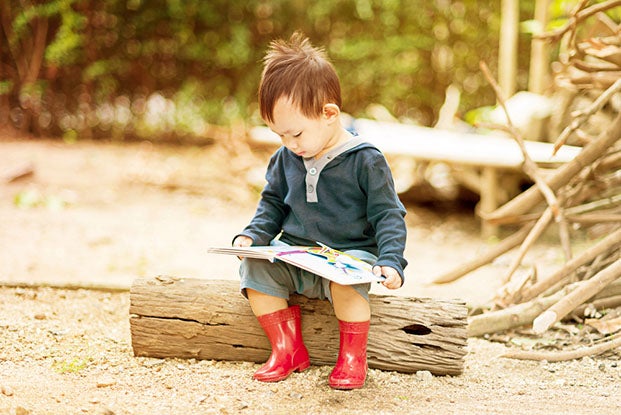
9) Read Together
Settling in together to read strengthens the bond between you and your child. By sharing a snuggle, maybe a snack, and a good book, you create an intimate space that builds trust and connection. All of this helps your child relax.
And if you choose books that explore the emotions your child is feeling, they can talk about the character’s situation and, without even realizing it, talk about themselves.
10) Repeat Positive Affirmations
One of the best ways to get rid of negative thoughts is to replace them with positive thoughts. This can be a great strategy for older kids whose vocabulary is more advanced than younger children’s.
Help your child come up with simple affirmations that they can repeat over and over again, such as:
- I am strong
- I am smart
- I can do anything I put my mind to
- I am special
11) Focus on Competencies
What is your child good at? What do they love to do? Maybe they’re a budding soccer player. Or maybe they could spend all day drawing. Giving your child time to hang out in their comfort zone strengthens their self-esteem and builds their competencies.
You can turn to these favorite activities when your child is feeling stressed, but you can also weave them into your child’s weekly routine.
12) Create Routines
Creating daily routines for your child, such as morning and bedtime routines, brings predictability and safety into your child’s life. They know what to expect from one activity to the next and can prepare for them. Reducing surprises reduces stress.
13) Take a Bath or Shower
Taking a bath or shower is a highly effective way to reduce stress. When your child feels the warm water on their skin, their body relaxes. Try broadening their sensory experience by adding bubbles to the water or soothing scents to the space.
Gently rubbing your child’s skin can have a positive effect on their physiology, too. Their heart rate and blood pressure slow, and their brain waves change, all contributing to a sense of calm.
14) Prepare in Advance
If your child is anxious about an upcoming event, like going to the dentist or leaving for a trip, prepare them for what to expect. You can have a conversation about the event, where you might answer their questions and share your own experiences, but you can also get more creative!
Can you find a book about a child preparing for the same event or feeling the same emotion? Read it together to fill in some of the unknowns for your child. Or you and your child can act out the scenario to practice it, or draw it to put a concrete (positive!) image to the event.
15) Look for Helpers
Feeling anxious can make your child feel out of control. But teaching them to look for the helpers in a stressful situation can give them back a sense of power. When they know who is looking out for them and who they can talk to, they can relax a little and feel more secure.
For instance, if your child is anxious about school starting, you could go to the school together and have a conversation with their new teacher. Your child could share their worries with the teacher and create a plan to help alleviate their stress.
16) Make Time for Creative Play
Creative play works in two ways to help your child cope with their anxiety.
First, the simple act of playing releases endorphins, which in turn lowers stress. When your child is really into their play (maybe swinging on a swing, pretending to throw a birthday party, or dancing to music), they let go of their anxiety without even realizing it.
And second, you may find that your child’s anxiety shows up in their play. This happens most often in make-believe play with dolls or stuffed animals. Give your child the space to work through their emotions in this way that feels safe. They may repeat this play as they process.
Learning Calming Strategies with Begin
We can’t get rid of all the stressors in our children’s lives. But we can help them navigate tough moments, showing them how these moments can become the building blocks for a healthy sense of self-confidence.
If you’d like more support with big feelings, try the Learn with Sesame Street by Begin social-emotional learning program. With the help of beloved Sesame Street friends, kids learn how to name and manage their feelings, including calming strategies like belly breathing.
With Begin on their side, your child can learn to manage their tough emotions!
Frequently Asked Questions
How do I calm my child down if they cope with anxiety by getting angry?
Rest assured, this is a common way to cope with anxiety! Anger can feel like a “safer” emotion, while feeling anxiety can be so much scarier. But there are ways to get past the anger to the deeper, more accurate anxious feeling.
Validate your child’s feelings first. Sometimes simply knowing they’re being “seen” diffuses the intensity of the emotion.
Then see if you can engage in a conversation with your child about what’s going on: what caused the emotion and what it feels like in their body. Actively listen. Being able to tell their story helps your child feel like it matters (and they matter) to you.
Praise any calming techniques they use. They might take deep breaths without realizing it, and you can point that out. Or you might suggest they go to their special, calming spot or go with you for a walk. Again, let them know you’re proud of how they’re working through their feelings.
Once your child is calmer, you can try to address the feeling underneath the anger.
Should I share the fact that I’m sometimes stressed with my child?
Yes, it always feels better to know you’re not the only one! By letting your child know that you can relate to their feelings of anxiety, you’re validating their experience.
Try sharing calming strategies that work for you. Talk about them, demonstrate them, and do them together with your child. You could also build some kind of mental health practice into your weekly routine. You and your child could do yoga or meditate together.
Anxiety is tough for the person feeling it. There’s no way around that. But building a strong connection around anxiety between you and your child can help them feel comfortable and safe.
How do I know if my child’s calming strategies are working?
You will probably notice changes in their behaviors. They might be big changes, like your child beginning to identify their stress as soon as they feel it and then using a strategy to alleviate it. But you might only see small changes, like a shorter meltdown before they feel calm.
All movement forward is reason to celebrate!
When should I consult my child’s doctor about their anxiety?
You may want to talk to your child’s doctor if you notice their anxiety becoming more consistent or reaching new extremes. If they’re having a harder time falling asleep, eating, or maintaining their friendships, it’s probably a good idea to consult with their doctor.
And if you’re feeling unsure about whether or not to contact the doctor, it’s always a good idea to do so to relieve your worry.