21 Fun and Educational Road Trip Games for Kids
Fun car games for kids such as Story Starter, The Name Game, and 20 Questions keep everyone entertained until you get where you’re going.

Fun car games for kids such as Story Starter, The Name Game, and 20 Questions keep everyone entertained until you get where you’re going.
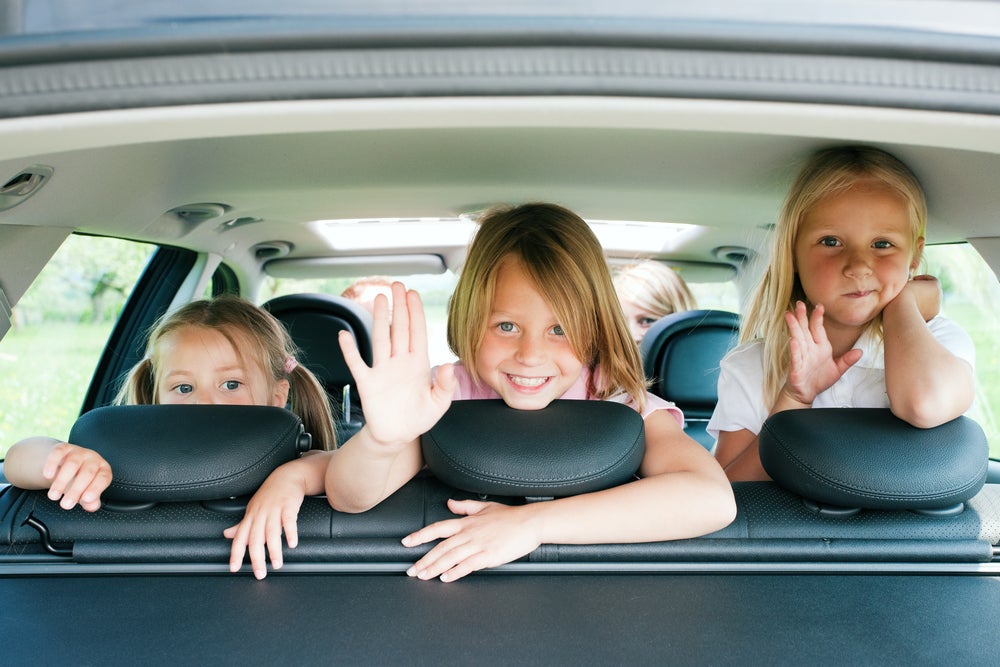

As your child starts 3rd grade reading, they’ll be introduced to more complex texts and skills. Learn how you can support their reading at home.

In 2nd grade reading, your child will learn more about phonics, decoding, fluency, and comprehension. Discover tips to enhance their learning.
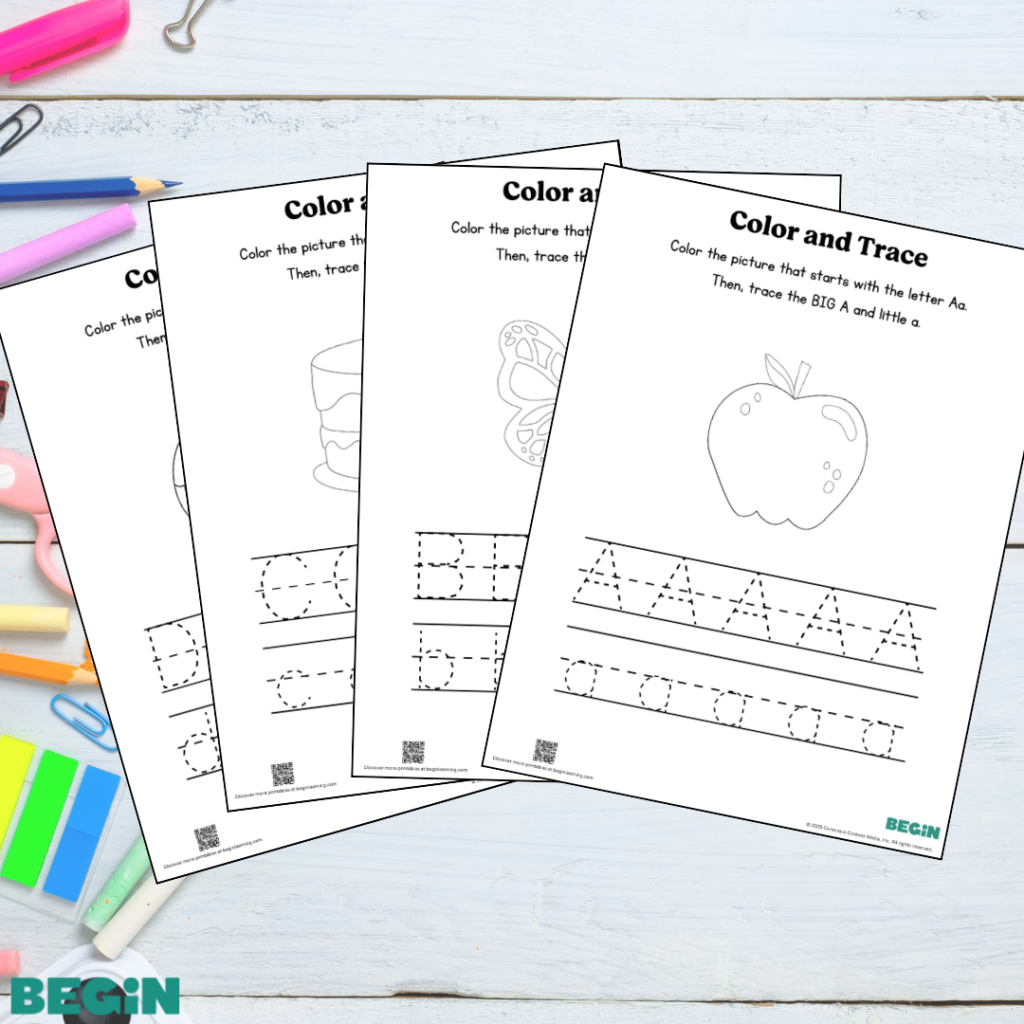
Color and trace alphabet pages for kids ages 3–6! Build early literacy, fine motor skills, and sound recognition with fun A–Z practice.
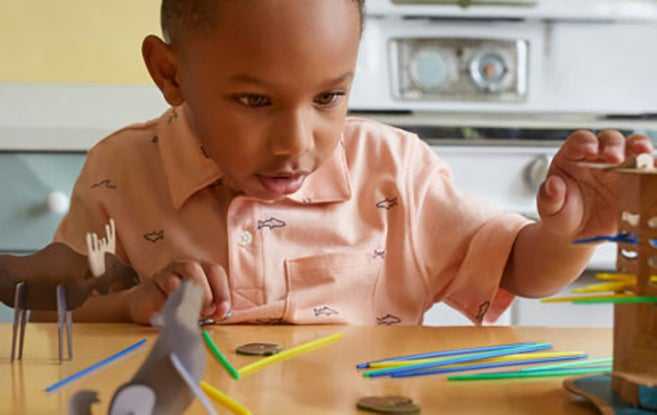
Sensory play encourages your child to use all of their senses to explore the world. Learn more about this type of play and why it’s so beneficial.
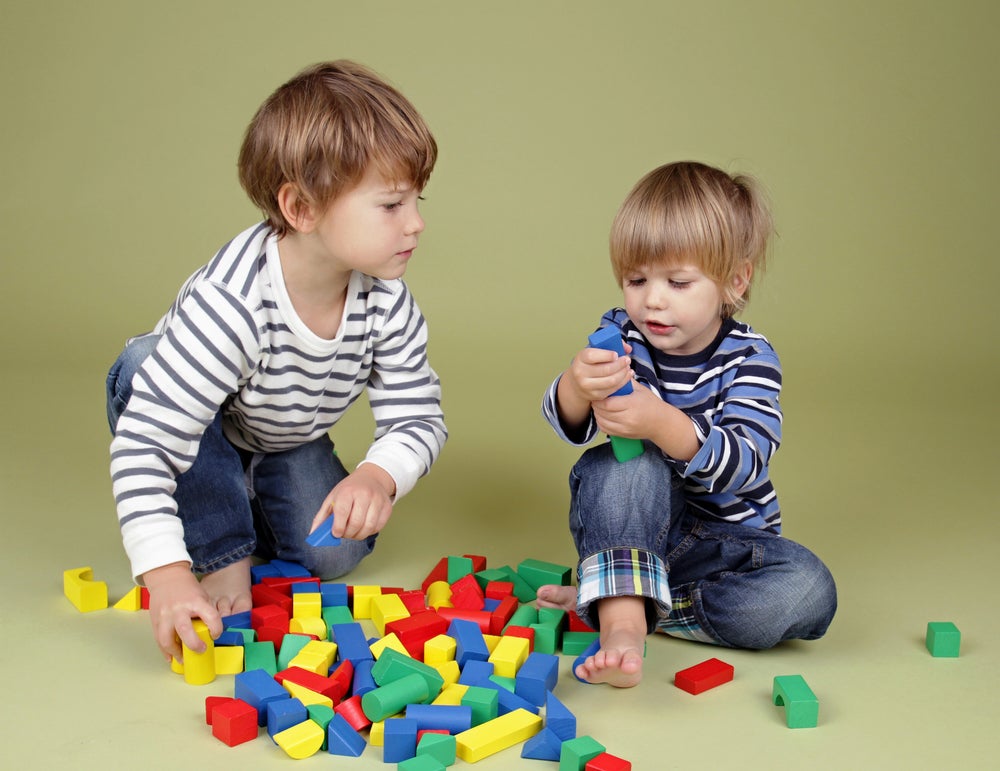
Help your child build positive relationships by trying 30 fun activities that develop their social skills, plus tips for supporting them as they learn.
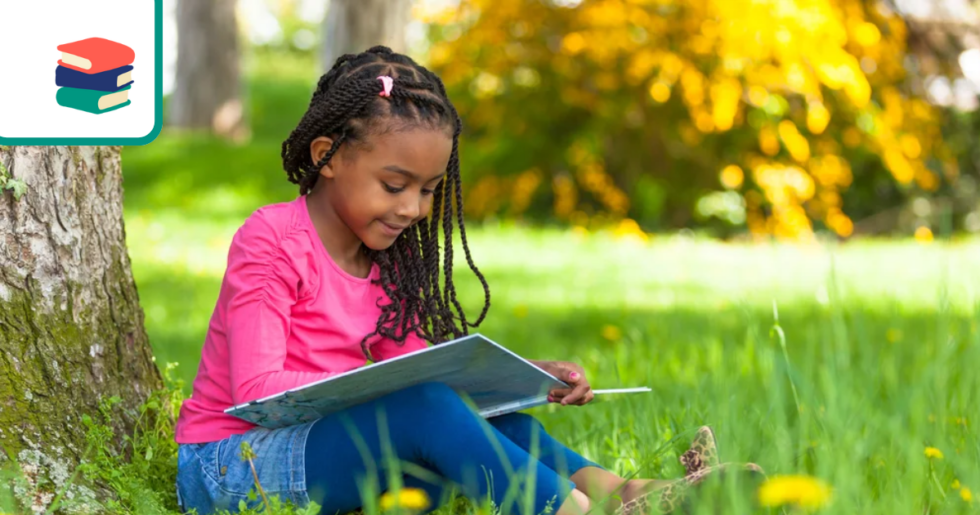
Kids with strong reading skills do better in school and better in life. Here are 15 tips for teaching your child to read in ways that are fun and easy.
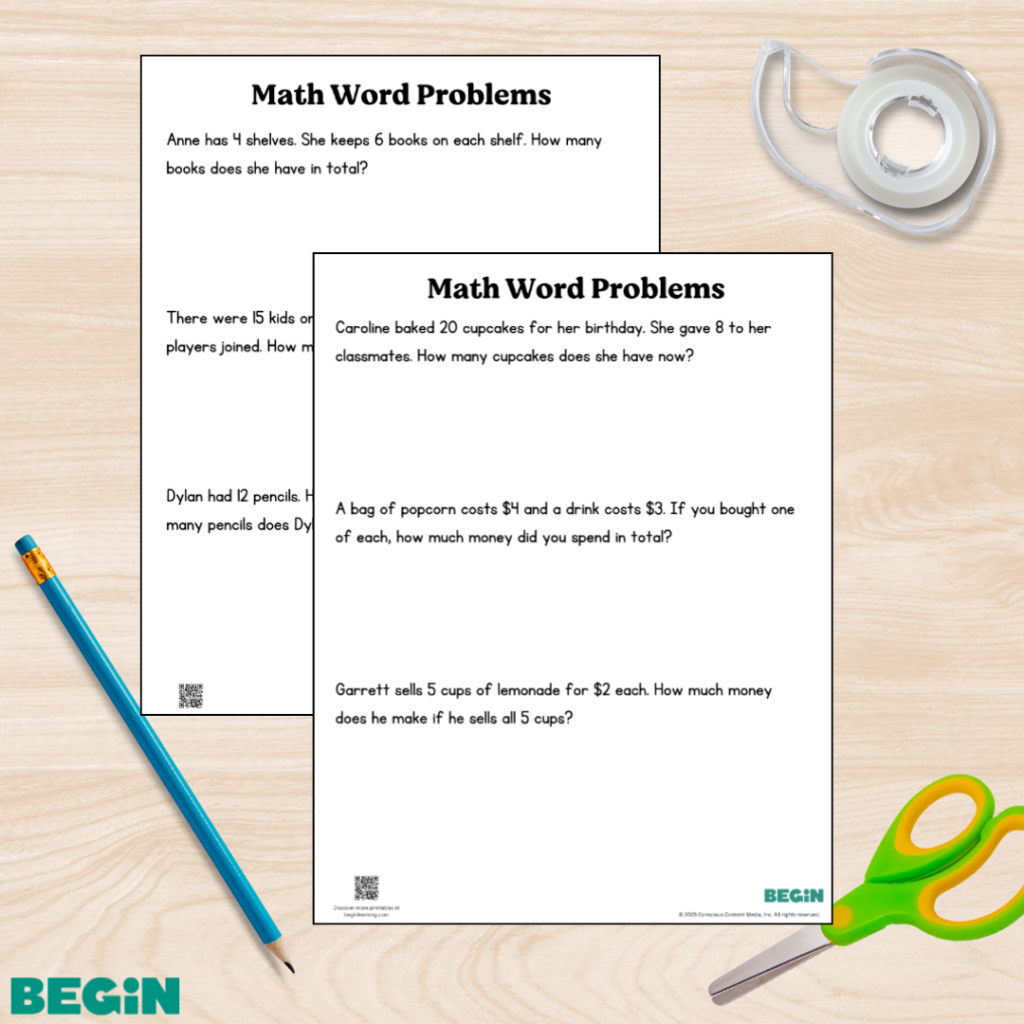
Math word problems for kids ages 6–8! Build problem-solving, reasoning, and real-world math skills with fun story-based challenges.
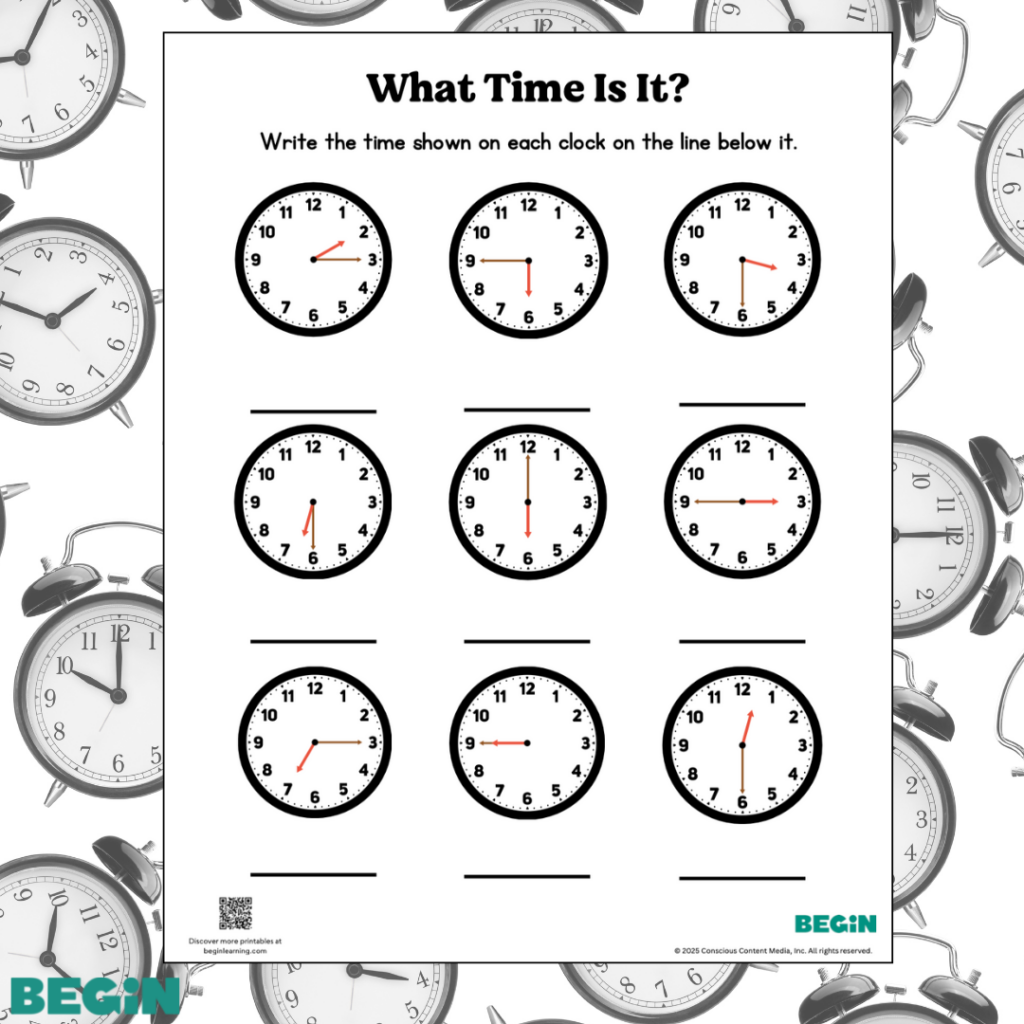
Telling time activities for kids ages 6–8! Practice reading clocks, writing times, and building number sense with fun real-world math learning.
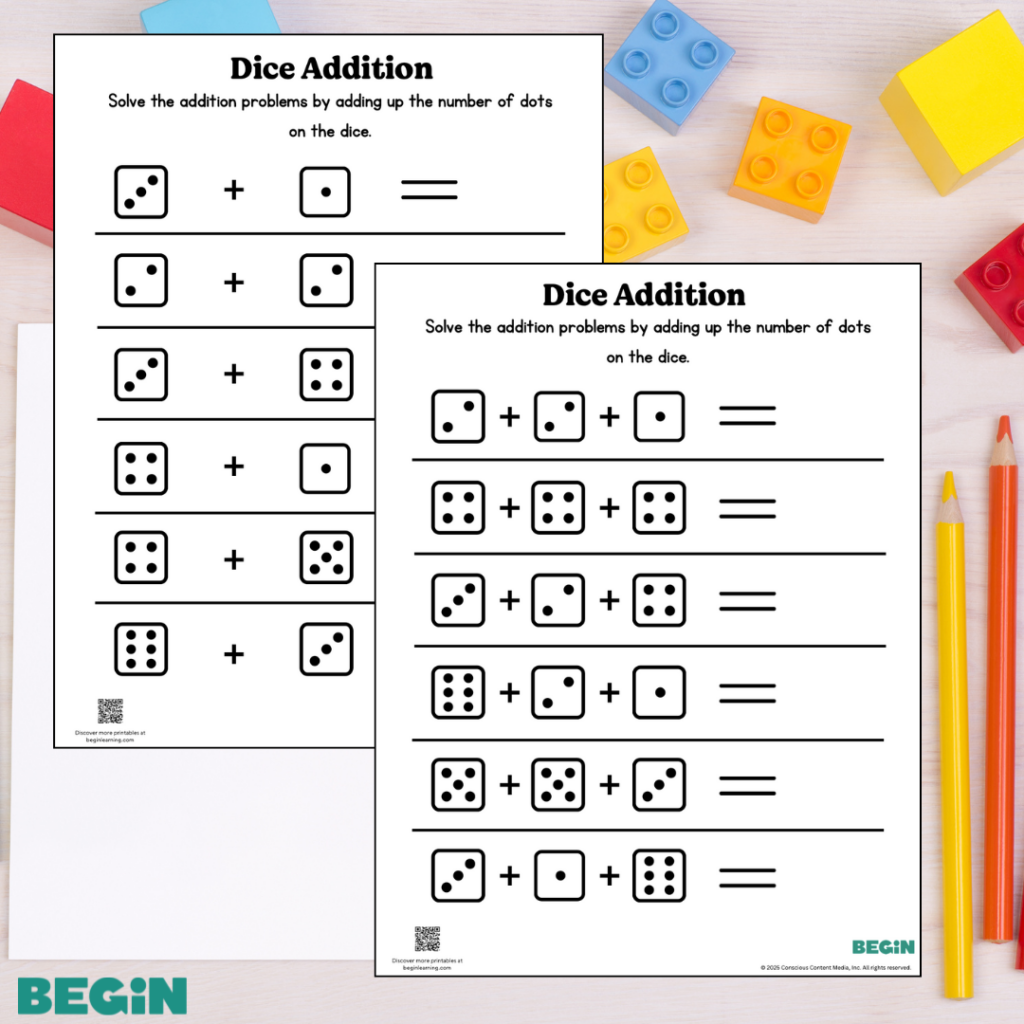
Dice addition for kids ages 5–7! Count and combine dice to build number sense, subitizing, and confidence with fun early math practice.
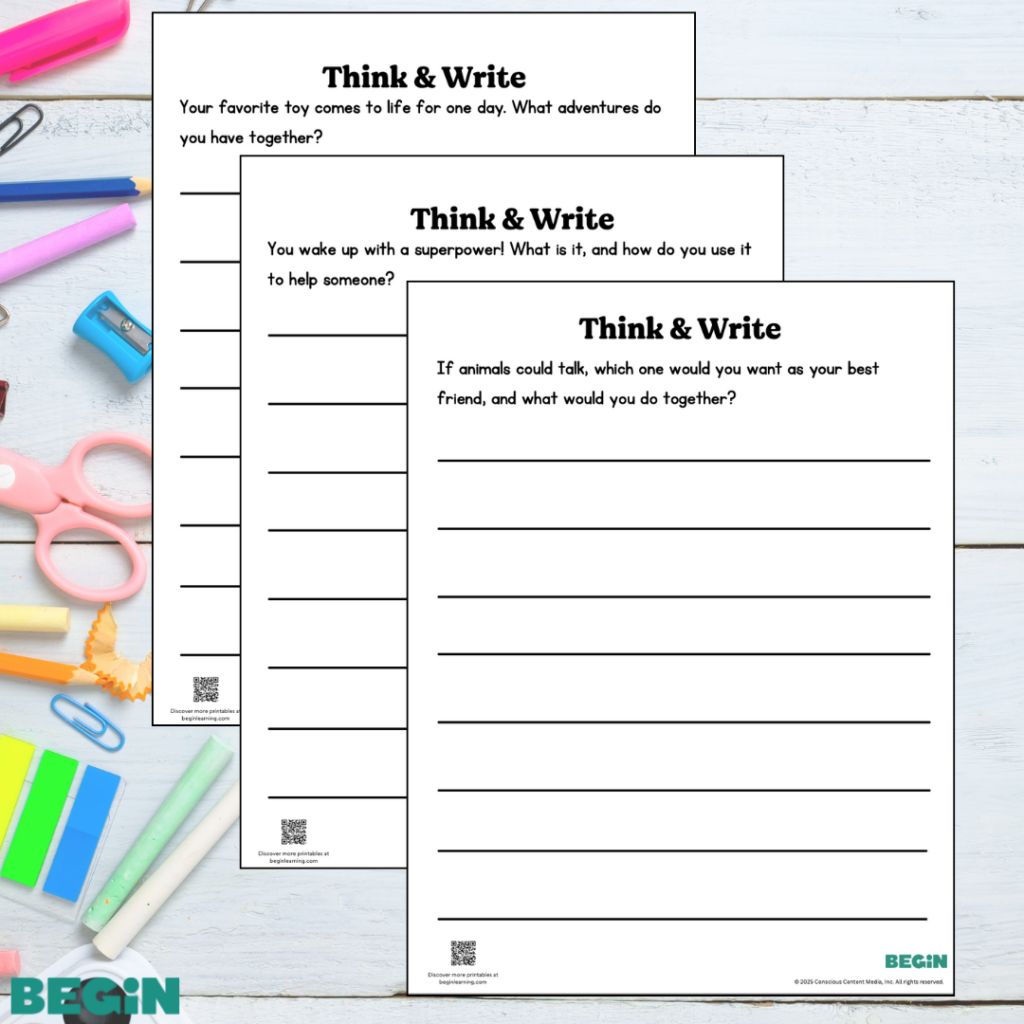
Unleash your child’s imagination with these Think & Write Prompts! Each page presents a playful “what if?” scenario that inspires kids to dream, invent, and explore their creativity through writing and storytelling. 📥 Click Here to Download Materials Needed: 🖨️...
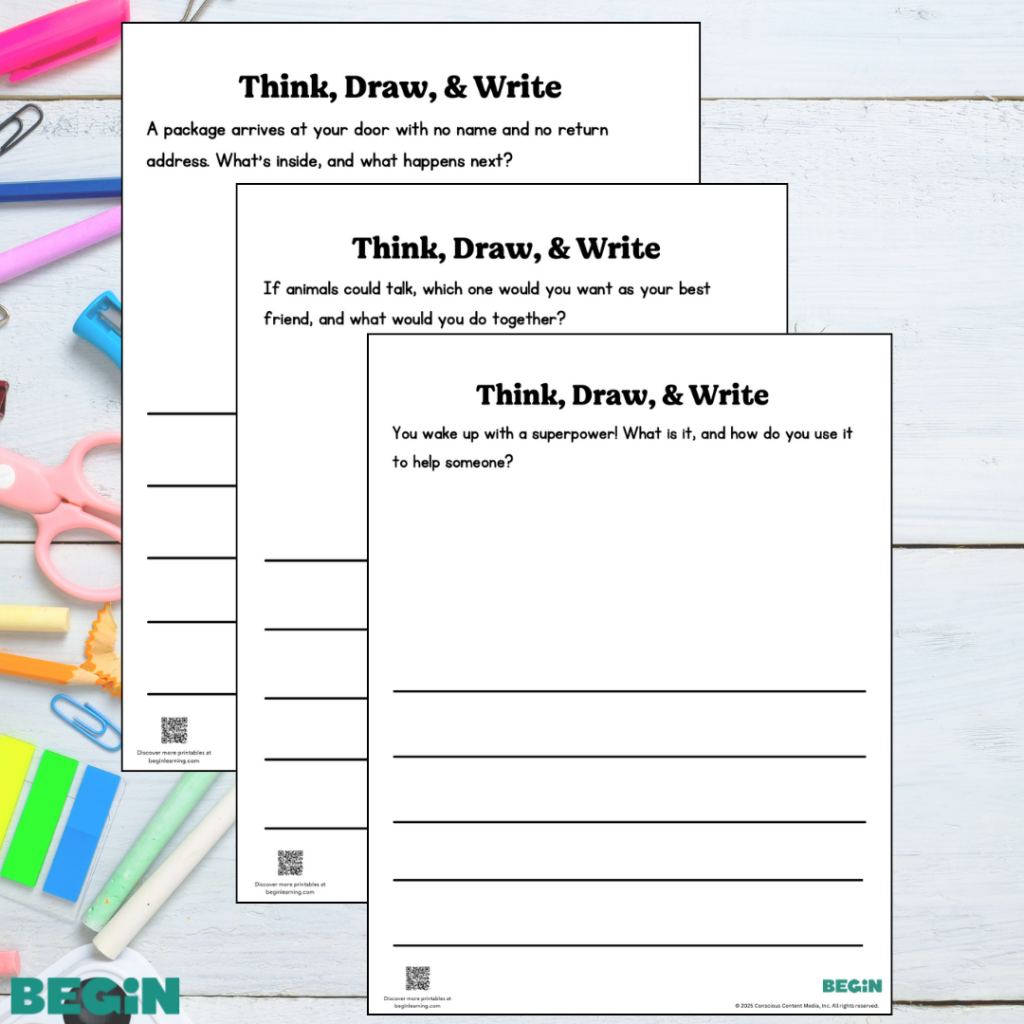
Creative writing prompts for kids ages 5–6 that inspire imagination and storytelling! Draw, write, and build early literacy through fun “what if?” ideas.
Second grade math skills include place value, addition and subtraction, probability, and geometry. Try these activities at home to help your child learn.