
Teaching children about their feelings can be challenging. That’s because feelings themselves are complicated. Although emotions for kids can be an abstract concept, understanding emotions is an essential part of growth and development.
In this article, we’ll dive into the reasons why children need to understand their emotions. We’ll also share some effective strategies you can implement to help your child learn how to manage their feelings well.
Key Takeaways
- Children feel the same heavy emotions as adults do, but they often act out physically because they lack the vocabulary to explain what they’re going through.
- Developing strong emotional management skills early on helps kids build healthier friendships, make rational decisions, and successfully bounce back from stressful moments in school.
- Giving complex feelings clear names and validating a child’s emotions with genuine empathy are critical first steps toward stopping tantrums before they start.
- Parents should actively speak about their own everyday feelings and practice calm self-regulation, as children naturally copy the behavioral habits modeled by adults.
- Turning emotional learning into an interactive game makes it easier for kids to connect with their feelings.
- When daily home strategies are not quite enough to handle a child’s intense behavioral struggles, seeking a professional therapist is a brave step that can benefit the whole family.
Table of Contents
- The Challenge with Emotions for Kids
- Why Do Kids Need to Manage Their Emotions?
- 9 Ways to Help Kids Understand Their Feelings
- Emotions for Kids: Simple Activities
The Challenge with Emotions for Kids
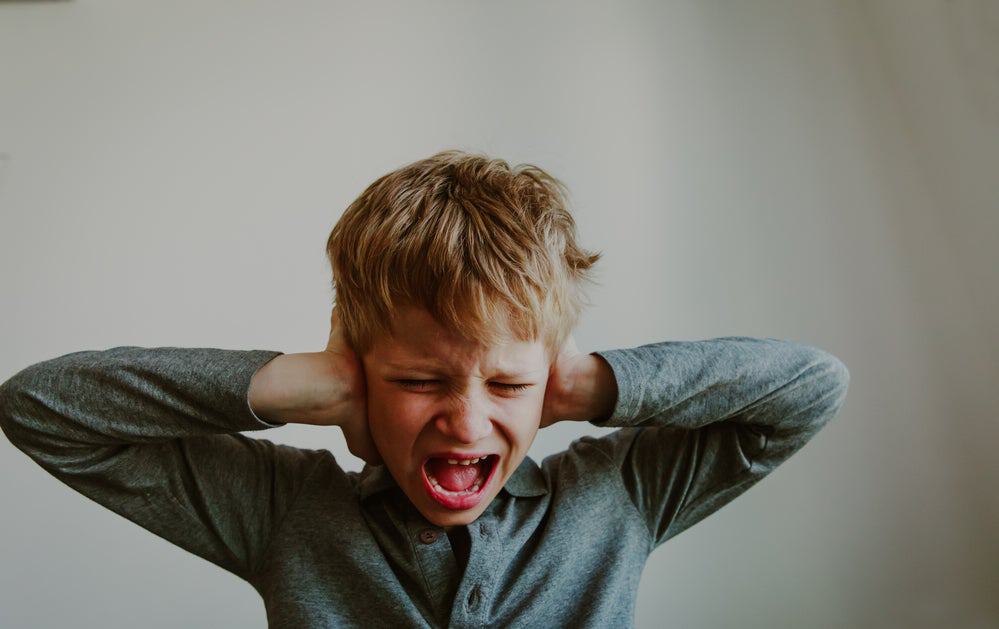
Kids experience the same emotions as adults. They get angry, frustrated, sad, scared, excited, jealous, worried, and so on. Unfortunately, children usually don’t have the vocabulary to express their emotions clearly.
Because of where they are in their development, they express feelings through their facial expressions, body language, or in how they play. They might even act out (e.g., throwing a tantrum, hitting, biting) when the emotions get overwhelming.
It’s important to note that while throwing a tantrum can be frustrating for a parent, it’s actually perfectly normal for young children.
We can’t promise that your child will never again have a tantrum or become disappointed, angry, or sad about something. In fact, we are sure they will. But we can promise that a better understanding of emotions and how to express them allows children to successfully address what they are feeling and why.
These social-emotional skills are part of your child’s character that will help them succeed in school and life. Along with other skills like creativity, critical thinking, and curiosity, character plays a crucial role in a child’s overall well-being.
Let’s look at why it’s so important for children to manage their emotions.
Why Do Kids Need to Manage Their Emotions?
It’s normal for children to experience different emotions, but learning to manage those feelings can benefit kids in many ways. Let’s take a look.
1) Stronger Coping Skills

Strong emotions such as frustration, anger, or even disappointment can be challenging for anyone (including adults) to deal with. But these are a part of life, and, unfortunately, we can’t shield our children from experiencing these feelings.
As parents, the best thing we can do is help our children learn to recognize and express their emotions in healthy ways. When they can do this, it gives them the ability to cope in different, challenging situations.
In fact, with the right tools, they can bounce back more easily after experiencing complex feelings. They also learn to avoid destructive behavior (e.g., hurting others or themselves).
2) More Stable Relationships
When children can express their feelings in a healthy way, it gives them a better chance of making friends and having more stable relationships.
For example, let’s say your child has a friend who always borrows their toys during playtime and never returns them. Many children might start a fight, cry, or even physically grab the toys to get them back.
Teaching your child to express how they feel might yield better results for everyone involved and prevent arguments.
3) Better Experience in School

A child’s school years can be some of the most emotionally challenging years of their life. They’ll make friends and lose friends, do well in some classes and not great in others. And then enter into the teen years, full of emotions and raging hormones.
With all of these highs and lows, helping your child understand and effectively communicate their emotions from early childhood can give them a better overall experience in school.
4) Self-Awareness
Expressing emotions doesn’t always have to be an outward experience (i.e., speaking to someone or yelling into a pillow). Sometimes, we can process our emotions inside our heads.
For example, instead of getting mad at someone for their actions towards us, we can forget about who we’re angry at, what they did or said, and just focus on what we’re feeling.
We can say to ourselves, I’m so angry right now, and that’s OK. These simple words can help get rid of the power of that emotion. They can also ease anxiety and allow us to see the problem in a new light.
While it might take time for children to reach this point of self-awareness, introducing this technique early will put them on the right track to understanding their feelings. It will also loosen the grip that emotions can have.
5) Improved Family Life

If you have multiple children, you know that it can be challenging for them to get along. Perhaps they will not be best friends overnight, but helping children understand their feelings and express them in healthy ways can lead to a less stressful family life.
6) Increased Empathy
Kids who understand and can express their emotions are often more empathetic toward others. They can better identify how someone else might feel and respond appropriately, whether by offering comfort or giving space.
This social-emotional skill will help them value differing perspectives and build healthier relationships.
7) Better Decision-Making Ability
When your child is overwhelmed with emotions, it can cloud their judgment and lead to impulsive decisions or actions. They can make more rational decisions when they learn to recognize and manage their feelings instead of being controlled by them.
This skill will serve them well as they grow and face increasingly complex decisions.
9 Ways to Help Kids Understand Their Feelings
Now that you understand some of the incredible benefits of teaching children about emotions, let’s get into some effective strategies you can try at home today.
1) Give It A Name

The first step in helping your child understand and identify their different emotions is to give those emotions names. This allows children to start developing an emotional vocabulary that they can use to express themselves.
For preschoolers, you can teach basic feeling words, like mad, happy, scared, and sad. Once a child gets older, you can introduce more complex feeling words, like disappointed, frustrated, and nervous.
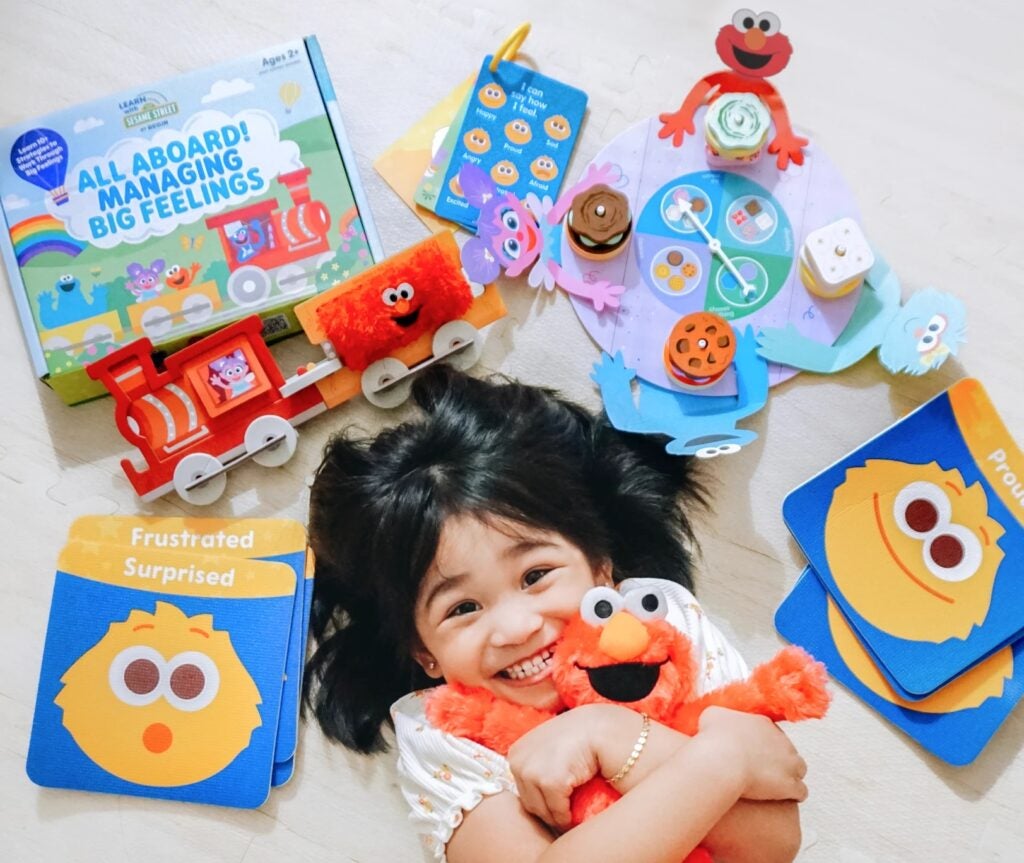
The Match and Imagine Feelings Cards from the Learn with Sesame Street by Begin subscription are an excellent resource for this step. You can use them to play games like charades or memory to help your young children better understand each emotion.
2) Respond with Empathy and Validation
When our children come to us with their hurt feelings, it’s easy to try to quickly “fix” the situation so that they are no longer hurting.
While this might be a natural instinct for many of us, the most effective first response is to respond with empathy and validate their feelings.
For example:
You are mad because you want to eat another cookie right now. I understand.
Timothy didn’t want to share his toy with you, and this made you sad. I understand.
These simple responses will help a child feel heard, understood, and not judged. It might also encourage them to continue using their emotional vocabulary instead of immediately acting out.
3) Teach Coping Strategies
After expressing their emotions verbally, children might still feel the need to act out (i.e., hit someone). But it’s essential to teach them to deal with uncomfortable emotions in a more productive way.
There are multiple effective calming strategies for kids. And helping children know that there’s an alternative to throwing tantrums or exhibiting attention-seeking behavior allows them to deal with their emotions better.
However, if you wait until your child is upset to brainstorm ways to calm down, they likely won’t be interested in trying anything. That’s why it’s essential to introduce coping strategies before your child needs them.
One day, when they’re calm, sit together and list a few things they enjoy and could try doing when they’re upset. Encourage them to pick a few options and practice using them daily so they become second nature.
For example, you can encourage your child to take a self-timeout. Essentially, they can go to a quiet spot and calm themselves down.
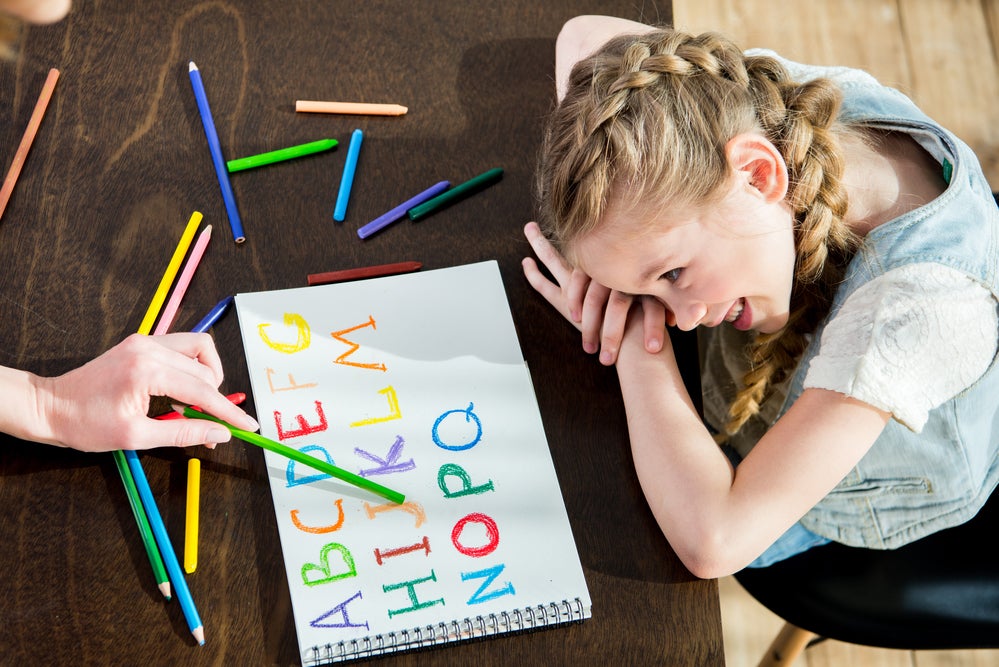
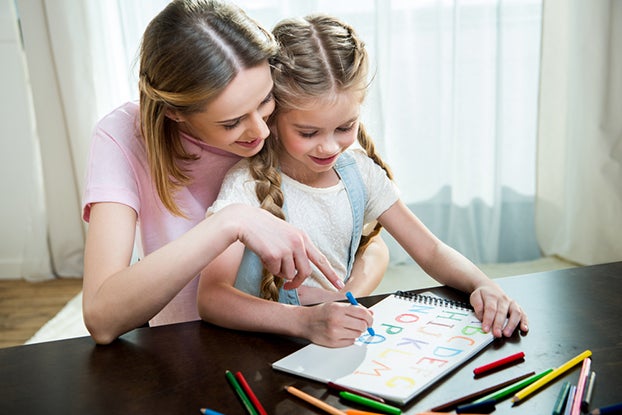
If they love to draw, you can also have some drawing supplies ready for them to use to express themselves artistically. Sometimes even a quick walk outside does the trick!
4) Talk About Your Feelings

If you want to encourage your child to talk freely about their feelings, you, your partner, and everyone else around the house must do the same thing.
For example:
My friend isn’t feeling well, and that makes me sad.
Someone bumped my car while it was parked. This made me really angry.
This can be challenging because, as adults, we don’t always feel comfortable sharing our feelings with children. We may not want to burden a child with our problems, or maybe we’re concerned about exposing the child to adult situations.
While it is true that some feelings are not appropriate to share, it’s also true that when we talk about our emotions, we give children permission to do the same. Modeling emotions for kids in this way can help them get comfortable sharing how they feel with others.
5) Read About It
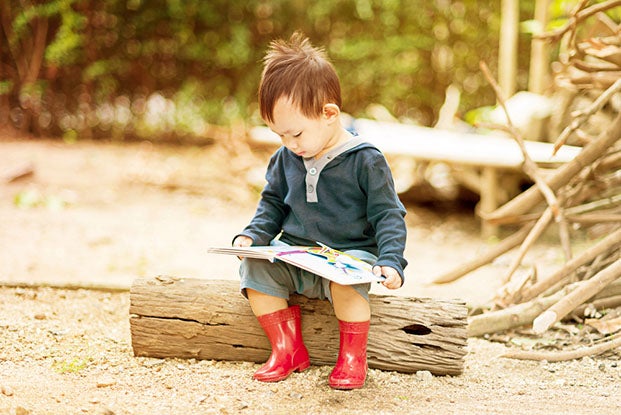
Sometimes reading books about characters dealing with the same emotions we are dealing with gives us a new perspective.
Here are a few great books to help your child understand their complex feelings:
- Grumpy Monkey
- Ruby Finds a Worry
- In My Heart: A Book of Feelings
- The Boy With Big, Big Feelings
- The Color Monster: A Story About Emotions
While reading these types of books, remember to discuss how the characters may feel. At appropriate times, pause and ask, “How do you think she’s feeling right now? Why?”
6) Encourage and Praise
Remember to praise your child for expressing their emotions, even if you have to guide them a bit to find the best ways to act on those feelings.
Let them see that they are not bad for feeling jealous of their friend who has a toy they want. And that it’s OK to feel mad, sad, happy, frustrated, and everything else in between. The important thing is to express how they feel in a healthy way.
7) Model Self-Regulation
As your child’s role model, it’s crucial to practice self-regulation when dealing with your own emotions. If you can’t handle big feelings in a calm, productive manner, how can you expect your child to do so?
Take deep breaths, use positive self-talk, and take breaks when needed to regulate your emotions. If you’re feeling frustrated, model healthy coping strategies for your child to see and learn from.
Verbalize this process to your child when appropriate. This shows your child that it’s normal to experience strong emotions and that there are healthy ways to manage them.
8) Subscribe to Learn With Sesame Street by Begin

Learn with Sesame Street by Begin is an innovative subscription service that’ll help you teach social-emotional skills like:
- Expressing and managing feelings
- Awareness of others’ feelings
- Responding to emotions in others
- Connecting feelings to the body
Every month, your child will get a fun box filled with hands-on materials like games, books, and activities designed to support their emotional learning. Plus, they’ll have access to expert-designed classes to help them explore their feelings with their Sesame Street friends.
Learn with Sesame Street by Begin gives your child a solid foundation for developing social-emotional skills while creating an engaging learning environment. The included materials make it easy to weave these important skills into your child’s daily routine.
9) Seek Professional Help When Needed
Sometimes, despite your best efforts to support your child through emotional challenges, they may need additional help.
If your child regularly struggles to cope with overwhelming emotions, has behavioral issues, or experiences significant life changes, it may be time to seek the guidance of a mental health professional.
A therapist or counselor can provide your child with additional tools and strategies to manage their emotions in a healthy way. They can also work with you as a parent to better understand your child’s needs and give you ways to support them.
Remember that seeking help is not a sign of failure or weakness but a courageous step toward promoting your child’s emotional well-being and happiness.
And don’t forget to take care of yourself! It can be emotionally taxing to support a child through their big feelings, and it’s essential to prioritize your mental health as well. There’s no shame in seeking therapy or joining a support group for parents.
When you take care of yourself, you can better support your child’s emotional growth and development.
Emotions for Kids: Simple Activities
The above strategies can help you teach children about emotions and how to manage them. But it’s best to approach these lessons in a fun and interactive way.
Here are a few simple activities you can do with your child to help them learn about emotions.
Pause That Feeling
If you notice your child starting to show signs of a big feeling, pretend to hold a remote control and ask them to pause for a moment. Once they’re frozen in place, ask them to connect with their body and focus on how they feel.
At first, you may need to guide them by asking questions like:
- Do you feel warm anywhere?
- Are your muscles tight or relaxed?
- What does your heart sound like right now?
- Is there a place in your body that feels calm?
The goal is to help them recognize how their emotions affect them physically. This activity teaches them to listen to the clues their body sends them and recognize their feelings in a tangible way.ible way.way.
Connect Through Art
Art is a powerful medium for children. Through it, they can learn to understand and express their inner emotions. When a child is overwhelmed, grabbing crayons or clay can give their feelings a shape.
When you see this happening, you can connect with them, start a dialogue about big feelings, and gently guide the conversation about their artwork by asking specific questions about colors, shades, and choices they’ve made.
For instance, you might say, “I see you used a lot of dark blue here. What does that color feel like to you?” Discussing their artwork and creating artwork together establishes a safe, judgment-free space where your child can freely express themself.
Practice Mindful Breathing Before Bed
Mindful breathing is a great way to calm an upset child and help them reset. But it does take practice, so try making it a consistent part of their bedtime routine to help them relax into sleep.
One highly effective method is the 4-7-8 technique, where they breathe in for four seconds, hold it for seven, and exhale for eight. Another fun option for younger kids is balloon breathing, where they imagine inflating a giant balloon in their belly.
Practicing consistently when they’re already calm ensures these tools become second nature. Then, when big feelings hit later, they’ll know exactly how to breathe through them.
Keep a Feelings Journal
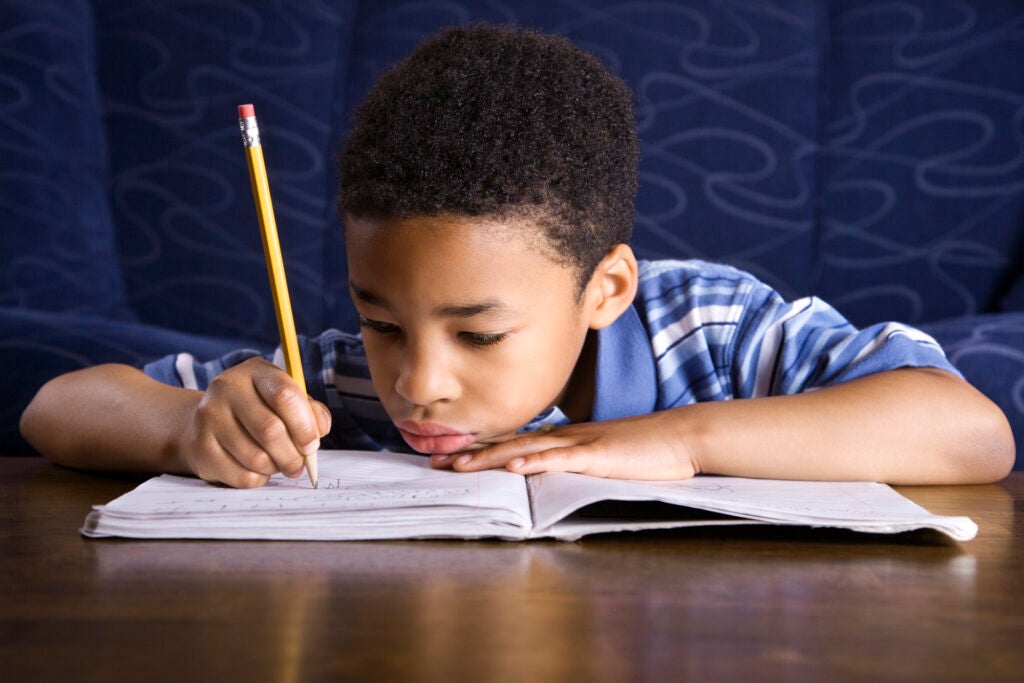
Journaling gives kids a private, safe outlet for expression where they don’t have to worry about judgment. To get your child started, make or buy a dedicated notebook that belongs just to them (an inexpensive composition or spiral-bound notebook works well).
Then encourage your younger child to draw pictures of their feelings and use shapes and colors to show how their day went. For older children, encourage them to write out full sentences to process complex thoughts.
Over time, journaling can help your child track emotional patterns and identify personal triggers. Looking back through the pages helps them see what makes them tick and how they can handle those situations better next time.
Play Feelings Charades
This fun activity adapts traditional charades into a game about emotional intelligence. Instead of acting out movies or books, players act out various emotions.
Participants must use facial expressions and body language to convey basic feelings, like happy and sad, without saying a word. Take turns acting and guessing as a family to keep things lively and cooperative.
For older kids, you can introduce more complex emotions like anxiety, pride, or guilt to expand their vocabulary. It’s a fantastic, playful way to help your child recognize emotional cues in others while learning to regulate their own expressions.
Role-Play Social Scenarios
Role-playing (i.e., pretending) with dolls, stuffed animals, or action figures is more than just fun. It’s a valuable learning tool that allows children to practice challenging social scenarios in a safe, low-stakes environment.
When you play together, focus on resolving conflicts, expressing gratitude, managing disappointment, and controlling anger. Take turns playing different roles so your child can see the situation from multiple perspectives.
This hands-on practice can help your child develop stronger empathy and better emotional regulation. By practicing solutions during playtime, they will feel much more confident managing real-world relationships and unexpected playground dilemmas.
Emotions For Kids: Practice Makes Progress

Feelings are complicated. And learning how to manage them can be challenging for young children. That’s why teaching emotions and modeling how to deal with big feelings is so important.
While teaching feelings to children might not be easy, it has incredible benefits: Kids develop stronger coping abilities, have better social skills, and learn to communicate effectively with others.
The strategies listed here give children the appropriate tools to understand their complicated emotions. However, when implementing these tips, take it one step at a time and be patient with your young learner. Use the games and activities to make the concepts fun.
In addition, continue to have conversations with your child about emotions throughout their childhood, including their teen years. This provides them with opportunities to get comfortable with different feelings and learn how to express them in healthy ways.
The Learn with Sesame Street by Begin app is an effective tool that helps kids learn and develop their social and emotional skills. With the help of their Sesame Street friends, kids learn how to express their emotions, empathize with others, and create healthy relationships.
Explore the Learn with Sesame Street app by Begin today and take our quiz to see which level is right for your child.
Frequently Asked Questions
Do diet and nutrition affect my child’s ability to regulate their emotions?
Yes, what your child eats directly impacts how they feel. High-sugar, processed foods can cause rapid blood sugar spikes and crashes, which often trigger behavioral side effects like irritability, hyperactivity, and emotional meltdowns.
On the flip side, whole foods support neurotransmitter production and blood sugar stabilization. Foods like salmon and walnuts provide omega-3 fatty acids, while vegetables and fruit provide complex carbohydrates.
Together, these foods promote healthy brain development and mood stabilization. Feeding your child whole foods gives them the biological fuel they need to keep their emotions balanced.
What is the “emotional thermometer” technique, and how can it help my child?
The emotional thermometer is a visual scale from 1 to 5 that represents emotional intensity and feelings of calm to completely overwhelmed. This tool helps children identify early warning signs of anger and frustration before they get out of hand.
By tracking their shifting feelings, kids can prevent full behavioral blowouts. In addition, the emotional thermometer allows you both to proactively implement calming strategies at lower intensity levels before things get out of hand.
Teaching your child to check their “temperature” builds lifelong skills for managing big feelings.
When does my child develop the ability to understand two emotions at the same time?
Toddlers and preschoolers have what is called “binary emotional perception.” This means that they usually feel only one big emotion at a time.
However, around ages 7 and 8, children develop the cognitive capacity to understand mixed emotions. This means they can grasp excitement and fear at the same time. You’ll often see this happen during big events in their life, like when they’re starting a new school year.
Understanding this developmental milestone can help you and your child set realistic expectations regarding your emotional maturity as they grow and change.
Does regular physical exercise affect my child’s emotional well-being?
Absolutely! Regular physical activity releases endorphins, which act as natural mood lifters for your child. Moving their body also provides a healthy physical outlet for built-up tension and stress while actively reducing cortisol levels.
Children who enjoy consistent active play build a much higher capacity for handling daily frustrations, resulting in stronger emotional resilience. Even better, regular exercise leads to improved sleep patterns and reduced anxiety, helping them feel happier and more balanced every day.