Fostering independence in kids is important for their future. Sometimes, though, we may miss opportunities. For example, maybe you’re in the habit of packing your child’s backpack at night for school the next day instead of giving them the chance to do it themselves.
This scenario resonates with so many parents. Us, too! Even when we want to foster a sense of independence in our kids, we don’t always offer the opportunity because we can pick up their toys or make their lunch with greater efficiency if we do it alone.
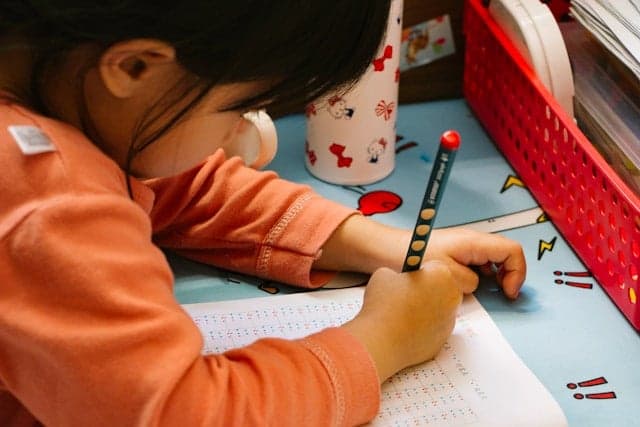
But the earlier we give our kids the opportunity to practice independence, the more we give them time to build valuable skills like confidence, perseverance, and problem-solving. Here are some tips for helping your child become more independent.
Key Takeaways
- To help your child learn independence, provide opportunities for them to feel “big,” give them uninterrupted time, know what’s non-negotiable, follow routines, set up your house for success, embrace mistakes, let them help care for a pet, be open to safe and reasonable risks, encourage free play, and shout out specific skills.
- Growing your child’s independence helps them build confidence, one of the 6Cs at the heart of the Begin Approach to helping kids thrive.
- Fostering independence helps kids learn problem-solving and social skills, as well as perseverance and self-esteem.
Table of Contents
- What Does Independence Look Like?
- Why Is Fostering Independence in Kids Important?
- 10 Tips for Fostering Independence in Kids
What Does Independence Look Like?
First, what does independence mean? Simply put, it’s being able to do something on your own.
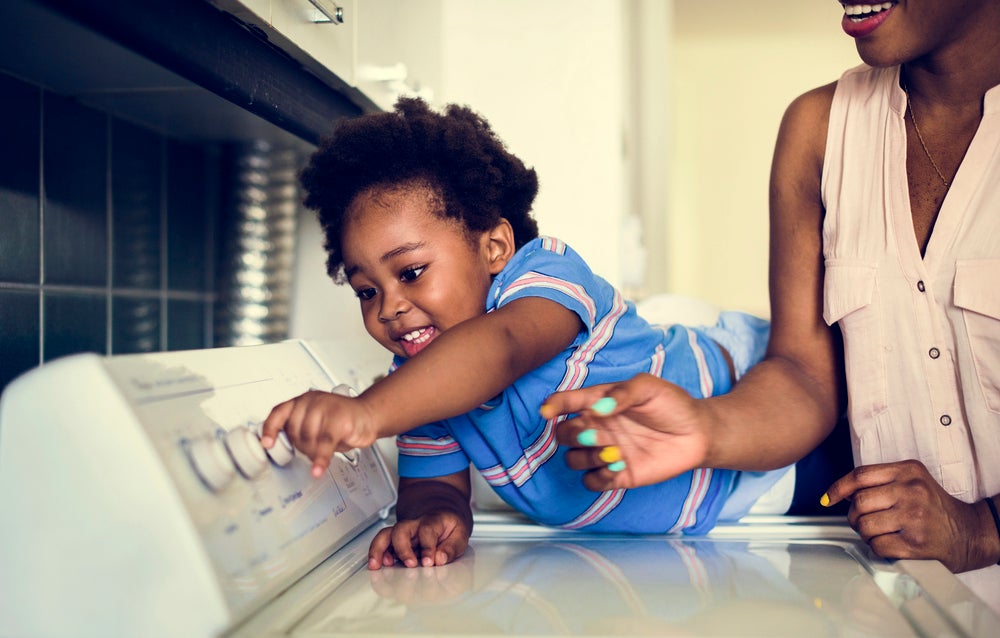
But what does it look like for kids? Well, that depends on their age, skill, and experience. For instance, let’s think about doing the laundry.
When your child is younger (maybe two), they might be able to put their clothes into the washing machine. When they’re three, they might be able to sort the clothes into piles, and when they’re four, they might be able to put their shirts and shorts away by themselves.
Why Is Fostering Independence in Kids Important?
Teaching our kids how to be independent helps them understand they are capable of doing hard things. It helps them build:
- An understanding of who they are
- Self-esteem
- Frustration tolerance
- Problem-solving abilities
- Perseverance
- Social skills
When we foster independence in our children, we’re telling them we trust them. This trust is a big deal! It lets our kids know that we believe in them. It frees them to explore who they want to be physically, emotionally, and intellectually.
10 Tips for Fostering Independence in Kids
As our kids’ caregivers, we can’t just cut the strings and let them go. Our hearts can’t handle that! So, how do you balance nurturing your child and, at the same time, giving them opportunities to practice independence? Here are a few tips that can help.
1) Provide Opportunities to Complete Small Tasks
Let your child complete small tasks, and be thoughtful about the specific job you give them so you know they are truly capable of doing it independently. They might not be able to do it perfectly or completely, but that’s part of the process.
For example, if they’re making lunch with you, you might let them make their own simple sandwich.
2) Give Them Uninterrupted Time
It’s important to let your child do things independently without interrupting them. Try to be sensitive to how long it might take your child to complete a task. For example, let them figure out that a certain puzzle piece doesn’t fit (and place it where it does) in their own time.
If you build in that extra time from the get-go, you won’t feel the need to hurry them along.
3) Know What’s Non-Negotiable
Choices are an essential building block toward independence, but it’s also good to remember that not everything is a choice. See if you can pair those non-negotiables (they can’t choose to go out on a cold day without a coat) with choices that are fine to offer (they can choose which hat, mittens, and scarf to wear with it).
4) Follow Routines
Making sure your child has solid daily routines in place will make fostering independence easier. When kids know what to expect and what’s expected of them, it helps them have the confidence they need to complete their tasks independently.
5) Set Up Your House for Success
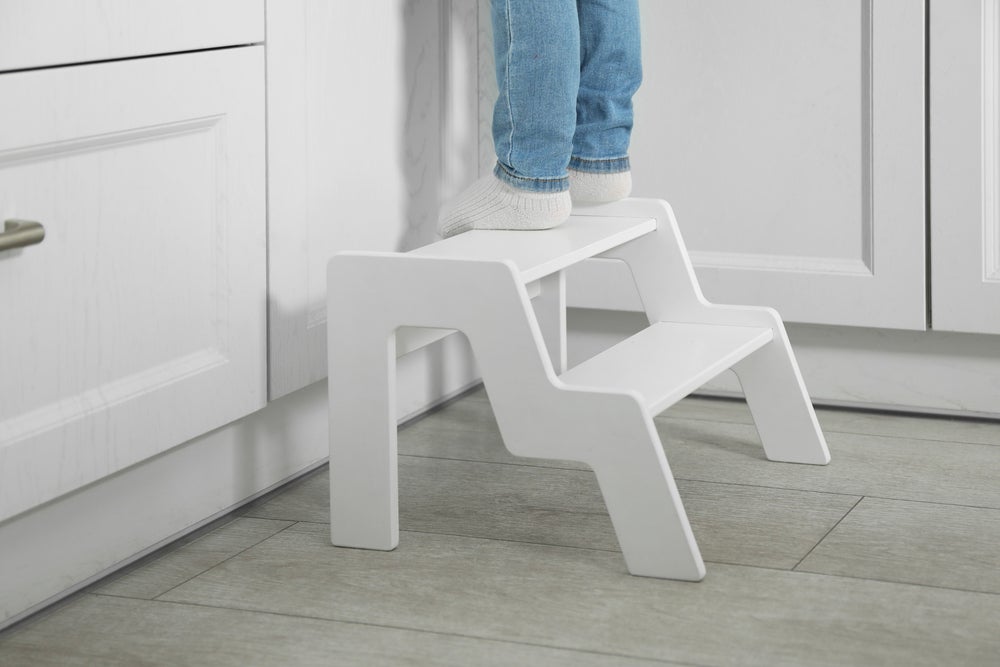
If you want your child to make their own breakfast or put their dirty plate in the sink, make sure they have a chair or stepstool at the counter. If you want them to put away their toys, see if you can arrange their room so the toy basket is on the floor where they can reach it.
Strategically planning will set your child up for success. It will be clear to them that they are, at the very least, physically capable of doing a task independently.
6) Embrace Mistakes (and Don’t Try to Fix Them!)
Here’s the thing: We give our kids opportunities to do something independently and they might make mistakes or run into roadblocks. That’s OK! Try to give them the space and time to figure out how to move forward.
Letting your kid problem-solve on their own allows their self-esteem and tenacity to grow. Encourage them to figure out what they could do differently next time and to try again.
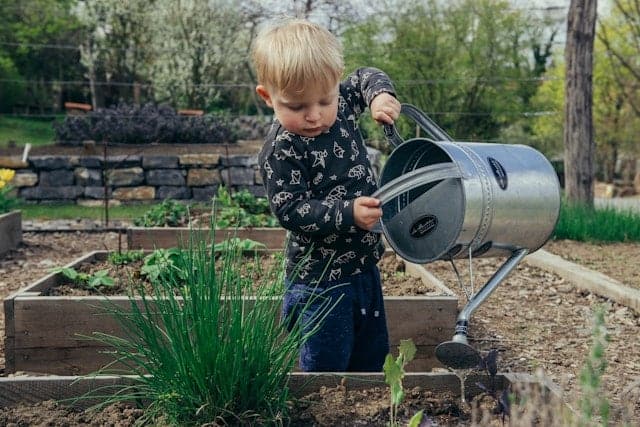
7) Let Them Help Care for a Pet
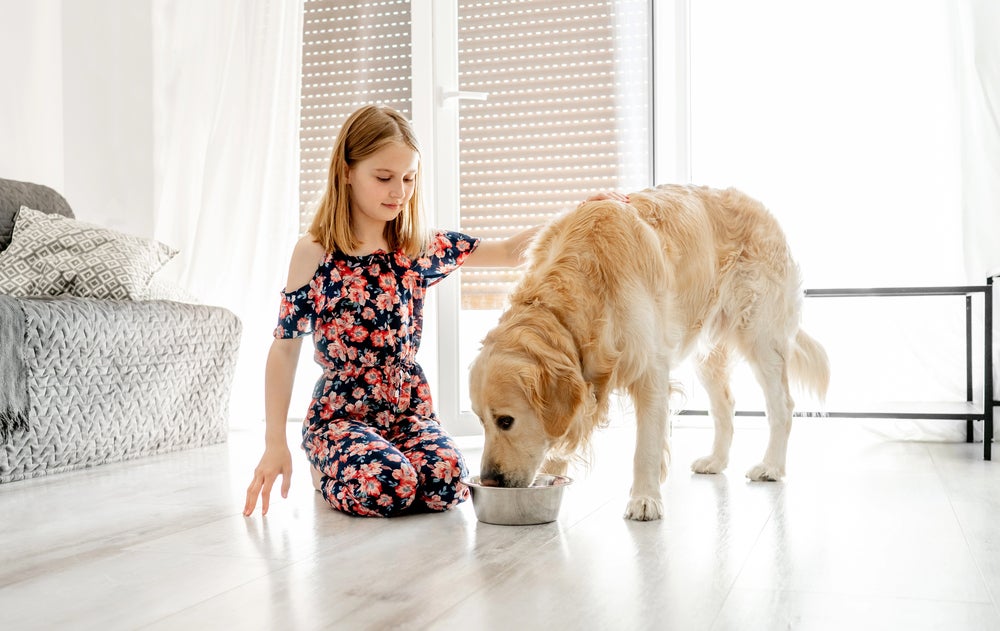
Taking care of a pet is a great way for kids to learn independence. Depending on their age, kids can feed fish, brush the dog, help clean the cat’s litter box, or pour kibble into a bowl.
And doing this has an added bonus: it helps your child feel good about taking care of another member of your family!
8) Be Open to (Safe and Reasonable) Risks
Despite all the good reasons to step aside so your child can grow their independence, protecting our kids from danger is important.
Always supervise your child, but give them the opportunity to try new things and take safe, age-appropriate, and reasonable risks so they can test their abilities.
9) Encourage Free Play
While daily routines give your child a sense of safety that inspires independence, free play provides a blank canvas for your child to explore and express themselves.
One specific way to inspire free play is by providing open-ended materials. Empty cardboard boxes, fabric scraps, glue, and tape are ready for your child to transform into whatever their imagination desires!
10) Shout Out Specific Skills
Praise your child by giving them specific positive feedback on their independent accomplishments. Focus on what you’re drawn to (their effort, their resilience, their courage, or their improvement) and your authentic encouragement will shine through.
Celebrate Independence with Begin!

Fostering your child’s independence will look different at different times in their development. Sometimes you’ll be conscious of your child taking steps away from you (and toward themselves), but sometimes those steps will be a surprise.
Begin can help you foster independence in your child by providing activities and programs they can do all by themselves—whether it’s designing a game with codeSpark, learning to read with HOMER, or expressing emotions with the help of trusted friends in Learn with Sesame Street!
Frequently Asked Questions
How does giving my child chores build independence?
When you give your child an age-appropriate chore, you give them a chance to be successful in completing a physical task. This sense of accomplishment builds confidence, self-esteem, and a sense of being an important part of the family.
At what age do kids develop independence?
Every child is different and will develop independence on their own timeline. Additionally, young kids might be able to do certain tasks independently, like getting dressed, but still need help with others, like making a sandwich.
By the time they’re in kindergarten, some kids are able to bathe themselves, tie their shoes, pack their own book bags, dress themselves, and pick up their toys.
When do kids start playing independently?
There’s no one right answer to this question, but some experts agree that independent play can begin as early as six months old, when babies can sit up on their own and hold toys.
It’s important to note, however, that at this age, babies may begin to get fussy after about five minutes of playing alone. That time limit increases as kids age, and by the time they’re two years old, many kids can happily play on their own for about half an hour.