Mindfulness isn’t a new concept. But this age-old practice from Buddhist tradition has slowly made its way across the globe over the past few years. While this concept is usually introduced to adults, teaching mindfulness for kids has a lot of benefits, too.
If you’ve been wanting to get your child started with mindfulness but just don’t know where or how to begin, we wrote this article just for you. Below, we discuss the benefits of mindfulness, how to approach it, and some simple and effective practices you can start at home.
Key Takeaways
- Mindfulness, at its core, is about being present and fully aware of your thoughts and feelings.
- A mindfulness practice gives your child tools they can use when they feel stressed or overstimulated.
- Keep things simple as you begin to teach your child about being mindful. Practice in short blocks of time. Add it to your child’s daily routine and make it fun.
- A few easy ways to introduce your child to mindfulness is by teaching them breathing exercises, meditation, mantras, and yoga, as well as creating a cozy corner for them to retreat to and relax.
Table of Contents
- What Is Mindfulness
- Why Teach Mindfulness for Kids
- How to Approach Mindfulness for Kids
- 10 Simple Ways to Introduce Mindfulness
What Is Mindfulness?
As the practice of meditation for mindfulness has become more widespread, there have been a few misconceptions about what it actually is. Most people describe it as a way of clearing your mind or reaching an emotionally “calm place,” but that’s not entirely the case.
Mindfulness is about being fully present. It’s about being aware of your feelings, thoughts, what you’re hearing, and anything else you notice in the present moment. You can also think of it as having a kind and honest look at what you’re currently experiencing.
We’re well into the digital age, and it’s often challenging to focus on what is going on around us. Mindfulness helps us clear out distractions and brings our focus back to where it’s needed: the present.
Why Teach Mindfulness for Kids?
Life can be challenging. And it all starts from the moment we’re born and begin to understand the world. As toddlers, we work hard to learn to speak while also developing gross motor skills that help us move around.
When we enter the school system, we are then faced with the challenges of learning how to get along with others in a group, learning something new every day, developing self-control, trying to gain independence, and so much more.
All of these everyday situations can be naturally stressful for any child to face. When we teach mindfulness for kids, we give our children tools that they can use to cope with all of this stimulation.
Studies have also shown that there are many incredible benefits of mindfulness for kids. In a nutshell, mindfulness helps:
- Reduce stress levels, anxiety, depression, and disruptive behavior
- Increase focus, classroom participation, self-control, and compassion
- Assist in improving academic performance
- Improve children’s overall well-being
How to Approach Mindfulness for Kids
Keep Things Simple
It’s essential to exercise patience and focus on simplicity with your young learner. Depending on their age, they may not even fully understand what you mean by “be present.”
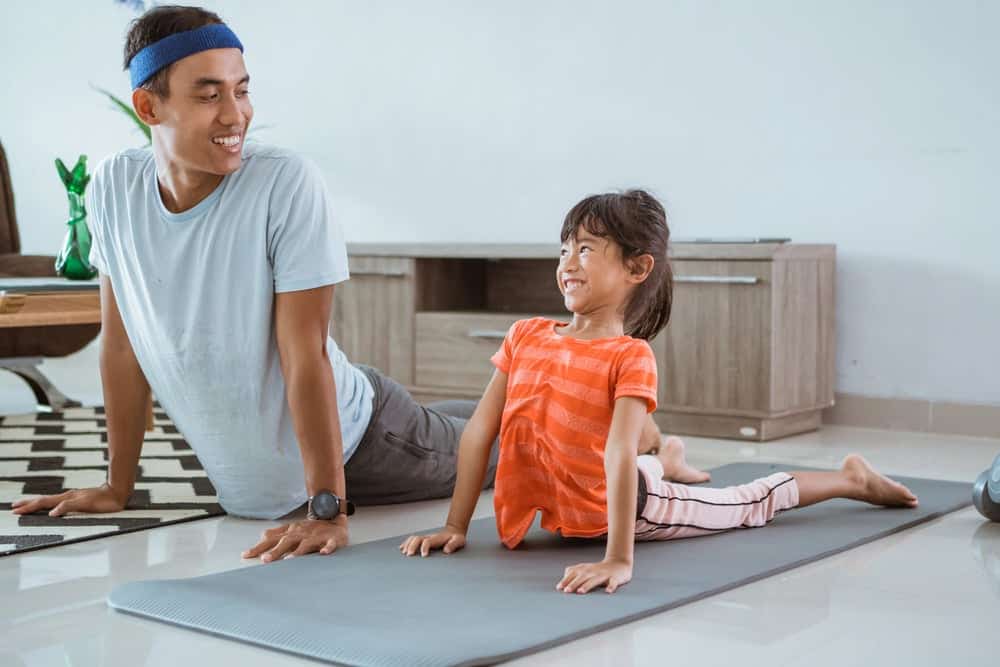
When you’re just beginning, it’s best to keep things simple by starting small. You can start with 30 seconds of meditation and then increase the time as your child gets comfortable sitting still and focusing.
Model Mindfulness
While reading about mindfulness can give you a good idea of what it is, it’s challenging to teach something you don’t practice yourself. So, if you haven’t started already, take this as an opportunity to learn something new.
The beauty of practicing mindfulness is that, while the sessions may just last for a few minutes, the benefits trickle into our daily lives.
Outside of the meditation sessions, show your child what it means to be “present.” Pay attention when they tell you about how school was today, take a walk together and soak in the sunshine, or put your phone down during dinner.
These mindfulness habits will be beneficial for both you and your family.
Add It to Your Routine
One way to simplify practicing mindfulness is by making it a part of your child’s daily routine. If they expect it every day, it’s easier to actually do it.
Try adding mindfulness as a part of your child’s morning routine specifically. Maybe you meditate together right after they wake up. Maybe you say a mantra. Or maybe you do a little yoga before they get dressed for the day.
Especially if your child has a busy day planned, this is a wonderful way to count on being present right from the start.
Don’t Miss Sensory Opportunities
Encouraging your child to pay attention to sensory details immediately places them in the present. If your mind is wandering and you hear a bird sing, for example, you’re back in the here and now, listening to that sound.
Incorporate sensory moments into your child’s day. Let’s say you’re out for a walk. Ask them to name something they hear, see, or smell. Make it fun by making a game out of it!
Pick up on moments when they refer to their senses. They might hear a plane and point up to it. This is a great opportunity to slow down and create a mindful moment. You could ask them, “Where do you think the plane is going?” or “Describe one person you imagine is on the plane.”
When your child taps into their senses, mindfulness becomes integrated into many moments in their day.
Make It Fun
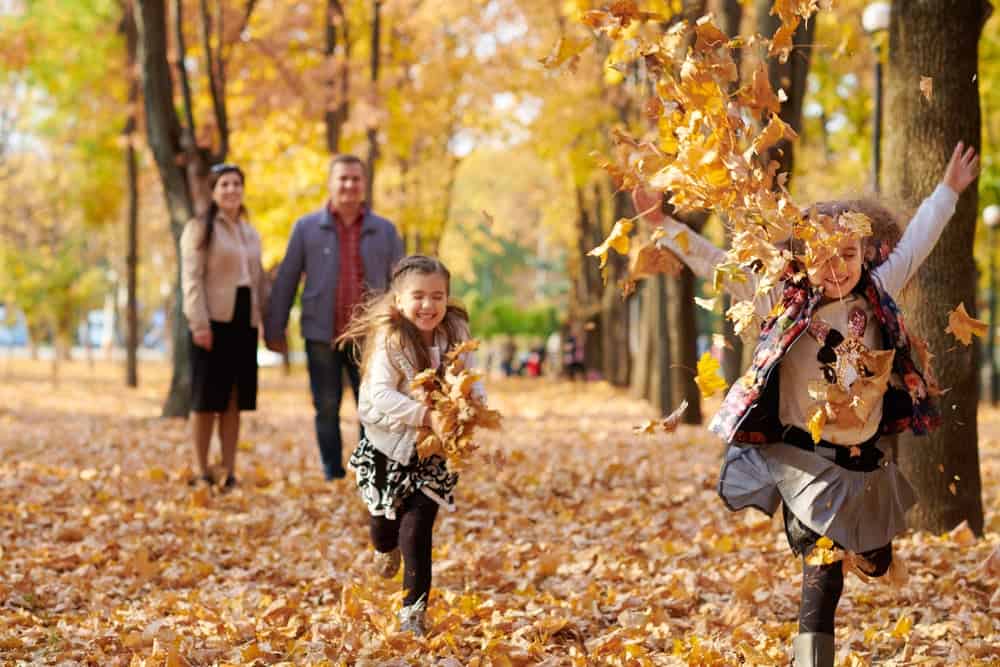
You want your child to look forward to their mindfulness sessions, so try to keep them short and fun. Create a game-like atmosphere.
For instance, a walk like the one we mentioned above can become a nature scavenger hunt. You can ask your child to find specific items, sounds, textures, and scents. Or you could throw a dance party and ask them to name feelings that different kinds of music bring up in them.
Give your child choices, too. They could add items to the scavenger hunt list. Or they could choose some of the music for the dance party. They could even make up a game for you both to play together!
Reduce Distractions
Try to reduce distractions when you set aside time to focus on mindfulness with your child. Find a quiet space where people (or animals!) won’t be wandering through. You might try your child’s bedroom or, if the weather is nice, you could look for a space outside.
You also want to make sure you turn off electronic devices. Phones, iPads, TVs, and games will break your child’s concentration. The more you can reduce noise and movement, the easier it will be for your child to be present in the moment.
Manage Your Expectations
Do you expect mindfulness to help your active child become calm? Are you trying to get rid of their tantrums? Do you think your house will be quiet once you start practicing?
If any of these are your expectations, you might end up disappointed. While the practice of mindfulness can help your child manage their emotions, that isn’t (and shouldn’t be) the ultimate goal.
The purpose of introducing mindfulness to children is to give them the tools of self-awareness, to understand that their thoughts are just thoughts, and to be aware of where their attention goes, amongst other things.
Don’t Force It
If your child isn’t keen on the idea of sitting still for a moment, it’s best to give up the activity for that day instead of trying to force them to participate. You can always try tomorrow or another time when they’re likely to be more receptive.
10 Simple Ways to Introduce Mindfulness
1) Breathing Exercises
Breathing is one of the most popular meditation techniques, but explaining that “all you need to do is focus on your breathing” can be a difficult instruction for young children to follow.
Instead, you can encourage them to focus on their breathing by introducing them to breathing exercises. Here are a few you can try:
Belly Breathing
To get started, have your child place one hand on their belly and another on their chest. While breathing, have them notice the gentle rise and fall of their chest and abdomen.
You can count out loud while doing this exercise. Encourage your child to try breathing in for a count of four, hold for two counts, and then breathe out for a count of six.
Teddy Breathing
For this breathing exercise, have your child lie down with a teddy bear on their belly. This time, they’ll need to closely watch how the teddy moves up and down with each breath.
Mindful Breathing
The goal of this exercise is to encourage your child to notice their breath as it moves in and out their body.
To make it more engaging, you can also add words. For instance, before they breathe in, you can encourage them to say the phrase, I am an ocean, and after they breathe out, I am calm.
After five total counts of breathing, you can then ask your child how they’re feeling. Whether they feel relaxed, grumpy, or calm, it’s all okay. Every emotion is welcomed during mindfulness.
2) Meditation
At its core, meditation is a practice of mindfulness and self-awareness. By introducing this to your child regularly, you can help them learn how to observe their stressful thoughts without judgment and relax when they need to.
This self-awareness can be beneficial when they are studying, meeting new people, and in many other real-life scenarios.
At Begin, we’re huge advocates of introducing meditation to kids because we understand the incredible benefits it has. Here’s an article to help you and your child get started.
3) Body Scan
Our emotions live in different places inside our bodies. And when we locate and pay attention to them, we create a sense of calm for ourselves.
Help your child identify where their emotions live by guiding them in a body scan. While they are sitting or lying down (whichever is most comfortable), ask your child to close their eyes and focus on the parts of their body you name.
Go in order, from their head to their feet. Ask them to try to identify what they feel. You can also add a relaxation component to the scan by asking your child to tighten and then release each muscle group in their body as you name it.
4) Mantras
Teach your child a few mantras they can repeat to themselves. These are self-affirmations designed to calm your child when they’re having big feelings (or even when they’re not!). They redirect your child’s focus to a simple series of words and actions.
Here’s an example: Ask your child to get comfortable. They can stand, sit, or lie down. Then ask them to say:
- “I love me.”
- “I am kind,” as they put their hand over their heart.
- “I am brave,” as they put their hands on their hips.
- “I am growing,” as they make a muscle.
- “I love me,” as they hug themselves.
Encourage them to repeat these phrases at any point in the day when they feel like they need to settle themselves or need a boost.
5) Everyday Object Drawing
For this exercise, you’ll need to hand your child an ordinary object, like a flower or a leaf, then encourage them to take a moment and look at it closely. They’ll need to look at the interesting colors, lines, patterns, and anything else they notice.
Next, ask your young learner to draw the object. Let them know that they can take their time with the drawing and encourage them to include the item’s details.
This exercise encourages children to pay full attention to one thing for a little while.
6) Sensory Bag
To get started, fill a bag with small, interestingly shaped, and textured items. These can include rocks, cotton wool, paper clips, leaves, sand, and anything else you can find.
Your child will need to feel and describe what they are touching with their eyes closed. Similar to the previous activity, this exercise helps bring children to the present moment.
With their eyes closed, they’ll need to forget about what they may be hearing or smelling and focus on what they feel at that moment. As mentioned, focusing on the now is a key part of mindfulness.
7) Mind Jar
You’ll need a clear jar (i.e., mason jar), water, glitter glue (or glue), and dry glitter for this activity.
Start by filling the jar up almost all the way with water, and then add a spoonful of the glitter glue and dry glitter. After putting the lid back on, shake the jar well to make the glitter swirl.
Then, say the following words to your child (or take inspiration from them and create your own script):
Imagine that the glitter represents your thoughts when you’re worried or upset about something. They are swirling fast, and it’s hard to see clearly, right? That’s why it’s hard to think clearly when you’re upset.
Now, place the jar down and allow the contents to settle.
Watch what happens when the jar is still for a moment. The water and glitter slowly start to settle. We can now see clearly. The same thing happens when we’re upset. If we are calm for a moment, our thoughts stop rushing, and we’re able to start thinking clearly.
You can remind your child that breathing exercises can help them achieve this calm state while they are stressed or upset.
This is a great activity for teaching kids about strong emotions. It also helps with mindfulness as they will be focused on the swirling of the glitter.
8) Animal Break
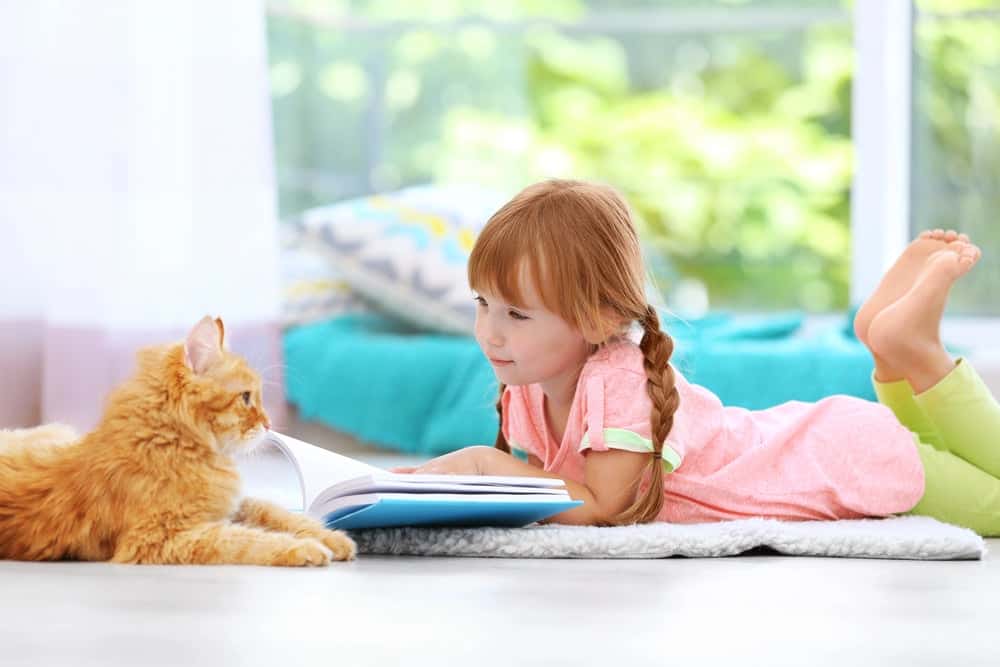
Safe interactions with animals can be incredibly calming for kids. Animals are experts at being present; they’re non-judgmental, and they offer unconditional love as well. The perfect combination for teaching your child about gentle mindfulness!
If you have a dog or cat (or any other animal), your child can talk to them, pet them, or even try reading to them. Empathy and compassion often follow these kinds of intimate interactions. Your child may feel it for the animal, extend it to other people, and finally to themselves.
A stuffed animal can substitute for the real thing if you don’t have a pet or don’t have access to one.
9) Cozy Corner
Create a cozy corner for your child to retreat to when they need to take a break or just want to relax. Find a spot that’s a little bit out of the way. It can be in your child’s bedroom, or in a corner of your living room, or anywhere that feels safe and calm.
Add pillows, blankets, and stuffed animals; basically anything that feels soft and warm! Bring a soft light to the space. You could place some materials for mindfulness activities in the space, such as crayons, coloring books, a journal, and books.
Consider including some mindfulness tools. Fidget toys or stress balls might be useful. Try making a sensory bottle with your child to add to the space.
Get a lot of input from your child and build the space together. This way, they can take real ownership of it, and you might find that they use it more!
10) Yoga
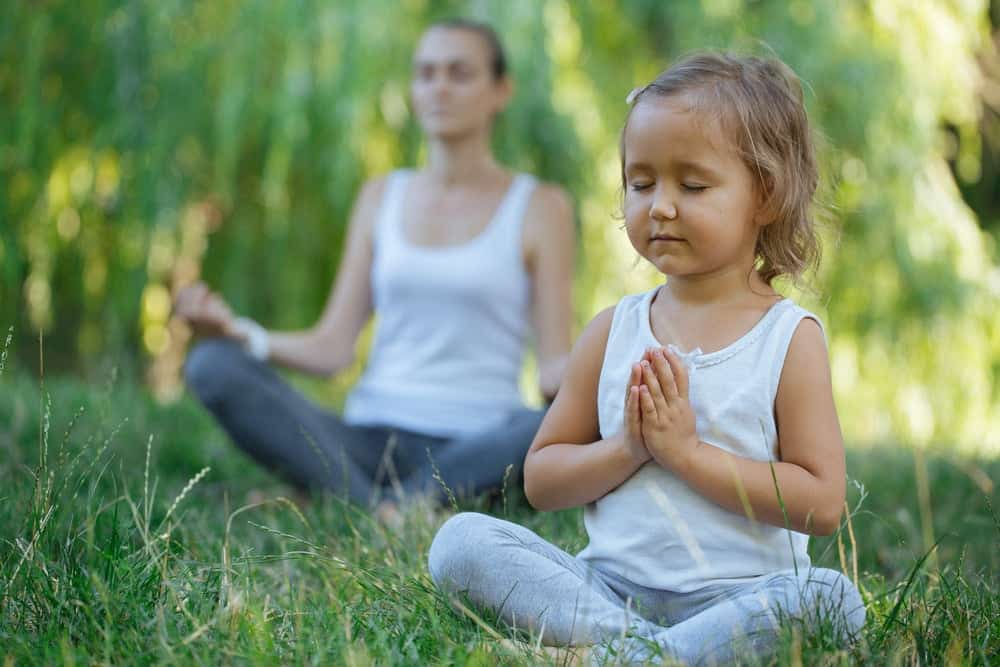
Yoga is a great way to practice being mindful because it combines a few important elements: physical movement, intentional breathing, and focused attention. When these three things work together, your mind and body can settle and clear.
When your child does yoga, they are developing these “muscles” (movement, breathwork, and focus). In addition, they begin to develop a sense of balance. For instance, standing on one leg in tree pose requires concentrated attention to stay balanced.
Another important concept in yoga is that there is no right or wrong. Your child can practice celebrating their own unique versions of various yoga poses. This kind of acceptance is a vital part of a mindfulness practice.
Many yoga poses for kids are fun and creative, too. (Like these!) So doing yoga can also spark your child’s curiosity and imagination.
It’s Time to Be Present!
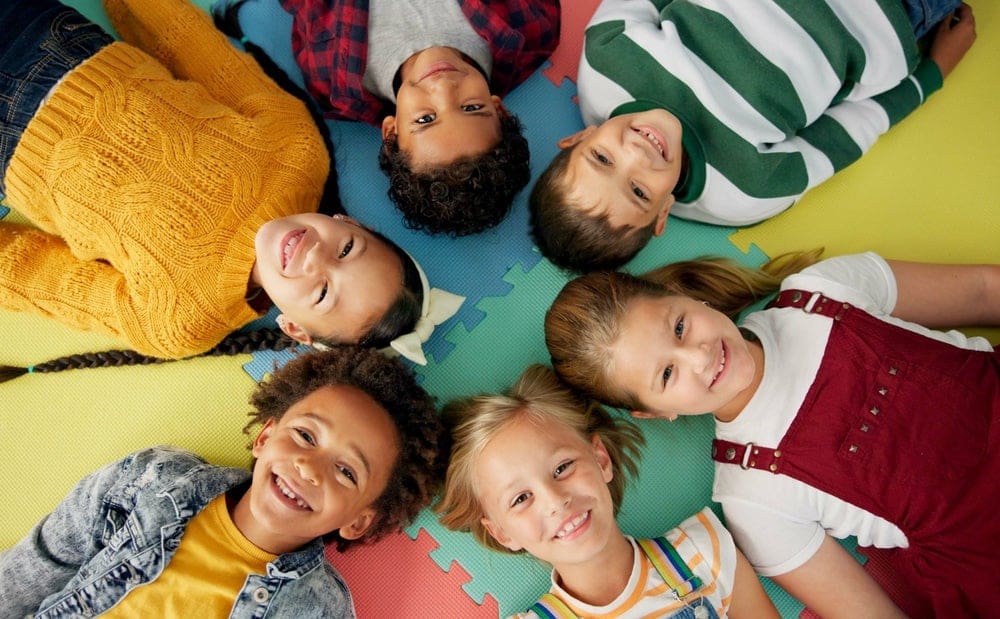
Mindfulness can help children (and adults) learn to fully embrace their current thoughts and emotions and let go of the past and future distractions.
The Learn with Sesame Street app is an effective tool that helps kids learn and develop their social and emotional skills. With the help of their Sesame Street friends, kids learn how to express their emotions, empathize with others, and create healthy relationships.
Explore Begin’s Learn with Sesame Street app today!
Frequently Asked Questions
How often should I practice mindfulness with my child?
If your child is just learning how to practice mindfulness, you’ll want to keep your sessions short and sweet. A good starting place is to make each session about five minutes in length. As your child gets older and mindfulness becomes more familiar, you can increase session time lengths.
But every child is different. Let your child dictate the right amount of mindfulness practice for themselves.
Will mindfulness help my child calm down?
The goal of a mindfulness practice is not to teach your child to calm down. Instead, the immediate goal is to help your child begin to notice their feelings.
When your child engages in a mindfulness activity, you may see them slow down. They’ll pay more attention to how their body feels, and how it’s connected to their emotions. Their senses may become sharper, as well.
The long-term goal of your child’s mindfulness practice is to improve their well-being, which may include becoming calmer over time.
How old does my child have to be before they can practice mindfulness?
Each child is different, but as a general guideline, you can probably begin practicing mindfulness with your child when they’re two years old. You can begin by doing simple activities such as naming feelings, sitting still for a few minutes at a time, and playing sensory games.
As your child gets older, their focus will expand, and you can increase their mindfulness practice time frame, as well as add more elements to it.