Halloween Scavenger Hunt (Ages 2-8)
Free Halloween scavenger hunt for kids! Find ghosts, cats, and pumpkins while building observation skills.

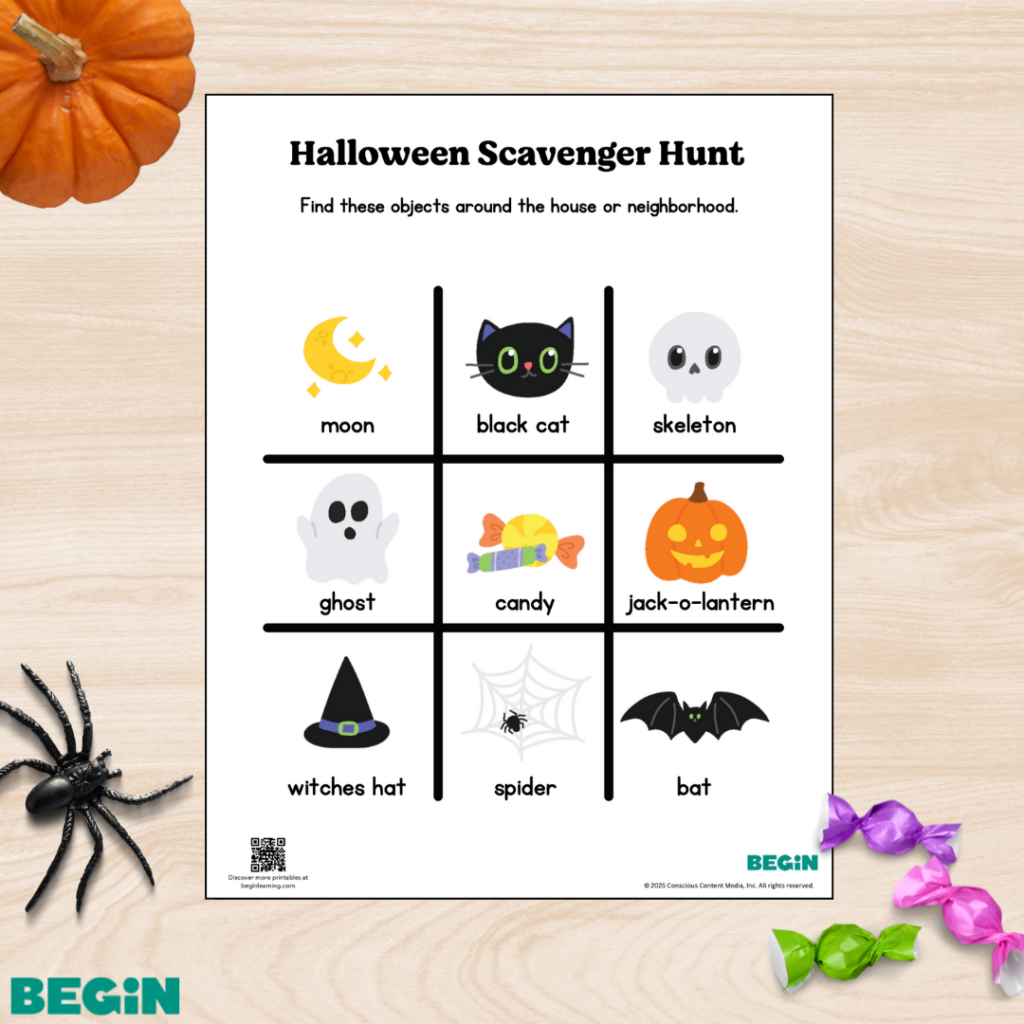
Free Halloween scavenger hunt for kids! Find ghosts, cats, and pumpkins while building observation skills.
Boost your child's vocabulary by helping them learn words that start with the letter A. This guide is packed with fun facts and engaging activities for kids.
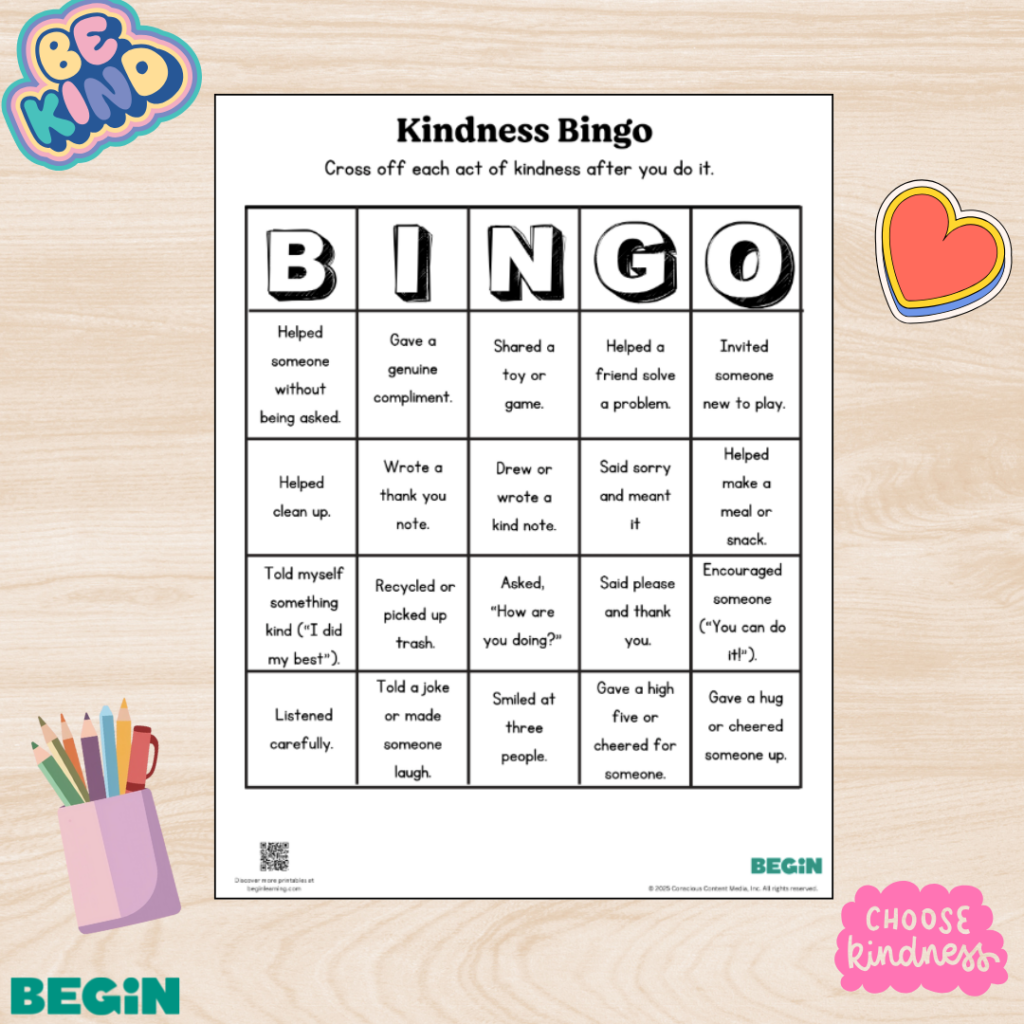
Kindness activities for kids ages 5–8! Play Kindness Bingo to build empathy, confidence, and social-emotional skills through fun daily acts.
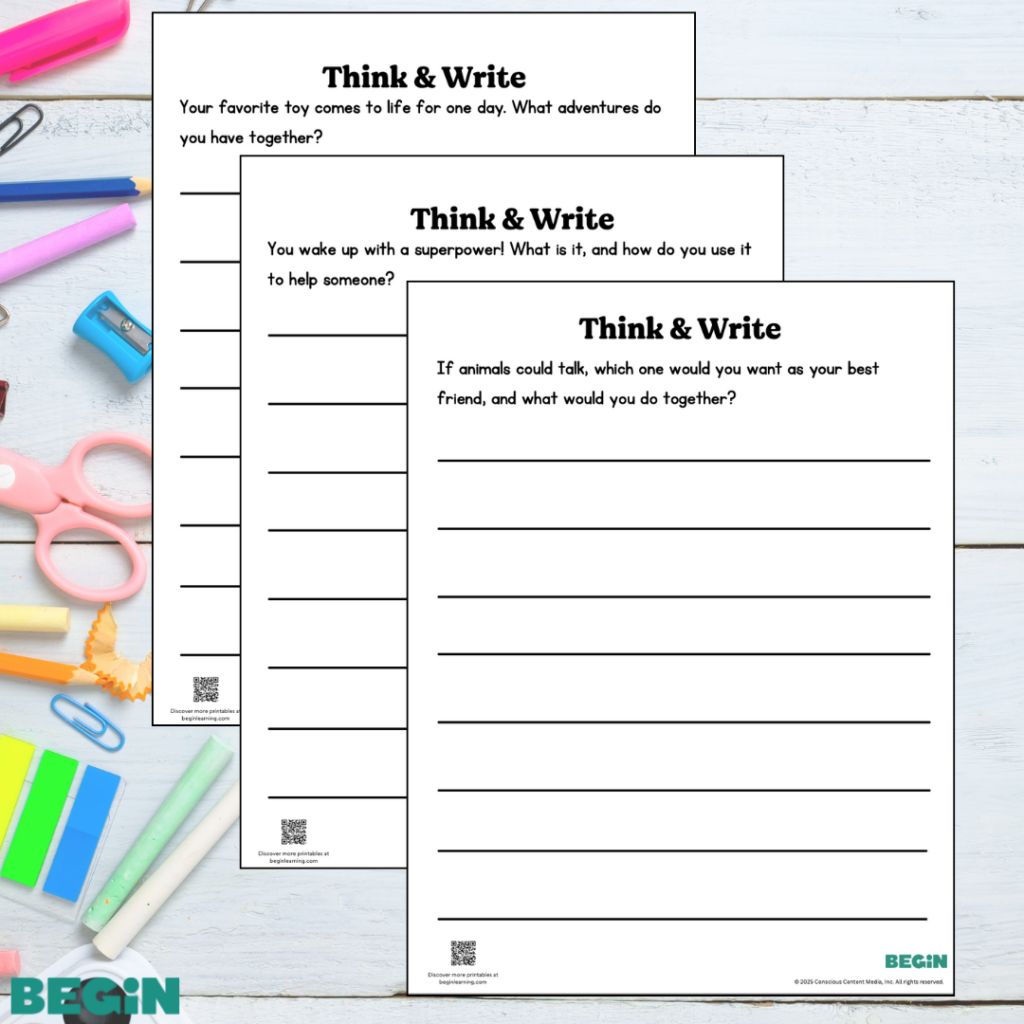
Unleash your child’s imagination with these Think & Write Prompts! Each page presents a playful “what if?” scenario that inspires kids to dream, invent, and explore their creativity through writing and storytelling. 📥 Click Here to Download Materials Needed: 🖨️...
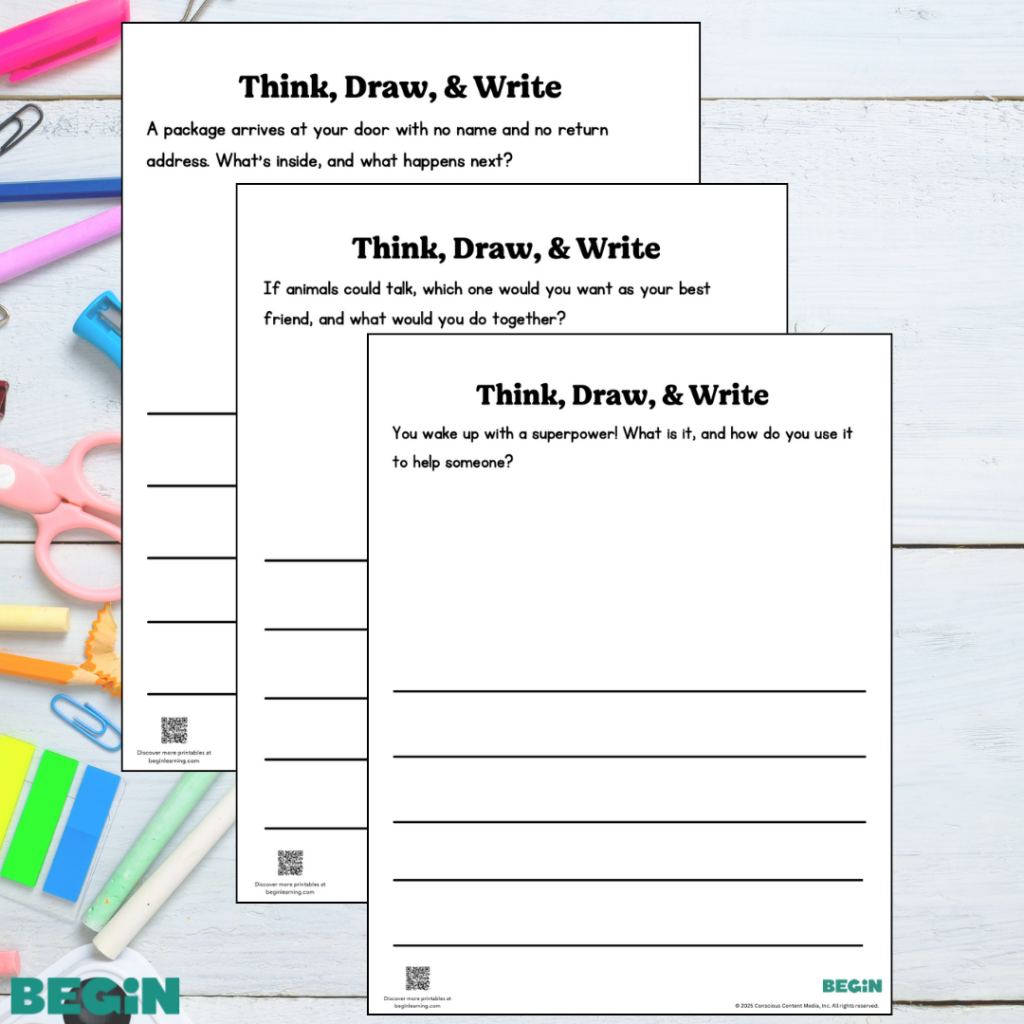
Creative writing prompts for kids ages 5–6 that inspire imagination and storytelling! Draw, write, and build early literacy through fun “what if?” ideas.

Dialogic reading is an interactive read-aloud technique for building language and literacy skills. Here are the prompts you can use with your child.

Reading comprehension is being able to understand and make meaning from a text. Here are some ways to support your child as they learn this important skill.
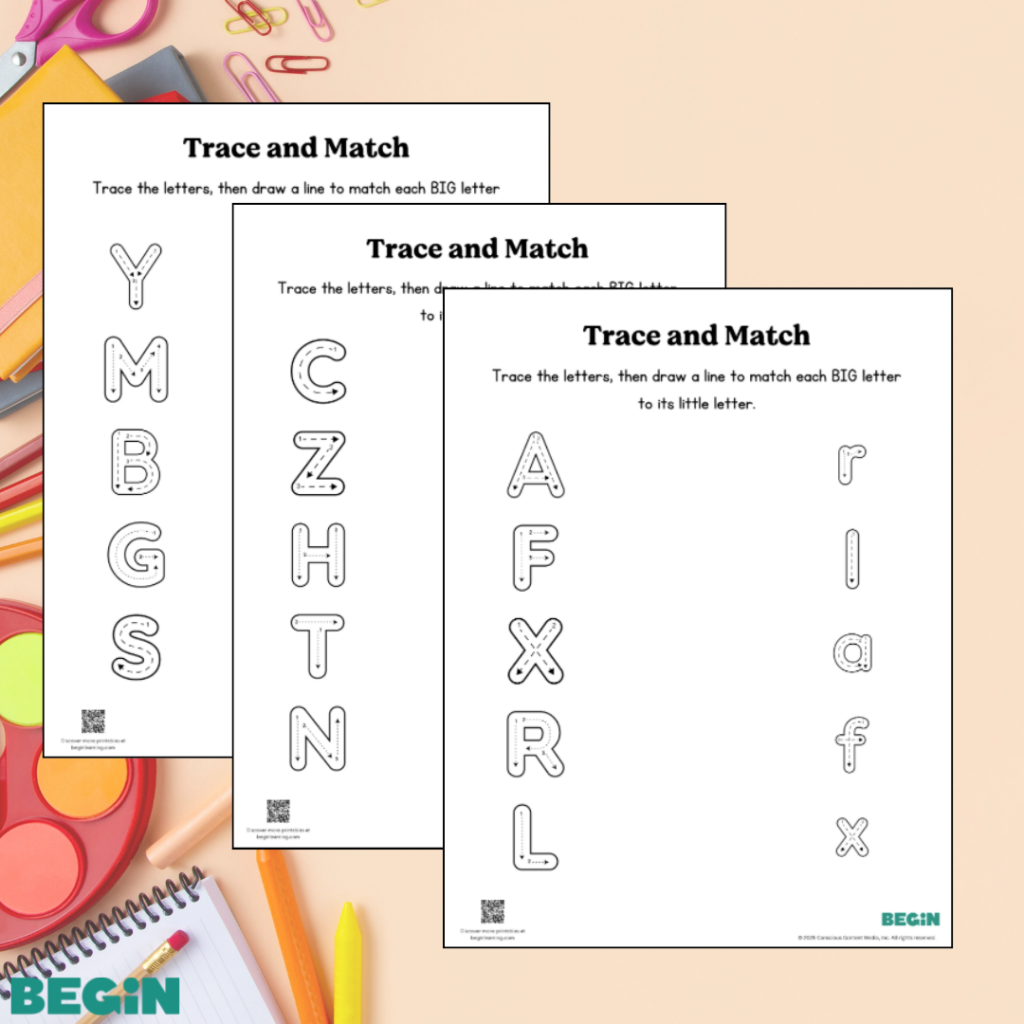
Uppercase and lowercase letter matching for kids ages 4–6! Trace, connect, and say sounds to build early reading and handwriting skills.
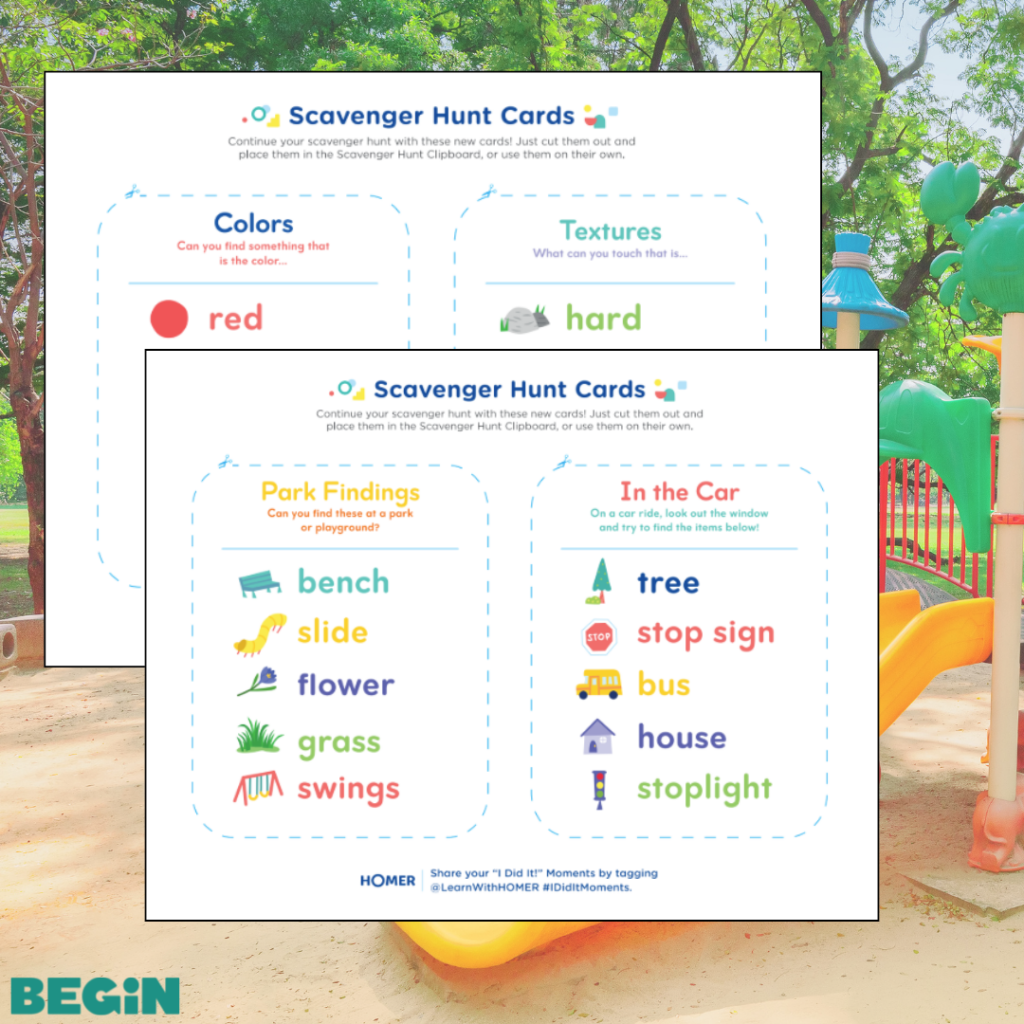
Scavenger hunt cards for kids ages 2–5! Build vocabulary, curiosity, and observation skills with fun prompts for on-the-go learning.
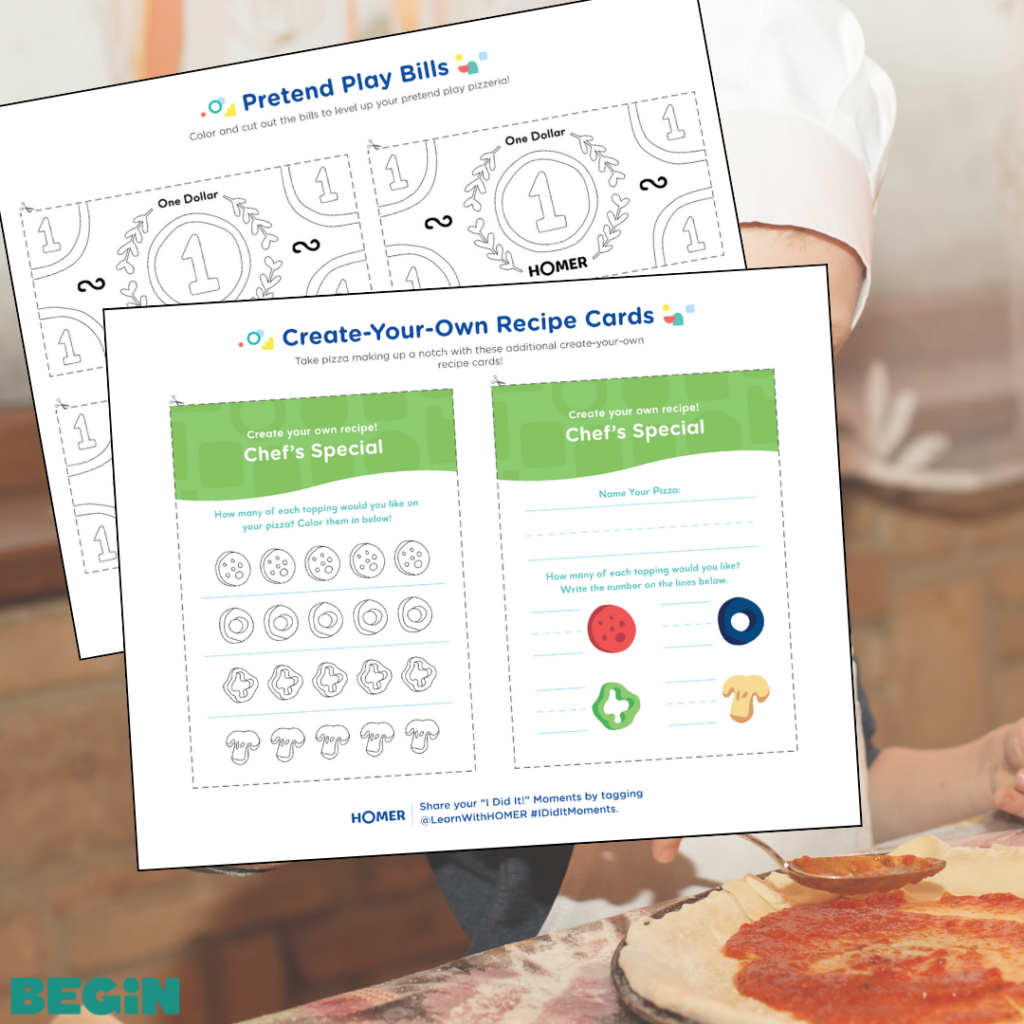
Kids use math and literacy skills while they practice collaboration and communication with this pizzeria pretend play pack
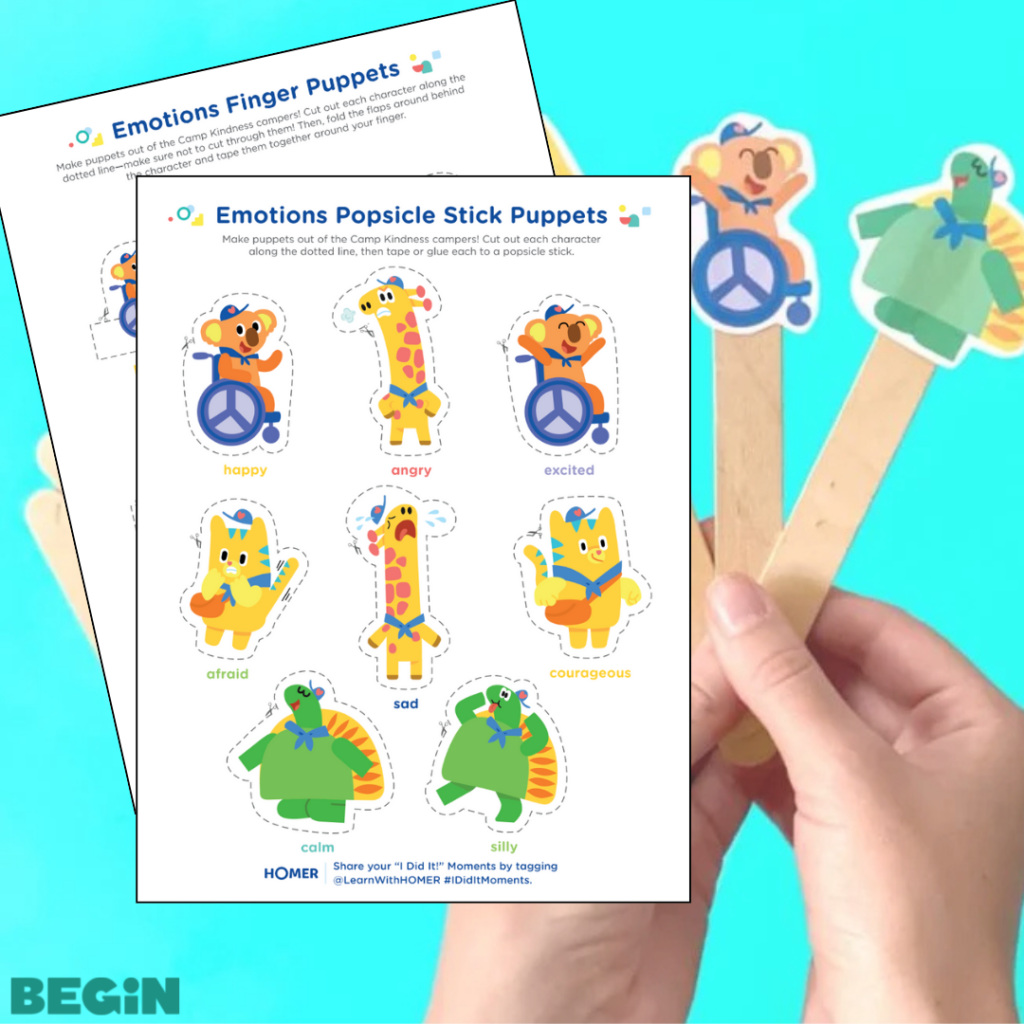
Kids practice naming feelings, having empathy, and emotional vocabulary through pretend play with these emotion finger puppets
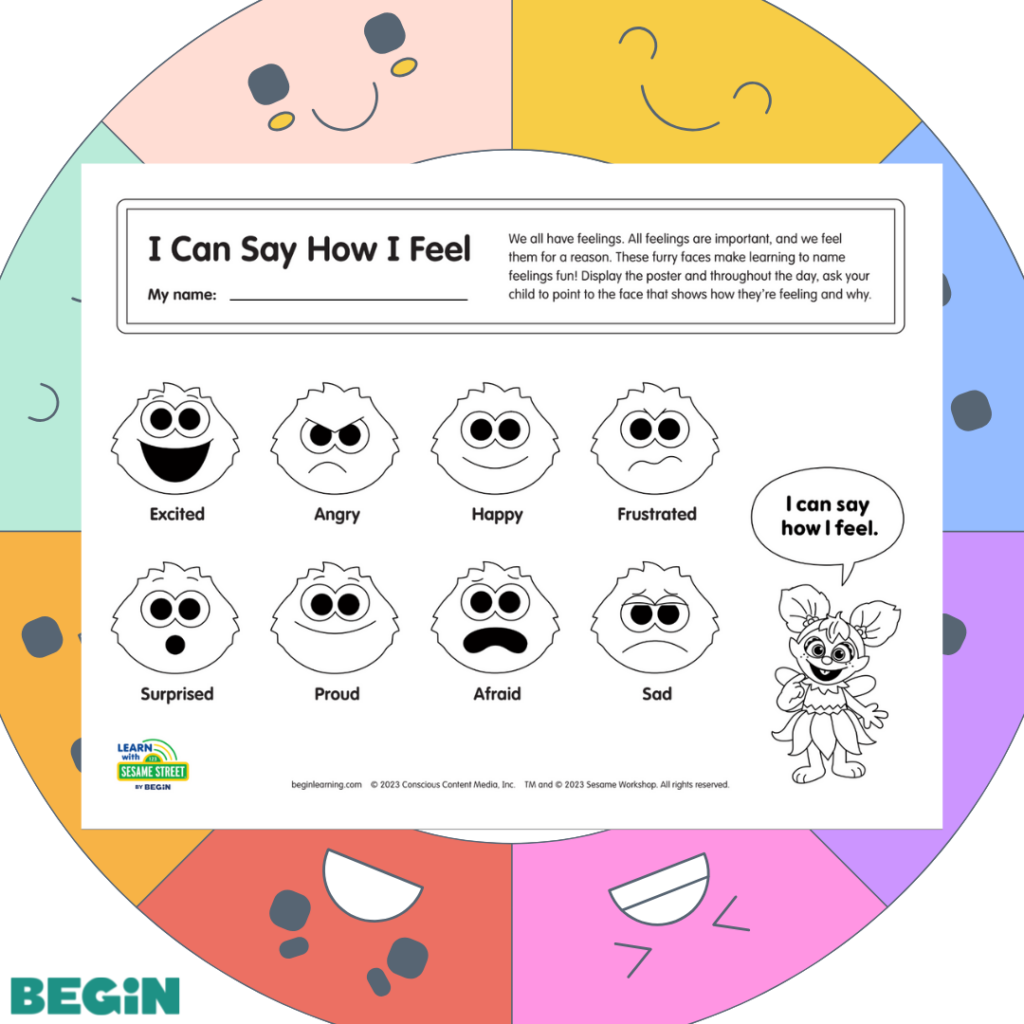
Kids build emotional awareness, empathy, and communication skills while naming their feelings with this emotions chart for kids.