Kindergarten is the year kids build their foundation in reading, math, and social-emotional skills, including recognizing letters and sounds, learning to count, and following routines. So if you’re wondering what kids learn in kindergarten, the answer is: a little bit of everything!
In this article, we discuss what to expect from your kindergartner’s curriculum and give you a list of ways you can help them succeed in the classroom.
Key Takeaways
- In kindergarten, children begin to recognize upper and lowercase letters and the sounds they make. They also start identifying simple sight words, decoding and writing short words, and understanding stories.
- Children gain foundational math skills in kindergarten, such as counting, writing numbers up to 100, basic addition and subtraction, identifying shapes, sorting, measuring, and recognizing patterns.
- As for other subjects, children develop early science and social studies skills in kindergarten.
- Social-emotional skills are developed in kindergarten, including sharing, taking turns, working in groups, and resolving conflicts. Children also start to regulate their emotions, follow classroom routines, and build independence.
- In kindergarten, kids also hone their fine and gross motor skills in art and physical education, respectively.
- There are many ways to support your kindergartener, including reading books together, making a schedule, keeping writing supplies handy, and playing counting and reading games.
Table of Contents
- Reading Skills Kids Learn in Kindergarten
- Math Skills Kids Learn in Kindergarten
- Early Social Skill Development
- More Kindergarten Learning Goals
- Ways to Support Your Kindergartener
Reading Skills Kids Learn in Kindergarten
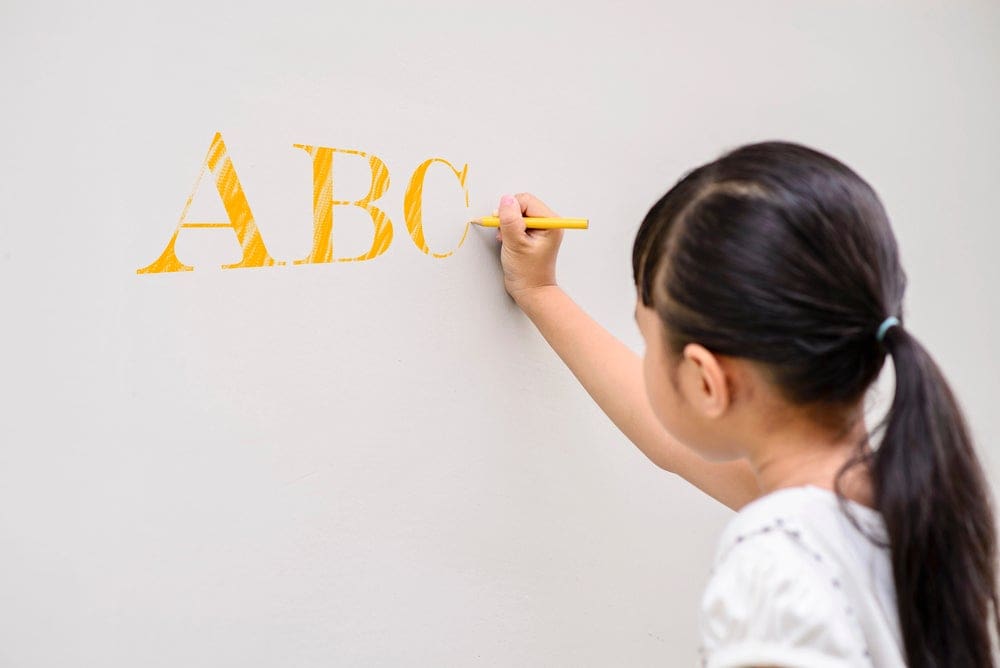
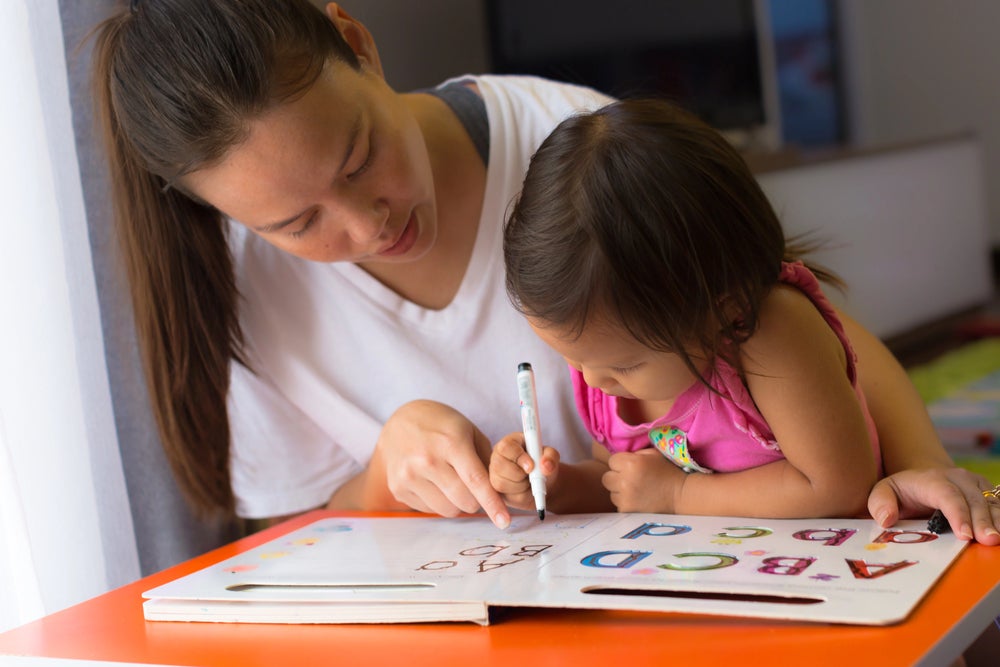
In kindergarten, your child will begin to hone their early reading skills, starting with recognizing each and every capital and lowercase letter, from A to Z.
On top of that, they’ll learn to make the letter-sound connection, also called phonics. This lays the groundwork for sounding out unfamiliar words. Additionally, they’ll start recognizing simple sight words, working up to over 30 high-frequency words such as and, the, and in.
What’s more, your kindergartener will practice spelling words like cat and hat, and will write short sentences with subjects, predicates, and punctuation. They’ll even try their hand at basic storytelling, including characters, settings, and plot.
Math Skills Kids Learn in Kindergarten
Early math skills are another thing your child will develop in kindergarten. They’ll learn to recognize numbers from one to 100, and count to 100 by ones and tens. With the help of manipulatives and other hands-on objects, they’ll gain basic addition and subtraction skills as well.
Shapes are also on a kindergartener’s learning agenda, as they start to recognize circles, squares, rectangles, and triangles. Other math skills they acquire this year include measuring, comparing, making patterns, and sorting by color, size, and shape.
This year, children are also introduced to abstract concepts like weather, seasons, and time.
Early Social Skill Development
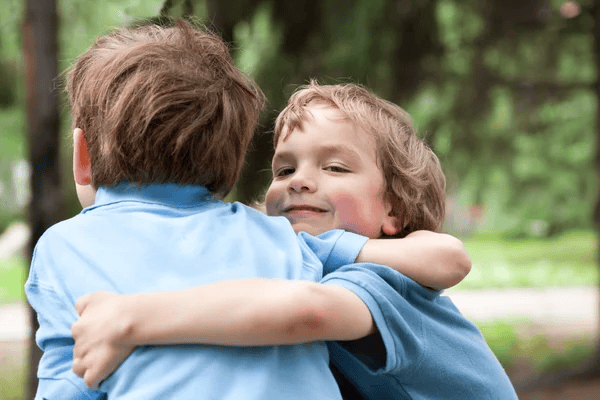
Kindergarten is not only about academics. This year, kids start to gain key social skills as well, including sharing, listening, working in groups, and taking turns.
In addition, children begin to understand peer dynamics in the classroom and start to regulate their emotions, resolve conflicts, and gain independence.
More Kindergarten Learning Goals
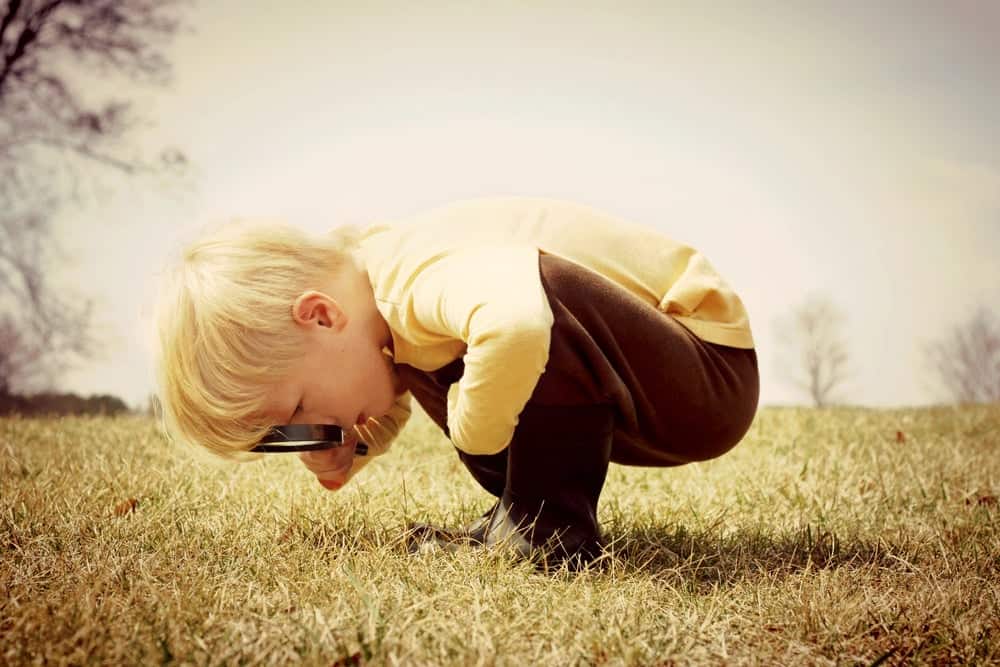
On top of reading, math, and social skills, kindergarteners also gain foundational science skills. This year, scientific learning focuses on familiar things like plants, animals, and the world around them.
In social studies, children delve into lessons on families and communities, whereas in art, they practice fine motor skills and creativity through activities like drawing, painting, or sculpting.
Physical education class is your child’s time to learn through active play. They hone their gross motor skills by running, jumping, throwing, and kicking.
Ways to Support Your Kindergartener
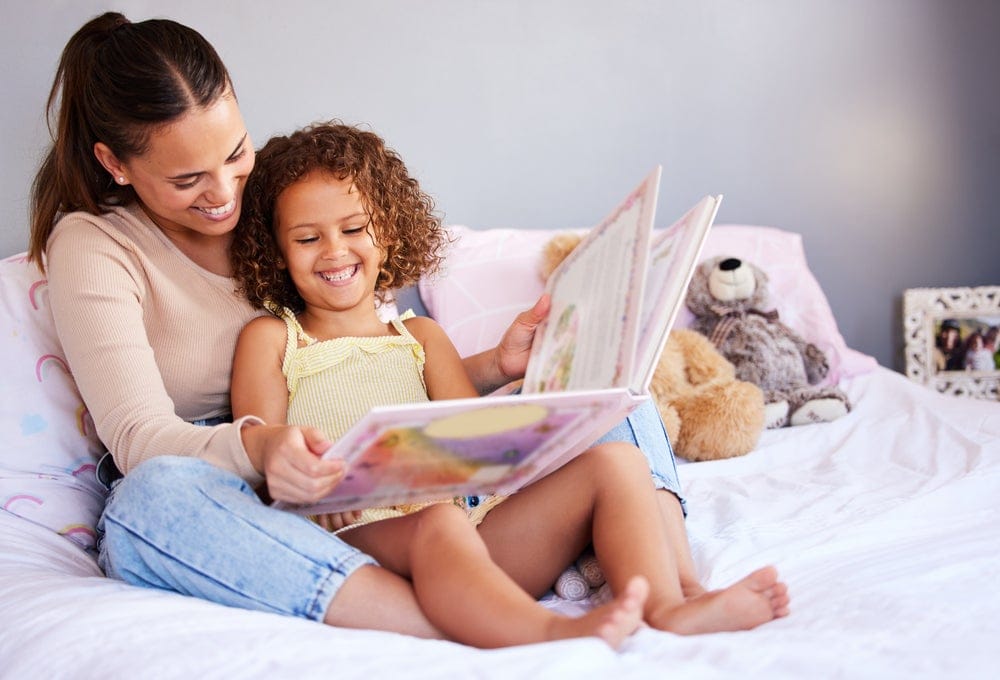
With a jam-packed year of learning like that, your kindergartener will need your support. Here are some things you can do at home to reinforce and build upon what they learn in the classroom.
Read Books Together
Reading is universally thought of as one of the most important things you can do with your children. By reading books together, your child can become more familiar with words, pronunciation, story structure, and rhyme schemes.
Speaking of rhyme schemes, books with a catchy cadence are particularly engaging for kindergarteners. You can also select books based on your child’s interests, be it dinosaurs, castles, or cars.
As you read, make it interactive. Stop and point out sight words your child might be familiar with, and challenge them to read the words. After you’re done with the book, discuss the main points of the story with your child, and ask them questions about the plot, characters, and setting.
Point Out Words as You See Them
Be sure to take advantage of learning moments as they present themselves throughout the day. Words on store and street signs, flyers, or even restaurant menus are great to practice with.
Impromptu practice like this will not only build their familiarity with reading but will also help your child understand why learning to read is so important (and fun!).
Keep Writing Supplies on Hand
You can also support your kindergartener’s growing skill set by keeping writing supplies like markers, crayons, and lined and unlined paper easily accessible at home.
Using these, you can encourage your child to practice writing their name and short sentences that are silly and fun, such as “The cat sat on the flat mat,” or “The dog jogs with the hog.”
After that, invite them to illustrate the sentence and show off their art skills.
Make a Daily Schedule
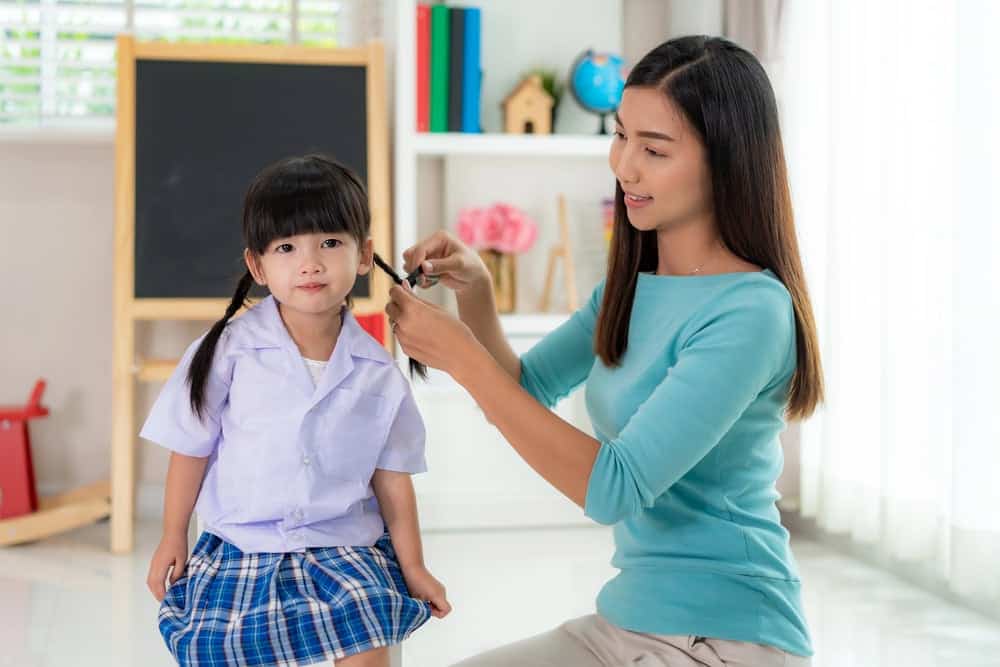
In kindergarten, kids start to practice daily routines, so making a schedule at home can help reinforce this skill. Set up your child’s schedule with the day of the week, month, and year to reinforce these concepts.
You might want to have your child chart the weather by drawing a sun, cloud, or raindrop at the top of their schedule. When they’re ready, they could even write out the word sunny, windy, or cloudy.
Once their schedule is set up, it’s time for the details. Their schedule can include tasks such as eating breakfast at 7:00, catching the bus at 8:00, going to soccer practice at 4:00, eating dinner at 6:00, and going to bed at 8:00.
Play Counting and Reading Games
When your child gets home from school, they want to relax, but that doesn’t mean that the learning has to stop! Find fun counting and reading games you can play together that feel more like fun than work.
These games can reinforce skills like number order, basic addition and subtraction, or word recognition, for instance.
Chores can also help reinforce their learning. Why not challenge your little one to organize their toys based on the type of toy or color? This can help with pattern recognition. Not to mention, keeping their toys neat is a good household habit.
Try Online Games and Activities
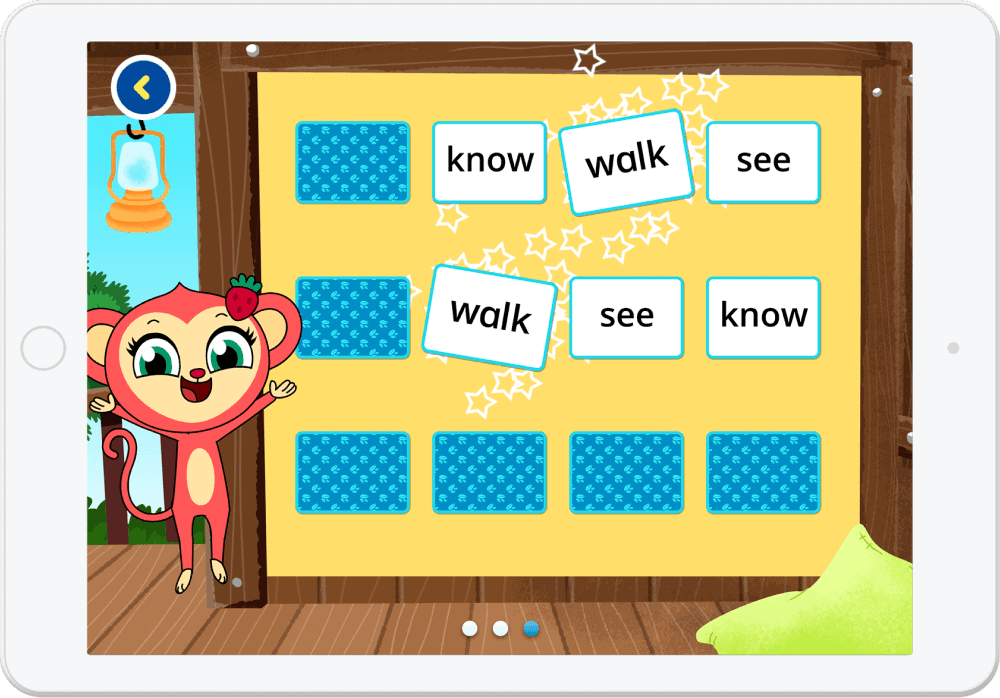
If your child is craving a bit of screen time, Begin makes it easy to say yes. Our HOMER app is loaded with engaging games and activities designed to build your child’s academic skills in a fun and interactive way!
Early Learning with Begin
Kindergarten is a foundational year for children. It’s during this year that they begin to learn basic math and reading concepts, gain social-emotional skills, and start delving into science, social studies, art, and physical education.
Begin’s hands-on learning kits are a fun way to support all of these new skills. If your child is more digitally inclined, try our HOMER app, which features a host of interactive activities and games.
With Begin, your child will look forward to a new learning adventure every day, building a lifelong love of learning!
Frequently Asked Questions
What should a five-year-old know for kindergarten?
For kindergarten, a five-year-old should have early math and reading skills, like counting to ten, being familiar with the alphabet, and recognizing colors and shapes. On top of that, they should be able to follow short directions as well as use the restroom and get dressed on their own.
As for motor skills, children should be comfortable holding a pencil and cutting with scissors by the time they start kindergarten.
Should my five-year-old read before kindergarten?
No. It’s not expected that your five-year-old is able to read before they reach kindergarten. Typically, children come into the year with limited or no reading or writing skills.
How could I tell if my five-year-old is anxious about school?
If your five-year-old is anxious about school, they may talk about it a lot, ask questions, and might even seem worried about it, expressing negative thoughts. Another sign of anxiety is if your child is getting extra frustrated, or having a hard time concentrating, eating, or sleeping.