As your child begins their reading journey, they’ll learn to recognize common words known as sight words. These words will become automatic with practice, helping them build their fluency.
In this article, we’ll list 1st grade sight words and give tips for helping your child master them. Let’s dive in!
Table of Contents
- What Are Sight Words?
- 1st-Grade Sight Words
- Tips for Practicing Sight Words at Home
- 1st-Grade Sight Word Activities
Key Takeaways
- Sight words are words that can’t be decoded. Readers need to recognize them automatically (by sight).
- High-frequency words are words found often in written text. Some can be decoded, and some can’t. They make up about 80% of children’s books.
- The terms “sight words” and high-frequency words” are often used interchangeably, but there’s a difference between the two.
- Teach your child both phonics and sight words. Phonics helps kids sound out new words, while sight words help them read quickly without stopping.
- Make sight words sensory by writing in sand, shaving cream, or using playdough to shape letters.
- Regularly bring back old words that your child has mastered to ensure that they maintain their hard-earned reading progress.
What Are Sight Words?
Sight words are words that can’t be decoded. Readers need to recognize them automatically (by sight). Some sight words are high-frequency words. These two terms are often used interchangeably, but there’s a difference between them.
High-frequency words are words found often in written text. Some can be decoded, and some can’t. They make up about 80% of the words in children’s books and half of all written content. Though there’s some overlap, not all high-frequency words are sight words and vice versa.
Educator Dr. Edward William Dolch spent years studying children’s literature. He encountered the same words repeatedly. Many of these words didn’t follow traditional phonetic rules, but he realized children needed to be able to read these words to be fluent readers.
He compiled a list of 220 words (a bit more than 40 per grade from Pre-K through 3rd grade), which he believed were crucial for children to learn early in their reading journey. The Dolch Word List has become a staple in many reading programs for kids.
The Importance of Teaching Phonics and Sight Words
You may have heard about a debate about phonics vs. sight words. Some educators believe phonics instruction is essential, while others argue that the focus should be on sight words.
The truth is that both approaches are needed for a well-rounded reading education. Phonics helps children learn to decode unfamiliar words and improves their understanding between letters and sounds.
Students with a solid understanding of phonics often have better spelling skills and have the ability to sound out words they don’t know.
However, since many sight words don’t follow phonetic rules, your child will need to learn to read them without sounding them out. They’ll be more fluent readers if they recognize these common words instantly.
Since both phonics and sight words play significant roles in reading, it is important to find a balanced approach that incorporates both methods.
1st Grade Sight Words

The following 41 words make up the 1st grade section of the Dolch Word List. They’re in alphabetical order for easy reference.
- after
- again
- an
- any
- as
- ask
- by
- could
- every
- fly
- from
- give
- going
- had
- has
- her
- him
- his
- how
- just
- know
- let
- live
- may
- of
- old
- once
- open
- over
- put
- round
- some
- stop
- take
- thank
- them
- then
- think
- walk
- were
- when
Tips for Practicing Sight Words at Home
Now that you know the 1st grade sight words, here are some tips for practicing them at home with your child.
Focus On a Few at a Time
When you look at the list of sight words as a whole, it can feel intimidating. However, breaking them down into smaller groups and focusing on a few at a time makes it more manageable.
Start with the first five words on the list and slowly work your way through the rest.
Keep It Fun
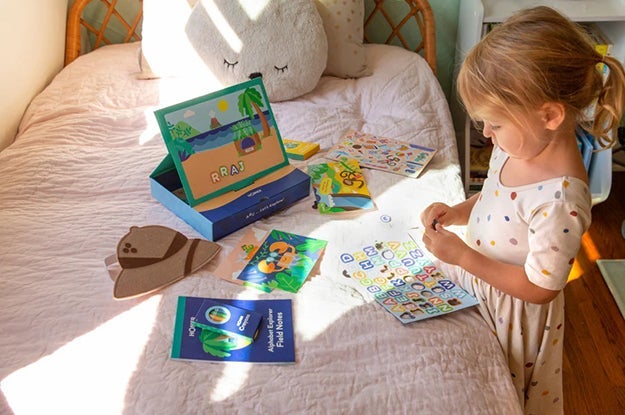
Incorporate games, songs, or activities into your practice sessions to make learning fun (check out the activities listed later in this article!). Kids learn through play, so including these elements can make the learning process more enjoyable for them.
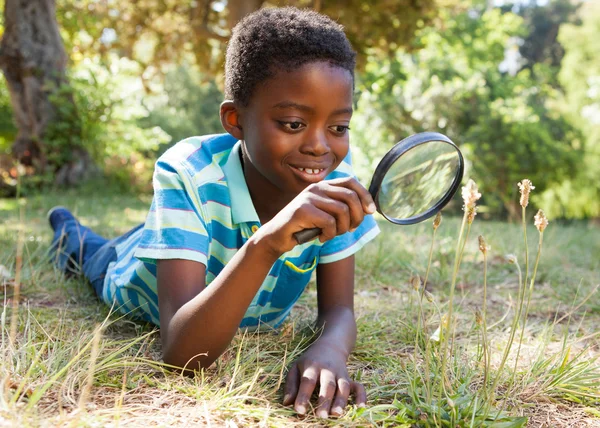
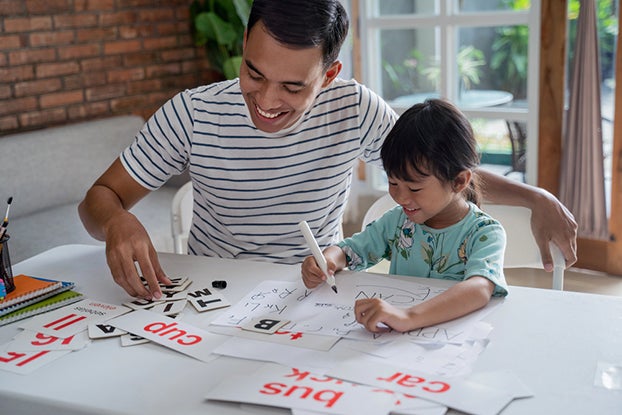
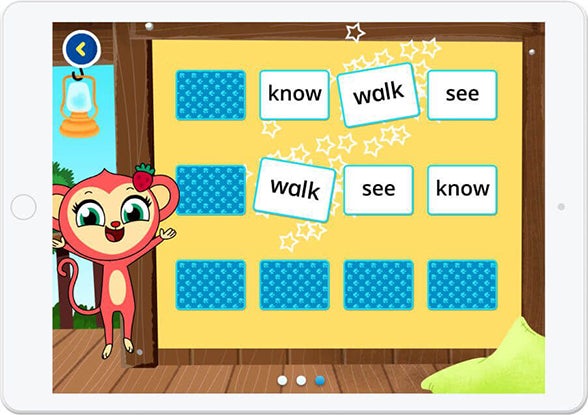
HOMER Early Learning kits by Begin come with letter flashcards your child can use to build sight words. There’s also a magnifying glass they can use on sight word scavenger hunts, as well as memory, matching, and connect-the-dot games to encourage practicing sight words.
Make Your Own Flash Cards
You can quickly create a custom set of sight word flash cards with a stack of index cards and a marker. Simply write one word on each card, or ask your child to write them. It’s a fun way to practice printing!
For even more flexibility, create two sets of cards. That way, you’ll be able to play matching games.
Once your flash cards are ready, you can use them for activities like:
- Speed drills (How quickly can your child read five words correctly?)
- Sight word Go Fish (Try to make matches while asking the other player for a sight word.)
- Sight word find (Hide a few cards and have your child search for them.)
- Bean bag toss (Spread out a few cards on the ground and have your child toss a bean bag onto them. They have to read the card the bag lands on before throwing it again.)
As your child masters certain words, remove them from the pack and rotate in cards with new words. them from the pack and rotate in cards with new words.
Integrate the Senses
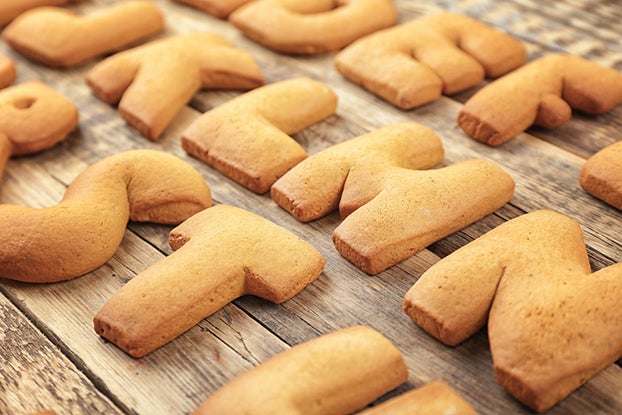
The more senses your child uses to explore sight words, the more connections their brain will make and the easier it’ll be for them to remember the words.
Try these simple activities to make sight word practice a multisensory activity for your child:
- Use playdough to form each letter and build the word
- Write the word in sand or sugar or another textured material
- Bend pipe cleaners into letters to build words
- Ask your child to form each letter of the word with their body
- Use alphabet cookie cutters to make cookies your child can arrange into words and then taste
Practice Every Day
Consistency is key when it comes to learning sight words. Incorporate sight word practice into your daily routine, whether it’s during breakfast, before bedtime, or after school. This will make it a habit for your child and ensure they’re consistently exposed to sight words throughout the day.
And if you can’t work in multiple sessions a day, it’s much better to do a short, 10-minute session every day than to try to cram in an hour of practice once a week. Frequent short lessons will help your child progress faster.
Review Previous Sight Words
Once your child masters a word on the 1st grade sight word list, you may be tempted to mark it off forever. But unfortunately, kids can quickly forget words they don’t read frequently.
Regularly add previously learned words to your practice sessions to keep them fresh in your child’s mind.
Use Technology

There’s no reason you have to lead every single practice session. The HOMER app by Begin is something your first grader can use independently to practice sight words and other essential literacy skills.
It’s proven to increase early reading scores by 74% in 6 weeks with just 15 minutes of play per day!
Build a Word-Rich Home
Turn your entire living space into a word-rich home by labeling common objects so your child can see those words every day.
An easy way to do this is to put sticky notes on doors, sinks, beds, and even the floor! That way, your child repeatedly associates new words with specific objects. For a more advanced alternative, try adding other words to the label (e.g., “Open the door” or “Look under the bed”).
Another fun activity that builds a word-rich home is posting a tricky sight word at your child’s eye level on the refrigerator (or other high-traffic area). Every time your child goes for a drink or walks by, ask them to high-five the word and say it out loud.
You can also incorporate sight words into your child’s art. When they draw a picture, ask them to tell you a story about it and then help them write a caption using at least one 1st grade sight word.
Understand Reading Fluency
Fluency is the ability to read any text accurately, quickly, and with expression. And that all comes with repetition and practice.
It’s very much like riding a bike. If your child has to stop every ten seconds to review how the pedals work, they’ll never get down the street! The same is true of reading. If your child has to think about how to sound out all the words all the time, they’ll never get through the sentence.
When your learner has mastered sight word fluency (even for just a handful of words), they can focus on the new and challenging words they encounter.
More importantly, they can focus on comprehension and understanding what the text is trying to tell them. If your child spends all their energy sounding out them and were, they’ll likely forget what the sentence was about by the time they reach the end.
In many ways, sight words are the “grease” that keeps their reading gears turning smoothly!
Bridge the Transition from Kindergarten to 1st Grade
The move from kindergarten to 1st grade is one of the biggest steps your child will take in their academic journey.
In Kindergarten, learning focuses on emergent reading (i.e., understanding that symbols carry meaning, recognizing letters, and developing language skills through storytelling and play).
First grade introduces reading with actual narratives and plots. Sight words like after, then, and when help your child understand the sequence of a story. And, when they know the words by sight, they can better follow the story and predict what will happen next.
That entire process is the foundation of good reading that will stay with your child throughout their life!
Manage Reading Fatigue
Reading fatigue occurs when your child’s brain gets tired from all the “heavy lifting” that decoding new words requires. Thankfully, there are lots of ways to keep things fun to prevent reading fatigue.
If you notice your child getting tired of reading, switch things up. Try the “You Read, I Read” method, where they read a sentence, then you read the next.
Another option is for you to read the whole page, but they have to clap, ring a bell, or make a funny noise when they hear a 1st grade sight word.
Sometimes, it’s enough just to change the scenery if your child starts to get fatigued. Go outside and kick a soccer ball. Have a snack. Play a game. Then come back and try reading again.
However you choose to deal with reading fatigue, be sure to celebrate the effort your child is putting in, not just the results.
Encourage a Love for Stories
Another important thing to keep in mind about sight words is that they’re simply tools to help your child read better and get involved in stories. The ultimate goal is for them to read on their own…and love it!
To that end, continue reading aloud to your child even as they learn to read words and sentences by themselves. Doing so shows them what the final goal is and models what a love for reading looks like.
When they see you enjoy a book, it encourages them to love books as well!
1st Grade Sight Word Activities
Try some of these fun sight word activities to help your first grader practice reading.
Word Puzzle
Write a sight word on an index card and cut the letters apart. See if your child can reassemble the pieces. Once they do, have them read the word.
Tap the Word
All you’ll need for this game are sight word flash cards.
Spread the flashcards out around the floor, word side up. Then call out one of the words. Have your child look for it, then tap it with their hand once they find it. As they tap, ask them to read the word.
Shared Reading

When you share a book, stop reading when you come to a sight word. Point to it and ask your young learner to read it.
They’ll be reading you more and more of the book as they progress since sight words are common in children’s stories.
Sensory Spelling
Get your child’s senses, specifically sight and touch, involved in spelling with these activities.
Shaving Cream
Spray some shaving cream on a counter or metal tray. Have your new reader spread it out with their hands and then use a finger to write sight words.
They can erase their words by wiping them with their hand and then write some more. When finished, some water and dishwashing liquid make cleanup simple.
Salt or Sand Tray
Pour sand or salt into a tray or shallow container. Then have your child use their finger to write each sight word. Give the container a little shake to “erase” the word and start again.
Magnetic Letters
See how many sight words your child can form on the fridge using magnetic letters. Ask them to read each one.
Sight Word Sensory Bin
Fill a container with rice, beans, popcorn kernels, cereal, or other small items to create a reading-themed sensory bin. Write sight words on small pieces of paper and bury them inside.
Challenge your child to find all the words. As they remove each piece of paper, they can read the word on it aloud.
Sight Word Hopscotch
Use sidewalk chalk to draw a traditional hopscotch grid. But instead of a number, write a sight word in each square. Ask your child to read each word as they jump from space to space.
Build Reading Skills with Begin

Helping your child learn 1st grade sight words can be a fun challenge. It’s incredible how much progress they can make with consistent practice and engaging activities.
Begin can help. With a HOMER Early Learning subscription and access to the HOMER app, your child can practice sight words and other core skills. Check out Begin, and start your child’s sight word journey today!
Frequently Asked Questions
How do I know if my child is ready for 1st grade sight words?
Most children are ready for 1st grade sight words once they’ve mastered basic letter-sound recognition and can read simple words. If they can figure out three-letter words (like cat or hop), then they have the phonics foundation necessary to take on sight word memorization.
Another sign that they may be ready is when they start to notice and point out “rule-breaker” words that don’t sound the way they look (like the and was).
Regardless of what tips you off that it’s time to start introducing 1st grade sight words, take things slow and celebrate all the small wins along the way to keep their confidence high.
What is the difference between Dolch and Fry sight words?
The Dolch list was created in the 1930s and was based on children’s books of that time, and it focuses on younger grades (i.e., pre-K through 3rd).
The Fry list, on the other hand, was updated in the 1980s, is a bit more modern, is much longer (covering 1,000 words), and groups words by frequency in all types of writing.
Both are excellent tools, but starting with the 220 Dolch words is a manageable way to build a solid reading foundation for your child.
Can sight words help my child’s writing and spelling, too?
Yes, sight words can help your child’s writing and spelling, too!
In many ways, sight words are the building blocks of early writing and spelling. When your child can recognize words like thank, went, or they instantly, they won’t have to stop and struggle with writing or spelling every single word in the sentence.
That makes the entire writing/reading/spelling process much less stressful for your young learner!
What should I do if my child starts guessing words based on the first letter?
If your child sees the “f” in fly and says from instead, don’t worry, this is very common. Guessing like this happens because they’re trying to read quickly. It’s not a failure in their reasoning (or in your teaching).
To help redirect your young learner, encourage them to act like a detective. Ask them to look at the end of the word and identify the sound they see there (the “m”). This gently reminds them to look at the whole word, not just the first letter.