
Welcome to our guide on 2nd grade reading! In this article, we’ll discuss key concepts your child will learn in reading. We’ll also provide book recommendations, a few fun reading activities, and tips you can use to help their reading soar.
By the end of this guide, you’ll better understand what your child will be working on in reading this year and how you can support them along the way.
Key Takeaways
- In 2nd grade, your child will practice these core reading skills: phonics, decoding, fluency, and comprehension.
- Reading activities can help your child build literacy skills, and at the same time, fall in love with reading.
- Some fun reading activities include acting out stories, incorporating reading into imaginative play, and recording audiobooks.
- Some tips for helping your child learn to read include being encouraging, practicing every day, talking about books, exploring new vocabulary, and following your child’s natural interests.
Table Of Contents
- 2nd Grade Reading Overview and Key Skills
- Fun 2nd Grade Reading Activities
- Tips for Helping Your 2nd Grader with Reading
2nd Grade Reading Overview and Key Skills

By 2nd grade, most students already have a solid foundation of reading basics. They might sound out many short and long vowels, read plenty of sight words, and pronounce some consonant blends.
While these kids still have more to learn about phonics and decoding, the focus shifts to advanced reading skills, like fluency and comprehension. Let’s look at some core reading skills your 2nd grader will practice.
Phonics and Decoding
Phonics instruction typically continues through 2nd grade. This year, your child will work on recognizing and reading multisyllabic words, irregularly spelled words, and complex vowel patterns.
By the end of the year, they may be able to decode words with:
- Prefixes and suffixes
- R-controlled vowels
- Less common letter blends like dge, wr, tch, sc, and ph
- Complex vowel teams like aw, au, oi, ou, and oy
When you combine this knowledge with common second-grade sight words, your student will have an impressive reading vocabulary!ge with common second-grade sight words, your student will have an impressive reading vocabulary!
Fluency
Fluency is reading accurately, smoothly, and with expression. By 2nd grade, your child might read aloud and silently at a steady pace without sounding out every word.
This year, they’ll practice reading more complex texts and using punctuation cues, like commas and question marks, to adjust their tone. They’ll also practice reading with expression by varying their pitch and volume. All these skills contribute to fluent reading.
Comprehension
Early readers have to focus on the words they’re reading. They look carefully at each letter and try to remember the sounds they make. With so much emphasis on decoding, there’s not much room for thinking about the meaning of the words.
That starts to change in the 2nd grade. As your child’s decoding becomes more automatic, they’ll free up brain power to focus on what they’re reading. In other words, they’ll start developing their reading comprehension skills.
As a part of that, they’ll:
- Make connections between the words and their own experiences
- Consider the characters’ feelings and motivations
- Think about why the author chose a particular word
- Predict what might happen next
Fun 2nd Grade Reading Activities
Reading daily is an excellent way for your child to improve their skills. But that’s not the only way they can practice. Use these fun activities to help your 2nd grader develop a love for reading.
Try Word Sorts
The English language is full of patterns and rules. Word sorts can help your child learn to recognize these.
Give your child a group of words and ask them to sort them into categories based on a specific rule or pattern. For example, you could use words with different long-a vowel teams (such as -ai, -ay, -eigh, -ea) and ask your child to sort them into groups based on their spelling.
Act Out Stories
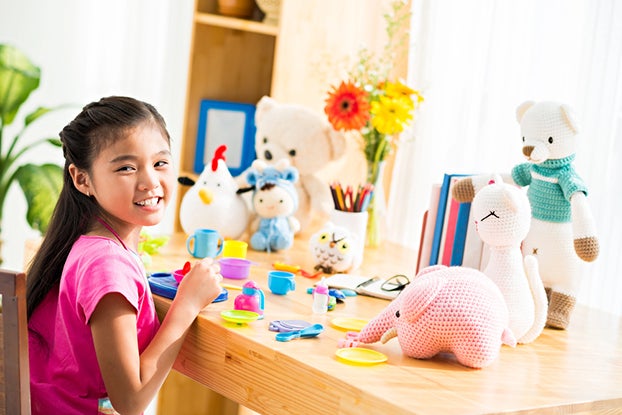
Bringing a story to life can help your child improve their comprehension. After reading a book, have your child act out the story with toys or stuffed animals. As they retell the story in their own words, they’ll better understand the plot and characters.
Turn Reading Time into Playtime
A daily reading ritual is an important part of learning to read (like reading aloud with your child before bed), but reading doesn’t have to be the central component of an activity to promote literacy skills.
If your child feels anxious about reading, weaving it into pretend play can reduce their stress.
For instance, they might play school and read to their stuffed animals. They could set up an imaginary restaurant and make menus. Or they could build a pretend post office and write, send, and read letters. (Bonus for these last two: they’ll practice writing as well as reading!)
Your child could also take these activities into the “real world.” They might read to a younger sibling or friend. You could find a recipe and bake together in the kitchen. Or your child could exchange letters with an actual friend or family member.
Record Audio Books
There are numerous benefits to using audiobooks to support reading skills. They help build fluency skills, like intonation and phrasing, sight word recognition, and comprehension. And reading along with someone else instills a sense of confidence.
But your child doesn’t have to stop there. They can create their own audiobook, too! Once they choose a favorite book, you can easily record them with a tape recorder or recording app on your phone or computer.
Your child may need to rerecord a few times to get their reading just the way they want it. (This is great extra reading practice!) And if they want to expand the experience, they can add sound effects with materials gathered from around your home.
After they create the audiobook, suggest they share it with a younger sibling, grandparents, or friends.
Build Scrapbooks
Personalizing your child’s reading experience may motivate them to do it more often. Try making a scrapbook with them to preserve their memories of all kinds of experiences. Encourage them to save mementos like ticket stubs, programs, postcards, and more.
Then find a scrapbook (or make one with paper, a hole punch, and ribbon). Sit down with your child and talk about how to organize the book. Maybe “movies” is one category, and you can place all of the ticket stubs together. Or maybe the book reads chronologically.
After your child glues the mementos onto the pages of their scrapbook, help them write captions for each one. Urge your child to make the scrapbook a work-in-progress, and every time they work on it, you can read it together.
Remembering while reading will help your child practice their fluency and comprehension skills. They can also tell stories about their experiences, which will reinforce their understanding of story structure: opening incident, action, conflict, climax, and conclusion.
The HOMER App by Begin
The HOMER App by Begin is screen time you can feel good about. Studies show it can increase early reading scores by 74%!
It’ll help your child:
- Develop reading fluency
- Expand their knowledge of sight words
- Develop an academic vocabulary
- Get exposed to different genres
- And more!
Drop Everything and Read
“DEAR” (Drop Everything and Read) time is a staple in many second-grade classrooms, but it’s just as effective at home. Set a time each day when everyone in the house stops what they’re doing and reads for 15 minutes.
Tips for Helping Your 2nd Grader with Reading

With so much ground to cover in 2nd grade reading, here are some of our best tips to make sure your child stays on track.
Be Encouraging
Learning to read can be challenging for some children. As their reading coach, you must stay patient and encouraging as you help your child navigate these new skills.
Celebrate their progress, no matter how small, and focus on building their confidence in themselves as a reader.
Practice Everyday
Consistency is the key to developing strong reading skills. Set aside time every day to practice reading with your child.
The more they read, the better they’ll become at it. So make reading a part of your daily routine, whether it’s before bedtime or right after school. Find what works for you and stick to it.
Talk about Books
Stay involved in your child’s reading progress by discussing the books they’re reading. Ask them questions about the characters, setting, and events, and let them tell you all about it.
If you’re reading a book together, remember to stop and talk about it. Ask them to predict what will happen next or determine why a character acted a certain way. Share your thoughts and opinions, and make it a fun, interactive experience.
Model Reading
Children frequently mimic what they see their parents or caregivers doing, so set a good example by reading yourself. Show your child that reading isn’t just for learning; it can be enjoyable and relaxing, too!
Pick age-appropriate books to read with your child. Your child will hear what a good reader sounds like as you share the story. They’ll notice how your inflection changes, how you use different voices for each character, and how you pause at punctuation.
Over time, your child will start integrating these skills into their own reading, making them a more independent reader.
Practice with Books Below Your Child’s Reading Level
While it’s important to challenge your child’s skills with books at or above their reading level, some skills are easier to practice with lower-level books.
These are books your child can read with minimal assistance from you. They’re a confidence-boosting tool that lets your child work on specific skills like fluency, vocabulary, or comprehension.
Make Writing Materials Available
Your second grader is probably practicing basic writing skills at school, like legibility, capitalization, punctuation, and spelling. They may be able to focus on the content of their writing, too, like a beginning, middle, and end structure, as well as the use of details.
All of this writing helps strengthen your child’s reading, too, because writing and reading overlap. They both teach skills like phonics, vocabulary, fluency, and decoding.
Giving your child the opportunity to write about what intrigues them makes writing feel fun. Make it easy for your child to write at home, just like they write at school. Put paper, pencils, and markers in a place they can access.
Let your child explore writing on their own, focusing on the process, as opposed to the product, but here are a few ideas to get your child started. They might write (and draw) a:
- Letter to a friend or family member
- Story
- Poem
- Comic strip
- Newspaper
Explore New Vocabulary
Spend some time on vocabulary words your child doesn’t know.
When you come across a new word while you’re reading aloud to your child, stop and define the word. Connect it to something your child knows. Use it in a sentence. Ask your child to use it in a sentence, too. And then continue reading the story.
Let’s say you get to the word “jovial” in the book you’re reading to your child. You might say something like this:
- “Jovial means happy.”
- “It’s exactly the way you feel when your friend comes over to play.”
- “Remember when you were in a jovial mood when you played hopscotch with your friend.”
- “Now, can you give me a sentence using “jovial?”
Hearing new vocabulary words within the natural context of a story makes them easier to learn and remember.
Follow Your Child’s Interests
Let your child’s curiosity guide your reading suggestions. Find books that explore topics they talk about. Use the activities your child loves to inspire book choices. If they play soccer, read soccer books together. If they look for birds every time you go outside, read books about birds.
You can even piggyback a read-aloud directly onto an activity! After you play a game of basketball with your child, read a biography about a famous basketball player. Or if you take a trip to the beach, bring a book about the ocean.
Linking real-life things to books boosts your child’s literacy skills because they want to learn about the content. As you read, make space for interruptions. They may want to ask a question, relay their own experience, or share a fact they know.
You can also go in reverse: read a book and then let the subject matter inspire a new activity, game, art project, or adventure.
Keep It Fun
We don’t want reading to be a chore or something your child dreads. It should be an enjoyable experience that they look forward to.
Here are some ideas to make reading extra enticing:
- Create a cozy reading nook with pillows and blankets
- Let your child choose the book you read
- Use technology to practice, like the HOMER app
- Take turns reading different characters’ dialogue in silly voices
- Dress up like your favorite characters
- Have a reading party with friends
- Watch a movie rendition of a book your child loved
Soar into 2nd Grade Reading with HOMER
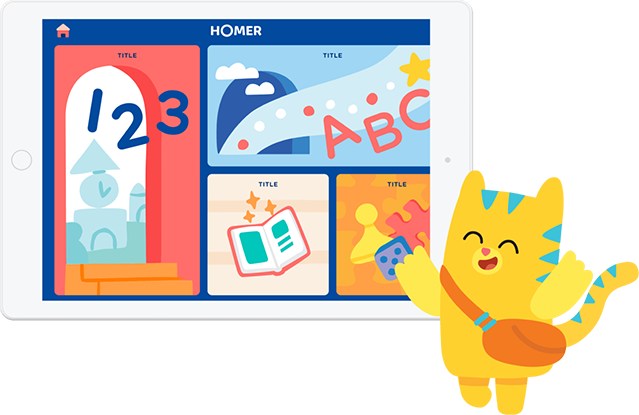
As your child develops 2nd grade reading skills, they’ll be ready to tackle more challenging books and expand their reading horizons.
To encourage your little reader, remember to make reading a daily habit, provide support and encouragement, and make it fun with tools like the HOMER App by Begin.
HOMER’s personalized lessons will help your child develop essential reading skills while keeping them engaged and excited about learning. With Begin, your child will soar into 2nd grade reading with confidence!
Frequently Asked Questions
Should I give my child easier books if they’re struggling when we read aloud together?
There’s no one right answer to this question. Learning to read and reading comprehension are two very different skills. One comes before the other. If your child is struggling to decipher words on a page, they’ll be too preoccupied with phonics to read for meaning.
Your goal will determine whether you decide to give your child an easier book. If you want them to focus on learning to read fluently, it’s a good idea to give them an easier book to read. But if your child is ready to step up their reading skills, it’s OK to keep the book challenging.
You can help your child read more challenging texts by managing their experience. Break the reading into smaller chunks, talk with your child about new vocabulary before you begin to read, and encourage rereading the book.
If you’re unsure about which way to go (an easier or more challenging read), talk to your child’s teacher for advice.
Is it OK to read the same stories over and over with my child?
Absolutely! The bottom line is that if your child is excited about a book and asks for it again and again, they’re practicing literacy skills again and again, too.
Rereading books strengthens vocabulary, fluency, and story comprehension. It also gives your child multiple opportunities to see sequencing in action, as well as understand story structure (beginning, middle, and end), plot, character development, and settings.
When your child willingly chooses to practice reading on repeat, they’re internalizing skills and paving the way for reading other books.
What are the six questions of reading comprehension?
Asking the questions who, what, when, where, why, and how about a book promotes reading comprehension and critical thinking. As your child answers the questions, they’re practicing recall and using active analytical thinking to make sense of what they read.
Seeking answers enables your child to identify key components of the story. It gives them a deeper understanding of characters, plot, motivations, landscape, and time frame.
Try subdividing the six basic questions into smaller ones:
- Who:
- Who’s the main character?
- Who’s the villain?
- Who is your favorite character?
- What:
- What happens in the book?
- What happens in the first chapter?
- What are some themes in the book?
- When:
- When does the story take place?
- When is the biggest conflict in the story?
- When does the main character solve their problem?
- Where:
- Where does the story take place?
- Where does the main character come from?
- Where does the main character go?
- Why:
- Why does the main character do what they do?
- Why do they feel what they feel?
- Why do you think the author created the story?
- How:
- How did the main character accomplish their goal?
- How did the main character resolve the conflict?
- How did you like the book?