
Third grade marks a big transition for lots of young readers. While previous instruction focused on learning to read, this year, your child will now be reading to learn. With this shift, you’ll notice that 3rd grade reading materials are slightly more complex.
Expect more challenging vocabulary, longer sentences, and intricate storylines. Although this can be overwhelming, it’s an exciting time for your child to develop their reading skills and explore new worlds through books.
In this guide, we’ll provide helpful tips and activities to support your child’s 3rd grade reading journey. But first, let’s look at some of the critical skills they’ll most likely work on this year.
Key Takeaways
- In third grade, your child transitions from learning to read to reading to learn.
- Your child will build their fluency skills and reading comprehension, and begin to learn the literary elements of a story.
- Some fun reading activities that help your child learn to read include following a recipe, enjoying book time with tea, painting story rocks, making books, becoming a pen pal, and using the HOMER app for additional practice with phonics and decoding.
- Tips for helping your child with their 3rd grade reading include reading aloud together, introducing them to a series, linking reading with hands-on activities, and using interactive technology.
Table of Contents
- 3rd Grade Reading Overview and Key Skills
- Fun 3rd Grade Reading Activities
- Tips for Helping Your Child with 3rd Grade Reading
3rd Grade Reading Overview and Key Skills
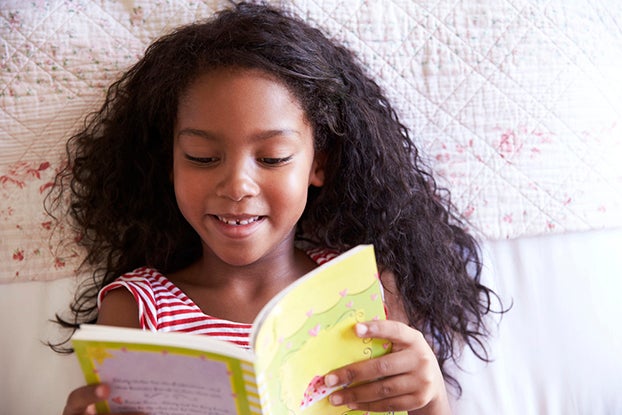
Your child spent their K-2 years learning how to read. They went from barely knowing letter sounds to reading simple books independently. They’ve studied phonics, sight words, and basic comprehension skills. What a lot to celebrate!
Now, they’ll build upon these foundational skills in 3rd grade and learn to use more advanced reading strategies. Here are a few things they’ll work on this year.
Learning to Read vs. Reading to Learn
While your child still has some phonics and sight words to learn, those lessons won’t be the main focus in 3rd grade. Instead, your child will learn different ways to navigate and understand more complex texts to achieve this goal.
They’ll learn to:
- Ask questions: When students ask questions before, during, and after reading, they actively engage with the text, enhancing comprehension.
- Make connections: Students will learn to connect their experiences and ideas to the text. This helps them understand what they’re reading so they can better retain information.
- Visualize: Creating mental images while reading improves understanding. Students will learn to use descriptive language and their own experiences to bring the text to life.
- Summarize: Identifying a text’s main idea and supporting details helps students better comprehend their reading. They’ll also be able to retell essential events or information in their own words.
- Make inferences: Students become detectives, using context clues and their background knowledge to make educated guesses about the text.
Fluency and Comprehension
If you don’t read fluently, you’ll have a hard time understanding the text. To help with both of these areas, 3rd grade students will practice:
- Adjusting their speed for the text: Students learn that taking some types of texts more slowly is OK. For example, most people read nonfiction texts more slowly than fiction so they have time to comprehend new facts and information.
- Rereading: If something doesn’t make sense to the student, they need to go back and try it again. Rereading also helps with fluency, as it allows them to practice the same text a second (or third) time.
- Using graphic organizers: Venn diagrams, story maps, and other graphic organizers can help students organize their thoughts and make connections between ideas in the text.
- Discussing what they’ve read: Talking about the text with peers or an adult helps students check their understanding, ask questions about any confusing parts, and make new connections.
Literary Elements
In 3rd grade, students explore literary elements to help them better understand and analyze texts. They’ll learn about:
- Character development
- Plot structure
- Setting
- Figurative language
- Theme
Of course, at this age, they won’t be doing a deep dive into these elements. Instead, they’ll have a gentle introduction to the world of literary analysis.e world of literary analysis.
Fun 3rd Grade Reading Activities
Follow a Recipe
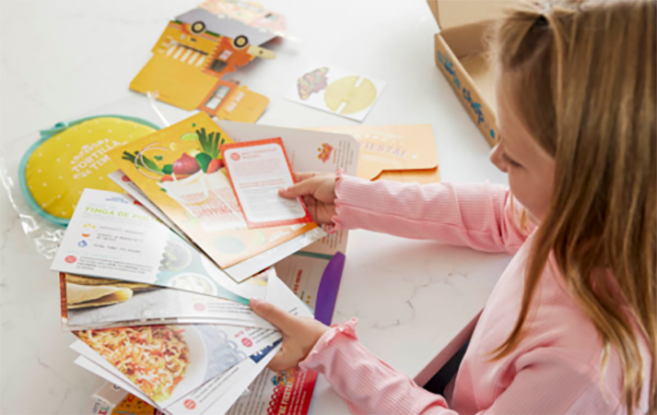
Have you ever heard the saying, “If you can read, you can cook”? It’s true!
Recipes are procedural text, a type of nonfiction text that gives instructions on how to do something. Having your child follow a recipe is a fun way to improve their reading skills.
If your child enjoys cooking, sign up for a Kitchen Adventures Subscription from Little Passports. Each month, they’ll get a few new kid-friendly recipes to try, along with other items.
Enjoy Book Time with Tea
Show your child that reading can be self-care! Grab a book and your favorite tea or hot chocolate, and find a cozy spot to read for 15 minutes. Make it a daily ritual, a time when you can pause and unwind together as you dive into a new book.
Try a Text Feature Scavenger Hunt
Text features are tools that help readers digest information, such as headings, captions, and diagrams. Help your child learn where to find different features with a scavenger hunt.
- Hand them a non-fiction book, and ask them to locate:
- The title page
- The table of contents
- A heading
- The glossary
- A caption
Paint Story Rocks
Your child can paint small, smooth rocks with images from their favorite books. After they dry, place them in a basket and use them to retell the story together. It’s a fun way to practice comprehension.
The HOMER App by Begin
Some 3rd graders may need additional practice with phonics and decoding skills. Try the HOMER App by Begin! It adapts to your child’s reading level and interests so that they can have fun while learning.
Join (or Start) a Book Club
Book clubs let kids discuss books with their peers and practice critical thinking skills. Encourage your child to join or start a book club with friends, classmates, or neighbors.
Once the club agrees on a book for the month, everyone reads it. Then, they can meet and discuss the story over snacks or a fun activity, like creating a different book cover or acting out their favorite scenes.
Make a Book
Help your child make the exact book they want to read!
Provide plenty of materials like paper, tape, string, pencils, and markers, and work together to fold the paper and assemble the pages. Generate story ideas and plotlines by discussing your child’s favorite books. Then they can write and illustrate one of their own.
Reading and writing skills go hand in hand. If your child wants to write a story, they need to understand the various components that make a good book.
As they create their own book, they learn more about plot structure and cause and effect. How does one action lead to another?
They imagine motivations for their characters and create conflicts to make their story exciting. They experience the process of revising a story to strengthen it. As a result, your child becomes more aware of these elements in the books they read.
Be a Pen Pal
Letter writing is another important skill that helps build literacy. If you have a far-away family member or if your child’s friend has moved away, see if you can set up a pen pal exchange. There’s nothing like a real-life reason to generate genuine motivation!
Writing letters gives your child the chance to practice their unique format: a greeting, body, closing, and signature. (And how about the fun P.S. feature?)
A variation on this is exchanging notes with your child in their lunch box or on their bed pillow. Regularly combining reading and writing improves reading comprehension and builds vocabulary.
Read to Siblings or Pets
Reading to a younger sibling, pet, or even a stuffed animal also improves your child’s reading comprehension, as well as fluency, but maybe the most important benefit is the confidence it builds.
A little sister or brother, a dog (whether a pet or one at a shelter), and certainly stuffed animals are all non-judgmental. As a result, these “listeners” can help your child reduce any stress they may associate with reading.
And when your child doesn’t experience reading anxiety, they can fully experience the one-on-one bond that grows between a reader and listener.
Set Up a Poetry Slam
Put some poetry into your reading rotation. Pick poems about topics that are familiar to your child. Read them aloud slowly, emphasizing their playful language and the way the words and stanzas sound. Reread your child’s favorite poems, and then take turns reading them.
Choose a special night to put on a family poetry slam. Ask everyone to pick a poem to read or recite. Make it fun by putting out food and drinks and turning down the lights! Your child can perform their poem alone, or you can stand together and alternate stanzas.
Reading poetry with your child is a great way to highlight language. They learn about rhyme and rhythm. They experience how a small handful of just-right words can create a story and a feeling. Because poems are short, reading them also builds your child’s fluency.
Pair a Book and Movie
Is there a movie based on a book your child is excited to watch? Read the original book together first and then plan a viewing date. Spend some time analyzing the movie after watching it.
Ease into the discussion by asking a few questions like:
- Did the movie stay true to the book?
- What parts of the book were left out?
- How did the screenwriters change the book to make the movie?
- How did you envision the movie? Did it end up as you envisioned it?
- What was your favorite part of the book? Of the movie?
- Which did you like better, the book or the movie? Why?
These kinds of questions help your child practice critical thinking skills such as comparing and contrasting, recalling, and making sense of information.
Tips for Helping Your Child with 3rd Grade Reading
Read Aloud
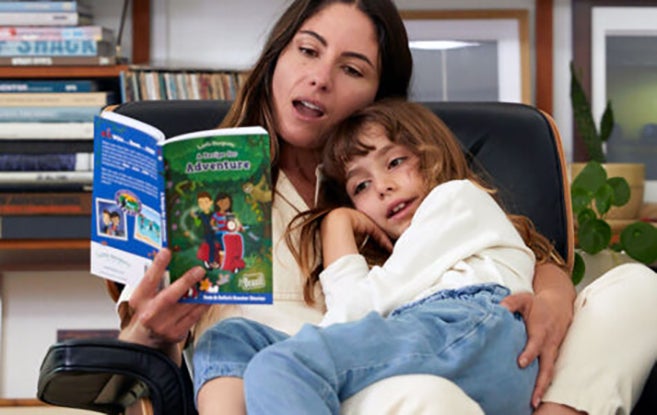
Just because your child has become a more independent reader doesn’t mean they no longer enjoy being read to. Reading aloud lets you model fluent and expressive reading while exposing your child to more complex vocabulary and sentence structures.
Introduce a Series
Help a reluctant reader fall in love with reading by introducing them to a book series. Once they find a story or characters they enjoy, they’ll beg for more!
Link Reading with an Activity
If your child is a hands-on learner, pairing a book with an activity turns something abstract into a tangible experience. When your child physically interacts with a place or engages in an activity related to a book, they can better visualize story elements, like scenes and plot points.
You might read a book about a lion and then go to a zoo, or a book about a child cooking with a caregiver, and then bake something together. Pairing literature and real life supports your child’s curiosity, builds their empathy, and deepens their reading comprehension.
Expand Reading Materials
Reading materials come in all shapes and sizes. What kind of book is your child drawn to? Fiction or non-fiction? Graphic novel or straight prose? Giving your child the opportunity to explore different book genres helps them discover what they like.
Expand beyond books, too. Your child might be drawn to magazines, comic books, or poetry. These mediums might appeal to a child who feels overwhelmed when they pick up a book. You can even get more creative with the definition of reading. You can include:
- Board games instructions
- Recipes
- Grocery lists
- Closed caption subtitles on a TV program
These kinds of functional texts are especially enticing for reluctant readers, foster literacy, and can serve as springboards into other reading materials.
Use Technology
Technology can be your ally in promoting a love for reading. With the rise of ebooks and audiobooks, reading is more accessible than ever. Let your child use these options when they need a change of pace from traditional books.
You can also try interactive learning apps that combine storytelling with games and activities to make reading even more fun! Start with the HOMER app by Begin.
Don’t Give Up
Third-grade reading is a whole different ball game than what most kids are used to. They’re being asked to read more complex material and may not feel confident in their abilities.
As a parent, it’s important not to give up on them. Keep encouraging your child and providing opportunities for them to practice and improve. Celebrate small victories and remind them that everyone learns at their own pace.
Have Fun Reading with Begin!

Third-grade reading is a unique milestone in your child’s education; once they can read to learn, a new world of knowledge and imagination awaits them!
Begin can help your child develop a love of reading. Our Little Passports activity kit subscriptions deliver hands-on activities to your doorstep every month. As your child works through the projects, they’ll read directions and find facts about the topic they’re studying.
Our HOMER app can help boost your child’s reading skills with fun and interactive games. Your child can practice phonics, sight words, comprehension, and more with our personalized learning plans.
Check out our learning programs today and see what’s best for your child. Happy reading!
Frequently Asked Questions
How can I motivate my child to want to read?
The best way to get your child interested in reading is to spend time exploring and expanding on what they love. Even before picking up a book, do projects and activities that interest them. Visit places that excite them.
Maybe you build a robot together first, and then read a book about robots. Or maybe you spend the day at the beach and then read a book about the ocean. Giving your child hands-on experiences creates a path toward reading.
You can also get lists of recommended books from libraries or your child’s school. Or get suggestions for book titles from friends and family. Hype up individual books. If you’re passionate about a book, your child may “catch” your enthusiasm!
Try making reading time special. Find a special place to settle into when you read. Make a ritual of reading at the same time and place every day. Add something extra, like a cup of tea or a lamp that you only use when you read together.
Why is 3rd grade such a critical time for developing reading skills?
During your child’s 3rd-grade year, they are transitioning from learning to read to reading to learn. Their fluency and reading comprehension improve, and their vocabulary grows.
This is critical because, at the same time, your child’s classroom curriculum is moving away from teaching foundational literacy skills and toward reading as a way to gain knowledge and make sense of the world.
Studies show that kids who are falling behind in 3rd grade reading proficiency are more likely to struggle in high school, where assignments are based on a foundation of knowledge that continues to grow. This is true for STEM-related subjects as well as literacy ones.
If a child is struggling with reading comprehension and fluency in 3rd grade and beyond, they might also begin to fall behind in emotional and behavior skill-building. All of their energy has to go into trying to read, which can affect emotional and behavior-related self-regulation.
How can I help my 3rd grader who is struggling with reading?
Have you stopped reading aloud to your child? If you have, try picking up that ritual again. Read books above their reading level so they interact with more complex vocabulary and higher reading comprehension skills without even realizing it.
Gently urge your child to ask questions when they don’t understand something. Show them how to use a dictionary. Create a daily reading ritual when you sit down to read your own books side by side. Share what you’re learning as you read.
Above all else, empathize with them. Tell them stories of times when you struggled to do something. And if you’re really worried about your child’s reading skills, it’s always a good idea to talk with their teacher.