10 Simple Activities for Teaching Letter Recognition [How & Why]
Identifying letters is an important piece of learning how to read. Discover simple and engaging activities to help you teach your child letter recognition.


Identifying letters is an important piece of learning how to read. Discover simple and engaging activities to help you teach your child letter recognition.
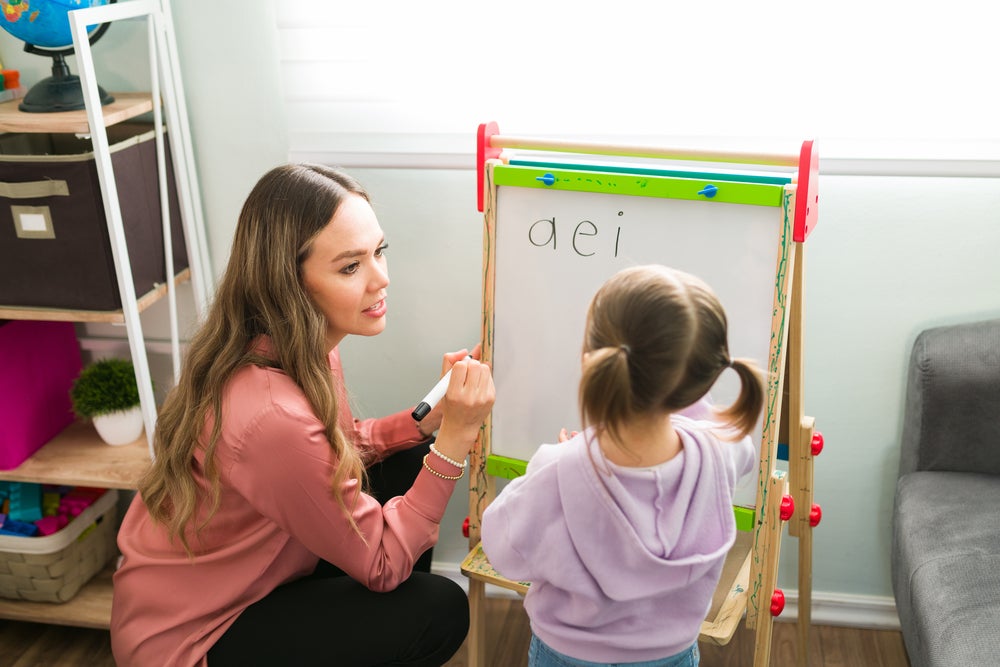
Wondering how to help your child learn long and short vowel sounds? Take a look at this step-by-step guide to teaching vowels from our experts!

Your child will love exploring the letters in the alphabet with these fun, engaging activities. They’ll be on their way to mastering the ABCs in no time.

Practicing emotional regulation is an important part of self-growth. Discover how to teach emotional regulation to your child with our list of steps and activities.

Learning about adjectives is vital for kids. Discover why adjectives are important for building language skills and fun ways to help your child learn them.

Sight words are an important part of learning to read. Discover key sight words for kindergarten to help your child on their literacy journey.

Make reading fun for kids with activities like book nook, bookmarks, story highlights, and reading club. Check out even more tips to encourage reading.

Practicing patience is an important part of self-growth. Discover how to teach patience to your child with our list of helpful tips and activities.

Benefits of homeschooling include its freedom and flexibility, though parents should consider the financial implications and the possibility of burnout.

Choose a homeschool curriculum based on your child’s learning style, needs, and passions; your teaching style; the kind of experience you want; and more.

You can teach your child social skills like sharing, listening, and patience by normalizing mistakes, encouraging sharing, modeling empathy, and more.

Fun facts are like tiny fireworks: they light up your child’s imagination and creativity! They’re also a great introduction to a wide variety of subjects and can inspire curiosity, support critical thinking skills, and build a foundation of learning. Share these 200...
