Reading comprehension is so important for our kids to learn, now more than ever. As technology makes it easier to access information and harder to tell the difference between fact and fiction, they need to understand what they read and come to informed conclusions.
Reading comprehension might seem challenging, but it’s made up of smaller skills your child will learn over time. Vocabulary, background knowledge, language structure, inference-making, and monitoring for understanding are just a few building blocks that help them understand what they read.
Support your child’s strengths while they practice their reading comprehension by trying some of the tips we’ve gathered here.
Key Takeaways
- Reading comprehension is the ability to understand and interpret what we read.
- Reading comprehension shifts the purpose of reading from learning to read to reading to learn.
- Your child will build their reading comprehension skills from preschool through early grade school and beyond. Skills like recognizing the letters of the alphabet will come first, while making predictions and inferring will come later.
Table of Contents
What Is Reading Comprehension?
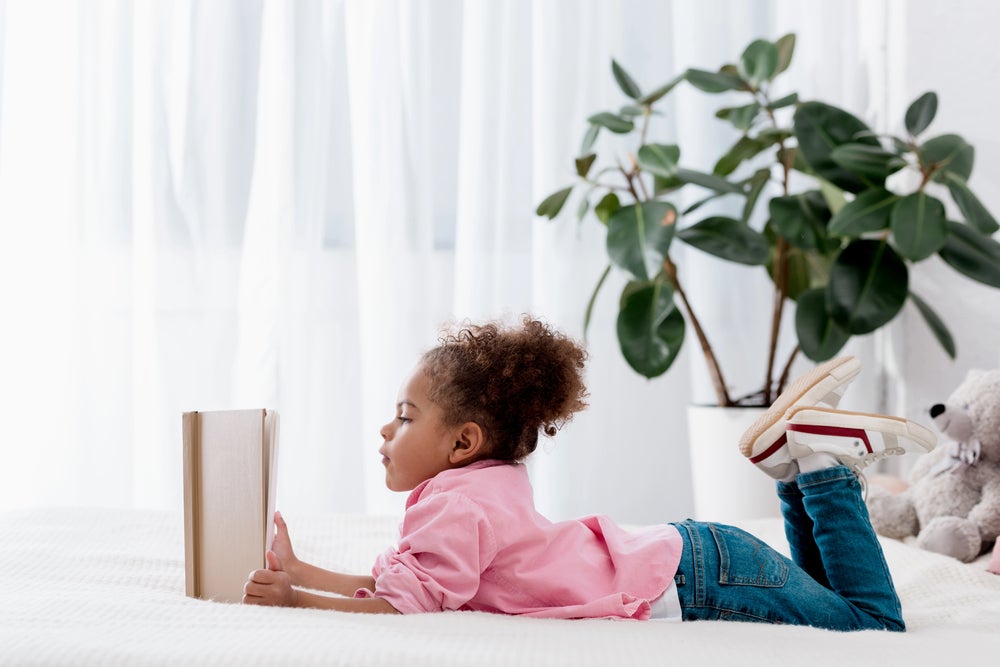
Reading comprehension is the ability to understand and interpret what we read. It’s detail-oriented (we can read each word and understand each sentence) and big-picture oriented (we see the story as a whole).
For your child, reading comprehension means being able to talk about what they learned or what happened in a story they’ve read. In other words, they become a skilled reader.
According to researchers, most skilled readers have specific abilities and behaviors in common. These include:
- A clear purpose for reading, like being curious enough about something to want to learn more about it
- Accurately and automatically decoding words
- Summarizing content (this goes back to being big-picture oriented)
- Understanding the meanings of words (vocabulary knowledge)
- Some background knowledge they can connect to the new reading content
- Thinking and verbal reasoning or inferences (for instance, knowing a story takes place in the morning because the text says “the sun was rising”)
- Strategies for constructing and revising meaning, like asking questions and making predictions
- The motivation to take what they read and do something with it in the real world
Why Reading Comprehension Matters
Kids need to be able to comprehend what they’re reading for success inside and outside of school. Once they can do this, their purpose for reading makes a dramatic shift from learning to read to reading to learn. They can’t read to learn without comprehension.
It’s an exciting moment for kids because books take on a whole new dimension. Where they were once just words that needed to be decoded, they are now doors to new knowledge and new worlds!
As kids practice reading for meaning, they grow their vocabularies, contemplate more complex ideas, and build their social-emotional skills.
Strong reading comprehension skills are:
- Interactive (readers collaborate with the text in a specific context)
- Strategic (readers use strategies and skills to achieve whatever goals they have at the moment)
- Adaptable (readers are nimble and can change strategies depending on the text, their purpose for reading, or the challenges they face)
Once a child gets the hang of using these three skills, they have a set of tools they can use across every area of their life.
Reading Comprehension by Grade
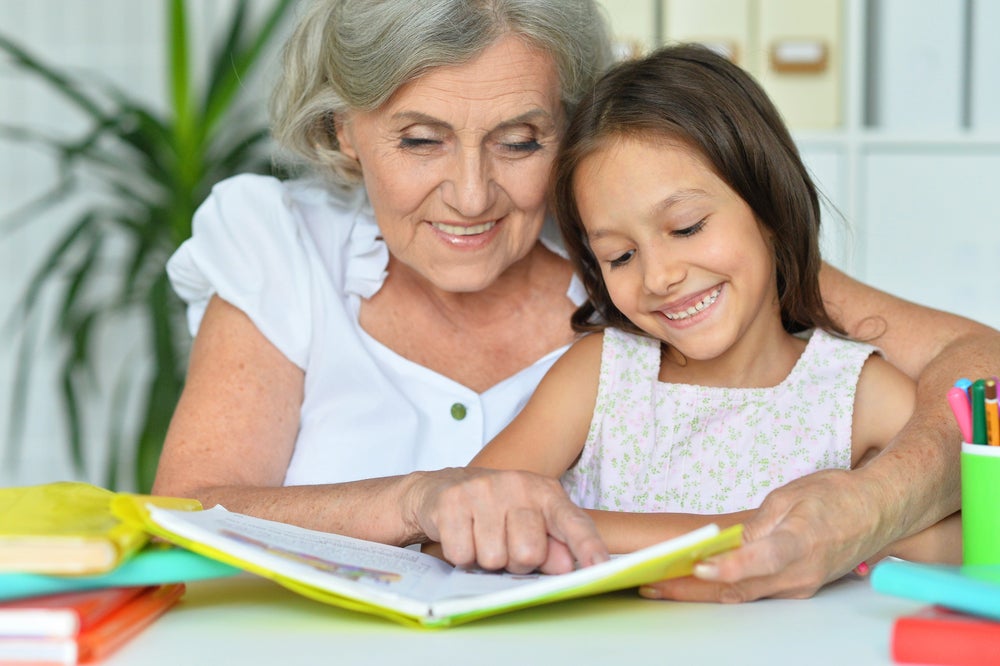
The earlier reading comprehension is introduced to your child, the more time they have to practice, explore, gain confidence, and learn. You can help your child at any point along the way.
Preschoolers (Ages 3-4)
Milestones
At this young age, your child is becoming familiar with print concepts, like identifying the front and back of a book and understanding that you read the print on the page.
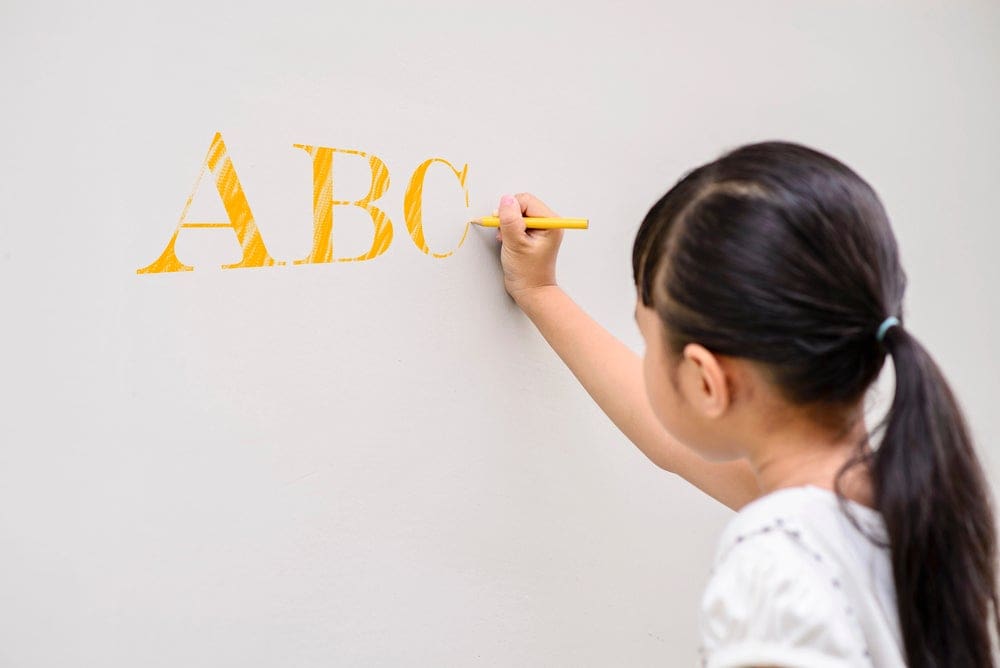
Your child may begin to recognize some letters of the alphabet, particularly the ones in their name, and they might be able to ask and answer questions about a story. They also start to have phonological awareness (understanding sounds), like recognizing rhyming words.
During this time, kids are learning comprehension skills like making predictions and inferences by watching how adults model these skills during reading aloud.
Helpful Hints for Home
- Read things like recipes, grocery lists, and board game instructions with your child. These kinds of informational texts make reading comprehension easier because they’re accompanied by action (like food shopping).
- Read both fiction and nonfiction picture books, and ask and answer questions with your child.
- Bring books to life by acting out a story for a greater understanding of what it’s about and what it means.
- Games like scavenger hunts are a great way to build your child’s vocabulary. And don’t forget that talking a lot with your child is one of the best ways to expand their language skills!
Kindergarten (Age 5)
Milestones
You can have conversations with your child about the stories you’re reading together starting early on, but once your child reaches kindergarten, these conversations go deeper.
They’ll enjoy asking and answering “who, what, where, when, why, and how” questions about a story. They may be able to predict what happens next in a story and retell it in sequential order.
Your child will also make their passions known to you (“I love sharks!” or “Want me to tell you about baseball?”), and you can help them seek out books that dive into their favorite topics.
By the end of kindergarten, your child may recognize every letter of the alphabet and name and make the correct sounds for single letters. They may also be able to read short sentences with familiar words using their phonics skills.
Helpful Hints for Home
- Read aloud together every day.
- Practice reading comprehension activities, like thinking aloud, asking questions, making predictions, and visualizing parts of a story to help remember them.
- Model reading for comprehension by sharing the questions you ask about the books you read. Think aloud when you’re with your child. Try modeling the process of noticing things and then inferring more information, too.
Early Grade Schoolers (Ages 6-7)

Milestones
Reading gets more personal around this time. Your child may connect what they’re reading to their own lived experiences. They may remember similar books they’ve read and similar events in the world.
Their confidence is growing now, too! They’ll be able to recognize when they pronounce or define a word incorrectly and may go back to self-correct.
During these early grade-school years, your child will progress from decoding one-syllable words to longer ones. Their reading skills may rapidly improve, and they may focus less on illustrations to make sense of the stories they read.
Helpful Hints for Home
- Spend more time asking questions about how characters, settings, and plots relate to your child’s life.
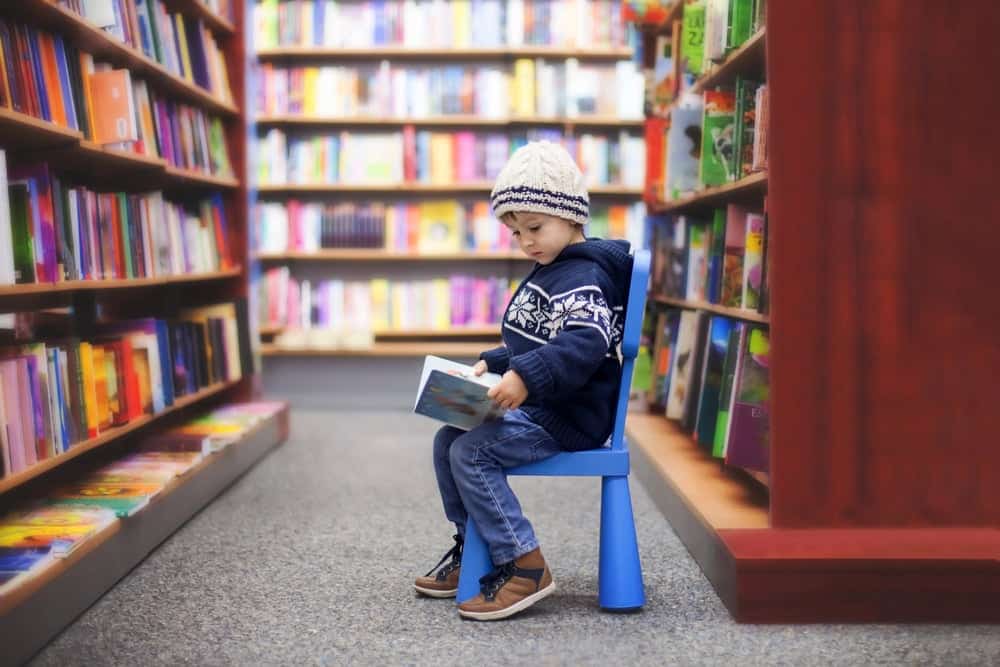
- Offer a wide variety of reading choices. If your child has diverse interests, help them explore as many as they can. Follow their curiosity. The more information and vocabulary they know, the easier the reading comprehension will become.
- Encourage your child to read independently. If they need help keeping track of vocabulary or story elements, you can suggest using a graphic organizer (a visual aid such as a story map, concept map, or Venn diagram that shows how different pieces of a story are connected).
Explore Stories with Begin
Reading comprehension takes patience and hard work. Don’t worry if the process is slow-going. Once your child makes sense of what they read, they’ll have a skill that will serve them for the rest of their life!
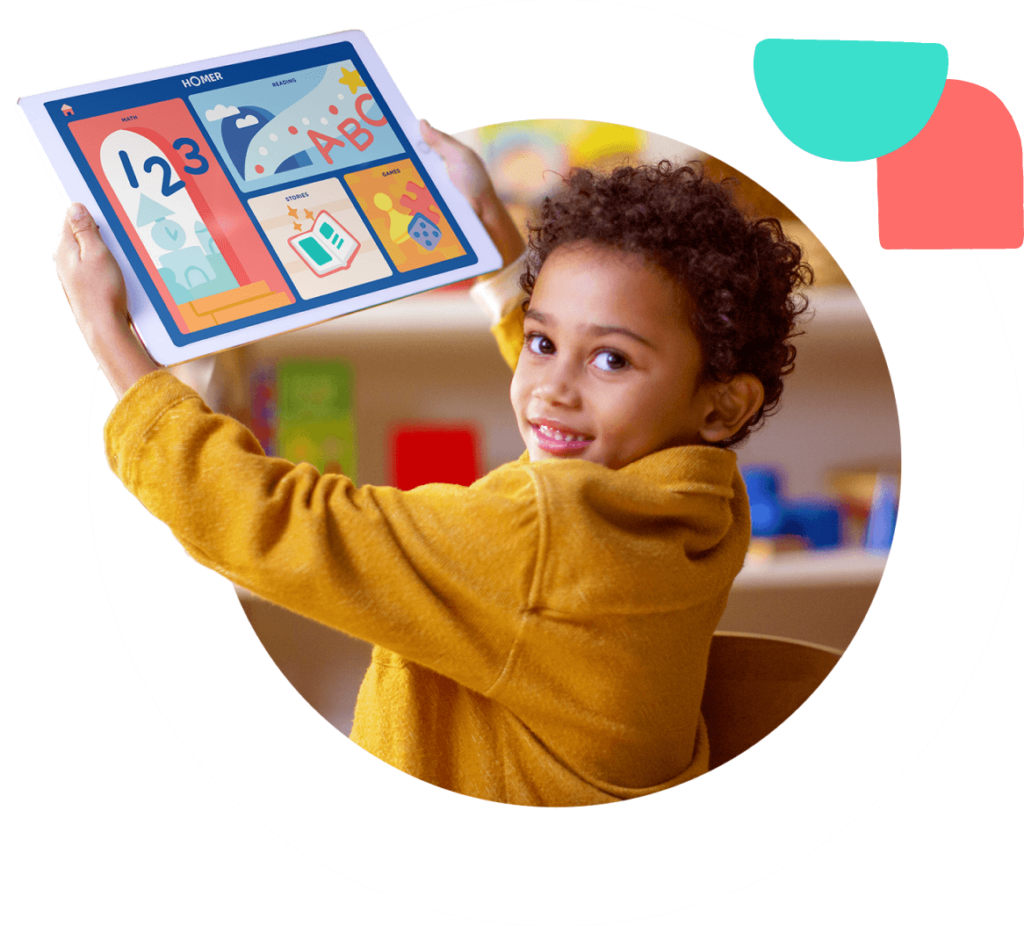
If you want to give your child a boost, Begin is here to help. Try our HOMER app for fun stories, games, and activities that will lay the foundation for your child’s reading comprehension skills.
Each building block your child acquires will move them closer to learning to read so that they can read to learn. And that will be exciting for you!
Frequently Asked Questions
Does attention span affect reading comprehension?
Yes, Department of Education research shows that readers who pay close attention when they read have better reading speed, word recognition, and reading comprehension than their peers who do not.
Here’s how long most kids can pay attention according to their age:
- Two years old: 4 to 6 minutes
- Four years old: 8 to 12 minutes
- Six years old: 12 to 18 minutes
Keep in mind that every child is different, but the above averages give you an idea of what to expect as you’re reading together.
How can I tell if a book is too hard for my child to understand?
The five-finger rule is a good way to tell if a book is too hard for your child to read. Once they choose a book, ask them to read the second page. As they read, ask them to hold up a finger for every word they don’t know.
If there are five or more words, encourage them to try a different book.
Is it OK if my child wants to read the same books over and over again?
Sure! If your child likes a book enough to want to read it over and over again, it’s a great idea to support that interest. Nurturing a love of reading is always a good thing. More reading equals better reading skills.
You might want to suggest they read different books with similar topics as well, so they continue to progress with their reading comprehension.
Does reading speed affect reading comprehension?
More often it’s actually the other way around. Reading comprehension affects reading speed. The more a child struggles with understanding what they’re reading, the slower they read.
The relationship between the two perpetuates the problem because once a child is slowing down their reading, they lose some of the story’s sense of continuity. Integrating one piece of information with the next piece becomes challenging. Interest can wane, too.