As your child gets older and their brain develops, they’ll begin to see the world from perspectives other than their own. Although this awareness emerges naturally, it doesn’t grow all by itself. So, how can you help nurture it? With social skills activities for kids!
Your child needs to learn social skills to interact and communicate with others. These skills help your child make friends and solve conflicts. They are the foundation for building relationships and empathy.
We’ve gathered 30 fun activities to develop your child’s social skills, plus tips for encouraging and supporting them as they learn.
Key Takeaways
- Social skills allow kids to communicate, interact, and build relationships with people.
- Social skills include active listening, empathy, social awareness, problem-solving, teamwork, communication, and more.
- Developing social skills gives kids the ability to build lasting relationships, excel in school and later in life, boost self-confidence, increase happiness, and more.
- Some social skills activities that help your child develop critical social skills include sensory playtime, cooking together, role-playing, practicing apologies, community kindness, and volunteering together.
Table Of Contents
What Are Social Skills?
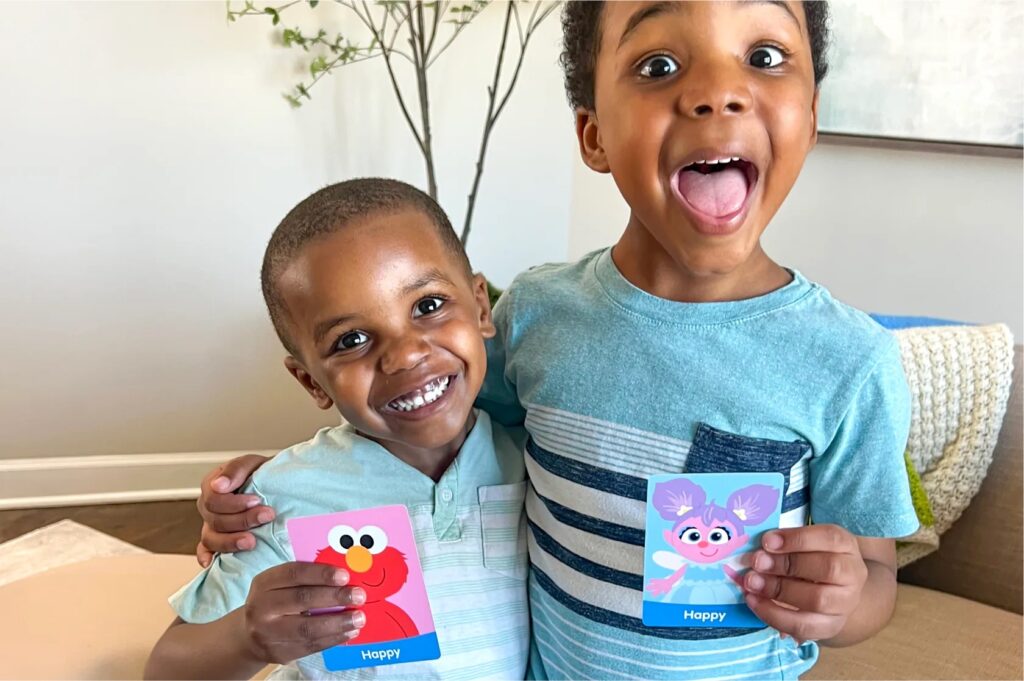
Social skills form the basis for all of our positive connections in the world. We use them every day to communicate, interact, and build relationships with others.
While kids are making a friend at school, at work, or just engaging in conversation with a neighbor, their social skills are engaged. These skills include:
- Active listening
- Non-verbal cues
- Empathy
- Social awareness
- Conflict management
- Problem-solving
- Teamwork
- Communication
- Respect
- Adaptability
How do these skills translate into real advantages in kids’ lives? They create the ability to:
- Build lasting relationships
- Excel in school
- Excel in life after school
- Boost self-confidence
- Strengthen mental health
- Increase happiness
- Navigate new situations
We want our kids to have these advantages, and we want them to be good citizens in the world. Developing social skills early in life gives them the best chance of achieving both. By nurturing these skills in your child, you’re helping to shape their character. For now and later.
30 Social Skills Activities for Kids
Now that you understand the importance of social skills, let’s explore some fun activities you can do with your child to help develop them!
For Toddlers
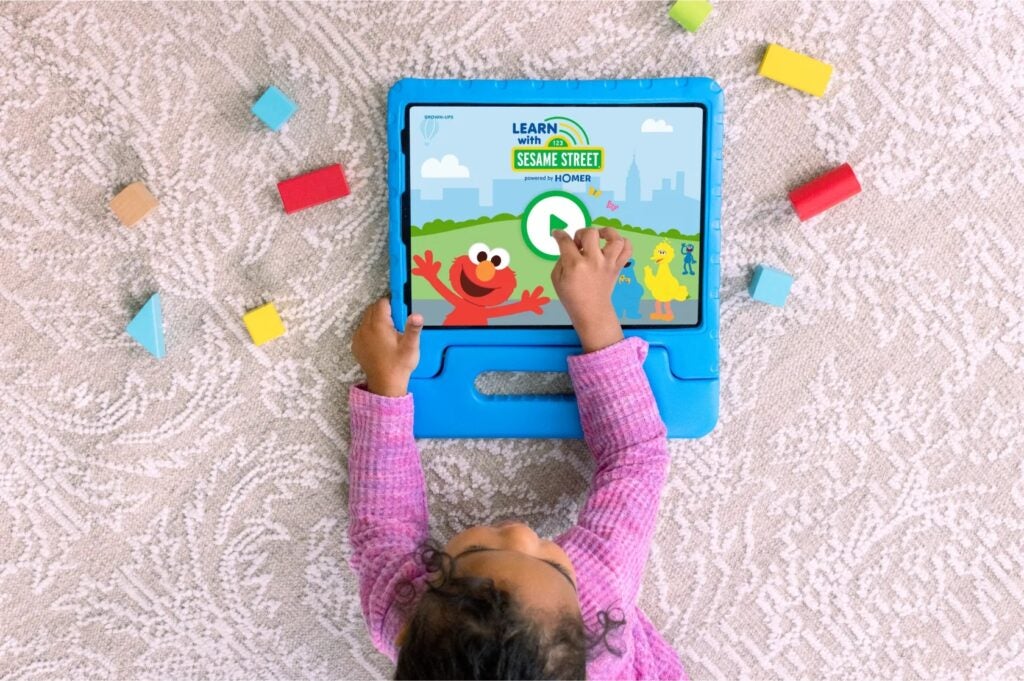
Toddlers are just beginning to understand how to interact with others and communicate their needs. The activities below focus on basic social skills such as naming emotions, sharing, and taking turns.
1) Look Into My Eyes
Eye contact establishes a sense of connection between two people. To encourage this behavior, sit across from your toddler and make a silly face. When your child makes eye contact, give them a big smile and make a different face.
2) How Do They Feel?
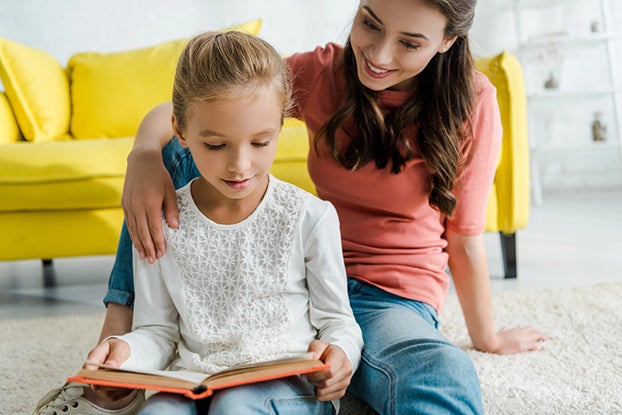
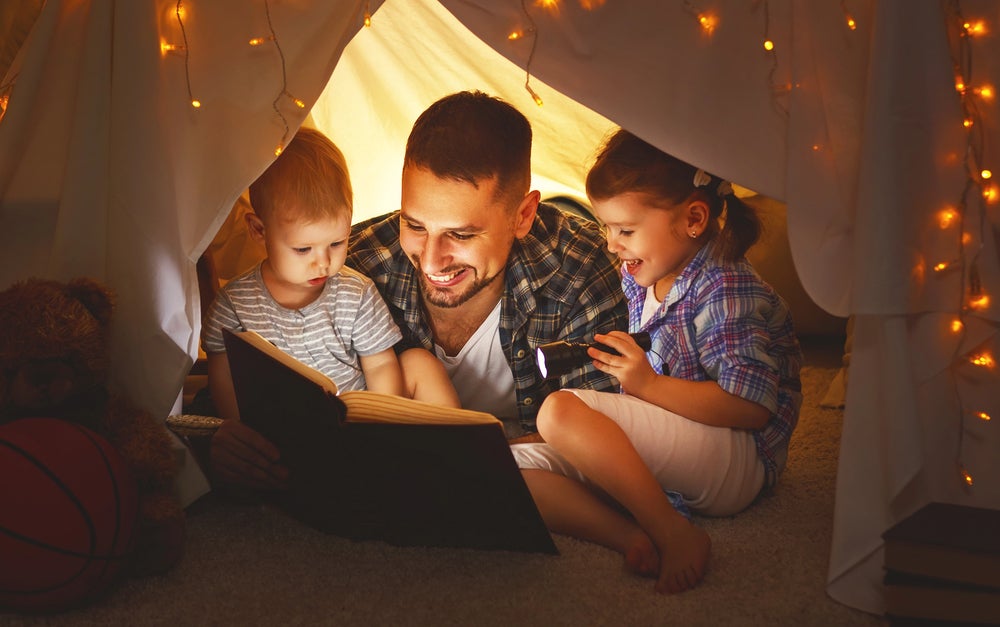
When reading a book or watching a TV show together, stop occasionally to discuss the characters’ feelings.
While your toddler likely won’t be ready to jump in on the conversation, you’re exposing them to the social-emotional vocabulary they’ll need in the future.
3) Sensory Playtime
Toddlers learn through play and exploration, so set up a sensory activity with rice or dried beans as the base. Add some simple kitchen tools or small toys and encourage your child to take turns using them with you.
4) Daily Dialogue
Talk about what others are doing and how they might be feeling. Incorporating this dialogue into your daily routine will help your child learn about the connection between actions and feelings.
5) Contact Talks
Slightly different from daily dialogue, contact talks are exchanges between you and your child that focus exclusively on validating your child’s ideas and observations. They’re moments to stop what you’re doing, listen, encourage, and support.
Contact talks build healthy attachment between you and your child. They nurture the development of your child’s self-esteem, social skills, language and cognitive skills, and imagination.
6) Learn With Sesame Street
With a Learn With Sesame Street membership, your child will learn how to:
- Navigate conflicts with friends
- Overcome stressful situations
- Show kindness to others
- Work through big feelings
The membership delivers the best of digital play and hands-on fun!
7) Deep Breaths
When your toddler is feeling overwhelmed or upset, encourage them to follow your breathing pattern and take deep breaths with you to calm down.
8) Cooking Together
Involve your toddler in meal prep to help them feel like part of the team. As you cook, they’ll practice following directions and working collaboratively.
9) Dance Party
Turn up the music and boogie! Play various tunes and see how your toddler’s moves change with each song. Talk about how the music makes you feel, and encourage your little one to join the discussion.
10) Outdoor Exploration
Nature is very calming. Regularly get outside together and point out different plants, animals, and natural features.
Ask your child what they notice and encourage them to explore their surroundings and play with what’s around them.
11) Photo Talk
Sit down together and flip through photos on your phone (or break out a photo album). Show your toddler a picture and ask them to guess how the person is feeling.
12) Chore Help
Joining in with household chores gives your child a sense of purpose and builds their self-esteem. Let them know how important it is to share work around the house, and how their contribution matters to you.
Doing chores is particularly helpful in developing executive functioning, which is a subset of social skills. Focus, self-control, working memory, and organizing are a few of the executive functioning skills that are positively affected by doing work around the house.
Invite your child to do an age-appropriate job (and ideally fun!), such as:
- Sorting laundry
- Helping set the table
- Putting toys in a basket
- Feeding a pet
- Sweeping (with a toddler-sized broom!)
For Preschoolers
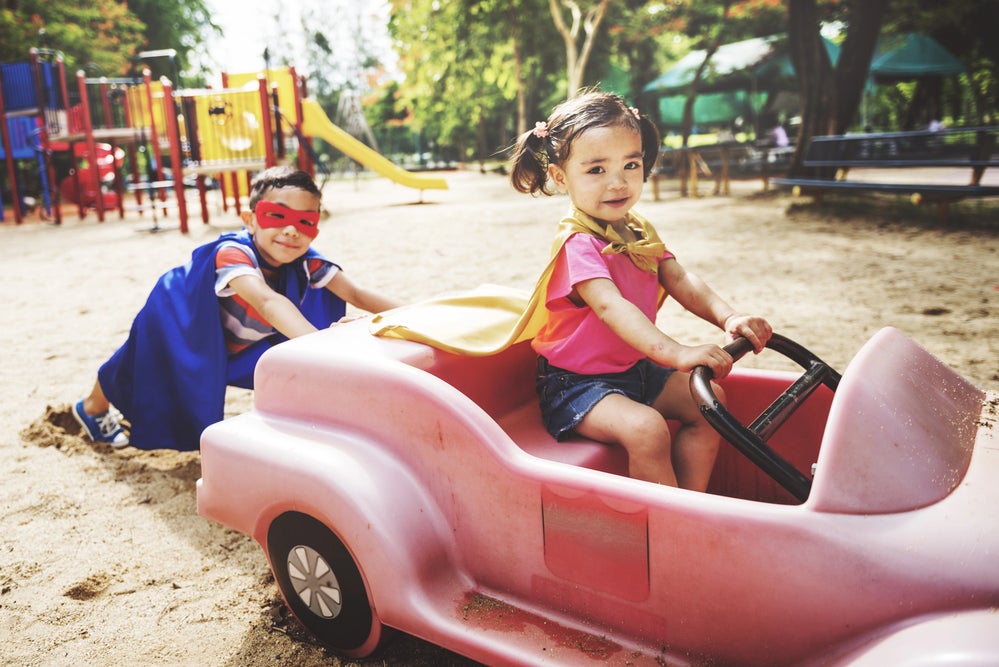
Preschoolers are learning about themselves and the world around them, making this a great age to foster deeper social skills and build character.
13) Role Playing
Break out the dress-up clothes and encourage your child to act out different scenarios. They might be a doctor, a teacher, or a superhero. By taking on various roles and using their imagination, your child will develop empathy and learn to see things from another’s perspective.
14) Puppet Show
Print out these DIY puppets and take turns making up stories and putting on puppet shoes for each other. Talk about how the puppets are feeling.
15) Camp Kindness
Research shows that TV and other social media can contribute to both aggressive behaviors and positive social skills in kids. Two such opposite outcomes are possible because of the design of the particular media.
When a TV show is designed without an intentional goal in mind, research shows it can lead to aggressive behaviors. But when it is specifically designed to teach empathy or kindness, like the Camp Kindness game in our HOMER app, kids are more likely to engage in what they learn.
16) Simon Says
Learning to listen can be challenging for preschoolers. Let your child practice with a fun game of Simon Says. It’ll help them pay attention and listen carefully.
17) Board Games
Board games help preschoolers learn to take turns, follow rules, and work together toward a common goal. To make the most of game time, choose age-appropriate games that involve teamwork and cooperation.
18) Sharing Circle
The next time you have company, gather everyone for a sharing circle. Let everyone share something they’re grateful for or something positive that happened to them recently.
19) Guidance Talks
When your child is involved in a conflict (with a friend or sibling, for example), take the opportunity to guide them in understanding their responsibility and impact in the situation.
The most successful guidance talks happen after your child has calmed down. Once this happens, first try to recognize what your child did right in the situation. Maybe they showed emotional restraint, for example.
Then help your child understand the other person’s feelings. Brainstorm what they can do the next time this kind of conflict arises and how they can help the other person feel better now.
20) Apology Practice
Teach your child the importance of apologizing by encouraging them to say, “I’m sorry.” Help them understand how and why they may have hurt someone or done something wrong. Model this behavior and apologize for your mistakes as well.
21) Tower Stack
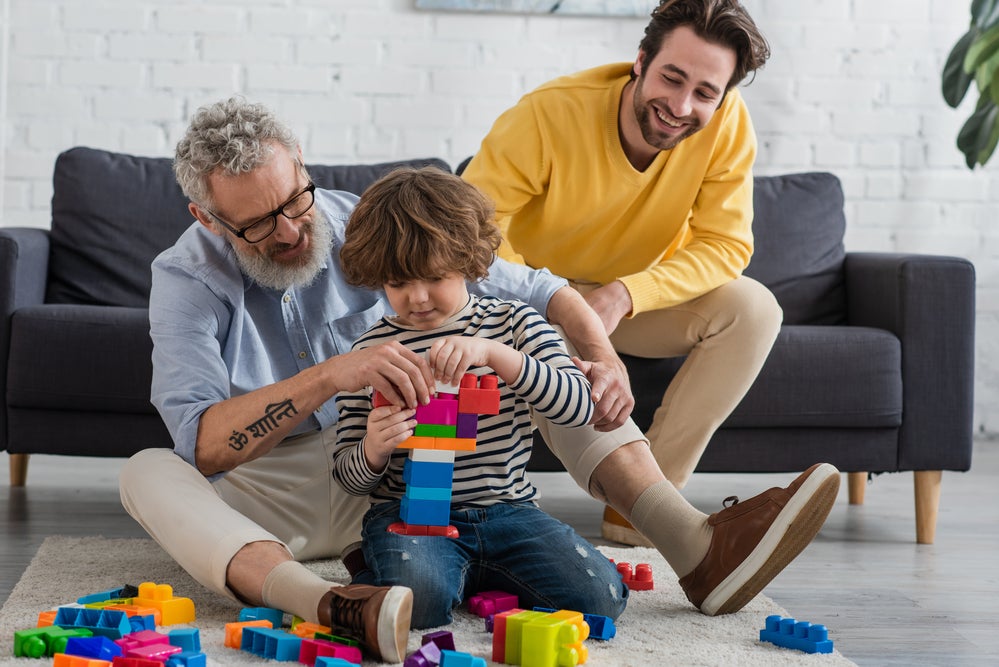
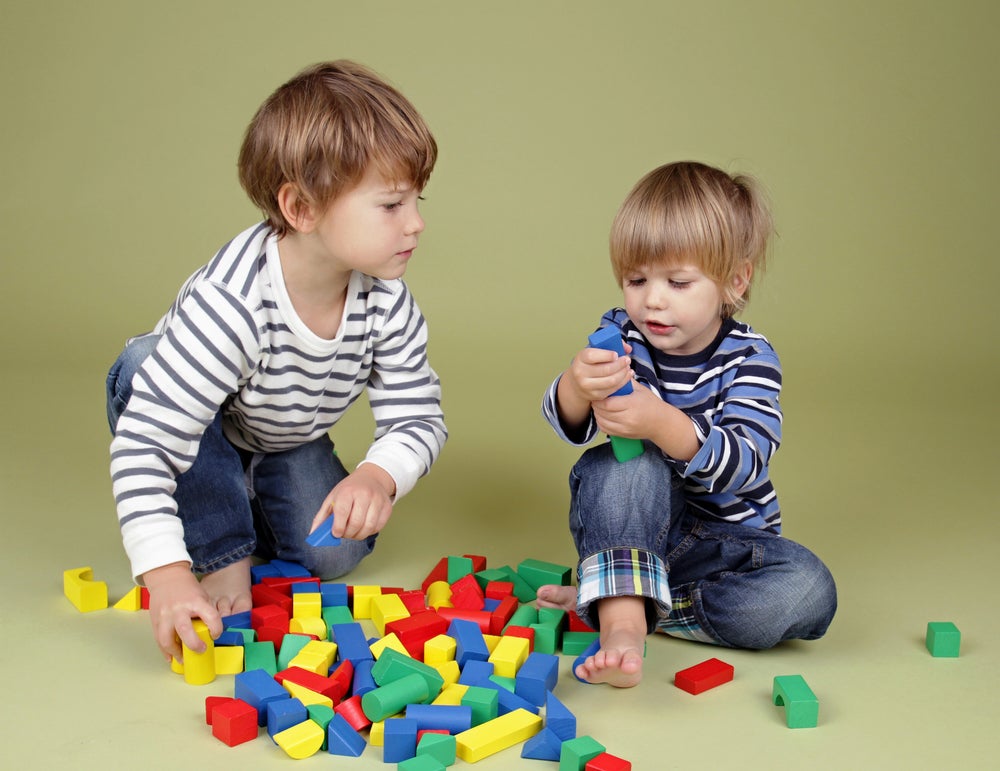
Take turns stacking blocks one on top of another. It can be hard to wait your turn when it gets wobbly, but encourage patience and have everyone try to guess who’ll put the last block on before the tower tumbles.
22) Cards for a Nursing Home
Set out some art supplies and have your child make cards or drawings to deliver to a local nursing home. Talk about how these pictures might brighten someone’s day.
23) Emotional Charades
Ask your child to act out different emotions. As you guess each one, talk about the clues you’re using. For example, “I think you’re feeling angry because your face is scrunched up and your hands are clenched.” This helps preschoolers learn how emotions manifest physically.
For Kids In School
Once your child begins elementary school, their social circle expands rapidly. Set them up for social success with these engaging activities.
24) Staring Contest
Have staring contests to help your child maintain eye contact. Practicing this skill without being expected to talk can help children feel more comfortable and confident.
25) Scavenger Hunt
Have some of your child’s friends over for an old-fashioned scavenger hunt. They’ll work together to solve riddles and find hidden objects, practicing teamwork, problem-solving, and communication.
Not to mention, scavenger hunts are loads of fun!
26) Family Meetings
You can practice discussing differences of opinion and solving repeated conflicts in a family meeting setting. They’re an opportunity to model expressing your perspective in a respectful way, negotiating, compromising, and reinforcing the love between you all.
Family meetings allow your child to practice facing conflicts by talking about them and collaborating, as opposed to letting them get bigger by either ignoring them or blowing up about them.
27) Manners Practice
Have regular tea parties together where everyone at the table must practice polite habits. During these events, model:
- Saying please and thank you
- Keeping your elbows off the table
- Using your napkin to wipe your face
- Not clinking your silverware
28) Community Kindness
Help your child define the community circles they belong to, starting with their family. These might include their extended family, school, and neighborhood. Talk with them about what a community is: a group of people, living or working together, who depend on one another.
Then explore ways your child can extend kindness into those community circles. Maybe they draw a picture for a neighbor who is sick, or they read to a younger child in their school.
29) Volunteering Together
Take your child’s experiences with community kindness a step further and do some volunteer work. Volunteering as a family develops empathy and compassion. It teaches your child the importance of giving back to the community.
30) Talent Show
Organize a neighborhood talent show to help your child build confidence and learn how to appreciate and support the abilities of others. Encourage positive feedback and applause after each act.
Tips for Teaching Social Skills
Social skills come naturally for some children, while others may need extra guidance and practice. Here are some tips for teaching social skills to your child.
- Model good social skills: Children learn by example, so model appropriate social behaviors and interactions in your relationships.
- Practice active listening: When your child is talking, listen. Show them what active listening looks like by making eye contact, nodding, and asking relevant questions.
- Practice giving people personal space: Your child may not realize what personal space even is, so it’s a great idea to talk about it at home and even set some rules around it.
- Think about your child’s missteps as mistakes instead of misbehavior: If you can approach your child with the belief they’ve made a judgment mistake because they’re still learning and growing, you can take the opportunity to teach them about social skills.
- Observe your child: You can’t know how to specifically help your child with their social skills if you don’t know how they interact with people.
- Use role-play: Role-playing helps children practice social skills in a safe and controlled environment. Act out different scenarios, such as starting a conversation with a new classmate or handling a conflict with a friend.
- Encourage empathy: Discuss how others might feel in certain situations and how your actions can impact others.
- Offer specific praise: When your child demonstrates good social skills, provide specific praise to reinforce their behavior. For example, “I noticed how you shared your toys with your friend; that was very kind of you.”
- Invite friends: Encourage your child to invite friends for playdates or activities. This allows them to practice these skills in a familiar, supervised environment.
- Address any underlying issues: If your child struggles with certain social skills, it could be due to underlying problems such as anxiety or ADHD. Discuss your concerns with their healthcare provider.
Support Your Child’s Development with Begin
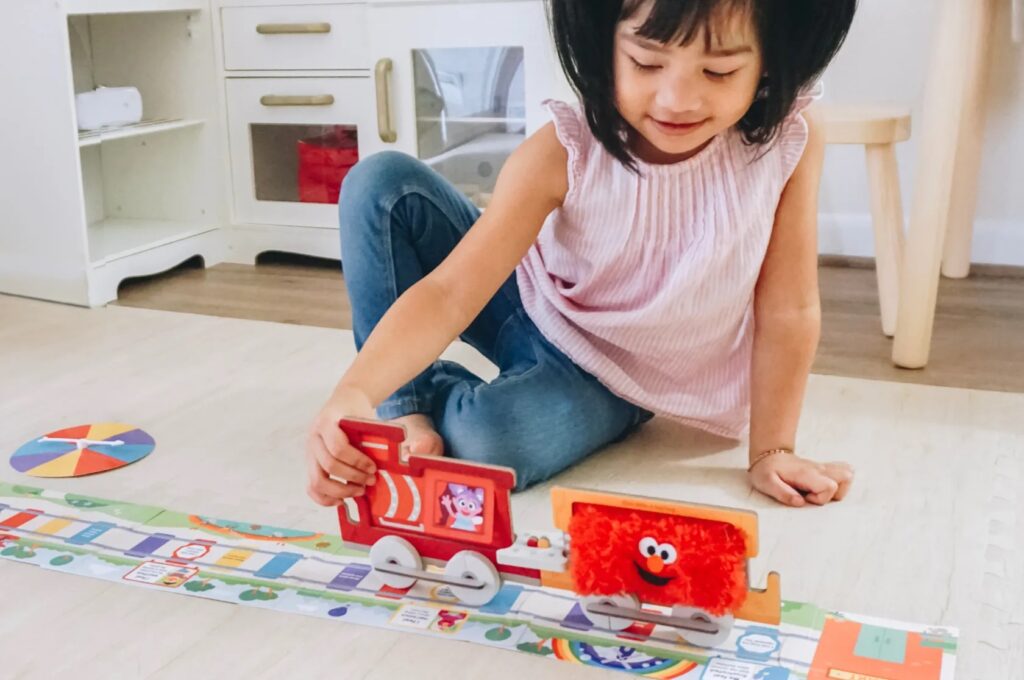
These social skills activities for kids are just a few ways to support your child’s character development while encouraging fun and play.
At Begin, we know the importance of character and include social-emotional activities in our learning products whenever possible.
From games in the HOMER app that help build confidence and develop self-awareness to the digital classes about emotional learning in Learn with Sesame Street by Begin, we want to help your child succeed in all areas of life.
Take our quiz today to start your child’s personalized learning journey!
Frequently Asked Questions
What are the effects of a lack of social skills?
A lack of social skills can cause challenges in building and maintaining relationships, which can lead to lower self-esteem, anxiety, and trouble collaborating and working with a team. All of these together can sometimes affect mental health and overall happiness.
This is why helping your child practice social skills by engaging in fun activities together is so important! And if you find that your child is struggling to develop the skills, don’t hesitate to reach out to their doctor or teacher.
What is a social skills group?
A social skills group is a therapeutic group for people who have a hard time understanding and using social skills. A professional therapist or educator typically leads the group in exercises that allow the participants to practice social skills.
Social skills groups can address any aspect of social skill building, but they often center on people who have issues picking up on social cues, such as body language, facial expressions, and tone of voice.
How can I help my child learn conflict-resolution skills?
The basic components of conflict-resolution skills are based on social-emotional learning and communication skills.
So, helping your child understand their own emotions is an important first step in solving a problem. Ask your child how they feel. Work with them to recognize what physical sensations connect to those feelings.
Help them calm themselves down next. They might try breathing slowly, taking a break, or playing with a pet. Once they’re settled, you can brainstorm with them (and the other person, if possible) about how to solve their problem. They’ll need to actively listen and communicate.