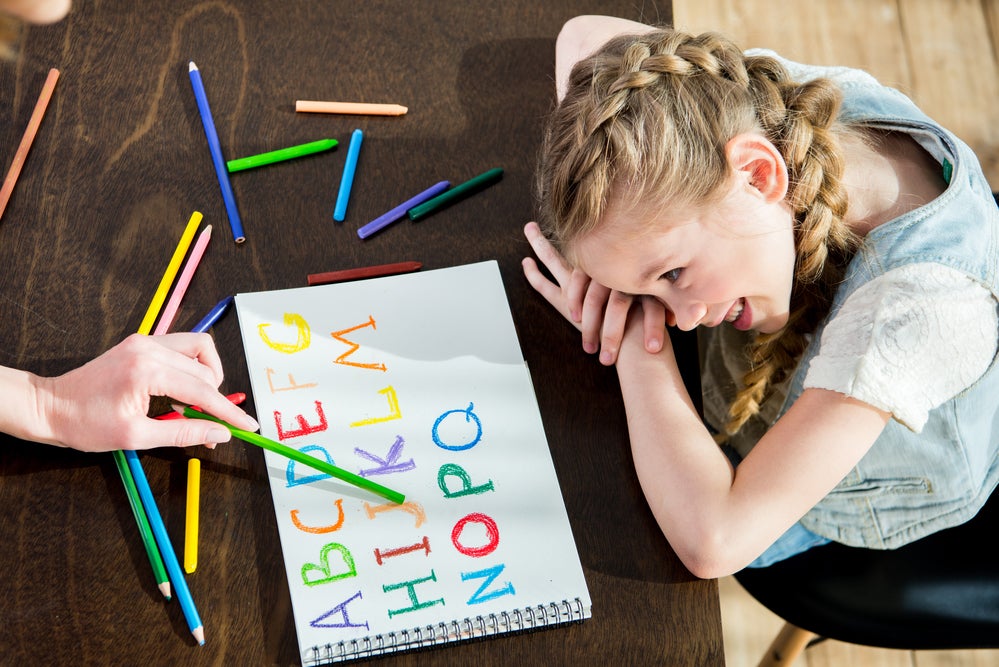

Figuring out if your crying child is in the throes of a tantrum or a meltdown comes down to whether they’re angling for something or they’re just plain overwhelmed. Both reactions look similar to an outside observer, but handling them requires different approaches.
In this article, we’ll discuss the differences between tantrums and meltdowns, explain the signs of each, and offer tips for calming your child down.
Table of Contents
Key Takeaways
- The key differences between a tantrum and a meltdown involve age, intent, audience, goal, and how and when it’s resolved.
- Toddlers will typically have tantrums, which are goal-oriented outbursts that can be resolved by either giving in or making clear that their efforts are futile.
- Meltdowns can happen at any age, are the involuntary result of sensory overload, and will only end when the child is exhausted.
- Signs of tantrums and meltdowns are similar, including crying, stomping feet, and yelling.
- Children having meltdowns often also cover their eyes or ears, lose control, and engage in self-injury. Meltdowns require longer recovery periods.
- If your child has a tantrum, stay calm, be firm, and don’t give in. If they’re having a meltdown, focus on their safety, remove any offending stimulants, and stay close until they’re calm.
Tantrum vs. Meltdown: Signs

Most parents know that feeling of helplessness watching their child throw a frustrated fit. Although you might not see why it matters whether the situation you’re dealing with is a tantrum or a meltdown, it actually matters a lot.
Each of these emotional states is distinct with different triggers, signs, and solutions. Let’s take a look.
Tantrum
When having a tantrum, your child might cry, stomp their feet, or start yelling in order to get a toy they want, an extra serving of dessert, or simply more of your attention.
Meltdown
Your child will likely cry or yell when having a meltdown, too, but they may also lose physical control, hit or injure themselves, cover their eyes or ears, or completely zone out.
Tantrum vs. Meltdown: Differences
Knowing the differences between a tantrum and a meltdown can help you quickly identify what’s going on with your child so you can address it.
Intent
First of all, throwing a tantrum is a conscious and purposeful behavior. If your child is yelling and stomping because they didn’t get a stuffed animal they eyed in a store, it’s a tantrum. Basically, they have control and can (and will) stop when they get what they’re after.
Meltdowns, on the other hand, are unintentional responses to overstimulation that trigger their fight-or-flight instinct.
Audience
Playing to an audience is a hallmark of a tantrum. You may notice your child scanning the room to see who’s watching, encouraging more drama.
On the other hand, if your child is having a meltdown, they cannot stop themselves, regardless of who’s watching. In fact, they may not even notice if there’s an audience or not.
Goal
One of the big differences between a tantrum and a meltdown is that tantrums are goal-oriented. As we’ve mentioned, your child either wants something (a toy, a privilege) or is trying to elicit a certain response from you.
Meltdowns, on the other hand, have no goal. These emotional responses are simply a reaction to sensory overload or a stressful situation.
Resolution
If your child has experienced a tantrum, it will be over when either you break down and give them what they’re after or when they realize that no matter what they do, they won’t be successful.
Meltdowns just need time. The emotional episode will end when their body is so exhausted from the outburst that they fall asleep or quiet down and slowly recover.
Age
Basically, the older the child is, the less likely they are to have a tantrum. That’s because, once your child develops their social-emotional and communication skills, they no longer use these outbursts to get what they want.
Meltdowns can happen at any age, as they occur with stress. Triggers could include crowded spaces, social anxiety, unexpected changes in routine, or high-pressure situations.
Managing Tantrums

What to Do If Your Child Has a Tantrum
The first thing you should do in the face of a tantrum is stay calm. Because your child is trying to achieve a goal (be it getting a toy, a piece of candy, or some extra time before bed), you need to be clear with them that they’re not going to get what they want by behaving like that.
The firmer and more consistent you are, the better this will work to resolve the situation.
Tips to Avoid Future Tantrums
There are several things you can do to keep tantrums at bay. Let’s dive in.
Address Their Basic Needs
First of all, ensure that your child is well-rested and fed. That’s because if their basic needs aren’t met, they’ll be more likely to resort to tantrums to get what they want.
Think Ahead
Keep food and drinks on hand in case your child gets hungry or thirsty. Also, avoid pushing them to do too much if they seem tired, and if they’re easily overstimulated, avoid loud or crowded places.
Limit Choices
Whether eating dinner, getting dressed, or deciding on activities, limit your child’s choices so they don’t get overwhelmed. Instead of asking an open-ended question like, “What do you want to eat?”, simply offer three options (i.e., chicken, steak, or pasta).
Avoid Abrupt Changes
Instead of saying “it’s time to go” while your child is still playing, give a five-minute warning. Having the time to adjust and anticipate change can help to avoid an emotional outburst.
Maintain Routines
Do your best to maintain your child’s routines, such as their bedtime, naptime, and eating routines. That predictability helps them to feel safe and satisfied.
Use “Feeling” Words
Getting your child accustomed to using words to explain their emotions can help sidestep emotional outbursts. Model this by talking about your own feelings, and ask them to do the same.
Watch for Attention-Seeking Behavior
If you think your child might be craving attention, sit down and play with them. This way, you’re meeting their needs before their frustration mounts.
Distract and Remove Them
If you anticipate a tantrum is imminent, distract your child with a toy or something unexpected. Then remove them from the situation before emotions escalate.
Managing Meltdowns

What to Do If Your Child Has a Meltdown
If your child is having a meltdown, the most important thing to do is focus on their safety. As meltdowns cause them to lose control, they could mistakenly hurt themselves.
Once they’re safe, dim the lights, turn off the noise, and remove overstimulating elements from their environment. Remain calm and close to your child until they feel settled.
Tips to Avoid Future Meltdowns
Avoiding meltdowns can be trickier since they’re spontaneous reactions to overstimulation. The best thing you can do is steer clear of stressful situations and anything that may be triggering.
In addition, strategies to build your child’s social-emotional skills can also help get ahead of these stressful situations. For instance, encourage your child to talk about the feelings they experience before a meltdown, or even role-play with you.
This can help them identify and recognize signs of an impending meltdown in the future. Ideally, they can learn to remove themselves from a situation before it reaches the tipping point.
For some extra practice, try BEGIN’s Learn with Sesame Street app to help your child reinforce social-emotional skills through fun, interactive exercises!
Social-Emotional Skill Building with Begin

If you’re trying to figure out whether your child is having a tantrum vs. meltdown, take stock of whether they want something or are just overwhelmed.
Practicing social-emotional skills at home helps to avoid these situations and build your child’s ability to communicate. BEGIN’s Learn with Sesame Street app is one such tool that can support their social growth.
Our learning apps help your child develop socially, emotionally, and academically through engaging activities and games, setting them up for future success in school and in life!
Frequently Asked Questions
What are the six stages of an autism meltdown?
The stages of an autism meltdown are calm, triggers, escalation, outburst, de-escalation, and post-meltdown. The better you understand your child’s triggers, the easier it is to calm the environment, making the meltdown less severe.
What are common tantrum triggers?
Common tantrum triggers include overtiredness, hunger, and discomfort. Watching for sleep cues, keeping to a mealtime schedule, and checking in on your child’s comfort can help avoid tantrums.
At what age do temper tantrums usually stop?
Temper tantrums generally peak between 18 months and three years, and then normally taper off by age four. This is because children’s communication skills are more developed, and they can express their feelings with words.