When Do Kids Learn the ABCs? | Milestones by Age
When do kids learn the ABCs? From birth to age 6. The process includes milestones such as recognizing their name, reciting the alphabet, and decoding words.

Your path to what matters most in early learning
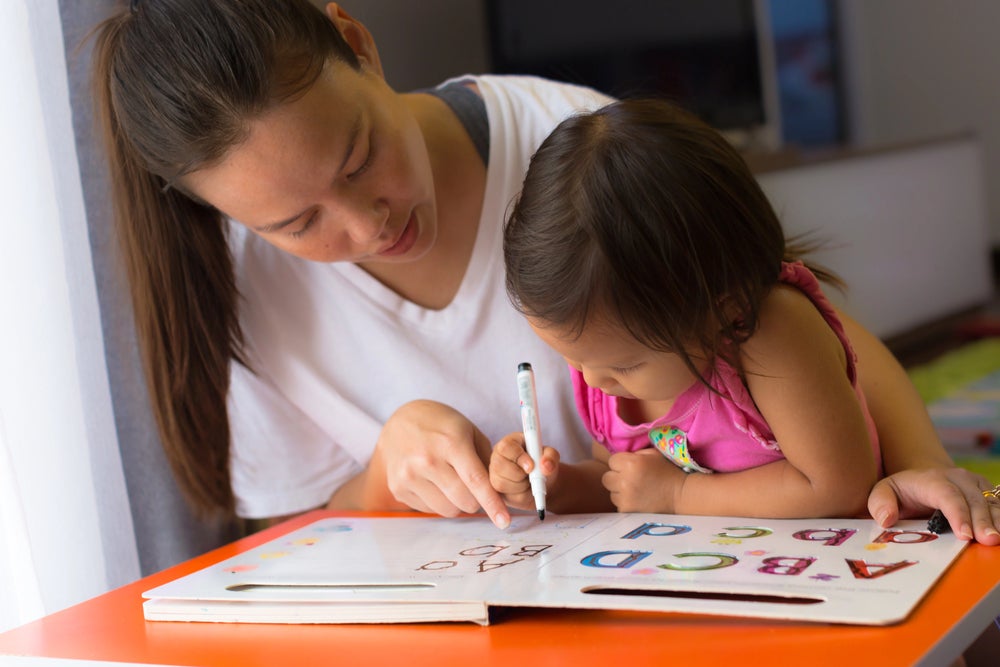
When do kids learn the ABCs? From birth to age 6. The process includes milestones such as recognizing their name, reciting the alphabet, and decoding words.

Make reading fun for kids with activities like book nook, bookmarks, story highlights, and reading club. Check out even more tips to encourage reading.
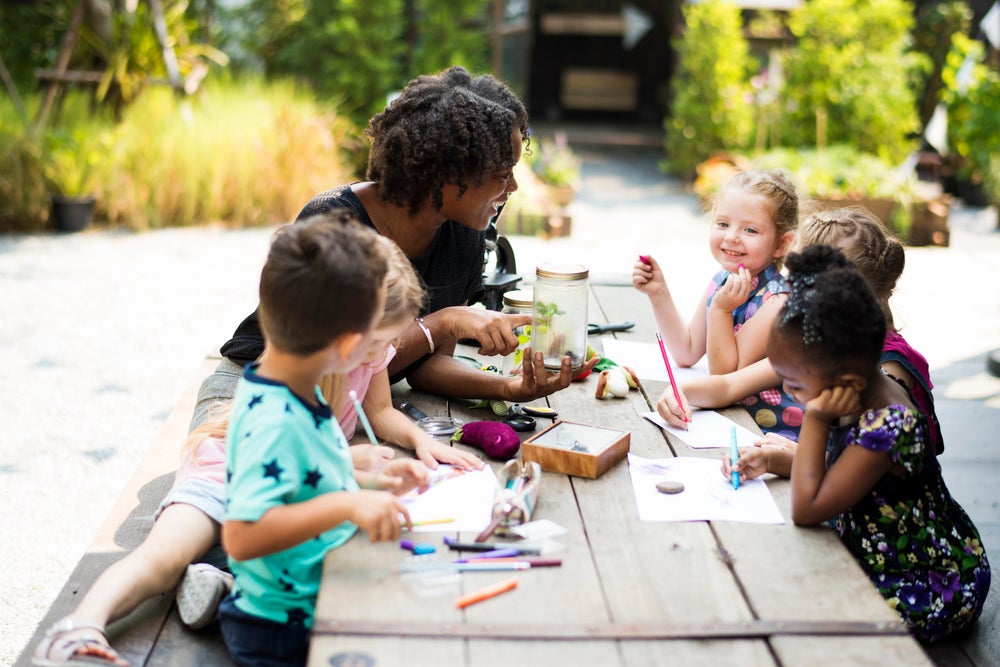
Make learning fun for kids with low-prep, at-home games and learning activities such as kitchen chemistry, cooking, map-making, and more.
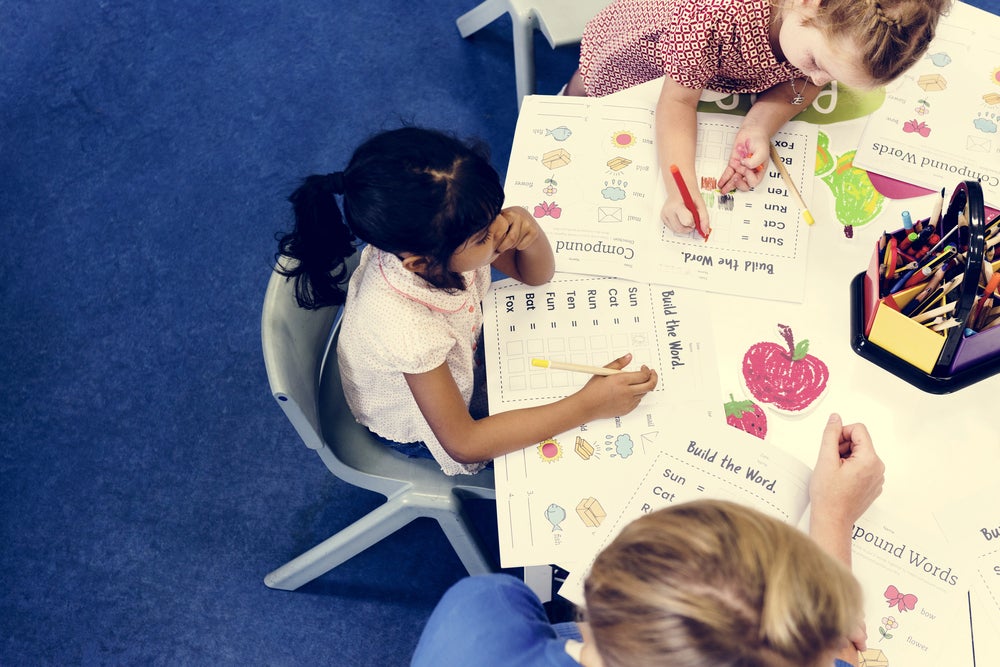
Boost early literacy, phonological awareness, and decoding with rhyming words for kindergartners, as well as engaging activities to make learning a blast.

Teach communication, problem-solving, and cooperation with team-building activities for kids, such as moon ball, cup stacking, and sidewalk art gallery.
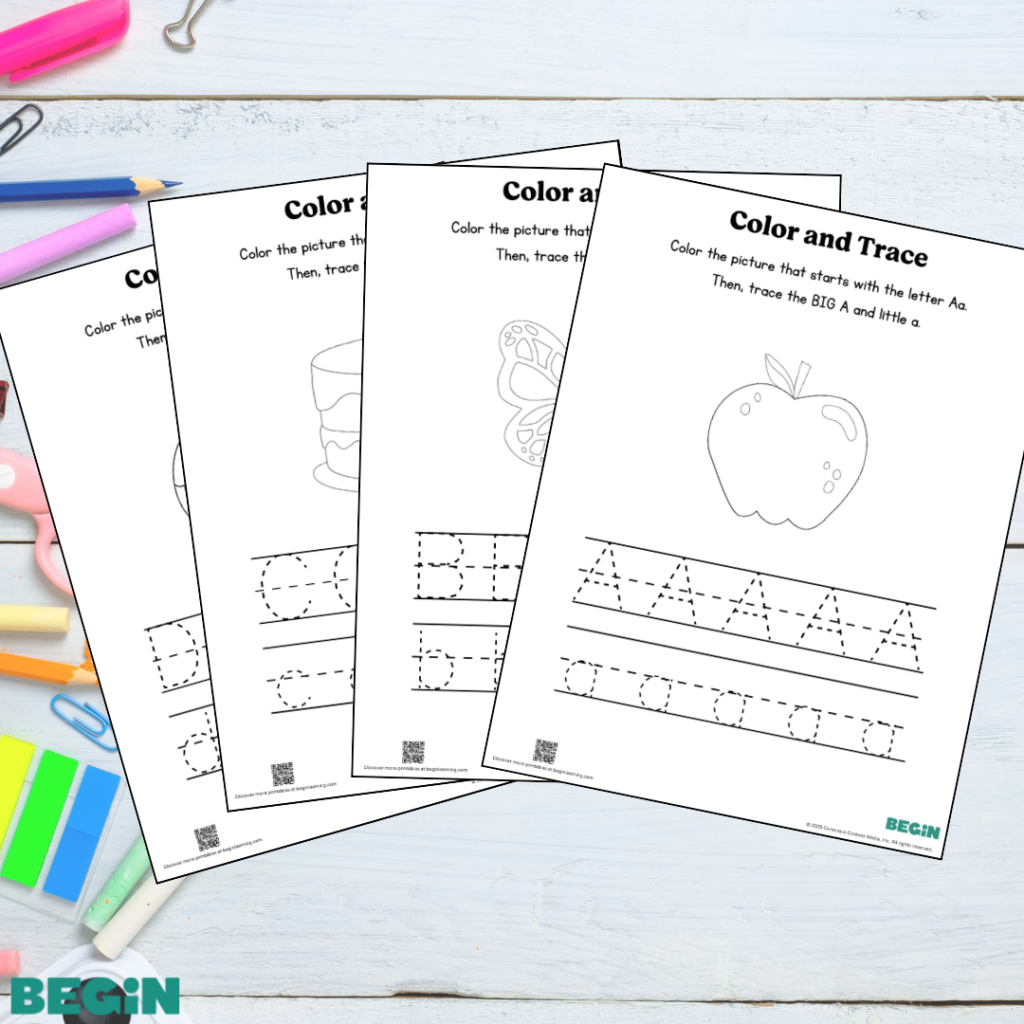
Color and trace alphabet pages for kids ages 3–6! Build early literacy, fine motor skills, and sound recognition with fun A–Z practice.

Teach kids kindness by setting a good example, giving positive reinforcement, and getting your child involved in showing concern for others.
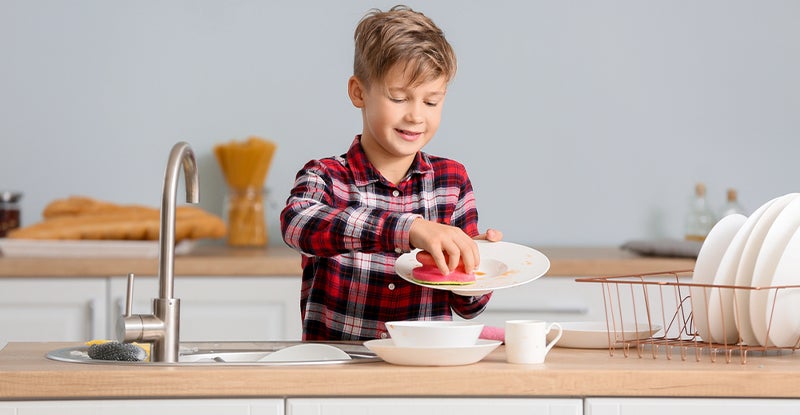
Learning how to take responsibility gives your child confidence, and a sense of independence and purpose. Here are 10 tips for teaching it to your child.
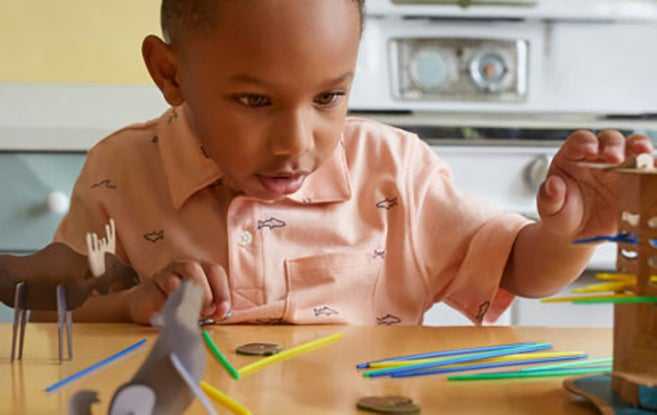
Sensory play encourages your child to use all of their senses to explore the world. Learn more about this type of play and why it’s so beneficial.
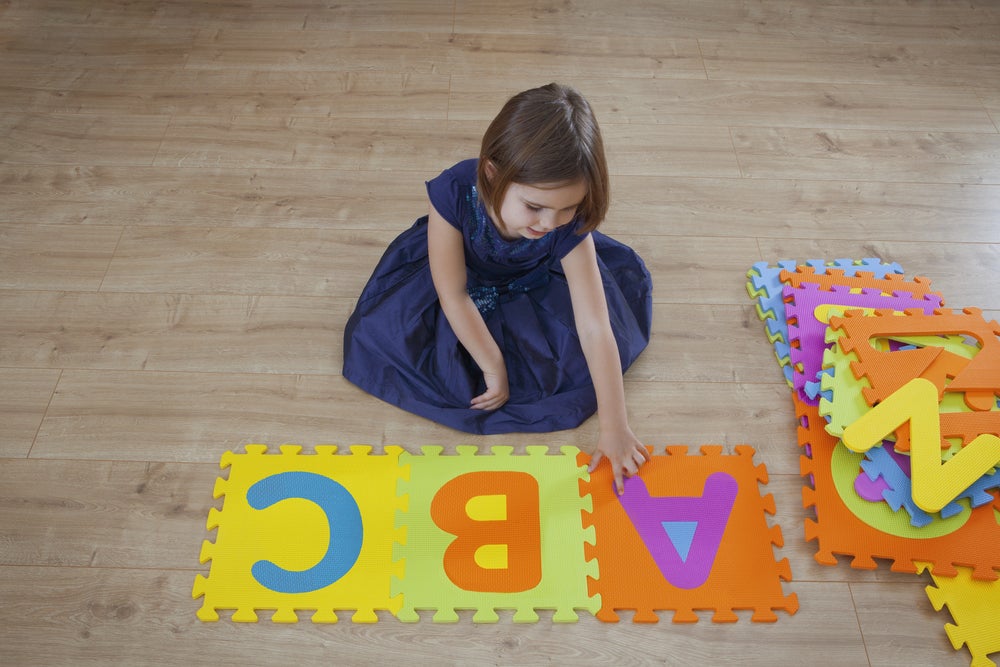
Strengthen your child's vocabulary by helping them learn words that begin with the letter D. Enhance this learning with fun facts and activities for kids.
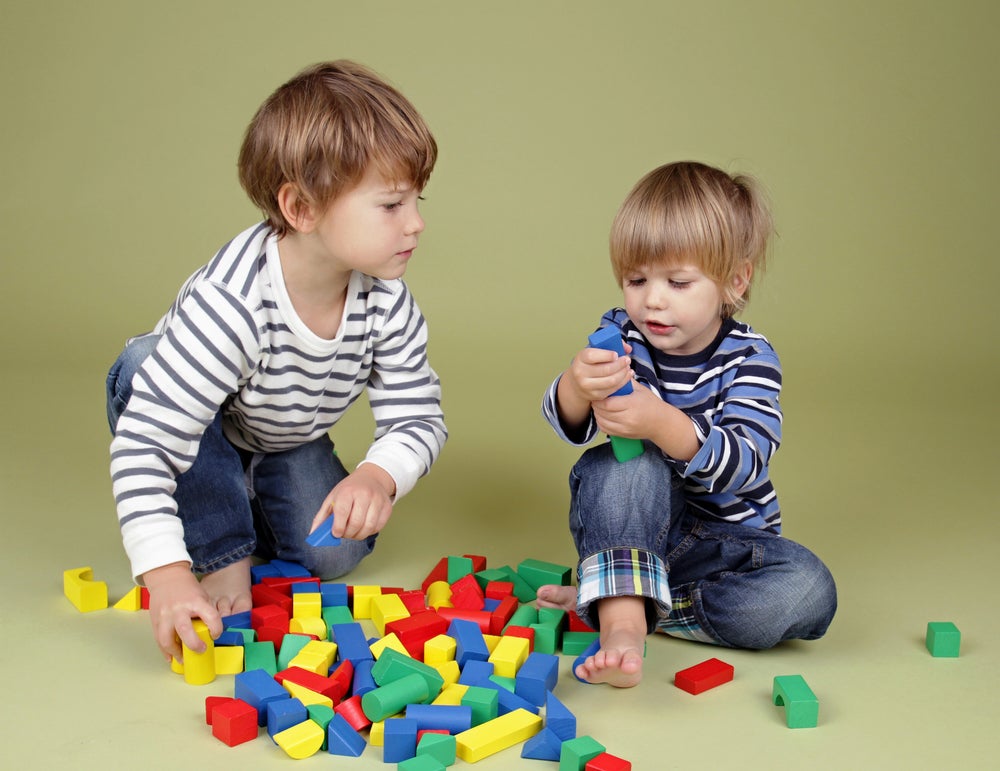
Help your child build positive relationships by trying 30 fun activities that develop their social skills, plus tips for supporting them as they learn.

Kids with strong reading skills do better in school and better in life. Here are 15 tips for teaching your child to read in ways that are fun and easy.