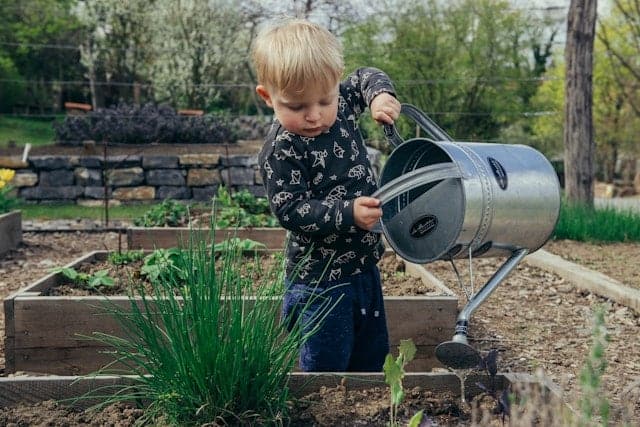
Imagine a day with your child running smoothly: they do each of their daily tasks with a sense of safety, confidence, and even independence. A daily routine for kids makes all of this possible!
To help you create a customized daily schedule for your child, we’ve put together some tips and a sample sequence to use as inspiration. Giving your child’s day shape and structure makes room for you to spend more quality time connecting and having fun.
Key Takeaways
- A daily routine is a simple order of tasks that gives structure to your child’s day.
- A daily routine can include a wake-up that sets the tone for the day, meals, outside time, reading time, chores, a wind-down activity, and more.
- Some tips for a smooth daily routine include creating it with your child, being willing to be flexible, making a daily routine chart, and inserting ample transition time.
Table of Contents
- Why Is a Daily Routine Important for Kids?
- Tips for Creating a Daily Routine for Your Kid
- Daily Routine Example
Why Is a Daily Routine Important for Kids?

You know those days that feel like a hurricane? Tasks coming at you and just a general sense of never being able to catch up? Having a routine makes a big difference on those days. A daily routine makes a big difference for your child, too.
A list of tasks that engage their mind and body provides purpose to their day. They know what they need to do, and they know what’s coming next. This structure can create a sense of security for kids.
A daily routine also teaches your child about responsibility by giving them the opportunity to contribute to the well-being of your family. As a result, their confidence grows because they realize that they play an important role in your home.
Tips for Creating a Daily Routine for Kids

1) Schedule Everything
Begin by brainstorming what your child needs to do each day. Try thinking about the day in segments: morning, afternoon, evening, and bedtime. Once you figure out the tasks, you can create a schedule.
2) Be Flexible
It may take a while to get your daily schedule exactly as you and your child want it. Use those early days as trial runs. Experiment with the number of tasks you give your child every day, and play around with the task order.
3) Ask Your Child for Input
Talk to your child about what they already do each day. Being aware of these tasks will give them a sense of pride even before you implement the new daily routine.
Then brainstorm together other tasks and activities. Include “have to’s” (like brushing teeth and changing into pajamas) and “fun to do’s” (like outside play and screen time).
4) Make a Daily Routine Chart
Make the daily tasks visual. Does your child like checking things off as they’re done? Create a calendar with boxes they can check off. Is your child a visual learner? Draw each task onto a chart.
Try making “First/Then” boards. Pairing activities helps kids understand the sequence of their day. They also inspire finishing a “have to” to get to a “fun to do!” First/Then boards are great for breaking down multi-step tasks, too.
5) Model Following a Plan
Follow your own daily routine to model how it’s done. Point out tasks as you do them to draw attention to the rhythm of a routine.
6) Plan for Playfulness
Think about how tasks can be infused with playfulness. Experiment to see what works best. You and your child might sing and dance while they clean up their toys. Or set a timer to see how fast they can change into their pajamas. You want your child to have fun!
7) Remember Transition Time
Don’t forget to build in transition time. If you try to fit too many things into your child’s day, the individual activities may feel rushed and you might feel like you’re always running late. Sometimes less is more.
8) Don’t Forget the Little Things
Your child’s routine doesn’t have to be limited to big activities, such as having breakfast and getting ready for bed. It can be made up of little things, too.
You might play a special song every time you get into the car to go to school. Or maybe your child waves to you from a specific window when you leave for work. These small activities can create little moments of connection every day!
Daily Routine Example
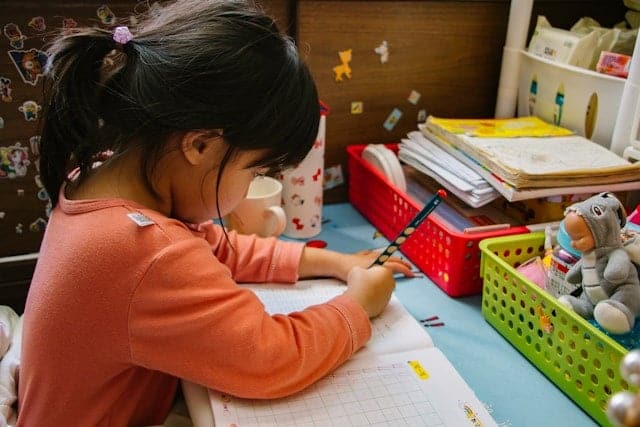
It may be useful to see an example of a daily routine. Just remember, this is not necessarily the order you would create for your child’s routine. You’ll want to use this example as a starting point and then customize it to what works best for your family.
Morning Routine
Your child’s morning routine is especially important because it sets the tone for the rest of the day. Of course, it includes things like getting dressed and eating breakfast, but you might also include other things that are important to your family, like a quiet time for reading or journaling.
You can see an example of a whole morning routine here.
School/Daycare/Play Date
If your child goes somewhere outside of your home (like school, daycare, or a play date), you want to include it in their routine.
Lunch
Setting specific and consistent times for your child’s meals helps keep their energy even throughout the day. (Although you may eventually need to change the timing, like when your child is having a growth spurt and seems to be ravenous all day!)
Extracurricular Activities
If your child plays soccer after school, takes an art class, or has any other scheduled activities, you’ll want to account for the time they take and build them into your routine.
Put Away “Away” Things
If your child brings specific items to outside activities (lunch box, water bottle, backpack, and more), it’s helpful to find places for each of these things to live. Designate time for putting them away so they’re easy to find the next day when your child needs them again.
Healthy Snack
Sitting down to have a snack is a great way to not only refuel your child’s body but reset it, too. Find a quiet time to eat so your child can settle and get centered. You can also use this moment to check in with your child and ask about their day.
Outside Time

Another effective way for your child to reset is for them to get outside. Fresh air and a natural environment improve their physical and mental health. Some outdoor ideas include:
- A walk
- Playground
- Errand (library, market)
- Backyard
Reading
The list of the benefits of daily reading is a mile long. It improves literacy and vocabulary, develops empathy, sparks imagination, and can build the bond between you and your child if you read together. The list goes on!
Unfortunately, not all kids are natural readers, so your child might need a little encouragement to pick up a book. That’s why reading time in your routine is a good idea.
Screen Time
When it’s high-quality, age-appropriate, and educational, a little screen time can be beneficial for your child. Begin has three apps that balance learning and fun:
- Homer focuses on reading skills in a fun, interactive way.
- Learn with Sesame Street focuses on social-emotional skills and feelings.
- CodeSpark focuses on coding, problem-solving, and sequencing.
Chores
It’s never too early for your child to contribute to the collaborative effort of keeping your home running smoothly. Depending on your child’s age, they might set the table, put clothes in the dryer, or feed the pets.
Even a small daily chore can give your child a satisfying sense of responsibility and pride in your home.
Wind-Down Activity
As your child’s day winds down, but before it’s time for bed, you may want to add a calming activity. You could move your child’s reading time into this slot, but you could also listen to music or have a box of quiet playtime toys available.
Bedtime Routine
Just like your child’s morning routine sets the tone for the day, their bedtime routine can set the tone for the night and help their body prepare for sleep. You can see an example of a whole bedtime routine here.
Begin a Daily Routine Today!
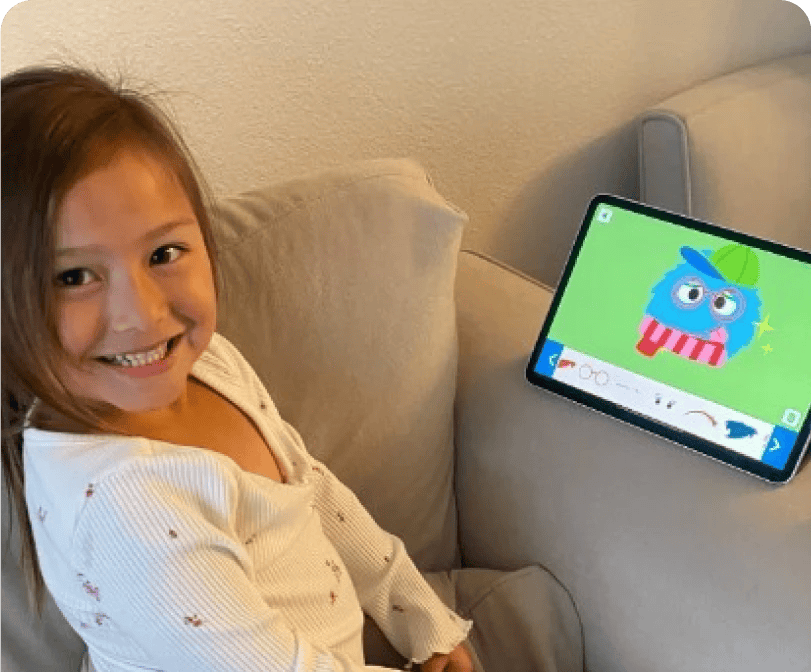
A daily routine for your child can help keep those hurricane days at bay! While you can’t plan for everything (especially when a child is involved), a routine gives the day structure and predictability. It also builds anticipation: your child will have favorite activities to look forward to!
Creating a daily routine using some of the tips we’ve mentioned here gives you and your child a way to walk through the day feeling a little calmer and a lot more joyful.
And don’t forget about our educational apps! Homer, Learn with Sesame Street, and CodeSpark are effective tools for inspiring your child to read, build social-emotional skills, and learn coding. All while having so much fun!
Frequently Asked Questions
What if my child won’t do one of the tasks on our daily routine list?
Try talking together to figure out why your child is resisting the task. You might find solutions or alternatives. You could incorporate some fun incentives, such as sharing the task, adding music, or making a game out of it.
Be patient. And, depending on the task, if you can’t find a solution, it’s OK to get rid of the task for the time being and try again when your child’s a little older.
Does every day have to be the same?
You want to establish a routine that is mostly the same from day to day, but you also need to be flexible, especially on weekends and holidays. Even on those special days, though, try to keep a few anchor tasks the same.
How much of the routine should I be doing with my child?
You want to strike a balance between guiding or helping your child and giving them space to grow their independence. But this will look different for each child and will change as your child grows.
Try different levels of engagement and letting go. And ask your child for their input, too!