The phrase “learning styles” refers to kids’ unique learning preferences. For instance, some kids learn by doing and others by reading, writing, or listening. While learning based on a specific style doesn’t necessarily improve outcomes, knowing your child’s learning preferences is a great tool to have.
In this article, we’ll introduce the various learning styles for kids and discuss why your child’s preference matters. We’ll also provide some general tips on how to support your child’s learning journey in the best way for them.
Key Takeaways
- The four standard learning styles for kids are visual, auditory, reading/writing, and kinesthetic. Your child’s learning style refers to the way they prefer to absorb information. Keep in mind that your child can have different learning styles for different subjects.
- Other learning styles include tactile, logical, social, and solitary.
- To discover your child’s learning style, observe them, talk to their teacher, and look for their strengths.
- Knowing your child’s learning style offers many benefits: It motivates them, helps build their confidence, and supports their academic growth.
Table of Contents
- Four Standard Learning Styles for Kids
- Other Learning Styles for Kids
- Why Knowing Your Child’s Learning Style Matters
- How to Identify Your Child’s Best Learning Style
- Tips for Helping Your Child Learn
Four Standard Learning Styles for Kids
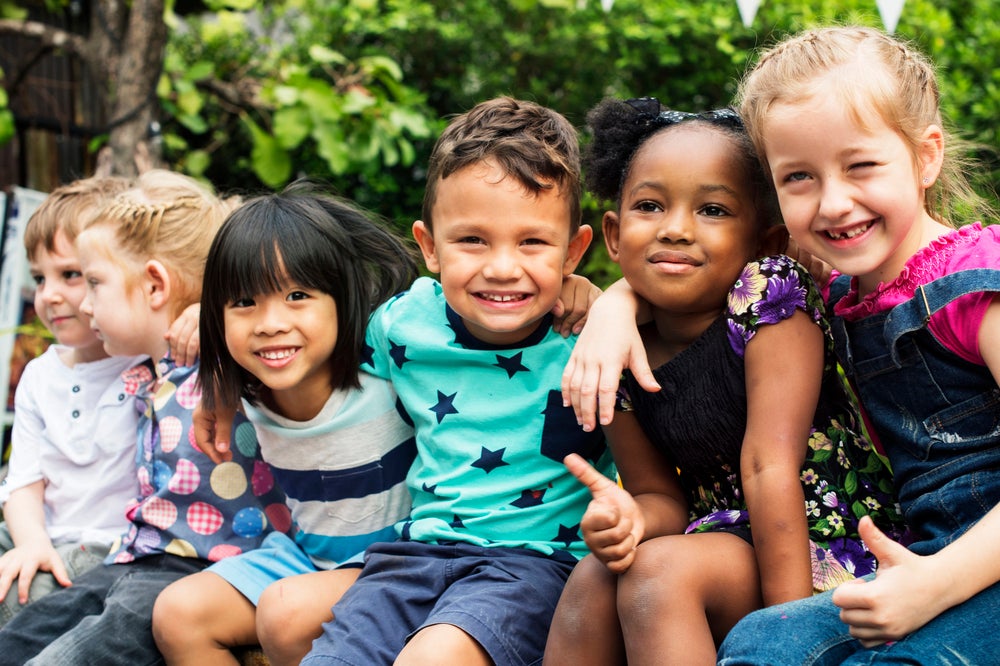
A learning style is simply the way someone best absorbs and retains new information. Your child will likely prefer one or more of these four standard learning styles: visual, auditory, reading/writing, or kinesthetic. Let’s take a look.
Visual
Children who prefer a visual learning style learn best through seeing. These types of learners tend to be highly imaginative and think in pictures.
How to Teach This Way
Some teaching techniques for visual learners include:
- Making sure there are vivid images of what you’re learning
- Adding diagrams, charts, and illustrations (they can be bright and fun)
- Using color codes and visualization techniques
- Providing demonstrations and examples
- Using strategic body language and facial expressions
Auditory
Another standard learning style is auditory, which is learning by listening. Children with an auditory style comprehend new information best when hearing it.
How to Teach This Way
To support auditory learners, you can:
- Give verbal directions
- Organize discussions on the topic
- Encourage students to listen and then repeat and explain
- Include music and sing songs
- Listen to audiobooks or podcasts
- Keep the environment quiet and free from noisy distractions
Reading/Writing
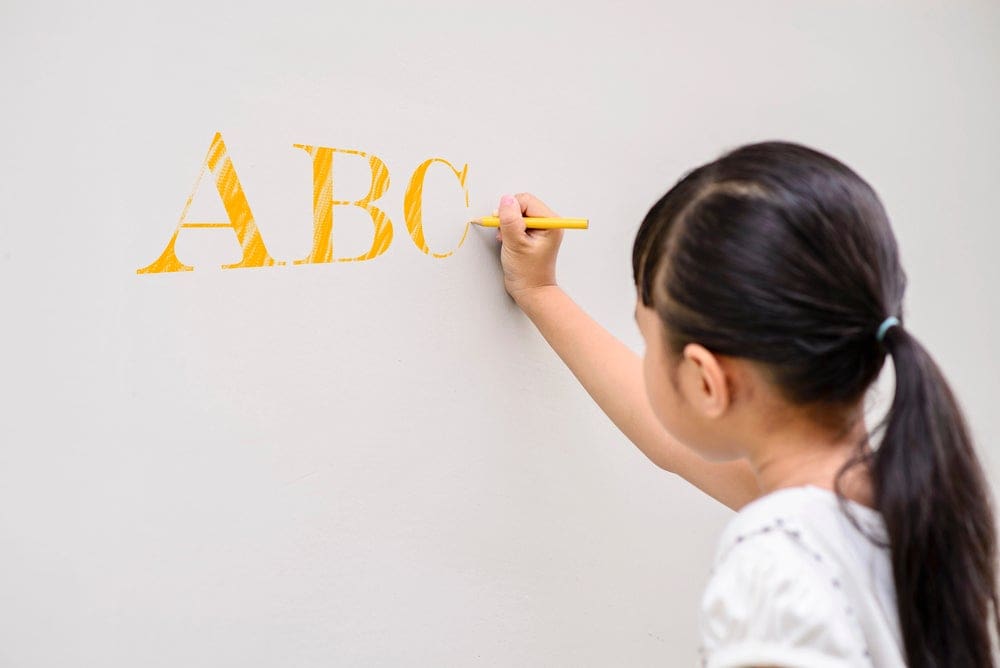
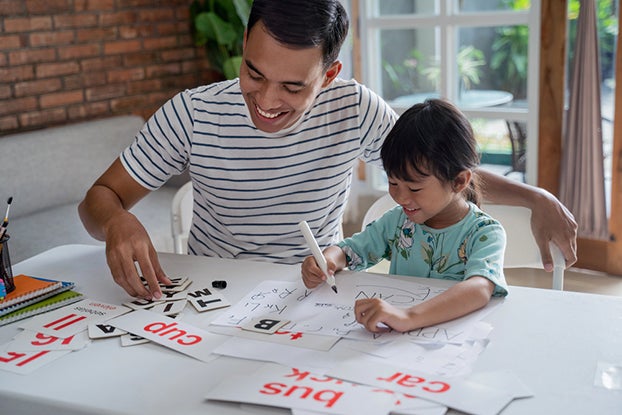
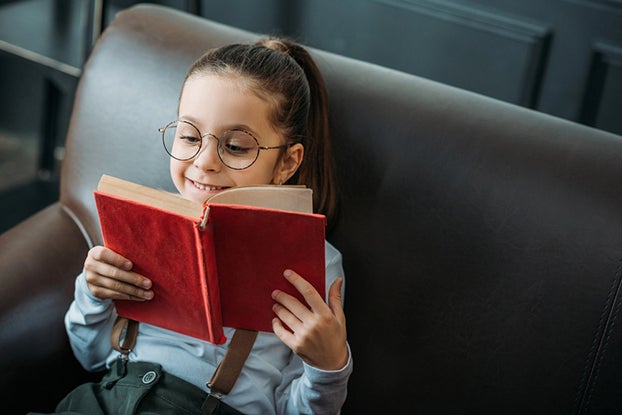
Some kids may instead prefer to learn by reading and writing. These sorts of learners will gravitate toward written texts and lists, for instance.
How to Teach This Way
To help reading/writing learners thrive, try:
- Encouraging journaling, summaries, essays, and note-taking
- Including a lot of textbooks, articles, and handouts
- Asking the child to rewrite lessons in their own words
- Using bullet points, outlines, and graphic organizers
Kinesthetic

The last type of standard learning style is called kinesthetic learning. Kinesthetic learners absorb information easiest when they are moving their whole body (like dancing or running).
How to Teach This Way
Engaging kinesthetic learners is an active endeavor. Here are some tips:
- Add physical action and movement to the lesson
- Do hands-on projects
- Incorporate brain breaks to allow kids a chance to move around
- Encourage children to act out lessons
Other Learning Styles for Kids
Even though visual, auditory, reading/writing, and kinesthetic learning styles are the most common, there are a few more styles some kids might prefer. These styles can sometimes overlap with the four standard learning styles above.
Tactile
Ever hear of a hands-on learner? Tactile learners best engage with material using their sense of touch. This type of learning is often grouped with kinesthetic learning, but tactile learning differs because it focuses on fine motor skills rather than whole-body movements.
How to Teach This Way
Engage a tactile learner by:
- Including manipulatives, hands-on activities, movement, and physical objects to underscore lessons
- Building models, conducting experiments, and using manipulatives
- Allowing the child to use sensory tools like fidget toys during lessons
- Including note-taking, movement, drawing, field trips, or any other activities that involve touch
Logical
Children with a logical learning style are methodical learners who need to analyze, problem solve, and recognize patterns as they’re learning. These learners understand best using logic and reasoning.
How to Teach This Way
Here are some tips for teaching a logical learner:
- Create a learning routine and use planners
- Set goals and use goal-oriented activities, lists, and schedules
- Use charts and diagrams, patterns, numbers, and systems in lessons
- Include activities that involve problem-solving
- Break down problems into smaller parts and show how they connect
Social

Whereas some kids learn best by themselves, not so for social learners. These types of learners learn best in groups.
How to Teach This Way
When teaching a social group of learners, be prepared for a lively room. To best support them, try to:
- Include group and collaborative projects
- Include peer review and teaching
- Role-play and model behaviors and skills for learning this way
- Set up a clear communication process
- Try flipping the classroom, where children learn at home and discuss it in school
Solitary
The opposite of a social learner is a solitary learner. These types of learners are at their best when learning alone.
How to Teach This Way
You can support a solitary learner by:
- Providing a quiet study area
- Limiting distractions
- Setting up breaks where your child can stretch their legs or go outside
Why Knowing Your Child’s Learning Style Matters
Motivates
When you know your child’s learning style, you can optimize your teaching so they can absorb information more quickly. This will, in turn, motivate your child to learn more.
Helps Build Confidence
Of course, if your child has an easier time understanding information and gets positive feedback, they will have more confidence.
Reduces Frustration
When your child starts to get frustrated with a certain task, switching to a different learning style might ease their frustration and possibly even allow them to experience a breakthrough.
How to Identify Your Child’s Best Learning Style
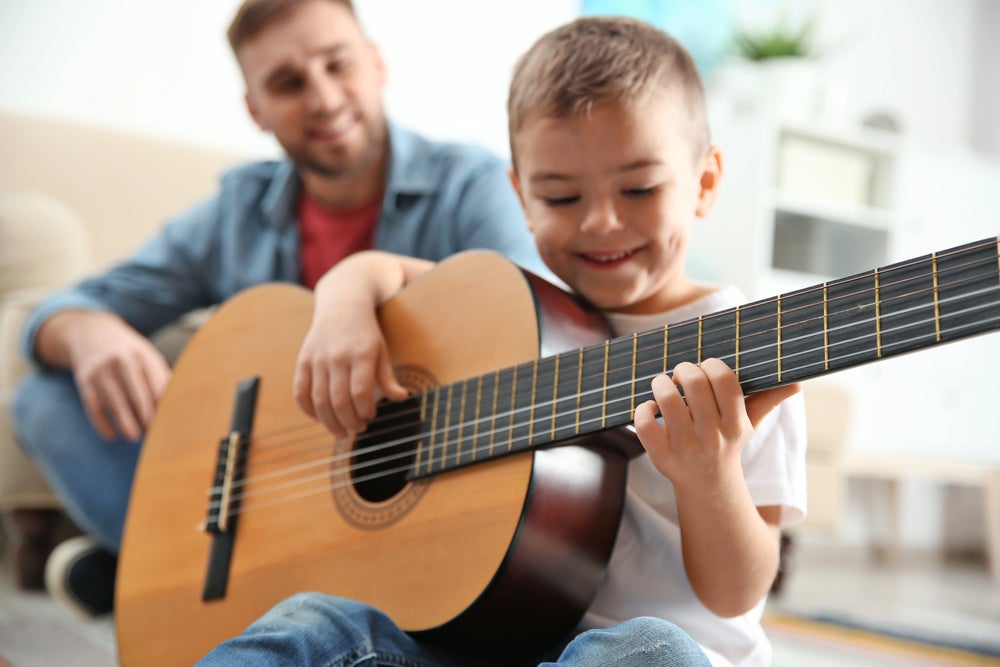
Now that you know the different learning styles and their benefits, it’s time to determine the best learning style for your child. Here are some ways you can do this.
Observe
As your child goes about their day, note their actions and interests. How do they approach new activities? What do they get excited by? Even the toys they play with can point to a favored way to learn.
And it’s not only the good that you should take note of. If something frustrates your child, it may be an indicator of an incompatible style of learning.
Talk to Your Child’s Teacher
You can also reach out to your child’s teacher for insight into what learning style might work best for them. Teachers can give additional perspective from class projects and other interactions in an academic setting.
Look for Strengths
What your child is good at can also give a clue as to their preferred learning style. For instance, if they’re good at art, they may be a visual learner, while if they have musical inclinations, they may be an auditory learner.
Tips for Helping Your Child Learn
Introduce Your Child to Many Learning Styles
Even if you think you know your child’s best learning style, try out different ones to see how they respond. Then you can adapt your next lessons based on their reaction.
And keep in mind that some kids may have more than one preferred learning style. As we mentioned earlier, some of the secondary styles often overlap with the four main learning styles.
Create Learning Style-Specific Spaces in Your Home
Setting up your house with different learning styles in mind can also help your child become a better learner. For instance, you can make a reading nook, a station for toys and games, a fun zone for blocks and toys, a music corner, and an arts and crafts zone.
Include Real-World Experiences
Adding real-world experiences to lessons can really crystallize a concept for kids (and make a memorable afternoon!). For instance, if they’re learning about trees, take them to a park. If they’re learning about elephants, visit the zoo.
Stay Flexible
When you’re supporting your child’s learning style, be flexible. Learning preferences can change or might even depend on the subject. Check in with your child periodically to get their thoughts on their learning experience.
Learning with Begin
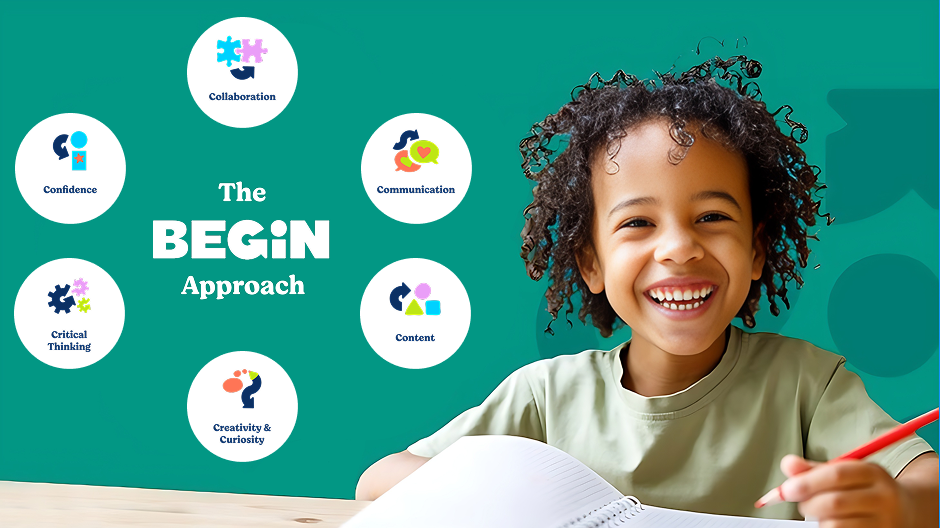
As you can see, how your child learns best is personal to them. Once you know their preferred learning style (or styles!), you’ll be more equipped to support their academic journey.
Begin offers a range of games and activities for all different sorts of learners to practice reading, writing, and even social skills. Choose from hands-on play like HOMER Explore Kits and our digital play-based programs.
Begin makes learning fun and interactive, engaging your child so that they can build the skills and confidence they need!
Frequently Asked Questions
Can kids have a mix of learning styles?
Yes, it’s common for children to have a mix of learning styles. For instance, your child could primarily be a visual learner but also excel with hands-on activities.
What is the best teaching style for kids?
There’s no one best teaching style, as the best teaching style will depend on the child’s best learning style. For a classroom of kids with a variety of learning styles, make sure lessons are fun and interactive by using lots of different methods of teaching.
Can my child’s learning style change?
Yes. As your child grows and has more academic experiences, their preferred style can change. In fact, they could even have a preferred style based on the subject they’re learning. As they’re exposed to different types of teaching, they may discover that they learn best in a new way.
Are certain learning styles better for specific subjects?
No. The best learning style is personal to the child, rather than a subject. A variety of learning styles is best for teaching, no matter the subject.