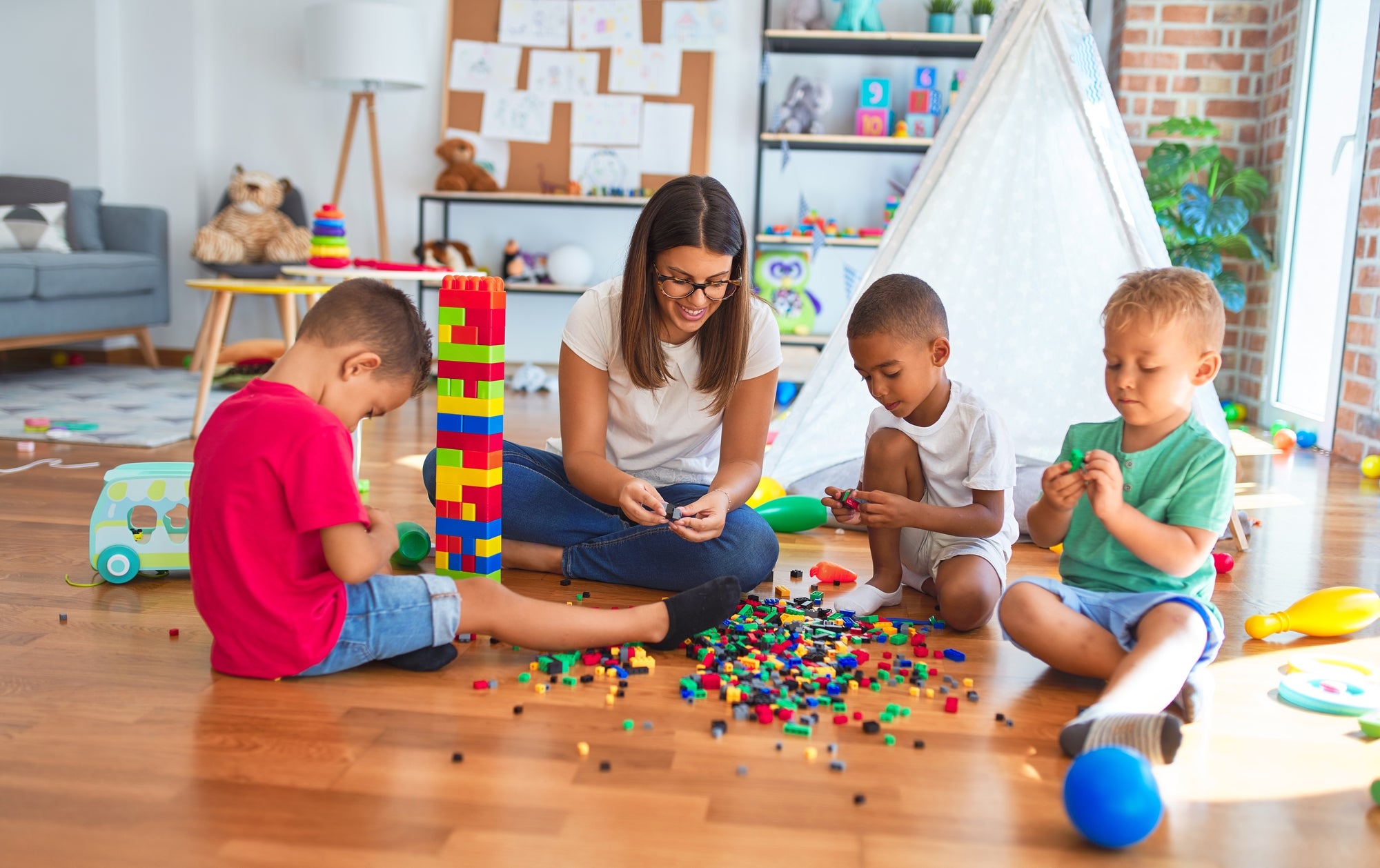
Parallel play is an important part of your child’s cognitive, social, and emotional development. But did you know that it’s just one of several stages of play that your child moves through during the early part of their life?
Each stage contributes something new to your child’s life experience, so it’s important to support their learning during these formative years.
In this article, we discuss parallel play, its benefits, and how you can encourage your child to engage in it.
Key Takeaways
- Parallel play is one of the six stages of play outlined in the book “Social Participation Among Preschool Children” by Mildred Parten. It refers to the stage when children play near each other but not with each other.
- Features of parallel play include playing side by side, exploring independence, and observing and emulating the other child’s activities.
- When playing in parallel, children also focus on themselves, rather than on the other child. However, as they do, they build social skills that will be necessary for cooperative play in the future.
- Parallel play benefits kids by building their trust, empathy, motor development, and sharing. It also helps children learn boundaries, develop language skills, increase their independence, and better regulate their emotions.
- You can encourage parallel play by providing your child with shared spaces and modeling parallel play. It’s also helpful to encourage their observation skills and allow them to set their own pace.
Table Of Contents
- What Is Parallel Play?
- Aspects of Parallel Play
- How Does Parallel Play Benefit Kids?
- How to Encourage Parallel Play
- Examples of Parallel Play Activities
What Is Parallel Play?
Parallel play is one of the six stages of play outlined by Mildred Parten’s 1932 publication “Social Participation Among Preschool Children” (which is still widely cited as the standard 92 years later).
The six stages are:
- Unoccupied play (birth to 3 months): Unoccupied play is the first stage of play, when babies learn about movement and wave their legs, hands, arms, and feet.
- Solitary play (3 months to 2 years): Solitary play is the next stage of play, when children engage in sensory and environmental exploration on their own.
- Spectator play (2 years and older): Spectator play, or onlooker play, is when your child watches another child play, though they typically do not join in.
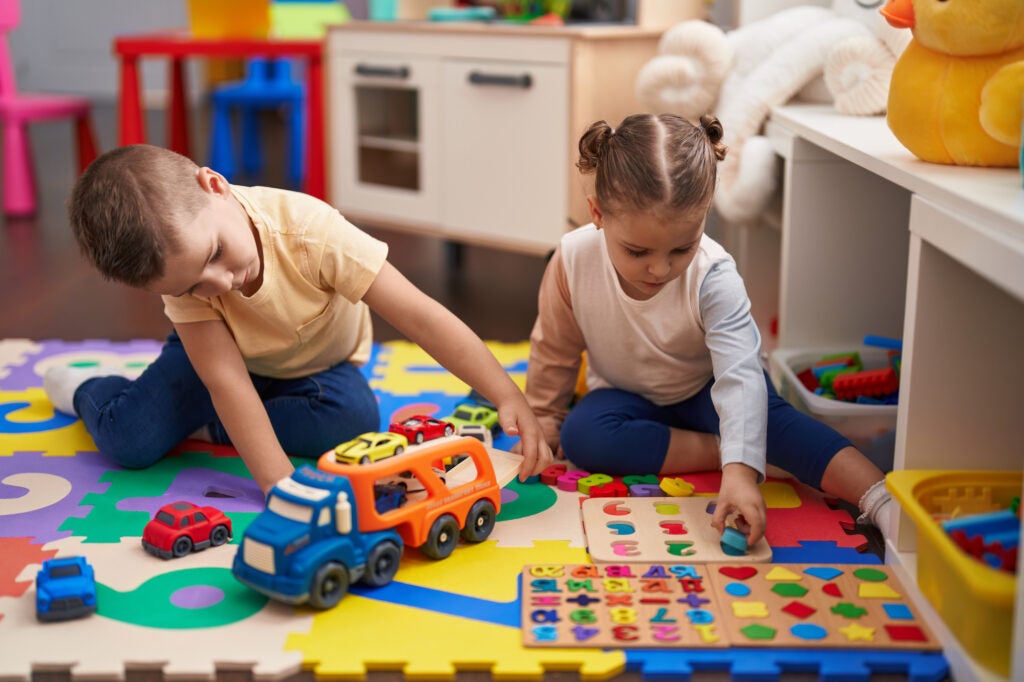
- Parallel play (2 years to 4 years): Parallel play is when children play independently, yet do so side-by-side.
- Associative play (3 years to 5 years): Associative play is the stage of play when children play together as a group and talk about the activity they’re all involved in. They share toys, but they don’t have a shared goal. There’s still a degree of individual play, although it’s a more sociable form of group play than in parallel play.in an unstructured way.
- Cooperative play (5 years and up): Cooperative play is when children start truly interacting as they play and they have a shared goal, for instance, building a block tower or fort, or role-playing with dolls together.
As we said, in the parallel play stage, children may play near each other but not with each other. They may be using the same toys or materials, but each child is doing their own thing.
In many ways, parallel play is a combination of solitary play and spectator play because Child A plays by themselves while observing and reflecting on what Child B is doing.
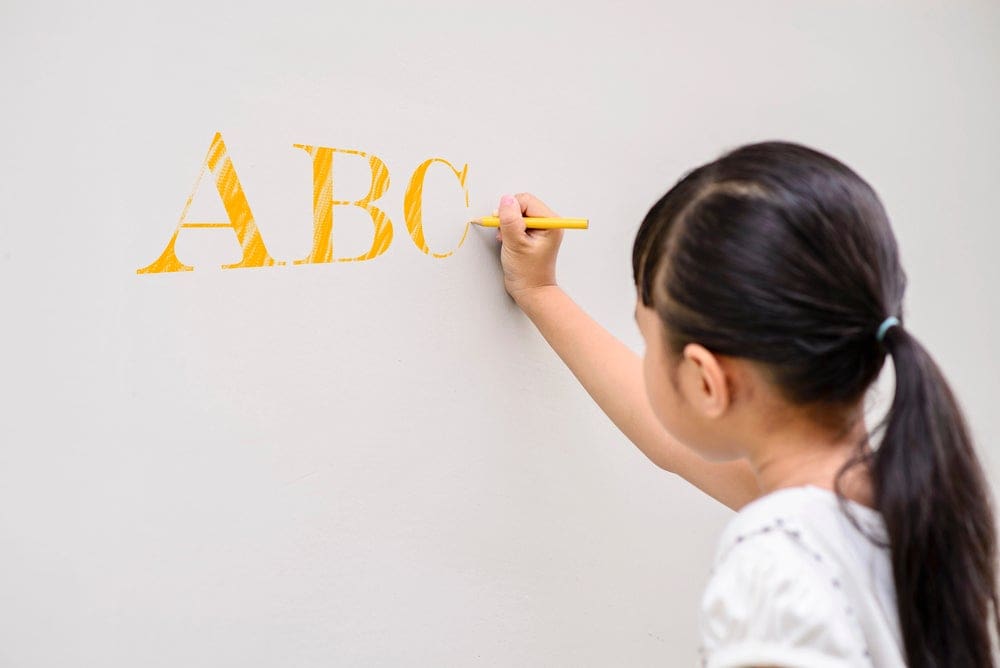
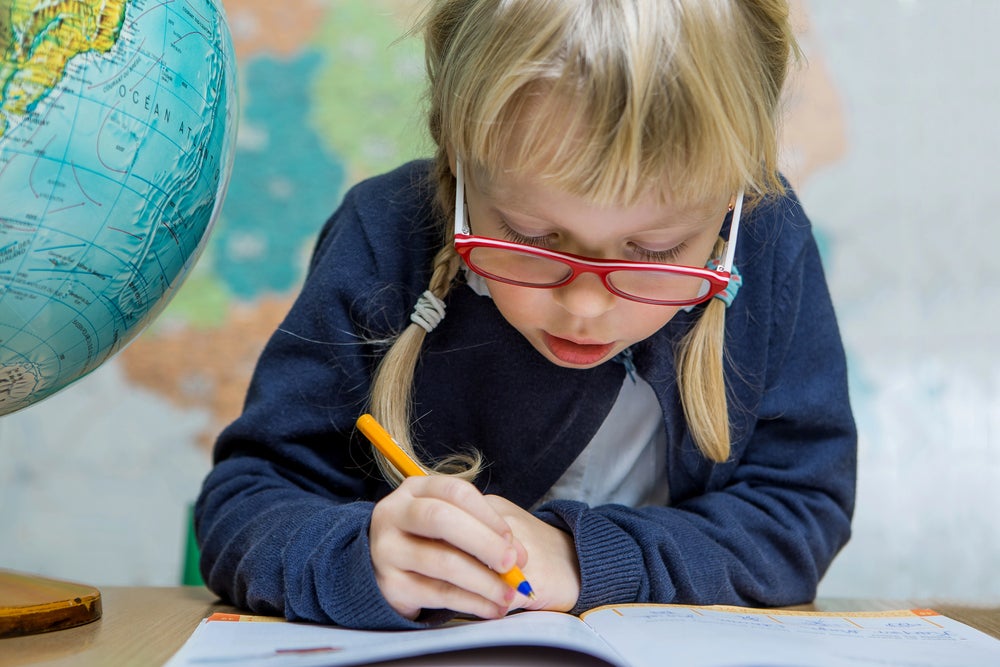
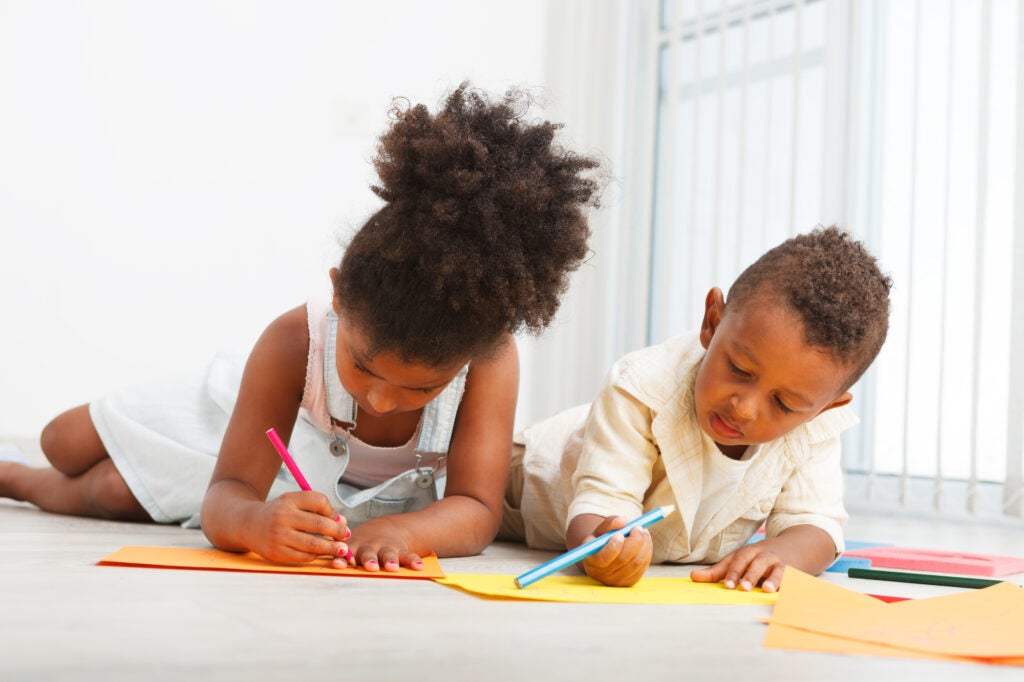
One of the simplest examples of this type of play is coloring together at the same table. Each child colors their own picture without directly interacting, but either or both may occasionally glance at the other’s work to see what’s going on.
Another example might involve two children playing with blocks in the same general area as each other. The two build separate structures but also spend time observing each other’s creations and even adopting different techniques without directly collaborating.
Aspects of Parallel Play
Now that you know what parallel play is in general, let’s take a deeper look at the specific aspects of this style of play.
1) Exploring Independently
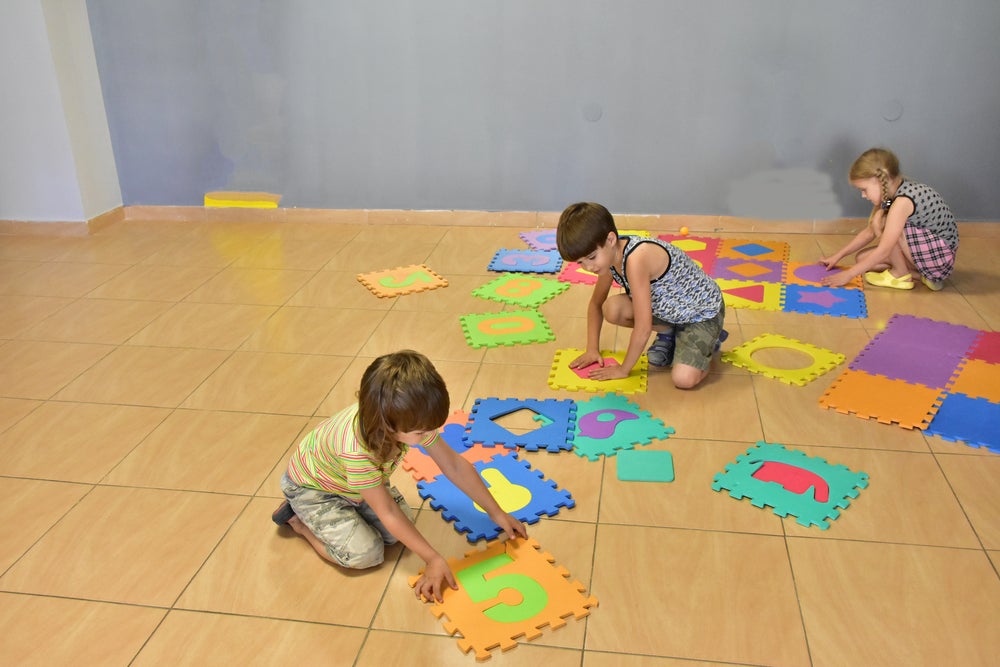
When participating in parallel play, each child explores the activity independently rather than collaborating or engaging with the other child.
2) Observing and Emulating
Just because each child plays on their own doesn’t mean they’re unaware of the other child and their activities. When playing in parallel, each child may observe and mimic or emulate the other child.
3) Self-Absorption
Another feature of parallel play is self-absorption. Each child is absorbed in their own world rather than one that could be built together, and that’s OK! This is completely normal.
4) Growing Social Skills
Although it may not feel like it, when children play in parallel, they are gaining important social skills. When your child is calm and comfortable alongside another child, they develop the skills needed for group play, communication, and empathy.
How Does Parallel Play Benefit Kids?
Trust
Before the age of two, the majority of your child’s socialization often occurs in the home — and often with adults. Parallel play generally (but not always) accompanies your child’s first extended interactions with other children their age.
Playing near, but not necessarily with, other children can help your young get comfortable with other people and develop trust that it’s OK to interact with them.
Empathy
During parallel play, your child observes several different aspects of the activity, including:
- How their peers play
- How their peers act
- How their peers feel
This latter observation can help your child start to understand the cause-and-effect relationship between actions and emotions and how they affect others.
For example, imagine that your child is engaged in parallel play with another child and both are building their own block tower. If the other child uses their last block, gets excited, and celebrates their success, your child may take part in the excitement as well.
Similarly, if the other child’s tower falls down and they begin to cry, your child may share in the upset and begin to cry as well. This is the start of showing empathy.
Motor Development
Parallel play can also help your child develop new motor skills. Children use their fine and gross motor skills to do a whole range of activities, from building block towers and completing puzzles, to walking, running, jumping, and lifting.
Observing what others are doing while playing side by side can give your child new ideas.
For example, they may see another child hold a block a certain way that makes it easier to stack on top of other blocks. Your child may then try to imitate that method of holding things, thereby developing new types of motor skills.
Sharing
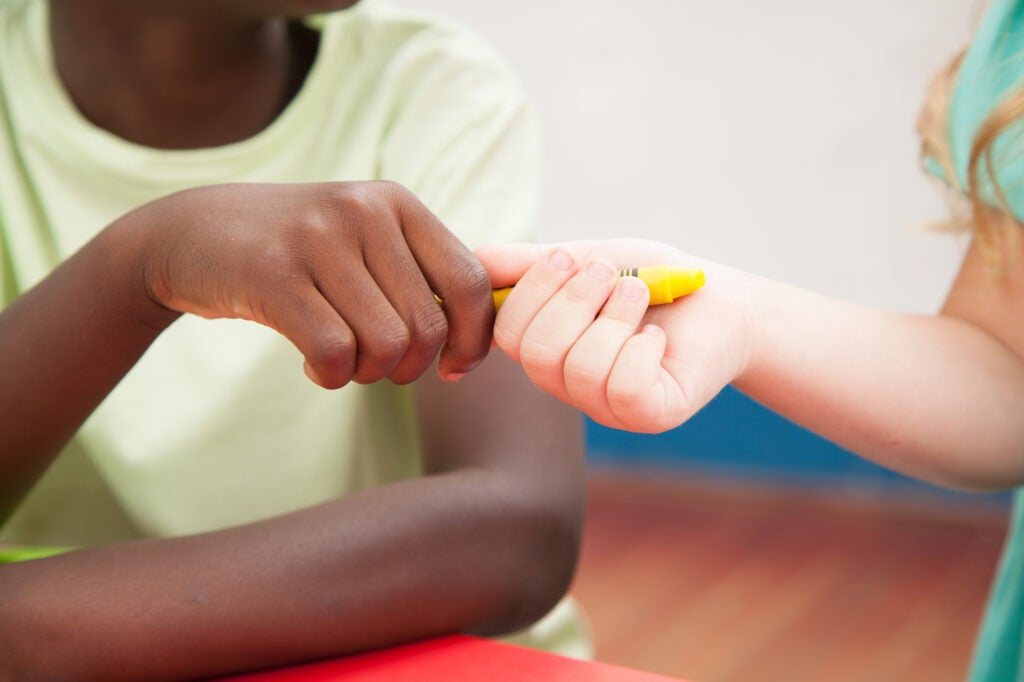
Sharing starts to take shape during parallel play.
While your child is playing with blocks near another child who is also playing with blocks, they’ll likely be using the same materials from a larger community pile. That’s the foundation that leads to your child sharing their toys with others.
Similarly, your child is sharing physical space with the other child, so it’s a good exercise in spatial awareness and figuring out what distance is acceptable and what distance feels too close.
Boundaries
By sharing the same materials and space with other children during parallel play, your child learns to set boundaries that will become useful in the latter stages of play and development.
If another child takes one of your child’s blocks, they’ll have to decide if that crosses a boundary. Similarly, if the other child gets too close to your child, they’ll have to decide how they feel about that level of closeness.
They may be OK with it or they may not, but the process of experiencing these feelings can help your child develop the boundaries they’ll need as they grow.
Language
The proximity to other children their age during parallel play can help your child develop the roots of language and communication. They also learn new vocabulary and gain better listening skills.
For example, they can practice language skills and conversion manners such as please, thank you, and may I. Similarly, if other children are communicating, your child may be more inclined to imitate their words and actions.
Independence
Parallel play is also effective at helping your toddler continue to develop their own sense of independence. By playing side-by-side, but not necessarily with, another person, your child is free to explore their own interests.
Emotional Regulation
The close proximity and shared resources that come with parallel play can help your child practice managing feelings and thus develop emotional regulation.
They’ll have to decide how they’re going to respond to others in their space using the toys that they might consider theirs. Will they be angry about that? Will they be happy? Will they be sad?
Since kids at this stage can’t necessarily figure out coping strategies on their own when they experience big emotions, parallel play gives them a chance to learn from trusted adults as you help them navigate situations that may come up.
How to Encourage Parallel Play
There are lots of ways to encourage parallel play at home. Let’s take a look.
Plan Playdates
If you want to encourage parallel play, set up frequent playdates with your child’s peers. This way, your child can practice this style of play while you supervise and encourage them.
Provide Shared Spaces and Toys
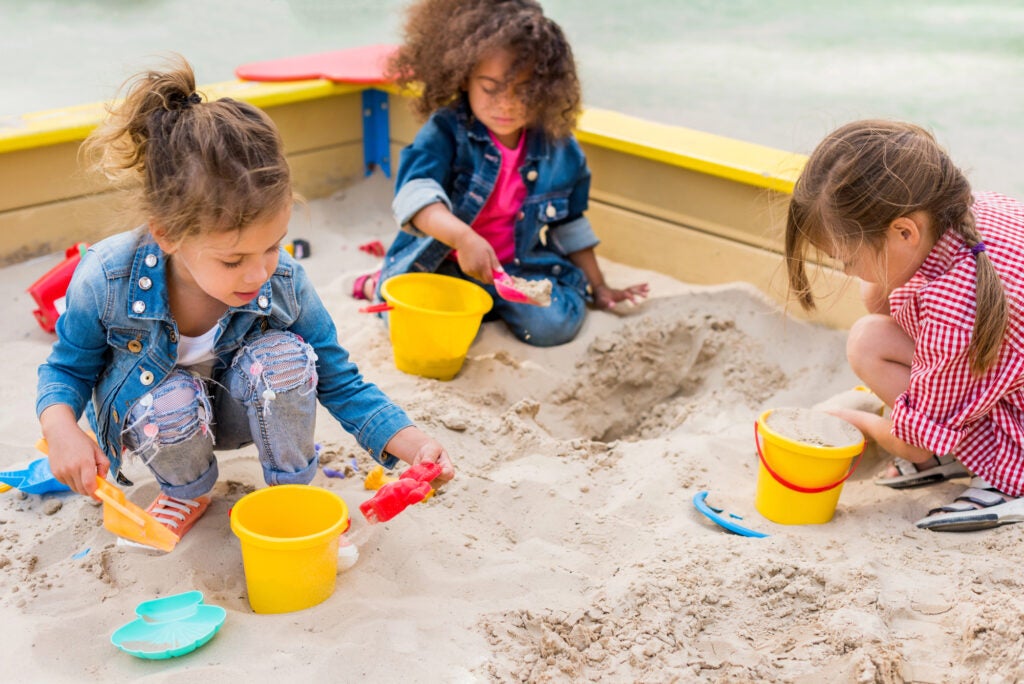
To encourage parallel play, create shared spaces where young children can play near each other with “community” toys. Your shared space may be a room in your house, a corner in your apartment, or a sandbox in your yard.
Then, within those shared spaces, make sure there are plenty of materials to go around: piles of blocks, boxes of crayons and different things to color, multiple types of art supplies, or enough sand toys for two or three kids.
Those shared spaces and toys allow young children to play in their own way.
Model Parallel Play Behavior
An effective way to encourage parallel play in your child is to model the behavior alongside them.
When they’re playing by themselves, sit down beside them and play by yourself. Build a block tower. Color a picture. Play with toy cars. Doing this demonstrates to them that it’s possible to play independently while still being part of a group.
Keep in mind that your child’s solitary play may change to spectator play (and back to solitary play) as they see what you’re doing.
Encourage Observation
Observation and language are two important components of parallel play. You can encourage both by asking your child to watch you (or their peers) and discuss what they see.
This doesn’t have to be complicated. Simply saying something like, “I noticed you used red for the color of your dog. I used blue!” or “What do you notice about how our pictures are different?” can reinforce both observation and language.
Respect Individuality
Above all, remember that your child has their own pace and comfort level with social interactions. Do your best to respect their individuality, foster a sense of security, and allow them to engage in parallel play without forcing any interactions.
Examples of Parallel Play Activities
Building with Blocks
Get a large set of building blocks and set up two stations where each child can start building their structures. One child may choose to erect a skyscraper, while another decides to construct a barn for their farm animal figurines.
Although they’re playing side by side, their projects are individual.
Coloring or Drawing
Coloring and drawing are other good options for playing in parallel. Set out two large sheets of paper or coloring books and a whole lot of crayons.
Each child can then work on their own masterpiece in their own style. When they observe each other’s work, they’ll get new ideas and inspiration.
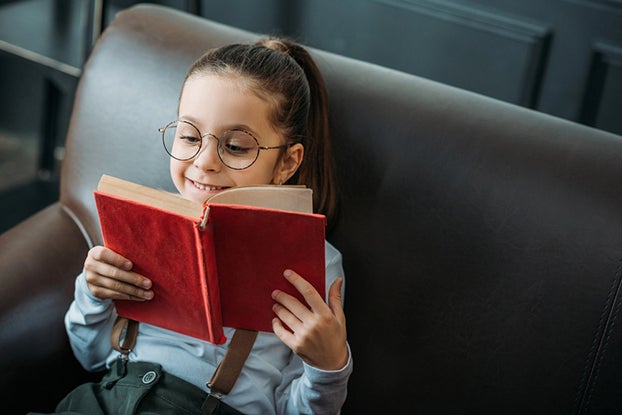
Reading Picture Books
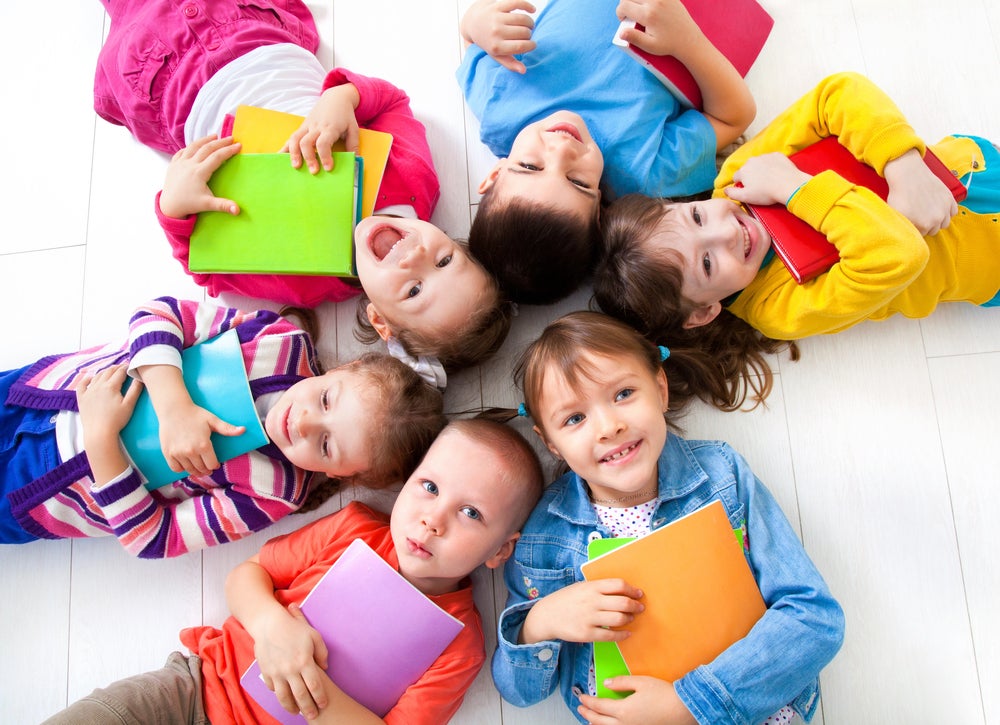
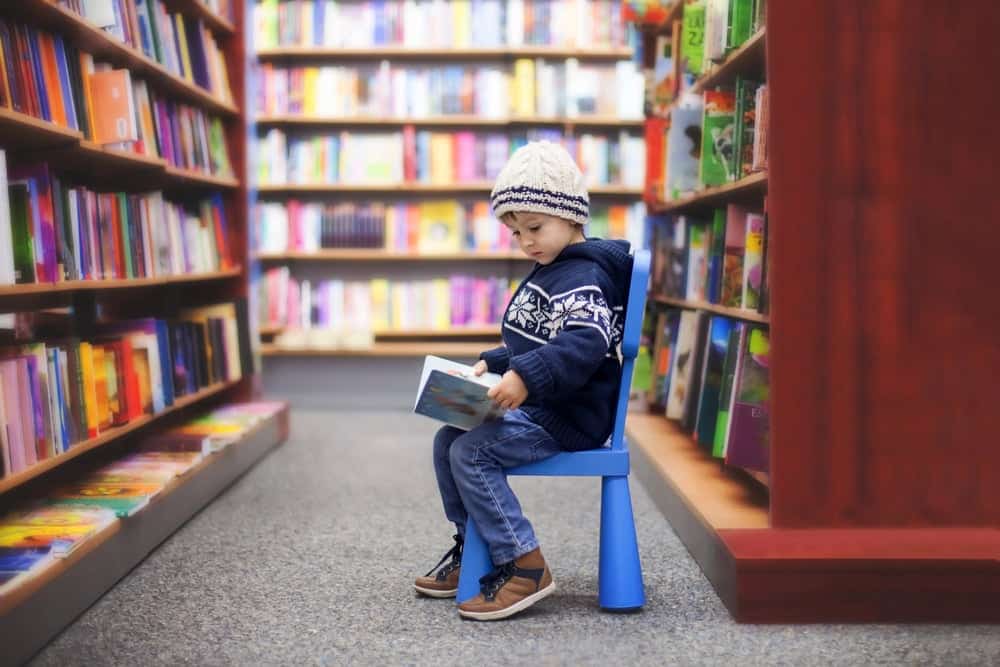
Another beneficial parallel play activity is reading. Each child selects a book from the shelf and then finds a comfortable place to settle in and turn the pages. Side by side, they can go on their own literary adventures!
Playing in the Sandbox
The sandbox, too, is a great spot for engaging in parallel play activities. Provide toys like rakes, pails, scoops, and sifters, and let the kids have at it! They can pick out their tool of choice and create their own castles, dig a hole, or rake the sand flat and even.
Playing at the Playground
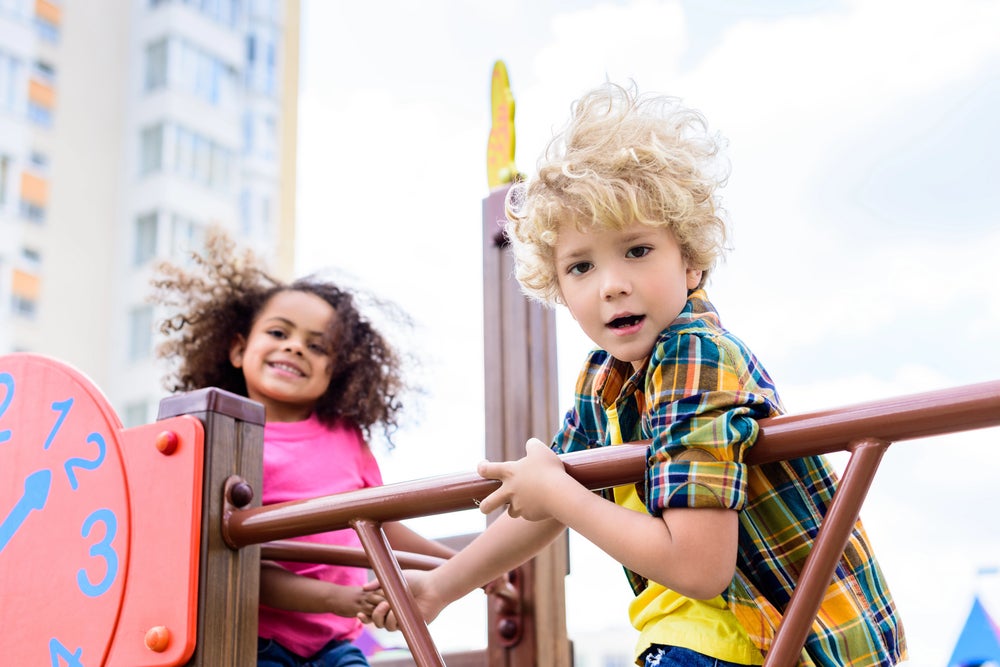
Playgrounds have long been a go-to for parallel play activities. While one child runs up the stairs and slides down the slide, another might hang on the monkey rings or swing across the parallel bars.
Riding Tricycles
Riding trikes together is yet another crowd-pleasing parallel play activity. Each child can put their feet on their pedals and take off down the park path. One might be a casual driver out for a Sunday drive, while the other is a NASCAR racer-in-training, each doing it their own way.
Playing Pretend
Every house has its share of dolls, stuffed animals, action figures, and things that go vroom. These items are gold for parallel play opportunities!
Put out all the options and let each child pick what they want. They can play out their own scenes side by side.
Doing Puzzles
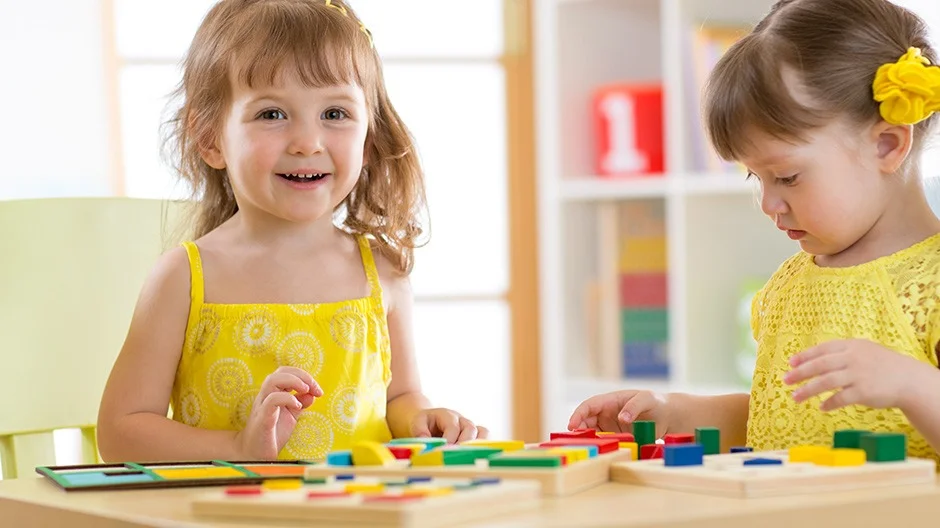
Puzzles are another popular parallel play activity. Each child can have their own puzzle and enjoy the challenge of fitting the pieces together. They can look to the other child for strategies as well.
Playing Musical Instruments
Parallel play with musical instruments is less about a duet and more about two solo artists going at it alone. If you have a piano, each could play on one side of the keys, or if you have several instruments, one might play the triangle, while the other blows into the recorder.
This way, they’re both getting a greater appreciation of music and practicing their independence.
Support Parallel Play with Begin
One way to support parallel play — and all the stages of play — is with the Begin series of learning resources. At Begin, we want to help your child succeed in all stages of play and all areas of life. Take our age- and stage-matching quiz to discover just the right exercises, games, and activities for your child.
For more information on everything we offer and why families love learning with Begin, visit BeginLearning.com today.
Frequently Asked Questions
What is the adult version of parallel play?
Although parallel play is a stage of development for kids, it’s similar to the adult practice of sharing space with another person while engaging in an independent project or activity.
Working side by side can strengthen a relationship, providing connection while fostering independence.
Is parallel play a form of avoidance?
No, parallel play is not a form of avoidance, isolation, or social withdrawal. Instead, it’s a healthy stage of social development for toddlers. Although it can look like avoidance from an outside eye, kids learn and grow by observing one another while playing side by side.r and why families love learning with Begin, visit BeginLearning.com today.