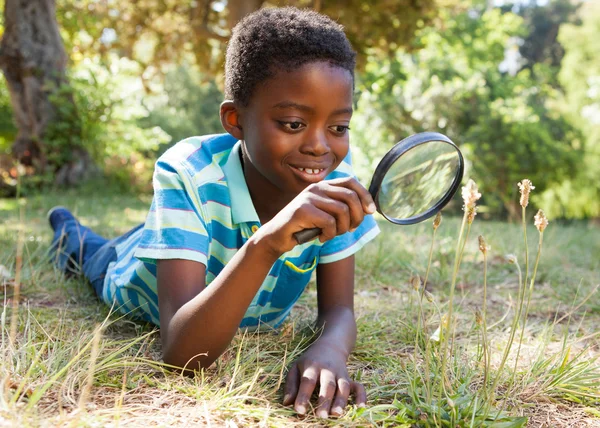
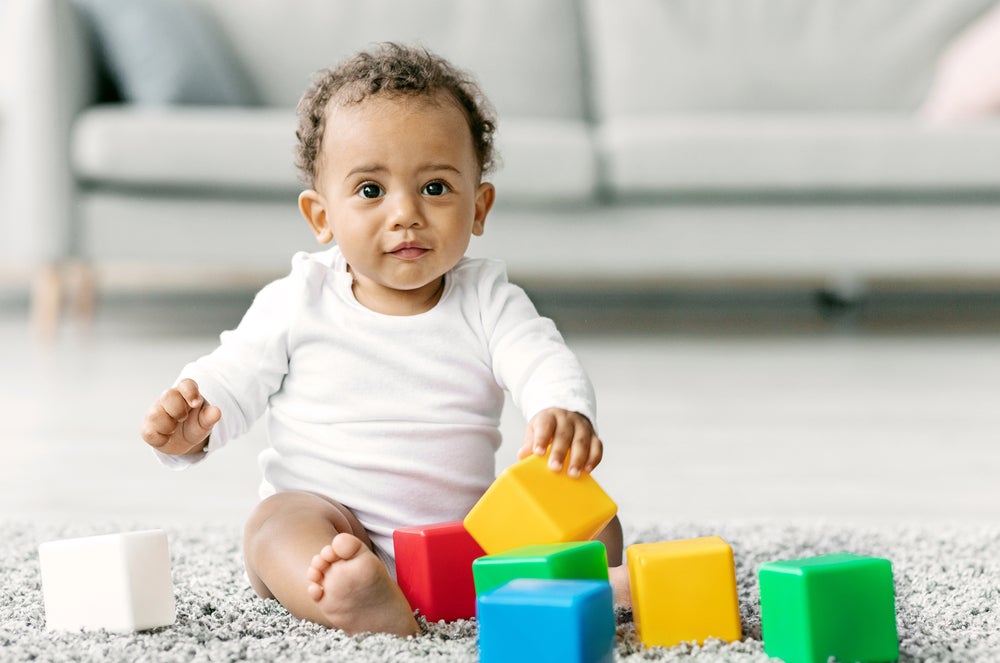
Solitary play is an important developmental activity. Children need time alone to think, create, and explore. Sometimes they seek it out on their own.
Playing alone helps build kids’ independence and imagination. It also allows them to figure out who they are and who they are becoming. An exciting process for them and you!
In this article, we’ll explore what solitary play is, why it’s so important for your child, and what kinds of activities to offer depending on your child’s age.
Key Takeaways
- Solitary play develops creativity and curiosity, which are part of the research-based 6Cs at the heart of the Begin Approach to helping kids thrive in school and life.
- Solitary play is one of the six stages of play, typically occurring between the ages of three months and two years.
- Kids may sometimes find joy in solitary play throughout their childhood.
- Solitary play builds independence. It also teaches self-regulation, problem-solving, and persistence.
- Examples of solitary play include reading books, stacking blocks, assembling a puzzle, and engaging in pretend play.
Table of Contents
What Is Solitary Play?
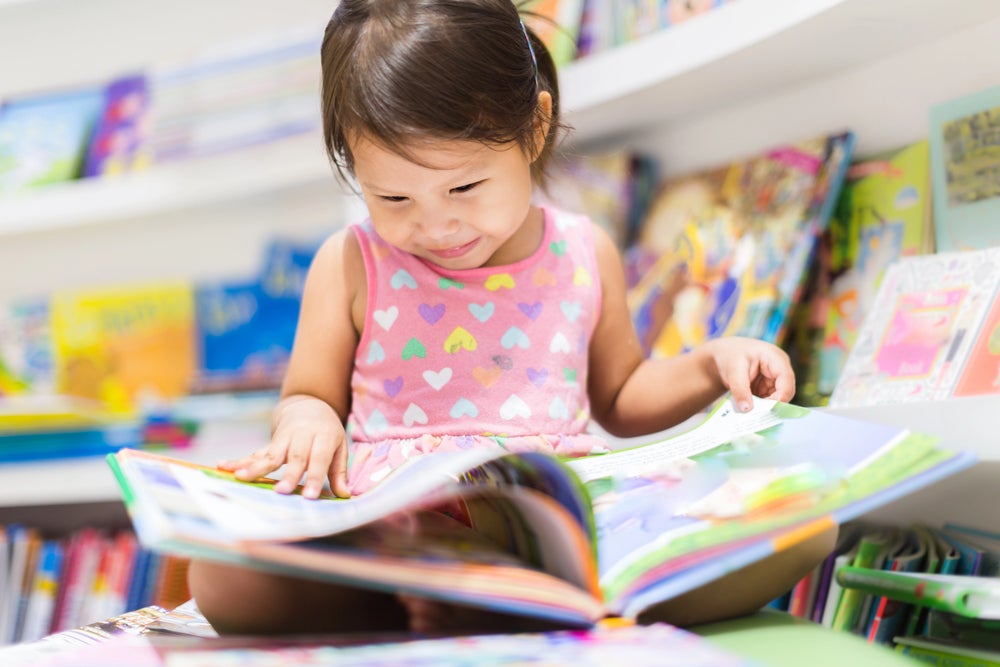
Solitary play (which is sometimes called independent play) is exactly as it sounds: when a child plays alone. It’s one of the six stages of developmental interaction, based on the research of sociologist Mildred Parten.
Children learn how to interact with others through a progression of play:
- Unoccupied play (birth to 3 months): Moving their arms, legs, hands, and feet as they learn about their body
- Solitary play (3 months to 2 years): Playing alone with the items around them
- Onlooker play (2 years and older): Watching other kids but not playing with them
- Parallel play (2 years to 4 years): Playing next to, but not with, other kids
- Associative play (3 years to 5 years): Starting to interact more with other kids while playing near them
- Cooperative play (5 years and up): Playing together with others, interested in the activity as well as who they’re playing with
Before this stage, your child doesn’t quite understand what to do with the objects around them. They’re more focused on learning about their bodies and the general world around them. But once they enter the solitary play stage, the things around them pique their curiosity.
When your child is in the solitary play stage, they’re interested in exploring and discovering by themselves.
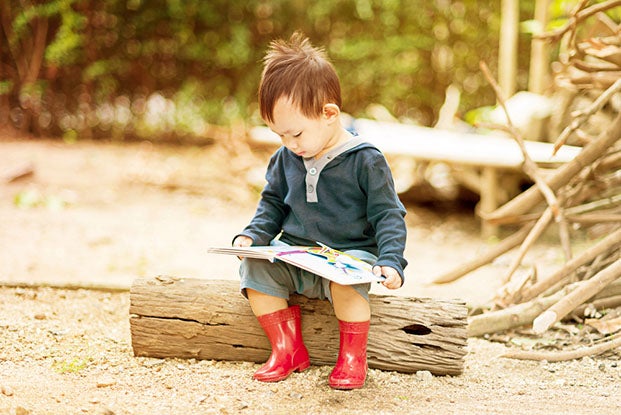
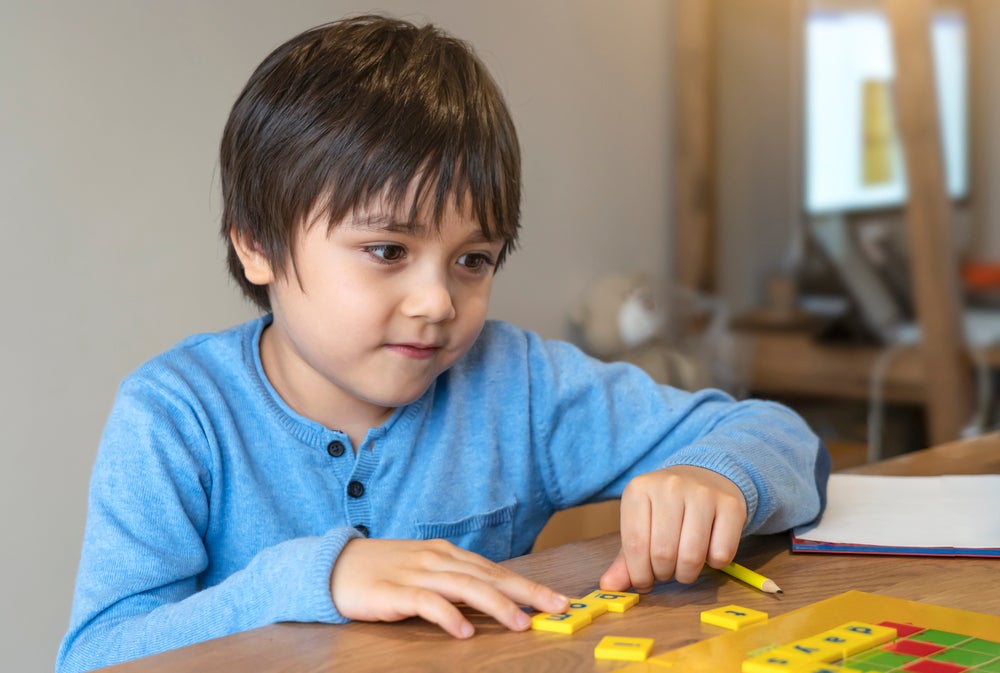
They might touch and manipulate everything in front of them. They might look at a book on their own or stack blocks. They might color or play make-believe with their stuffed animals.
Why Solitary Play Is Important
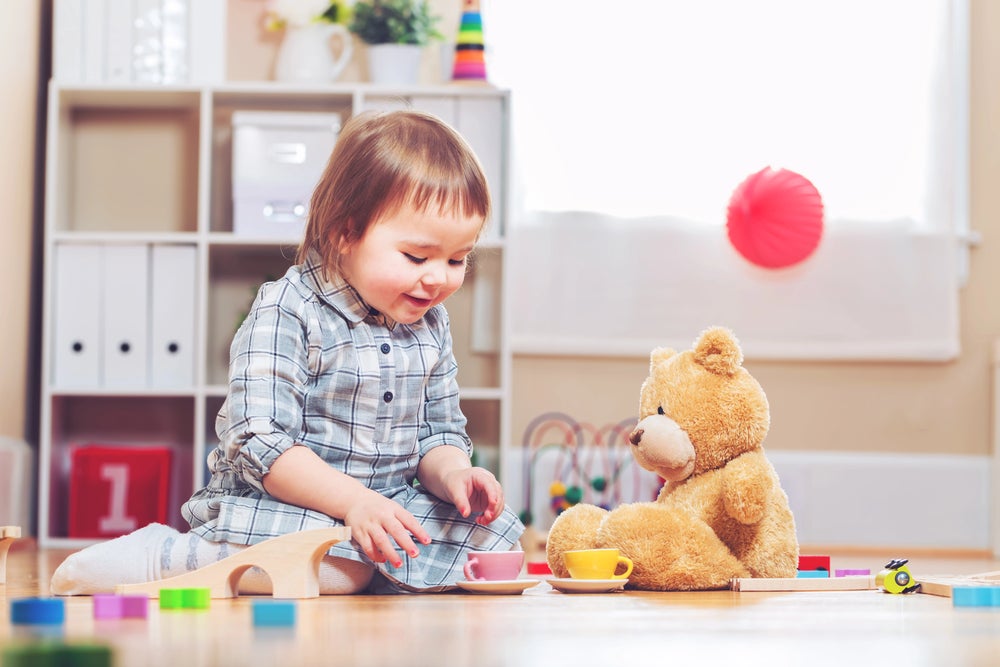
Through solitary play, your child begins to learn that they can do things on their own and discover a sense of independence. They figure out what they like and don’t like. Their sense of self grows.
Solitary play also boosts kids’ creativity and fuels their imagination. This leads to unstructured play, where anything is possible.
During solitary play, kids’ self-regulation also begins to take shape. When they’re in charge of what and how to play and when to stop, they have the opportunity to recognize their feelings and respond accordingly. For instance, they might get bored with a certain toy and decide to play with something else instead.
Finally, solitary play builds focus, teaches persistence, inspires creative problem-solving, and fosters curiosity.
Examples of Solitary Play by Age
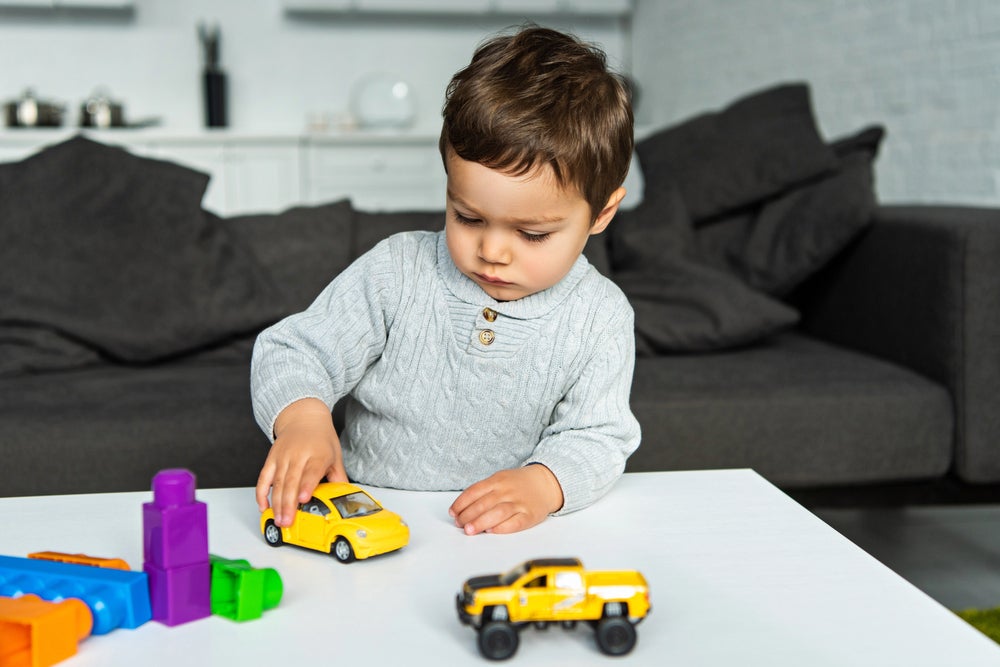
Although the solitary play stage typically starts appearing between the ages of three months and two years, that doesn’t mean kids stop playing alone once they’re two. It just means they might start incorporating other types of play as well. And as kids grow and change, so does their solitary play.
When babies play alone, they are often investigating objects. They might look at a book’s colorful illustrations or hold a stuffed animal and notice the way it feels.
A preschooler, on the other hand, engages in more functional solitary play, like running cars back and forth or stacking blocks. Through repetitive muscle movements, they’re building gross and fine motor skills.
A kindergartener plays independently in an intentional way that usually incorporates an element of pretend play. For example, they might create a castle out of blocks for their stuffed animals.
Here we break down age ranges even further and offer examples of activities you might want to set up for your child.
Infants (3 Months to 1 Year)
Babies don’t have the social skills or focus to play with other people, so once they become interested in play, they do it alone. Although their playtime window is small (usually between 5 and 10 minutes), when they do play, they are deeply engaged.
Activities
You might notice your baby exploring the toys you put in front of them in a bunch of different ways. They may put a book in their mouth, for example, or shake a set of toy keys. They are seeking and taking in sensory information.
Your baby might love staring at a mobile above them or even simply watching the world go by. Actively taking in visual information is part of solitary play at this age.
Toddlers (1-2 Years)
Once a child is a toddler, they may begin to show interest in playing with others, but some might still prefer to play alone. At this age, they may only stay focused for four minutes or they may play independently for as long as 20 minutes.
At some point during this window, your child will become mobile, so take the necessary safety precautions.
Activities
Playing with sensory bins is a great activity for toddlers. Place child-safe materials like sand or water in a shallow container. When you add cups, spoons, and age-appropriate toys, playtime turns into a search for treasure!
Stacking blocks is another great solitary activity for toddlers.
Preschoolers (3-4 Years)
The length of solitary play time at this age varies widely. Some kids may only be able to play alone for 10 minutes, while others may play more.
You may want to create an inviting space where your preschooler can express themselves in a variety of ways. Fill a corner or other designated area with materials for open-ended play, like art supplies, puzzles, dress-up clothes, and kitchenware.
Activities
You might see your child put together a puzzle on their own or draw a picture on a big piece of paper. They may set up a track and run a train around it. They may pretend to cook in their play kitchen. They may also begin to imagine relationships between different toys and play with them together.
Kindergarteners (5 Years)
Once your child is a kindergartener, they can engage in more symbolic solitary play in creative ways (use a block as a bed for their doll, for example). Non-prescriptive materials like blocks, cardboard boxes, sticks, fabric scraps, and plastic food storage containers will go a long way in their play.
Activities
Depending on the kind of play they’re doing, your child may stay focused for more than two hours at a time. They might read books or play imaginary games like “restaurant,” “doctor’s office,” and “school.”
You want to put together a few different “quiet bins” for your child to choose from, like one filled with stickers, scissors, paper, and colored pencils, or one filled with craft sticks and glue.
Ways to Play (with Begin!)
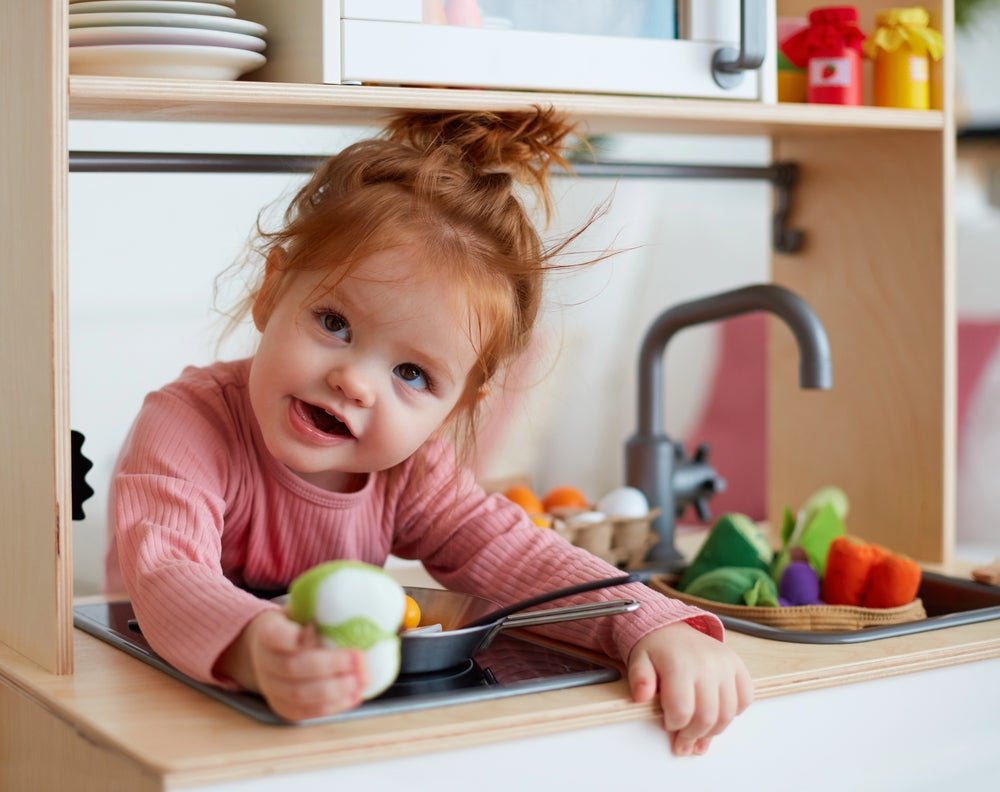
There’s nothing like watching your child play independently. You begin to see their personality emerge and preferences grow as they learn more about themselves.
Our HOMER app, designed to help your child learn to read, is perfect during solitary play. And Begin’s Little Passports kits can be enjoyed alone as well as with others.
Let playtime begin!
Frequently Asked Questions
What’s the difference between solitary play and parallel play?
Solitary play is when a child plays alone with no one else near them (except for a supervising adult). Parallel play, on the other hand, is when a child plays alongside others but doesn’t actually play with them.
Do children grow out of solitary play?
At around two years old, children typically spend less time playing alone and more on onlooker play (observing other kids while they play) and parallel play. But this doesn’t mean that solitary play will disappear altogether. It will always be an available option.
Is it OK if my child prefers to play alone instead of with other kids?
Yes, it’s OK! Children, just like adults, have different social needs and social engines. Some kids thrive when they’re interacting with others, and some thrive when they play alone. Is your child happy when they’re engaged in solitary play? If so, they’re doing just fine.