Bedtime can be challenging. Your child may want to play a little longer (“Just one more minute, please!”), and you may want to spend more time with them, too. But the minutes add up, and before long, it’s been an hour! A bedtime routine can change that.
To help you create a simple bedtime routine that works for your family, we’ve put together an example to inspire you, as well as tips to help make the process easier and (hopefully!) more successful. Here’s to a good night!
Key Takeaways
- A bedtime routine is a set of simple tasks that helps your child get their mind and body ready for sleep.
- A bedtime routine can help your child regulate their emotions and behaviors, and improve cognitive skills, too.
- A sample bedtime routine includes yoga, a bath, brushing teeth, reading, snuggling, and saying good night.
- Try to begin your child’s bedtime routine before they get too tired. Be consistent, but also flexible, create a comfortable sleep environment, and make sure you give your child some choices.
Table of Contents
- What Is a Bedtime Routine and Why Is It Important?
- A Sample Bedtime Routine
- Tips for Your Child’s Bedtime Routine
What Is a Bedtime Routine and Why Is It Important?
You know that feeling right after you leave your child’s bedroom at night? Holding your breath, worrying they won’t fall asleep? A bedtime routine can give you the confidence that they will!
This is a set of simple tasks that helps your child get their mind and body ready for sleep. It creates an organic wind-down and offers a sense of comfort because they know what to expect.
To create an effective bedtime routine, identify your child’s “need-to” tasks: taking a bath, brushing their teeth, and changing into pajamas, for example.
But don’t forget about your child’s “want-to” activities, too! These are relaxing moments that bring you a sense of connection. Reading a book together. Snuggling up in bed. Talking about the highlights of your day and what you’re looking forward to for tomorrow.
Establishing a reliable routine for your child improves their ability to sleep, for sure. But the benefits don’t stop there. It also supports their developmental growth, helping them better regulate their emotions and behaviors.
Sleep can improve cognitive skills, too, such as working memory, attention, and problem-solving.
A Sample Bedtime Routine

Sometimes seeing an example of something makes it easier to envision, so we’ve created a sample bedtime routine for you to explore.
1) Turn Off Tech
While tech can be a fun and educational way for your child to spend time during the day, it isn’t a great choice as they wind down for bed. The blue light from a screen makes it tough for their brain to release melatonin, a hormone that supports sleep.
2) Enjoy a Snack
If your child is hungry when they go to bed, they’re more likely to wake up in the middle of the night (and wake you up!) because they want a snack. Giving them something to eat at the beginning of their bedtime routine can help to avoid that scenario.
3) Do a Little Yoga
While you don’t want your child’s energy to ramp up before bed by running around, a little stretching and gentle movement can help their body transition from the high energy of the day to a quieter one at night.
4) Take a Bath & Put on PJs
Bathing before bed creates a simple, fun, and physical way for kids to relax. Try using soaps and shampoos containing calming ingredients like lavender.
If it’s rare to have your child contained in one place, take advantage of it! Sing songs together, make up stories, or talk about your day.
A useful bathtime side effect: if your child has any energy left, splashing in the bath is a great way to release it!
5) Brush Teeth
You can never start good dental hygiene habits too early. Depending on your child’s age, they may be able to brush their teeth independently, or you may need to help them. You can also try a “you brush first, and I’ll brush second” routine to make sure their teeth get clean.
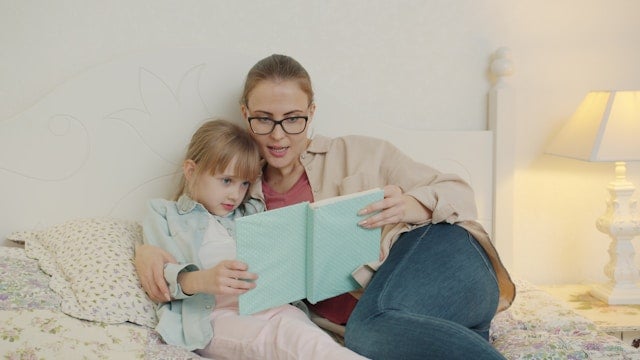
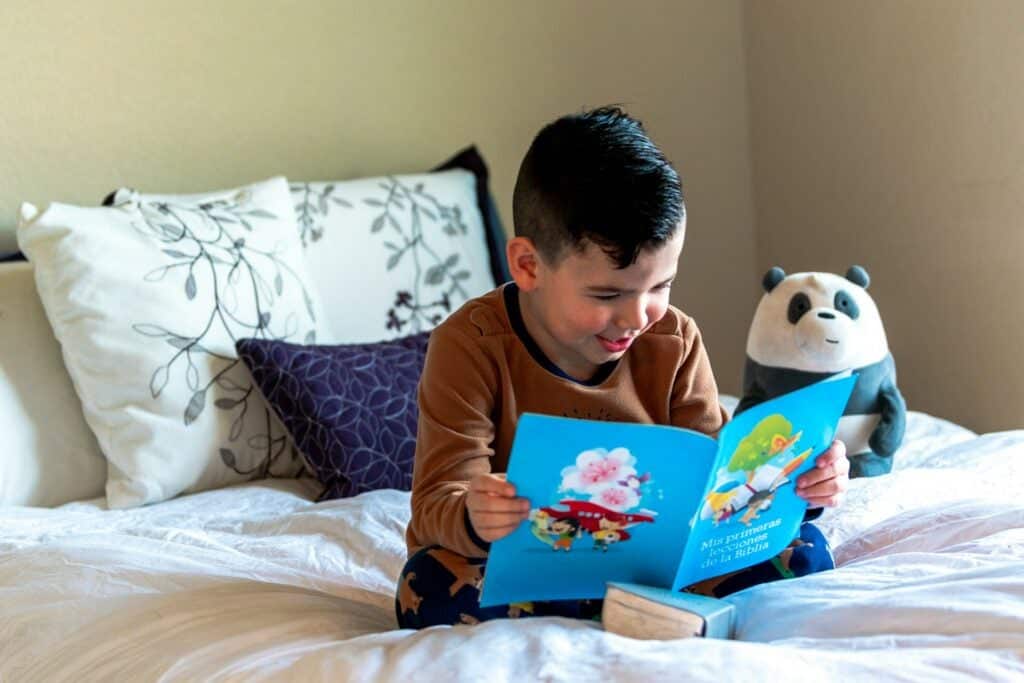
6) Read Together
Reading with your child expands their vocabulary, lays down a foundation for literacy skills, and builds empathy. It also strengthens the bond between you.
Decide how many books you’ll read ahead of time. You can do the reading, or you can take turns with your child. Read straight through or stop and ask questions along the way. Reading nurtures creativity, curiosity, and a sense of coziness.
7) Listen to Music
Playing a soothing song can signal to your child’s brain that it’s time to settle down for sleep. Try different songs, or stick with the same one every night. As long as the rhythms are slow and steady, any song can inspire relaxation and sleep.
8) Practice Gratitude
Reflecting on the day is a great way to relax. Ask your child about their favorite part. Tell them yours. This simple dialogue strengthens your bond and keeps you aware of your child’s experiences, feelings, and perspectives.
See if each of you can name something you’re grateful for or something you’re looking forward to for the next day. This practice helps your child release the day they just had and get ready for the one that’s coming.
9) Snuggle Up & Say Goodnight
Your physical touch helps your child feel secure. Snuggle up, rub their back, kiss them. Whatever you choose, try to make it calm and short. Say goodnight and then leave the room. Bedtime routine accomplished!
An idea to try: add a unique good night exchange as the last part of your routine. For example, you might say “good night,” and then your child might say “sleep tight.” This small call-and-response can help your child feel safe and loved as they head off to sleep.
Tips for Your Child’s Bedtime Routine

Begin Before Your Child Is Too Tired (and End Before They’re Asleep!)
Try to begin your child’s bedtime routine before they’re exhausted, or they may meet you with resistance and grumpiness. At the other end of the process, try to leave your child’s room before they fall asleep, which helps them learn how to self-soothe.
Be Consistent & Flexible
Doing activities in the same order and at the same time of day creates comfort for your child because they know what to expect. This is the best way to build a successful bedtime routine.
But you may also need to be flexible. If your day gets long, you might skip a task. You may choose to make the timing earlier (if your child is extra tired) or later (if they’ve got an evening event). Or you might stay with them when they’re sick.
Provide a Cozy Sleep Environment
Another way to maximize your bedtime efforts is by providing your child with a sleep environment that suits them. Some things to consider:
- Does your child like total darkness or a nightlight?
- What temperature do they prefer?
- Does white noise help them sleep, or do they need silence?
Give Your Child Choices
Your child will feel more invested in the routine if they’re part of the planning process. You might ask them questions like, “Do you want yoga or music? Which two books would you like to read?”
And if some part of the routine isn’t working for your child, don’t be afraid to change it based on their feedback.
Make Gradual Changes
Finally, if you’re going to change something in the routine (like shifting your child’s bedtime as they get older), do it slowly so they have time to adjust. But don’t worry if the transition is a little tricky. Any change can cause some disruption, and that’s perfectly normal.
Sweet Dreams from Begin!

We hope some of our bedtime routine ideas resonated with you and also inspired some of your own. Falling asleep after an intentional wind-down leaves your child feeling more rested and eager to face the day when they wake up. A day filled with curiosity, creativity, kindness, and growth!
Begin’s award-winning programs can support and reinforce all of that. Whether your child is learning to read with Homer, building social-emotional skills with Learn with Sesame Street, or coding with CodeSpark, we’d love to become a part of their daily routine!
Frequently Asked Questions
Is it OK to let my child sleep in on weekends?
Staying true to the bedtime routine is ideal, but sometimes changes are inevitable. Your family may have an event one evening, or you may go away on a trip. Just keep your child’s bedtime routine as consistent as possible.
What can I do if my child just won’t go to sleep?
If your child is having a hard time falling asleep, try to find out why. Are they afraid of something? Did something happen at school?
If you can’t troubleshoot the problem, leave the room, give them a few minutes to settle on their own, and then go back in to try again. Or give them some time to do a quiet solo activity, like looking at books, until they fall asleep.
If you feel like nothing is working, contact your pediatrician for help.
When is the ideal time to start a bedtime routine?
The younger your child is when you start a bedtime routine, the easier it is for both of you. But there’s no one right time. Do it when you feel ready. And don’t forget it’s OK to try, take a break, and try again later!