Getting ready for school involves lots of tasks that need to be done in a short amount of time. But with some preparation and simple strategies, you can calmly and efficiently move through the morning! In this article, we’ll share 25 tips to help you get out the door smoothly.
Key Takeaways
- A calm morning helps set up a calm day.
- Tasks done the night before school can make the morning less stressful. Unloading backpacks, making and packing lunches, and putting out clothes for the next day are a few ideas to try.
- Make the morning easier by creating a routine. Tips for making it successful include getting up on time, modeling a calm and positive tone, eating a healthy breakfast, and double-checking to be sure you’ve got everything before heading out.
- Encouraging independence, being patient, and giving your child a voice in the morning routine can all go a long way in creating a calm and positive morning.
Table of Contents
- Why a Calm Morning Is Critical
- Tips for Getting Ready for School the Night Before
- Tips for Your Morning Routine
- General Tips for Getting Ready for School
Why a Calm Morning Is Critical

The tone you set in the morning greatly influences the rest of the day. If you wake up already feeling like you’re a step behind, the day often unfolds with a frantic kind of energy. But if your day begins with an intentional breath and a quick mental check of the schedule, you’re on the right path!
The same is true for your child. They look to you for cues about how the morning will go. When you’re calm, they tend to be calm. And even if they wake up on the wrong side of the bed, maybe grumpy or maybe anxious, responding with patience can change their trajectory.
A predictable morning routine provides a framework for everyone, a clear map of the day to come. It allows your child (and you!) to feel safe and in control. It supports emotional regulation and offers your whole family time and space to connect in a more meaningful way.
Tips for Getting Ready for School the Night Before
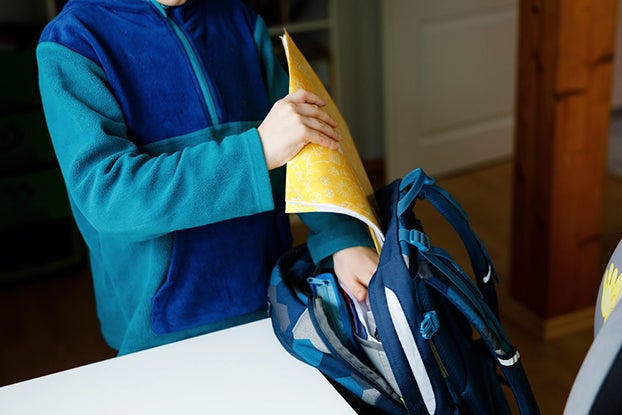
A calm morning starts the night before. With a little preparation and organization, you can set yourself and your kids up for a successful morning. Here are some tips to help.
1) Have a Place for School Things
When kids get home from school, their backpacks, coats, and shoes can easily end up all over the house. To prevent frantic morning searches, designate a spot for school things they can use as soon as they walk in the door.
This could be a cubby, a basket, a hook near the entrance, or in their room. It’ll take a few days for this to become a habit, so be patient and remind them until they remember to put their things in a designated spot.
2) Unload Backpacks Together
Once your kids have a designated spot for their school things, make it part of the after-school routine to unload their backpacks together. During this time, you can go through any papers that need to be signed or homework your child needs to do.
Have your child empty their lunchbox to avoid last-minute surprises in the morning, such as a smooshed banana or spilled yogurt.
3) Touch Base About the Day
Find a few moments before bedtime to chat with your child about their day. Be specific. You might ask them about a task at school that’s worrying them (“How was your reading group?”) or an activity they love (“How much of your painting did you get to in art class?”).
The conversation doesn’t need to be long. Giving your child the opportunity to share what’s important to them validates who they are. It tells them their experiences, emotions, and opinions matter. And it strengthens their communication skills.
An idea: during your child’s bedtime routine, before they fall asleep, talk about what you’re both looking forward to about tomorrow. You can even frame it as a gratitude exercise. Naming what you’re grateful for can be a powerful way to end the day!
4) Check the Calendar
Each evening, take a moment to check the calendar. What’s on the agenda for tomorrow? Does your child have soccer practice or a piano lesson? Is there a field trip or special event at school?
Knowing what to expect can help make the next few tips more effective.
5) Prep Lunches and Snacks the Night Before
Throwing together a last-minute sack lunch can add to your morning stress, especially if you’re trying to pack a balanced meal. Avoid this by prepping lunches and snacks before bedtime.
You can also involve your kids in packing their lunches for the next day. This will save you time and give them ownership of their meal, making it more likely they’ll eat it.
A Kitchen Adventures Subscription from Little Passports by Begin can help build your child’s kitchen skills. And the kid-friendly recipes can add tasty variety to meals and snacks!
6) Plan Outfits in Advance
Ask your child to pick out their outfit for the next day before bedtime. They can organize everything they want to wear, including their socks and shoes.
If your child needs help selecting an outfit, give them two options. This way, they still have a choice, but you can ensure their clothes are weather-appropriate and suitable for the day’s activities.
7) Park Tech for the Night

After your child boosts their core skills by spending 15 minutes on the HOMER app by Begin, have them park their tech in a designated area away from their room.
This will help them wind down and prevent late-night scrolling, leading to a better night’s sleep. They’ll also know exactly where to find their devices in the morning, saving time and preventing frantic searches for misplaced gadgets.
8) Create a Bedtime Routine
Grumpiness and lack of sleep often go hand-in-hand. To make sure your child gets enough rest, establish a bedtime routine and stick to it, especially on school nights.
A simple bedtime routine is a series of actions designed to send a signal to your child’s brain and body that it’s time to slow down, calm down, and relax. It makes falling asleep easier. Some ideas to consider include:
- Having a snack
- Take a bath
- Getting into PJs
- Reading a book together
- Listening to soft music
- Singing a song
- Cuddling
Tips for Your Morning Routine

Now that we’ve covered some tips for the night before, let’s look at ways to start your child’s day with a smooth and stress-free morning routine.
9) Wake Up on Time
When do you need to walk out the door so that you’ll arrive on time? Once you know your exit time, you can work backward to determine when you and your child need to wake up. Estimate how much time your child needs to get ready, and add 10-15 minutes for unexpected delays.
Set everyone’s alarm accordingly, and make sure everyone gets out of bed when they should. Snoozing may be tempting, but it can throw off your whole morning routine and create unnecessary stress.
10) Get Yourself Ready
As a parent, it’s easy to put your needs last when getting your family out the door. But taking a few minutes to get yourself ready can make a big difference in how smoothly your morning goes.
Getting dressed, finding your shoes, and enjoying a cup of coffee or tea before the kids wake up can help you feel more in control and ready to tackle the day.
11) Create a Morning Routine
Create a simple morning routine your child can follow to help them stay on track. This could include tasks like:
- Brushing teeth
- Combing or brushing hair
- Washing face
- Getting dressed
- Making the bed
- Eating breakfast
Using a visual checklist helps your child feel prepared for what’s coming next. If your child isn’t reading yet, a picture for each step can help them be more independent.
12) Have Simple Breakfast Options
Breakfast is the most important meal of the day, but when you’re scrambling around trying to do a million things, it can be tempting to skip scrambling eggs too!
But try not to miss breakfast or resort to unhealthy options. Instead, try these quick and easy breakfast ideas that you can prepare the night before or very quickly:
- Toast with peanut butter and banana slices
- Overnight oats
- Smoothies
- Boiled eggs
- Yogurt with fruit and granola
13) Use Timers
Some children take their sweet time getting dressed or brushing their teeth. Try setting a timer for each task to encourage them to stay on schedule.
You could even implement a simple sticker chart where they can earn extra screen time or a special treat if they complete their morning routine on time.
14) Adopt a No-Tech Rule for Mornings
Mindful screentime is both educational and entertaining when it’s used the right way, but in the morning, it can turn into a slippery slope.
You tell yourself you’re going to check one email or your child wants to play “just one round, please,” and 20 minutes later, you both look up from the screen.
Those few distracted moments can set your schedule behind. Instead, try using tech as an incentive. Remind your child, “If you get all of your tasks checked off, then you have time to play.”
15) Establish a Go-To Activity
If your child finishes their morning tasks quickly and has free time before you leave for school, you might want to have a preplanned activity, ideally ongoing and one they can return to.
You could have a puzzle underway, or you could set up an art station (minus messy components like paint!). Your child might have a book they’re in the middle of reading, or as we mentioned above, this might be the right time for tech.
This kind of free-time routine reduces opportunities for your child to get distracted or engage in some activity you need to supervise.
16) Keep a Calm, Consistent, and Positive Tone
Your voice, body language, and energy play huge roles in shaping the energy of the morning. When you maintain a calm and positive attitude, your child is more likely to do the same.
This is important throughout the morning routine (a “Good morning, I’m happy to see you” goes a long way), but especially when you’re reminding your child of a task they need to do. Guide them instead of using pressure. And if you feel yourself getting stressed, stop and try to reset.
17) Make Mornings Fun
One of the most important things you can do to create a calm and peaceful environment during the before-school rush is to keep things light and fun. Try playing upbeat music as everyone gets ready or making a game out of your kids’ tasks.
18) Build In Connection Time
Connecting with your child in the morning strengthens your bond (literally building neural pathways that reinforce safety, trust, and love) and creates a natural pause, which allows you both to relax and recharge. And besides, it just feels good!
It doesn’t matter how you connect. You might talk about your goals for the day, hug your child, or, if you have time, read a book together. The important thing is that your child feels seen, even for a moment, before they make their way out into the world for the day.
19) Do a Double-Check
It’s human to forget things, especially on a school morning when it seems like a million things need to be done in the smallest amount of time. Try to take a few minutes before you head out the door to double-check that your child has everything they need for the day.
You and your child could make up a silly song about the lunchbox, books, special objects, and whatever else they need for the day. Or you may want to make a checklist that you post right by the door.
Another idea: you and your child might have fun creating a call-and-response game: “Got the bag?” “Got the bag!” “Got the book?” “Got the book!”
The few minutes it takes to run through the list is so much easier than realizing your child’s lunchbox is on the kitchen table once you’re halfway to school!
General Tips for Getting Ready for School

These final tips can make getting ready for school a smoother experience for your whole family.
20) Encourage Independence
One of the best ways to have a successful morning is to encourage your child’s independence. While it may initially be faster for you to do everything, teaching your child to get their breakfast or pack their backpack can save you time and make them feel more empowered.
21) Develop Gratitude
When the morning doesn’t go completely as planned, don’t let it throw you. Whether it’s a quick hug from your child or a beautiful sky on the drive to school, take a moment to appreciate the little things and start the day with a positive mindset.
Encourage your child to do the same by asking them to share something they’re grateful for each morning.
22) Be Patient
Remember to be patient with yourself and your child as you navigate your new morning routine. Don’t get discouraged if things don’t go smoothly at first. It takes time to develop a routine and adjust to new habits.
23) Give Your Child a Voice
If your child is resisting the morning routine, try to identify the specific cause. Maybe they can’t get out of bed at the time allotted on the schedule, or they don’t like the breakfast they’ve been eating.
While you can’t forgo those things (they have to get out of bed and they need a good breakfast), you can work with your child to alter them. Maybe you set the alarm earlier so your child has more time to lie awake in bed. Maybe you make a list of breakfast foods they do like.
If your child has a voice in creating the schedule, they’ll have more incentive to follow it. Just remember to choose a quiet time to have the discussion.
24) Look Deeper
Because each day is a repeat of the previous day, a routine makes it easier for you to see when something is troubling your child. Their timing on a task may shift. They may get frustrated by something they usually fly through. Or they might not be able to participate in the routine at all.
Unless you feel like it’s important to figure out what’s bothering your child in the moment, see if you can use your next bit of free time to sit down and sort it out together.
25) Keep Experimenting to Find What Works
Every family is different. You won’t find a “perfect” morning routine online. Experiment and try different approaches until you find what works best for your family.
It’s OK if your mornings don’t start like everyone else’s. Your routine only needs to work for you!
Start Your Mornings Right!

Getting everyone ready for school and out the door in the morning can be a peaceful (and even fun!) experience. For a successful morning routine, choose one or two of the above tips at a time and gradually incorporate them into your day.
With a few adjustments, you can start each day on a positive note. And remember, you aren’t alone. At Begin, we’re here to support your family every step of the way!
Our award-winning learning programs can help your child develop essential academic and life skills that will set them up for success.
Frequently Asked Questions
How do I motivate my child to participate in our calm morning routine?
If your child seems unmotivated or even unhappy with the routine, try to find the cause. Is one part of it bothering them? Do they feel like you’re “making” them complete these tasks? Are they tired?
Try discussing it with your child. If you can pinpoint the problem together, you can revise the routine to try to fix it. Once your child feels like their voice matters, they may be more willing to participate. If you can’t figure it out, you might want to reduce the number of tasks in the routine.
What do I do if my child isn’t a “morning person”?
Reduce the number of tasks you’re asking your child to do in the morning. Simplify the routine, leaving only the critical things on the list. You might want to try prioritizing sleep a little more. Maybe set an earlier bedtime or a longer wind-down time at the end of the day.
See if you and your child can work together to find compromises and solutions to help the morning run more smoothly.
What if I have more than one child who needs to get ready for school?
First, give yourself plenty of time in the morning!
Try packing as many tasks as you can into the night before. Batch tasks whenever possible: have your kids brush their teeth at the same time and eat breakfast at the same time (and eat the same thing!), for instance.
And depending on your kids’ ages, you might want to try giving them extra tasks, small doable ones to make the process easier for you.