With hundreds of homeschool programs and teaching approaches available, comparing your options can feel overwhelming. The good news is that there isn’t one curriculum that’s right for every family. Homeschool curricula vary in teaching philosophy, structure, format, cost, and the level of parent involvement they require.
No one can tell you which curriculum is the best fit for your child and family. Only you know your child’s strengths, interests, learning preferences, and the goals you have for your homeschool.
Begin created this guide to help you understand your options so you can make an informed decision. We’ll explain common homeschool curriculum styles, factors families often compare, and questions to consider as you evaluate your options and what’s best for your family.
Key Takeaways
- Every family’s homeschooling curriculum will be unique and best suited to them.
- Many families combine a few types of common homeschool curricula to create their own program.
- Some common types of homeschool curricula include Traditional School at Home, Classical Education, Unit Studies, Charlotte Mason, Unschooling, Literature-based, Montessori, Leadership Education, Eclectic, and Faith-based.
- Factors families consider while creating their homeschool curriculum include accreditation, their child’s learning preferences and needs, level of parent involvement, interests and topics, structure and flexibility, format and materials, and schedules.
Table of Contents
Common Types of Homeschool Curriculum

Every family that homeschools does it in a one-of-a-kind way, which makes a whole lot of sense. Part of the reason for traveling the homeschooling route, after all, is to create a curriculum that resonates with your child’s unique learning preferences.
That said, many homeschool families combine a few common types of curricula to create their own. For example, they may primarily follow a traditional curriculum but also incorporate unit studies, Montessori activities, or literature-based lessons when exploring certain subjects.
What blend of curricula is right for your child? Here are some of the most common homeschooling methods for you to consider.
Traditional School at Home
The Traditional School at Home structure is very similar to the ones found in public and private schools. Based on familiar educational methodologies, it borrows ideas like grade-level curricula, textbooks, scheduled subjects, teacher guides, and even grading.
Classical Education
Based on the classical tradition of education (think Greek and Roman philosophers!), this homeschooling style emphasizes history, reading, writing, thinking, and speaking. This method focuses on the progression from foundational knowledge to analytical thinking.
Unit Studies
This homeschooling method organizes learning around a single theme and then integrates multiple subjects through related lessons, activities, and projects. The idea behind a Unit Studies approach is to give children an opportunity to gain a holistic understanding of a topic.
For example, you might decide to organize your studies around the rainforest. This is what that might look like:
- Science: learn about the layers of a rainforest
- English Language Arts: read fiction and nonfiction books that take place in the rainforest
- Math: calculate the heights of different plants or the rate of rainfall
- Social Studies: research groups of people who have lived in the rainforest
- Art: paint a rainforest mural and label the animals and plants that live there
Charlotte Mason

The Charlotte Mason homeschool approach focuses on high-quality literature, nature studies, and short, frequent lessons. It’s a self-directed approach that gives children a chance to lead their own (supervised) activities instead of relying on traditional textbooks.
This method also uses narration activities, which are educational exercises where children listen to or read passages from books and then retell what they learned in their own words.
Unschooling
The whole Unschooling approach to learning is that the child directs their own education. The curriculum is organized around the child’s interests and planned based on what, when, and how they like to learn.
Literature-based
Instead of relying on different subject textbooks, a Literature-based curriculum is primarily made up of (can you guess?) literature! Multiple subjects are taught using this book-based approach.
Montessori
In a Montessori-style homeschool, you prepare the learning environment first and then give kids the freedom to explore independently through hands-on activities. Emphasis is placed on real-life experiences.
Leadership Education
The Leadership Education philosophy is formed around the idea that children learn in different ways at different developmental phases of their lives. And because of that, their learning environment should reflect where they’re at.
This method focuses on developing character, critical thinking, and leadership.
Eclectic
Eclectic homeschooling combines elements from multiple educational philosophies, teaching techniques, and curricula to create a personalized program for your child.
Faith-based
A faith-based approach to homeschooling uses curricula that incorporate your family’s religious beliefs, values, and worldview into the learning environment. The idea is that spiritual growth can happen within an academic environment.
Factors Families Commonly Consider

Once you’ve determined which type (or types) of homeschool curriculum is best for you and your child, you can use a finer brush to create an even more precise program…one that will let your child shine!
To help you make those detailed decisions, we’ve compiled a list of factors that families commonly consider while designing their homeschool curriculum. Remember: there is no one right answer; there’s only what’s best for your family.
Know that it might take you a few tries to find what works, and that’s OK!
1) Accreditation
Some homeschool curricula are accredited, and some are not. What’s the difference between the two?
An accredited curriculum or program is typically reviewed by comparing it to established educational standards. And depending on the program, being accredited may make it easier to transfer credits, return to a traditional school, or meet admission requirements for certain colleges or universities.
A non-accredited curriculum, on the other hand, may offer more flexibility in pacing, teaching methods, and subject choices. It can sometimes be less expensive, too.
Check with your state to make sure you know their homeschool requirements. Homeschool laws vary state by state, with some requiring specific recordkeeping, assessment, or graduation.
2) Your Child’s Learning Preferences
You may be considering homeschooling because you want your child to have more flexibility in how they learn. From your child’s point of view, this means learning in a way that interests, excites, and makes sense to them.
One way to figure out the best approach to your child’s learning process is to look carefully at how each program presents information. What presentation style reaches your child:
- Reading and written instruction
- Hands-on activities and experiments
- Outdoor or nature-based learning
- Discussion-based learning
- Child-led exploration
- Independent learning
3) Parent Involvement
A really important question to ask yourself is how much preparation and instruction will be required of you. Curricula vary in parental engagement.
Some offer daily lesson plans, teacher guides, and ready-to-use materials, while others ask more of you. Do you prefer the grab-and-go style of teaching, or do you prefer more flexibility and the ability to customize lessons, pacing, and activities?
4) Your Child’s Needs
Many families focus on their child’s current learning needs when choosing a homeschool curriculum. They consider their child’s current academic level, areas of strength, and skills that may need additional support.
They also gather information about learning pace. Some curricula follow a fixed grade-level sequence, while others would allow your child to progress at their own speed.
5) Interests and Topics

When a child is passionate about something, they want to learn all about it. Maybe your child is into sharks. Chances are they’ll devour every single thing you can find about sharks: fiction, nonfiction, history, you name it!
If you want to incorporate your child’s interests into their learning process, you may want to compare the flexibility of different homeschool curricula. Find out which ones follow a predetermined lesson sequence and which ones are more easily customized for your child.
6) Structure and Flexibility
Homeschool curricula also vary in their structures. Some include daily schedules, step-by-step lesson plans, built-in assessments, and teacher scripts. Others follow broader learning goals, leaving space for families to make choices.
7) Format and Materials
Different homeschool curricula use different learning materials, too. Here, again, it’s helpful to think about the ways your child absorbs information best. Some programs include:
- Textbooks
- Workbooks
- Online lessons
- Videos
- Manipulatives
- Project materials
- Printable activities
- Mobile or app-based learning
You may end up only choosing one, or you might combine materials from different programs.
8) Homeschool Scheduling Approaches
One of the most pleasant features of a homeschool experience is that you don’t have to rush around in the morning, helping your child get ready for school. Of course, you may still need to help your child hustle, but you probably don’t have to go anywhere, so they can stay in PJs!
You can create a schedule that fits into your family’s routines and work schedules, as well as capitalizes on your child’s best daily learning windows. Some common schedules include:
- Five-day schedule: Shorter lessons spread throughout the week.
- Four-day schedule: Four instructional days with one flexible day for appointments, field trips, or enrichment.
- Year-round schedule: Learning continues all year with shorter breaks.
- Flexible schedule: Families adjust learning days and times to their needs.
You may pick one that works best for your family now, but don’t be afraid to adapt it as your child grows and their needs change.
Homeschool Help from Begin!
Every homeschooling family has its own style of learning and teaching at its core. Your goals, routines, and schedule may not look exactly like anyone else’s. That’s good! Your child isn’t like anyone else, either.
Understanding the differences between curriculum types gives you the information you need to design something special for your child. But homeschooling doesn’t have to mean you and your child are alone every day.
Bring in Begin!
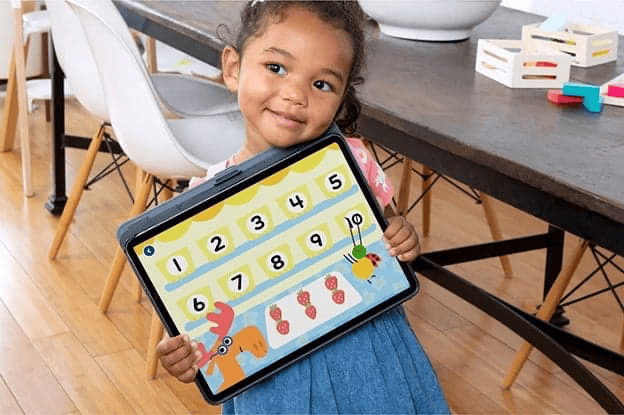
Whether you want to enhance your science, culture, or geography units with Little Passports, add on some supplemental math with codeSpark, practice reading and math with our HOMER app, or focus on social-emotional skills with Learn with Sesame Street, we’re here to help!
Frequently Asked Questions
Can I change homeschool curriculum during the year?
Yes. Many homeschooling families switch curricula during the year if their goals change. Some design their year with intentional changes to subject matter, resources, length of day, and more.
Just make sure you keep on top of your recordkeeping or reporting requirements per your state’s laws.
How many hours a day do homeschoolers typically spend learning?
There’s no typical number of instruction hours for homeschooled children. Daily learning time varies depending on factors such as a child’s age, grade level, and learning pace, or a particular state’s time requirements.
And don’t forget that those hours are spent in a wide variety of ways, from lessons to reading, to hands-on activities, to field trips!
How much does a homeschool curriculum cost?
Homeschool curricula costs vary depending on which components you choose. Some online resources and open educational materials are free, while other comprehensive programs can cost several hundred dollars.
Beyond the basics, you may have additional costs for books, general supplies, science materials, and field trips.