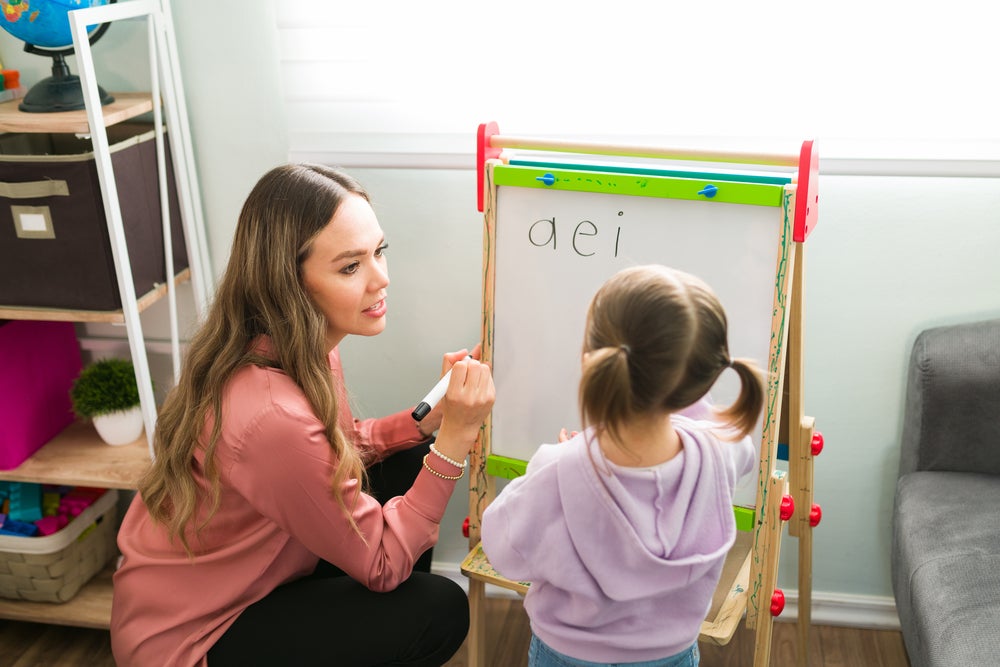

Homeschooling is one of many educational options available to families today. Some parents choose homeschooling because they want greater flexibility, a more personalized approach to learning, or an education that aligns with their family’s faith, values, or lifestyle. Others find that the time, financial commitment, or additional responsibilities make another educational setting a better fit.
As more families explore alternatives to traditional schooling, homeschooling has become one of the fastest-growing education models in the United States. Research from Tyton Partners’ Choose to Learn report highlights growing parents’ interest in personalized, purpose-fit learning environments that better align with their family’s goals and priorities.
Whether homeschooling is right for your family depends on your goals, your child’s needs, and your family’s unique circumstances. This guide explores common reasons families choose homeschooling, important considerations before getting started, and practical tips for those considering this educational path.
Key Takeaways
- Families choose homeschooling for many different reasons, including flexibility, personalized learning, family values, travel, or scheduling needs.
- Homeschooling also requires significant planning, time, and ongoing involvement from parents or caregivers.
- Before choosing homeschooling, consider your family’s schedule, finances, available support systems, state requirements, and your child’s learning needs.
- Many homeschooling families use a combination of curriculum, online learning tools, tutors, co-ops, and community activities to support their child’s education.
Table of Contents
- What Is Homeschooling?
- Common Reasons Families Choose Homeschooling
- Things to Consider Before Homeschooling
- 7 Tips on Making the Most of Homeschooling
What Is Homeschooling?

Homeschooling is an educational approach where parents or caregivers take primary responsibility for a child’s education outside of a traditional public or private school setting.
Over the 2024 to 2025 school year, homeschooling grew at an average rate of 4.9%, according to Johns Hopkins University School of Education. In fact, 36% of reporting states recorded their highest homeschool enrollment numbers ever, exceeding those reported during the pandemic.
Although popular today, homeschooling is not one-size-fits all. While some families follow a structured curriculum similar to a traditional classroom, others use more flexible or child-led approaches.
This might include engaging private tutors, online learning apps, community activities, enrichment classes, museums, libraries, and co-ops to teach specialized lessons or supplement their own lessons.
Common Reasons Families Choose Homeschooling

There are a host of reasons families choose homeschooling, including the freedom and flexibility it affords. Let’s take a deeper look.
Flexibility
Homeschooling families are able to organize learning in ways that fit their routines, adjust lesson times, and even travel.
For example, when teaching European history, a homeschooling family can deepen the lesson by exploring historical sites together during a trip, turning their vacation into meaningful, real-world learning.
Homeschooling flexibility also extends to daily schedules. If your child isn’t a “morning person,” you can create a learning schedule that lets them get more sleep. And, if you have errands, you can organize the school day around them.
Personalized Learning
Homeschooling allows you to pace lessons based on your child’s needs and adjust instruction to their interests and learning style.
Because lessons are personalized, if your child is having trouble with a concept, you can spend an entire week on it rather than a single day. Likewise, if your child picks up on a lesson quickly, you can move ahead to more challenging material.
Educational Choices
For families who want to align their children’s education with their goals and values, homeschooling can be a good choice. That’s because families can choose the curriculum, teaching methods, and resources they’re most comfortable with.
Faith or Family Values
Some families choose homeschooling because they want their child’s education to reflect their religious beliefs, cultural traditions, or family values. For instance, if the homeschooling family wants to start lessons with prayer or tie character lessons to Bible stories, they can do so.
Learning Environment
Another reason some families choose to homeschool is the fact that parents have both greater involvement in their child’s daily learning environment and more control over the educational setting.
Parents don’t have to worry as much about their child’s safety, social pressure, or bullying.
Family Time
Homeschooling also allows you to get to know your child as a learner. This additional family time can deepen your relationship as you create special memorable moments together, like going on field trips or persevering through difficult materials.
Things to Consider Before Homeschooling

Although there are many benefits to homeschooling, there are also things you should consider before jumping in.
Time Commitment
Being a homeschool teacher requires a large time commitment because of planning and teaching the lessons, tracking your child’s progress, and organizing educational activities.
Financial Considerations
You also want to consider what homeschooling will mean for your family financially. Costs can vary widely depending on your family’s approach, but expenses often include curriculum, books, supplies, technology, extracurricular activities, field trips, and tutoring.
The good news is that, depending on where you live, financial assistance or educational funding may be available through state programs, education savings accounts (ESAs), charter homeschool programs, or other initiatives.
Since eligibility and available resources vary, it’s a good idea to research the options available in your state before getting started.
Social Opportunities
Homeschooling can also have a social impact on your child. For instance, when it comes to playdates and sports, you’ll need to be intentional instead of letting things happen organically.
As a result, many homeschooling families choose to participate in co-ops, sports, clubs, library programs, volunteer opportunities, or community events. These experiences add variety to the school day and can help children build friendships and social skills.
Teaching Responsibilities
There’s no doubt that being a parent, administrator, and teacher for your child is a huge responsibility! You’ll spend time creating and teaching lessons on sometimes unfamiliar subjects, adapt lessons to your child’s needs, assign and grade your child’s work, and give them helpful feedback.
If you’re not comfortable with certain material, you may also need to seek outside resources or support.
Access to Specialized Resources
Whereas traditionally schooled children have access to science labs, art rooms, and gymnasiums, you probably don’t have these facilities at home.
That means you may have to take a little more time to plan these experiences for your children by engaging with community organizations, homeschool groups, or local programs.
Legal Requirements
Homeschooling also requires you to adhere to local legal requirements that may dictate the subject matter, assessment, and curriculum you teach.
Although specifics vary from state to state, common requirements include notification, recordkeeping, attendance, assessments, or curriculum guidelines.
7 Tips on Making the Most of Homeschooling

1) Create a Dedicated Learning Space
Designating a learning space in your home helps create a clear divide between home life and school life. This includes your role as a parent and teacher, and your child’s as a son or daughter and student.
But don’t worry; your learning environment doesn’t have to look like a traditional classroom! It can simply be a special chair in the living room or a space at the kitchen table. Keeping the learning environment consistent can help to establish your child’s daily routines.
2) Establish a Flexible Routine
Just because you’re homeschooling doesn’t mean you don’t have a daily schedule. Children thrive on routines, so it’s good to instill one from the beginning. Perhaps you start the day with an academic hope or goal before reviewing the planned schedule.
But don’t forget to be flexible. If something gets in the way of your plan, like an unexpected opportunity to learn, you can feel free to follow it.
3) Keep Organized Records
As a homeschool teacher, you’re responsible for proving to the state what you taught. Getting into the habit of daily documentation will make it easier for any required record-keeping, including attendance, completed work, assessments, and learning activities.
Maintaining organized records can protect you legally while helping you track your child’s progress.
4) Schedule Breaks
As homeschooling is one-on-one (or small group), it can be intense. Give your child’s brain a chance to absorb the lessons by taking regular breaks. These breaks can not only help your child stay engaged but also allow you to recharge throughout the day.
5) Connect with Other Homeschooling Families
As we said, many homeschoolers join co-ops, homeschooling communities, libraries, and other organizations to share the teaching or get outside support and verification that the lessons stuck.
Sharing the responsibility provides new educational opportunities and more social connections, while giving you more support.
6) Explore Supplemental Learning Resources
Many homeschooling families combine their primary curriculum with educational apps, online programs, tutors, libraries, museums, and hands-on activities. Supplemental learning resources like these can reinforce what you’re teaching and engage your child in a new, fun way.
Begin’s HOMER app, for instance, can help your child practice reading, math, and social-emotional skills.
Our app provides a ready-made, research-backed curriculum that can be personalized to your child, whether they’re learning to read, beginning to recognize numbers and patterns, or want to practice their social skills such as emotional regulation and empathy.
7) Take Care of Yourself
With all of this teaching and parenting, it’s easy to forget about yourself. Take time to do things you want to do, whether catching up with a friend or going out to dinner with your partner. Taking care of your own well-being can help support both you and your child over the long term.
Homeschooling with Begin

Homeschooling looks different for every family. Many parents use a range of resources to support their child’s learning, from educational apps, books, and hands-on activities to outings, travel, and community experiences.
Begin’s learning apps (like HOMER, CodeSpark, and Learn with Sesame Street) provide engaging activities that can be built into your homeschooling schedule. So, consider supplementing your homeschooling schedule with Begin. We make learning fun, interactive, and effective!
Frequently Asked Questions
Do homeschooled kids do better or worse?
There is no hard-and-fast rule as to whether homeschooled kids do better or worse in school, as research on the topic has produced varied findings.
Some studies report strong academic performance amongst homeschooled students, while others note that outcomes are influenced by factors like curriculum, parental involvement, available resources, and individual needs.
What’s the hardest age to homeschool?
Whereas there is no “official” hardest age to homeschool, many report finding the greatest challenges occur with middle schoolers, possibly because of age-related hormonal and emotional changes.
Other families, however, experience challenges at different times thanks to their child’s temperament, learning needs, and other factors at home.
How many hours a day does it take to homeschool a child?
The number of hours a day to homeschool a child can vary, with many families spending between one and five hours on direct instruction per day, although the exact number of hours varies due to a child’s age, learning goals, teaching approach, and daily schedule.
Of course, learning doesn’t stop at the end of the lesson! Reading a book, working on school projects, or participating in extracurricular activities can all extend and enrich learning by giving kids real-world ways to practice skills and connect lessons to everyday life.