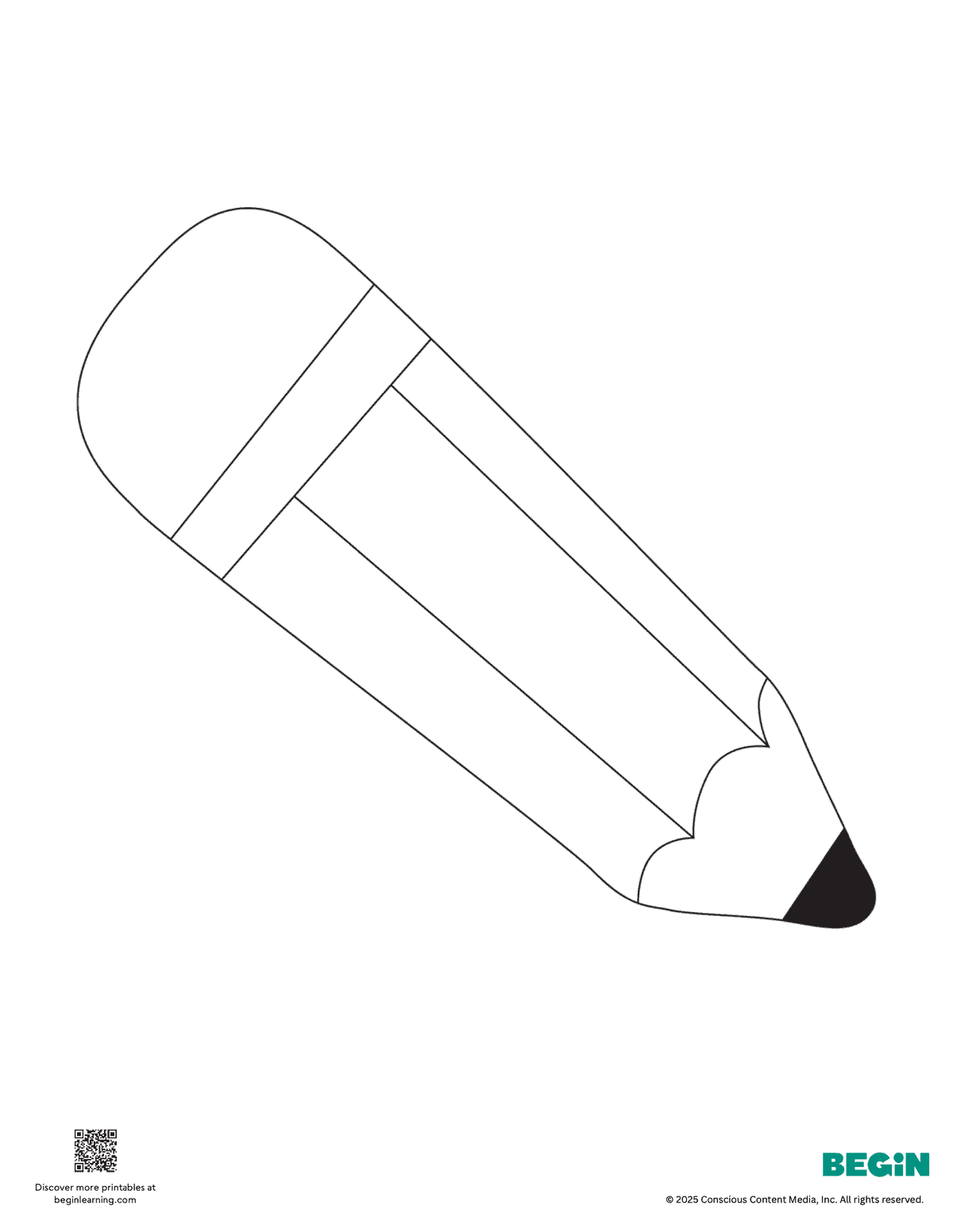
This free pencil coloring page is designed for young children just building their coloring skills. The outline uses bold, clear lines that are easy for small hands to follow, and the image fills a full sheet of paper so your child has plenty of room to work with. Print the PDF, grab some crayons, and let them color this pencil however they like. It’s a great fit for independent practice at home, classroom centers, or as a simple activity to keep little hands busy.
Pencil Coloring Pages – Free PDF Printables
Frequently Asked Questions (FAQs)
What’s included in this pencil coloring page?
This free printable PDF features a single pencil illustration designed for young children. The outline uses bold, clear lines with a simple shape that’s easy for small hands to follow, making it a good fit for preschool and kindergarten age kids. The image is sized to fill a standard sheet of paper, giving your child plenty of room to work with. Print as many copies as you need so your child can try different color combinations or practice the same page more than once.
What age is this pencil coloring page for?
This coloring page works best for children ages 2 to 6. Younger children will benefit from the bold outlines even if they color well outside the lines. At that stage, the value is in gripping a crayon and making intentional marks on the page. Older children can focus on staying within the edges, choosing colors, and filling in different sections more evenly. If your child is already comfortable with detailed coloring books, they may be ready for more complex pages, but this pencil is a solid fit for most kids in the preschool to kindergarten range.
How does coloring this pencil help my child get ready for school?
Coloring builds the hand strength and finger control your child needs to hold a pencil and form letters. Every time they grip a crayon and make a controlled stroke, they’re working the same muscles they’ll use for writing. It also practices hand-eye coordination as they work to stay near the pencil’s edges, and builds the ability to sit with a task and complete it independently. These are all skills teachers look for at the start of kindergarten, and regular coloring practice at home is one of the easiest ways to develop them.
What should my child use to color this pencil page?
Crayons are the best starting tool for younger children because they require real grip strength and help build hand muscles. Thick, triangular crayons are especially good for children still developing their pencil grip. Colored pencils work well for ages 4 and up since they offer more control and encourage a proper writing grip. Markers are fun and show up easily on the page, but they require very little pressure, so they don’t build as much hand strength. If your child is working on grip or control, start with crayons and move to colored pencils as they improve.
How long should my child spend on this coloring page?
For ages 2 to 3, even 3 to 5 minutes of focused coloring is valuable practice. Their hand muscles tire quickly, so short sessions are more productive than pushing through fatigue. For children ages 4 to 6, 10 to 15 minutes is a good target. Some kids will want to keep going, and that’s fine as long as they’re still engaged and not getting frustrated. Quality matters more than finishing the whole pencil. If your child colors one section carefully and wants to stop, they’ve still gotten meaningful practice with the skills that matter.
Can I use this pencil coloring page in a classroom?
Yes. This PDF is free to print as many copies as you need for classroom or homeschool use. It works well as a quiet independent activity, a cool-down after recess, or a reward for finishing other work. Because everyday objects connect to routines and real life, these pages pair naturally with themes like back-to-school, morning routines, or “things in my house.” Teachers can also use them as a simple fine motor station during center time.

Want to support your child’s early literacy, math skills, and creativity?
Try HOMER free for 30 days